Sitka’s history is written into its shoreline, forest, and downtown streets. At Sitka National Historical Park, a visitor can walk through temperate rainforest, learn about the Kiks.ádi Tlingit resistance to Russian colonial forces, and explore a surviving building from Russian America. Together, these experiences reveal a place shaped by Indigenous history and living culture as well as colonial change.
Sitka is on an island in Southeast Alaska and is reached by air or water, so it takes its own transportation plan. These five ideas will help you make time for the stories behind the scenery.
1. Begin With the People of This Place
The park is on the traditional homeland of the Sheet’ka Lingít. The National Park Service explains that the Kaagwaantaan, Kiks.ádi, and Coho clans lived along the Indian River before Russian arrival, and that hunting, fishing, and gathering traditions continue across generations.
Begin at the visitor center when it is open. Exhibits and park information offer context for what you will see outside and for the continuing cultures of Southeast Alaska Native communities. Ask staff about current programs and the day’s conditions; staffing and hours vary by season.
A thoughtful visit starts with listening. Indigenous history here is not simply a prelude to the Russian period, and the park’s cultural stories are not relics detached from the present. Leave time to learn whose homeland you are visiting and how those connections continue.
2. Walk the Totem Trail
The Totem Trail leads through coastal rainforest and past carved poles connected with Tlingit and Haida traditions. The park describes a collection that includes original poles and replicas made by Alaska Native carvers. The works are public expressions of community histories and identities; reading the park’s interpretation helps give them the context they deserve.
Walk slowly enough to notice the setting as well as the poles. Sitka spruce and hemlock grow in a temperate rainforest shaped by abundant moisture. Views of the coast and the Indian River make the trail a place to understand how forest, water, and human history meet.
Bring a rain layer and shoes suited to damp paths. Stay on open routes, do not touch or climb the poles, and check the park for current accessibility and trail conditions. Allow more time than a quick photograph requires: the details are easier to appreciate when you stop and read.
3. Learn About the Battle of 1804
Along the park’s trails is the landscape associated with the 1804 battle between the Kiks.ádi Tlingit and Russian forces. Park interpretation places that conflict within the larger history of the Tlingit homeland and Russian expansion in Southeast Alaska.
This is a place for reflection as well as a walk. Read the National Park Service’s account of the battle before or during your visit, and look for interpretation that describes the people and choices involved. The forest may appear peaceful today, but the site carries memories of violence, resistance, and loss.
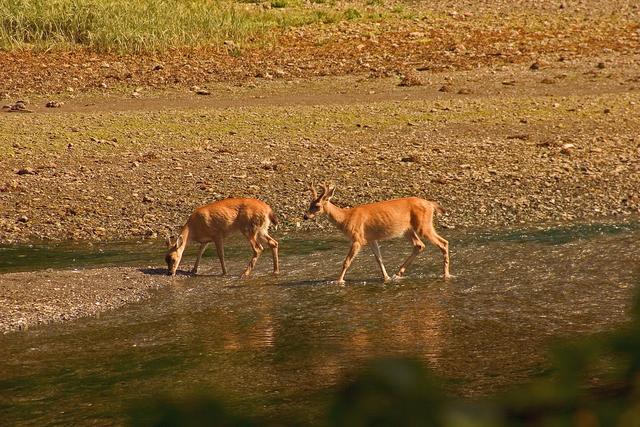
The Indian River also supports wildlife. The park notes that salmon run in the river during summer and early fall; timing varies, and wildlife should never be approached or disturbed. Watch quietly from a distance and give animals a clear route to move away.
4. Visit the Russian Bishop’s House
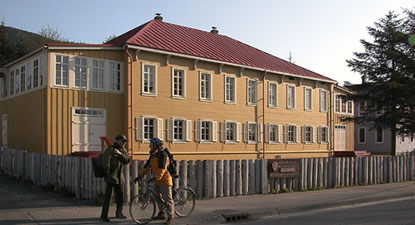
In downtown Sitka, the Russian Bishop’s House preserves another part of the region’s complex past. Completed in 1842, it served as a center of Russian Orthodox Church authority in the Russian-American period. The National Park Service later restored the building to its 1853 appearance.
The first floor contains museum exhibits. The park also offers guided tours of the second floor when staff and seasonal schedules permit. The current National Park Service listing says the house is normally closed in winter, with appointments possible if staffing allows. Summer hours and tour availability can change, so verify them before your visit.
The first floor is wheelchair accessible; the park says the second floor is not, and a video about it is available downstairs. Ask staff about current access, tickets, and tour arrangements. A visit can help explain Russian colonial institutions while also inviting visitors to consider their effects on the Indigenous communities whose homelands were colonized.
5. Look for Living Art and Cultural Programs
The park partners with the Sitka Tribe of Alaska to present artists working in traditions that can include carving, weaving, beading, and metalwork. Demonstrating artists are not always present, so check the current schedule instead of assuming a particular demonstration will be available.
When an artist is working, allow them room to concentrate and ask before taking photographs. The park sets additional restrictions on commercial photography of artists and artwork. A respectful conversation, when welcome, can show how skills are practiced and carried forward today.
Before travel, review the National Park Service’s pages on Alaska Native heritage at Sitka, the Totem Trail, the Battle of 1804, and the Russian Bishop’s House. Recheck visitor hours and transportation plans close to departure.