At Kennecott, a massive red mill rises above a narrow valley in the heart of Wrangell–St. Elias National Park and Preserve. The buildings are a reminder of an ambitious copper-mining operation, but the journey to the former mill town is just as much a part of the experience as the view when you arrive.
This is a remote Alaska trip. Reaching the historic landmark takes planning for a long drive, a gravel road, a footbridge, and the final stretch between McCarthy and Kennecott. Here are five ways to make sense of the place and prepare for a rewarding visit.
1. Understand the Mining Town Before You Arrive
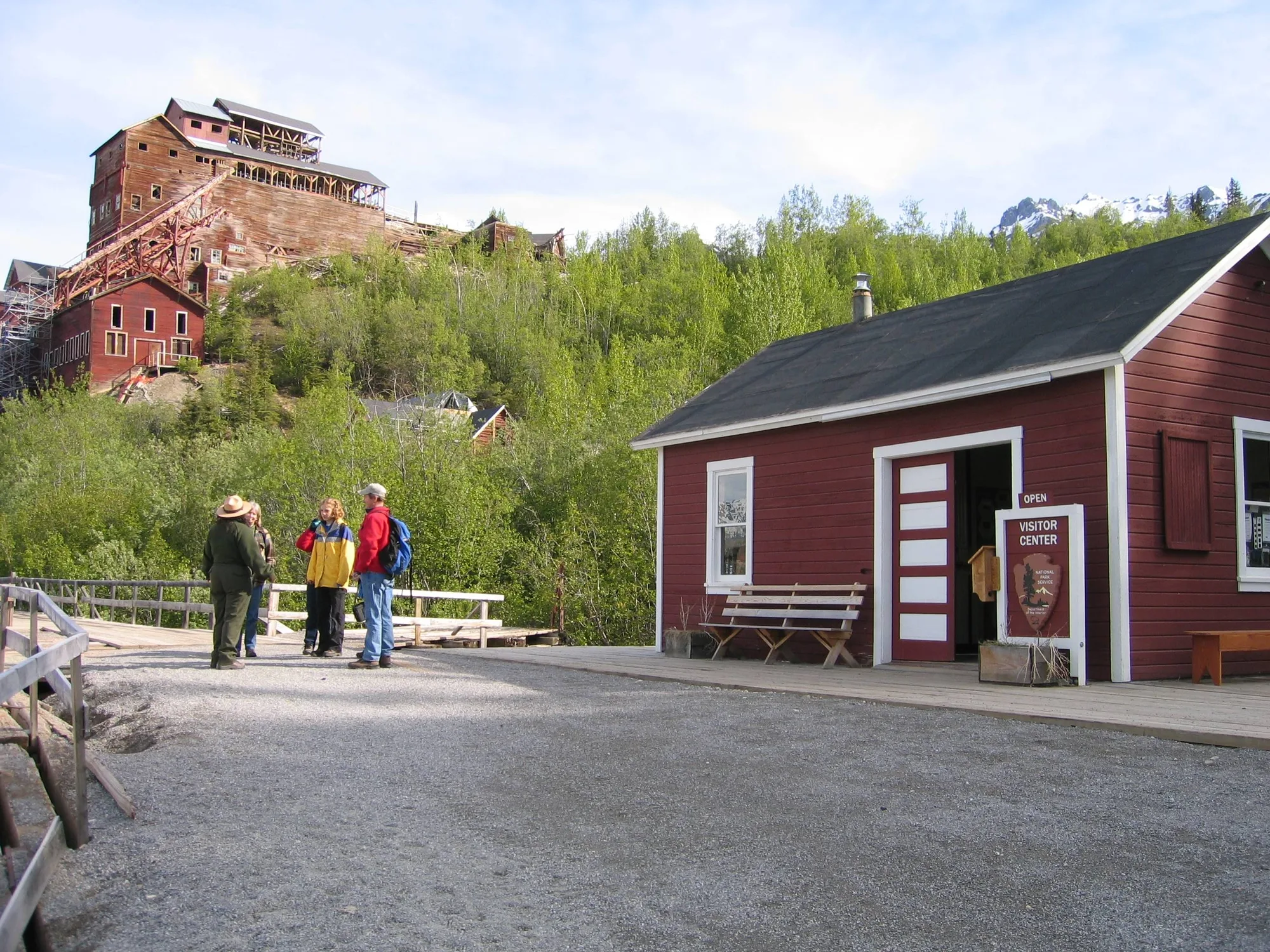
Kennecott’s story connects copper deposits high in the mountains with a mill town, a railroad, and the port of Cordova. According to the National Park Service, copper was processed here from 1911 to 1938. The operation included the mines where ore was extracted, the mill town where it was processed, and a railway built to move the product toward the coast.
The large timber-framed concentration mill is the landmark many visitors recognize first. It is an industrial building on a remarkable scale for such an isolated setting, with a system that depended on workers, machinery, transport, and a carefully organized community. Look beyond the mill itself to understand the broader place: the town included homes and services as well as workshops and industrial structures.
There is a spelling distinction visitors may notice on maps. The mining company and town are generally spelled “Kennecott,” while the nearby glacier and river are spelled “Kennicott.” Checking both forms can help when looking up the river crossing or the history of the landmark.
2. Prepare for the McCarthy Road
From Chitina, the McCarthy Road follows a roughly 59-mile gravel route toward the Kennicott River. The road is remote, and the National Park Service warns about potholes, washboarding, limited visibility, soft shoulders, and the possibility of flat tires. Allow plenty of daylight and extra time rather than treating the mileage like a normal highway drive.
Fuel before starting, check current road conditions, and carry a usable spare tire and the tools needed to change it. Cell coverage is limited, and there are no gas stations along the road within the park. If you are renting a vehicle, confirm that your rental agreement permits this specific gravel road before making plans; many major rental companies restrict travel on unpaved routes.
The road ends near the Kennicott River footbridge. The park notes that private parking areas near the bridge charge fees, while free day-parking options farther back have their own limitations. Confirm arrangements before you leave, especially for an overnight stay. The National Park Service does not recommend driving oversized recreational vehicles or motor coaches on the road.
3. Plan the Final Stretch to the Mill Town
There is no public vehicle access to Kennecott Mill Town. After crossing the footbridge, visitors still need to arrange the final journey through the McCarthy area to Kennecott, about five miles beyond McCarthy. During summer, private shuttles provide paid transportation; check their dates, schedules, and reservations before relying on them.
This distinction matters when estimating the day. Parking at the end of the gravel road does not put you at the mill, and a late arrival can make connections difficult. If you plan to stay in McCarthy or Kennecott, ask your accommodation about arrival instructions and luggage transportation.
At Kennecott, the visitor center occupies the historic Blackburn School. It is a good place to ask about open routes, tours, maps, trail conditions, and current notices. The area includes private property and active preservation work, so respect signs and stay within permitted public areas.
4. Walk the Town and Consider a Guided Mill Tour
A self-guided walk provides an introduction to the layout of the historic town. The National Park Service’s walking-tour material helps explain how homes, shops, and industrial buildings fit together. Give yourself time to read and look closely rather than treating the mill as a single photo stop.
To see inside the Concentration Mill building and Leaching Plant, the park says visitors must take a guided tour with its concessionaire. These tours are seasonal and take approximately two hours according to the park; verify the current schedule, cost, physical demands, and reservation requirements with the operator. Wear appropriate footwear and follow instructions around historic structures.
The National Park Service is also investigating environmental contamination associated with historic mining and processing. Follow posted safety notices, avoid entering closed or unstable buildings, and use hand-washing facilities where provided. Do not remove artifacts or disturb historic features.
5. Remember the People Who Lived and Worked Here
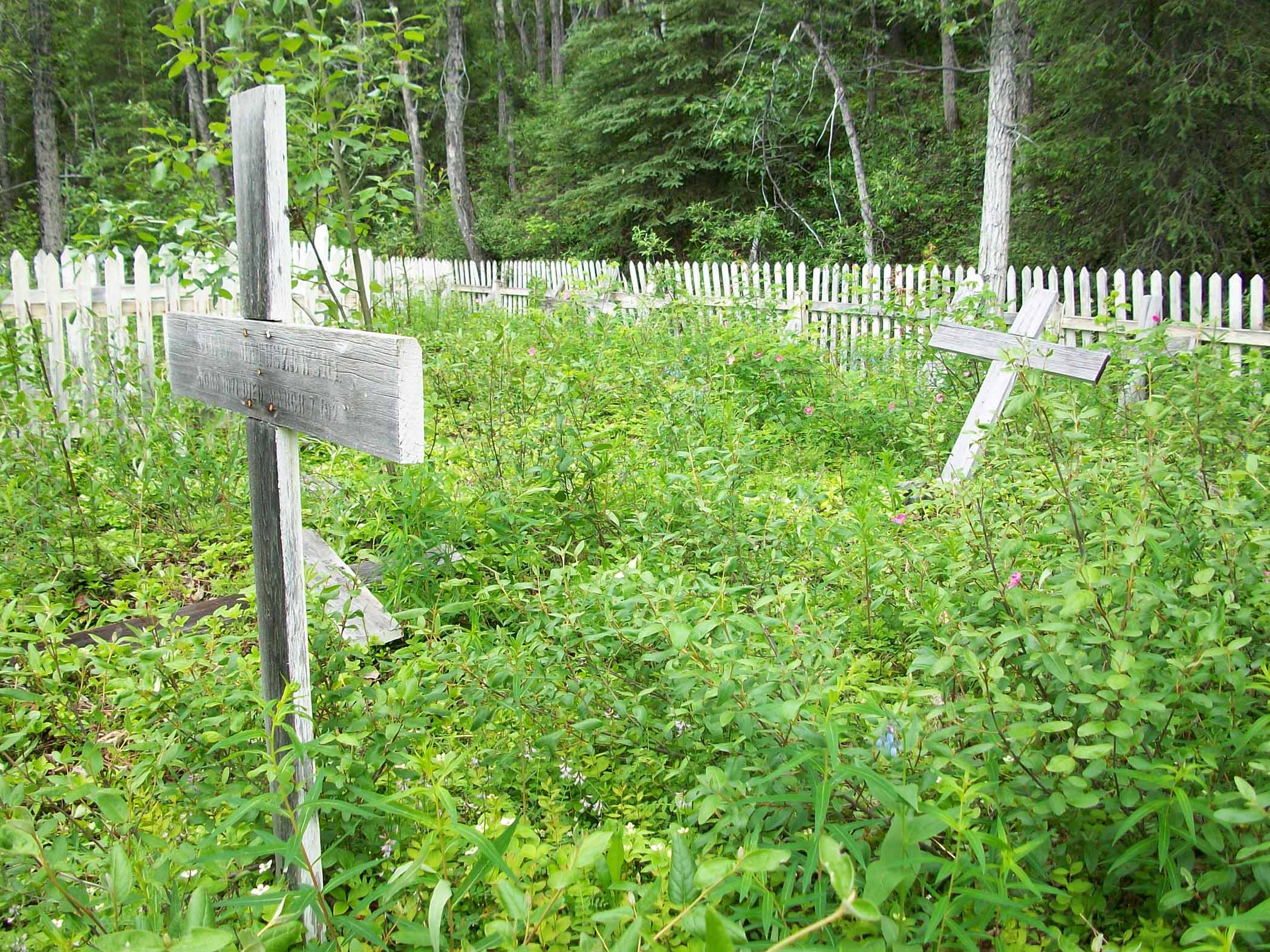
Kennecott was more than a production site. At its peak, the park says, hundreds of people worked in the mill town and mines, and the company community included a school, hospital, store, and recreation spaces. The remains invite questions about daily routines, isolation, and the work required to keep a remote operation running.
The Kennecott Cemetery south of the mill town is associated with the community’s social and industrial history. The park records its use from 1908 to 1938. If you visit, treat the graves and their surroundings respectfully, remain on appropriate routes, and leave every marker and object undisturbed.
For the latest details, start with park directions, the McCarthy Road guide, and Kennecott tour information. Recheck the weather, road, and shuttle schedules shortly before travel.