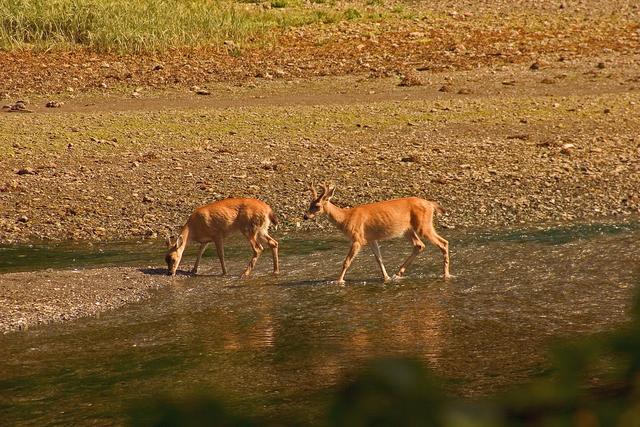
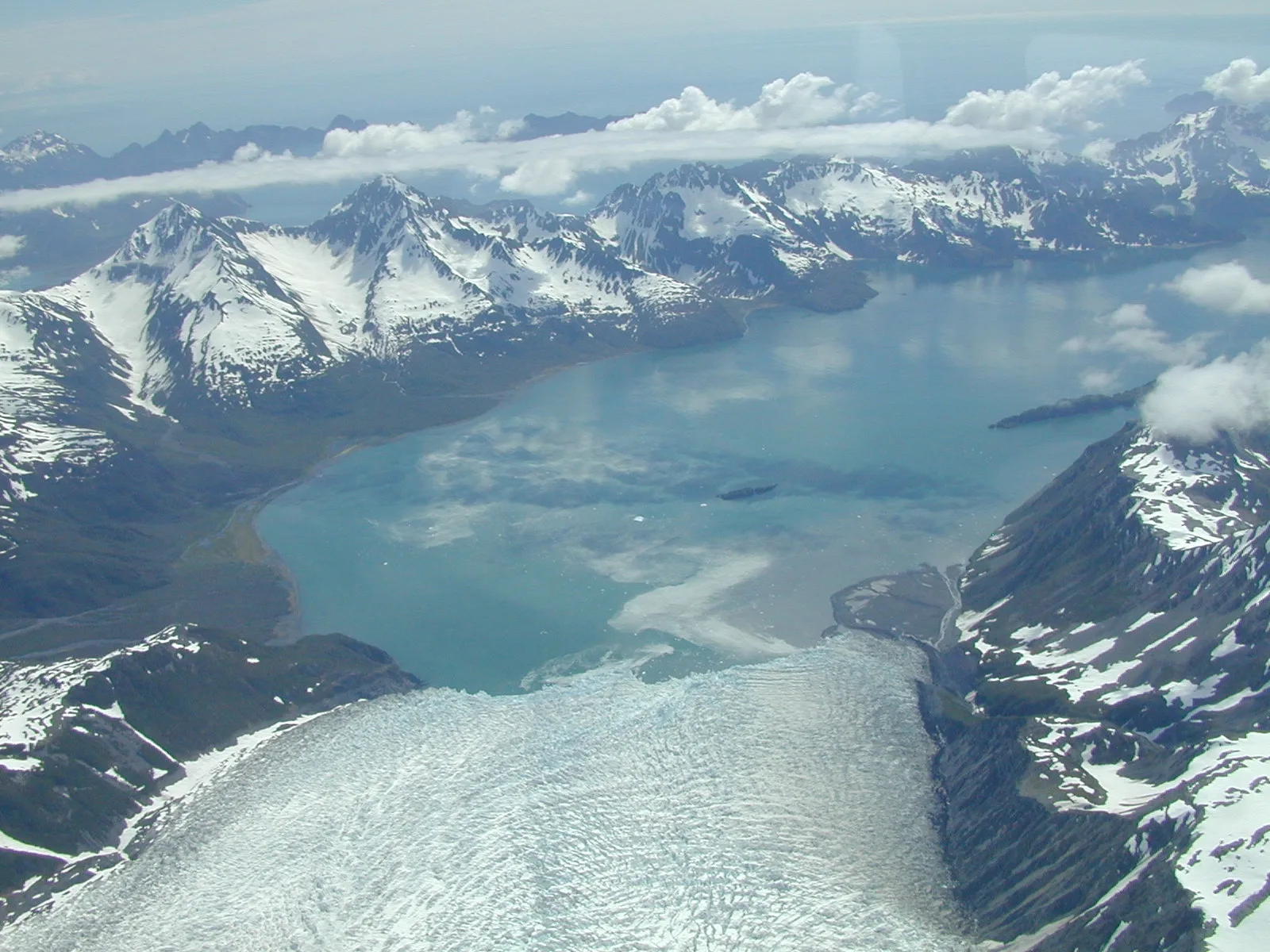
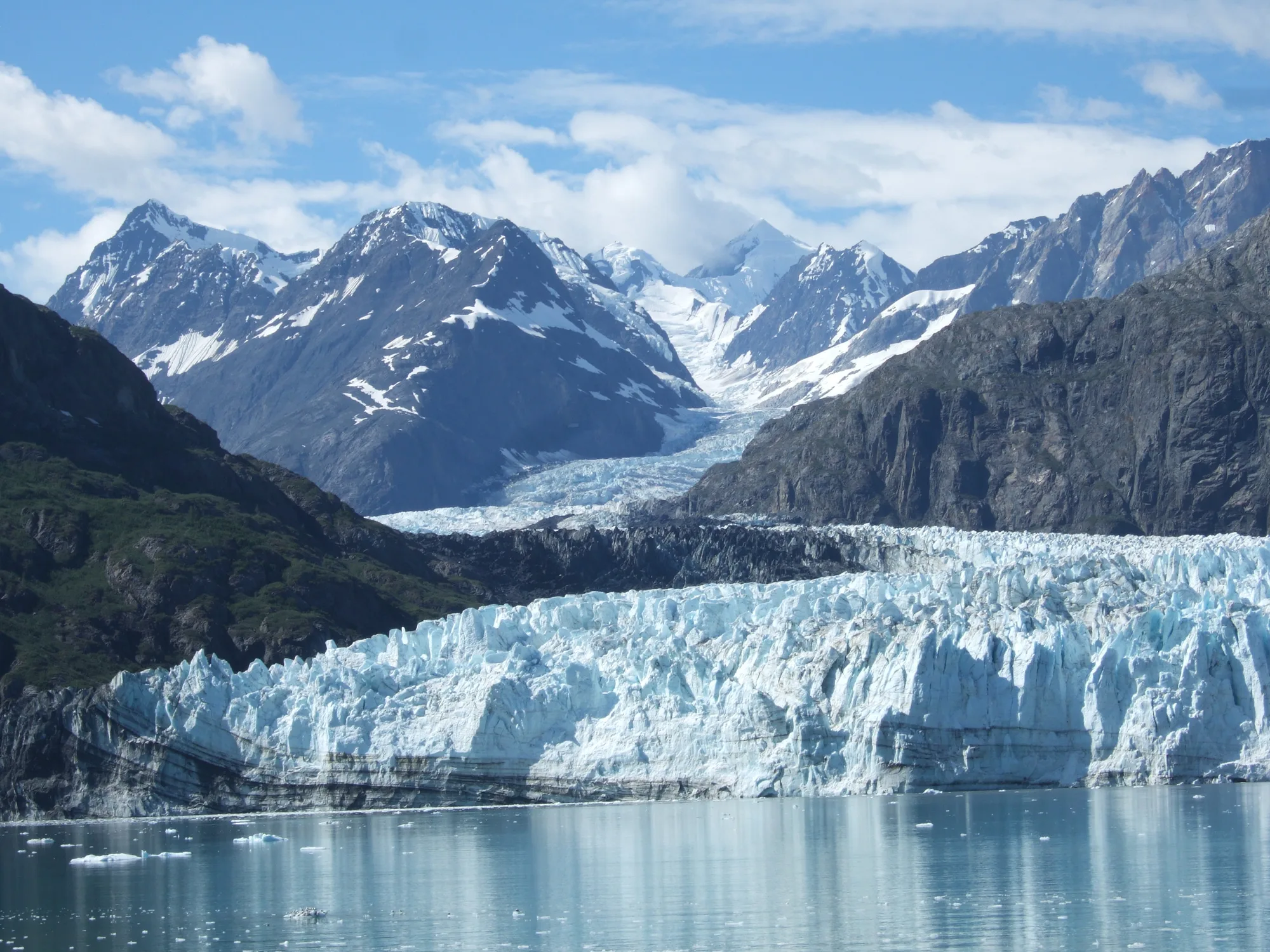
Alaska's national parks are not variations on one road trip. One begins near a highway and opens toward a great mountain; another asks you to cross a bay or board a small plane before the landscape comes into view. Glaciers, bears and wide valleys draw visitors, but the way you reach each place is part of the story.
These four parks offer very different introductions to the state. They are separate journeys, not stops to squeeze into a single weekend. Begin with the experience that matters most to you, then check transport, weather, lodging and current park notices before reserving the rest.
1. Denali: Find a View Beyond the Highway
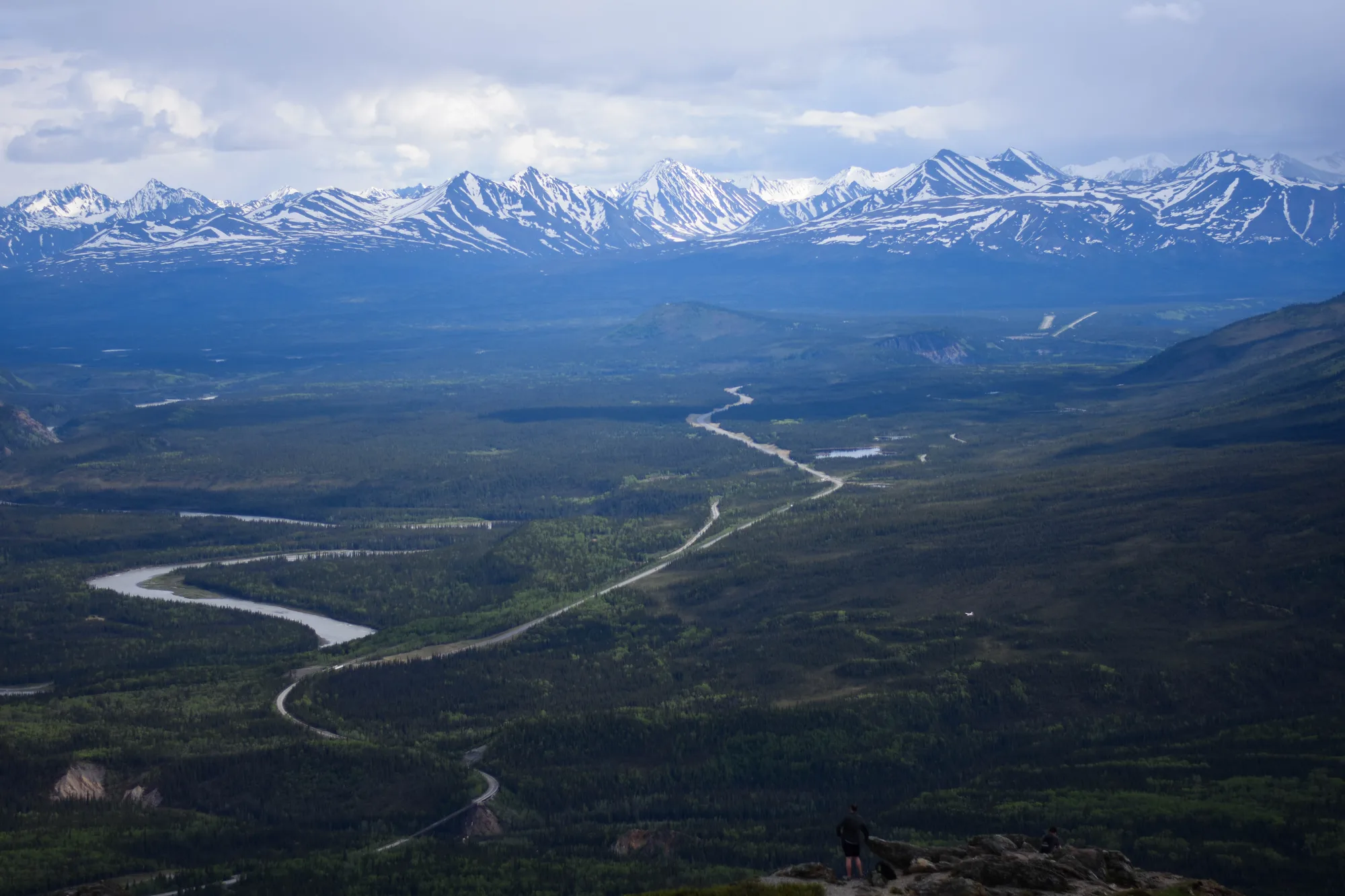
Denali National Park and Preserve offers a landscape of braided rivers, tundra, forest and mountains on a scale that can be difficult to grasp from a map. The park entrance is on the George Parks Highway between Anchorage and Fairbanks. A visit can be as straightforward as a walk near the visitor center or as involved as a bus journey into the park.
The mountain is not guaranteed to appear. Clouds frequently hide the summit, so plan a day around the broader landscape rather than a single photograph. Ask a ranger about a trail that suits your group, watch for wildlife from a respectful distance and leave time for the weather to change. Even without a clear summit, the changing colors and open views can make the trip worthwhile.
Road access deserves special attention. During the 2026 summer season, park buses traveled no farther than East Fork at mile 43 because of the Pretty Rocks landslide project. The National Park Service reported the bridge complete in September and expected full bus service in 2027, but that was a projection, not a promise for a future booking. Road rules, schedules and seasonal conditions change; consult the park before choosing a tour or campground.
Plan your day: Compare transit and narrated tour options, reserve seasonal services when available, and bring layers for cold and rain. Private vehicle access and visitor-center hours vary by season. If you have a limited window, pick a walk and a backup plan that do not depend on seeing the mountain.
2. Kenai Fjords: Start With the Ice at Exit Glacier
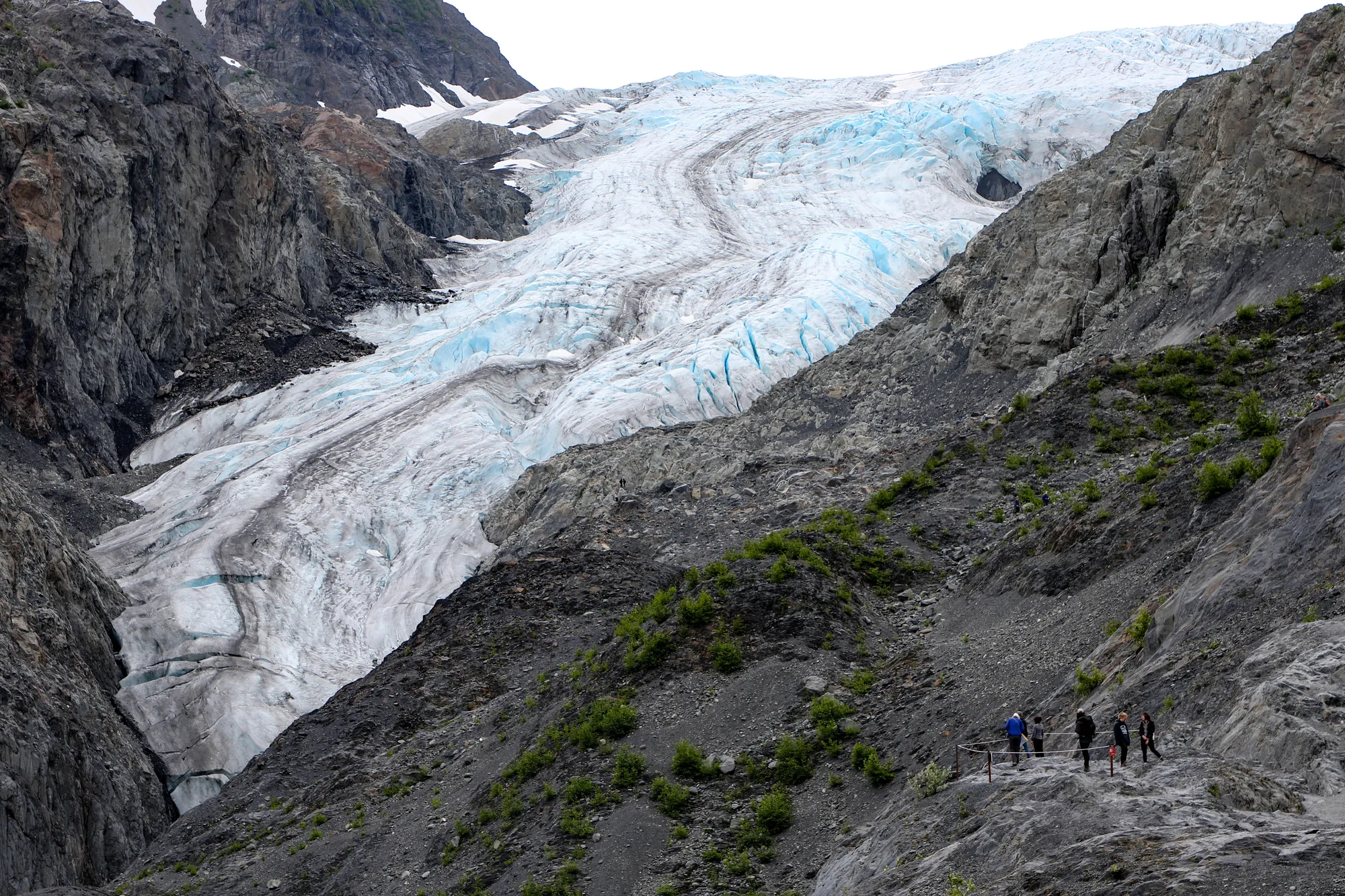
Near Seward, Kenai Fjords National Park brings forest, ice and the ocean into the same itinerary. The Exit Glacier area is the park's road-accessible part, making it a useful first stop for visitors who want to begin on land. A trail leads through a landscape changed by retreating ice; signs along the approach help put the glacier's changing position into perspective.
A short walk and a strenuous hike are different propositions here. The Harding Icefield Trail climbs steeply and demands substantially more time and preparation than the lower trails. Snow and ice can persist, and weather may turn quickly. Check current trail conditions, bring appropriate layers and be prepared to choose a shorter route rather than assuming a summer calendar date guarantees bare ground.
The park also protects a coastline of fjords, islands and tidewater glaciers. Boat trips from Seward can offer a very different view, but they depend on operators, schedules and sea conditions. Wildlife sightings and a close view of a particular glacier are never guaranteed. Compare trip length and accessibility before booking, especially if anyone in your party is prone to seasickness.
Plan your day: Check the Exit Glacier road and visitor services before leaving Seward. If the road is closed seasonally, do not assume that the glacier area is accessible by ordinary vehicle. The NPS has closed the canyon below the lower hiking trails because of outburst-flood risk; obey the closure and stay on designated trails. Give wildlife room and carry the water and clothing your outing requires.
3. Katmai: Watch Bears From Brooks Camp
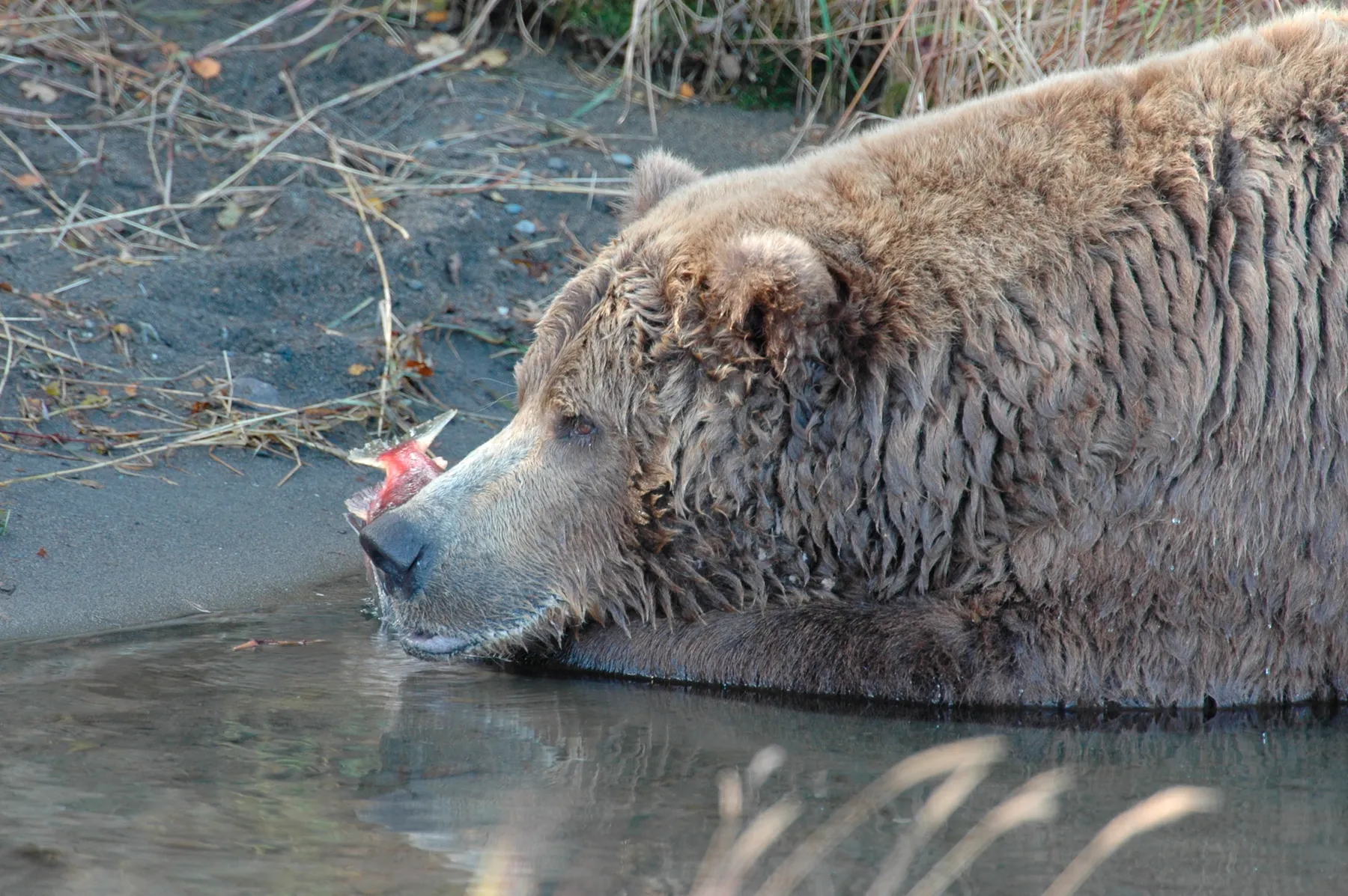
Katmai's Brooks Camp is famous for brown bears gathering along the Brooks River, where salmon and bears create one of Alaska's most memorable wildlife-viewing settings. The image of a bear at the falls is compelling, but a good visit starts with understanding that this is a place where bears move freely and people must adjust their behavior around them.
There is no road from Anchorage to Katmai or Brooks Camp. Most visitors travel through King Salmon and continue by authorized air taxi or boat; flights, weather and limited seating are central parts of the plan. Day visitors and overnight guests have different arrangements, so confirm transportation and lodging or campground availability before buying flights that cannot be changed easily.
At Brooks Camp, follow the park's bear-safety orientation and ranger instructions. Viewing platforms help visitors observe without crowding the river, but access can be interrupted when bears move through an area. Do not leave food or gear where wildlife can reach it, and do not treat a delay caused by a bear as a problem to solve by moving closer.
Plan your day: Bear activity changes through the season and from day to day. Check current viewing guidance and transportation with the park and authorized providers, pack rain protection, and allow flexibility for weather delays. A patient hour watching the river can be more rewarding than trying to force a particular encounter.
4. Glacier Bay: Explore Bartlett Cove and the Water Beyond
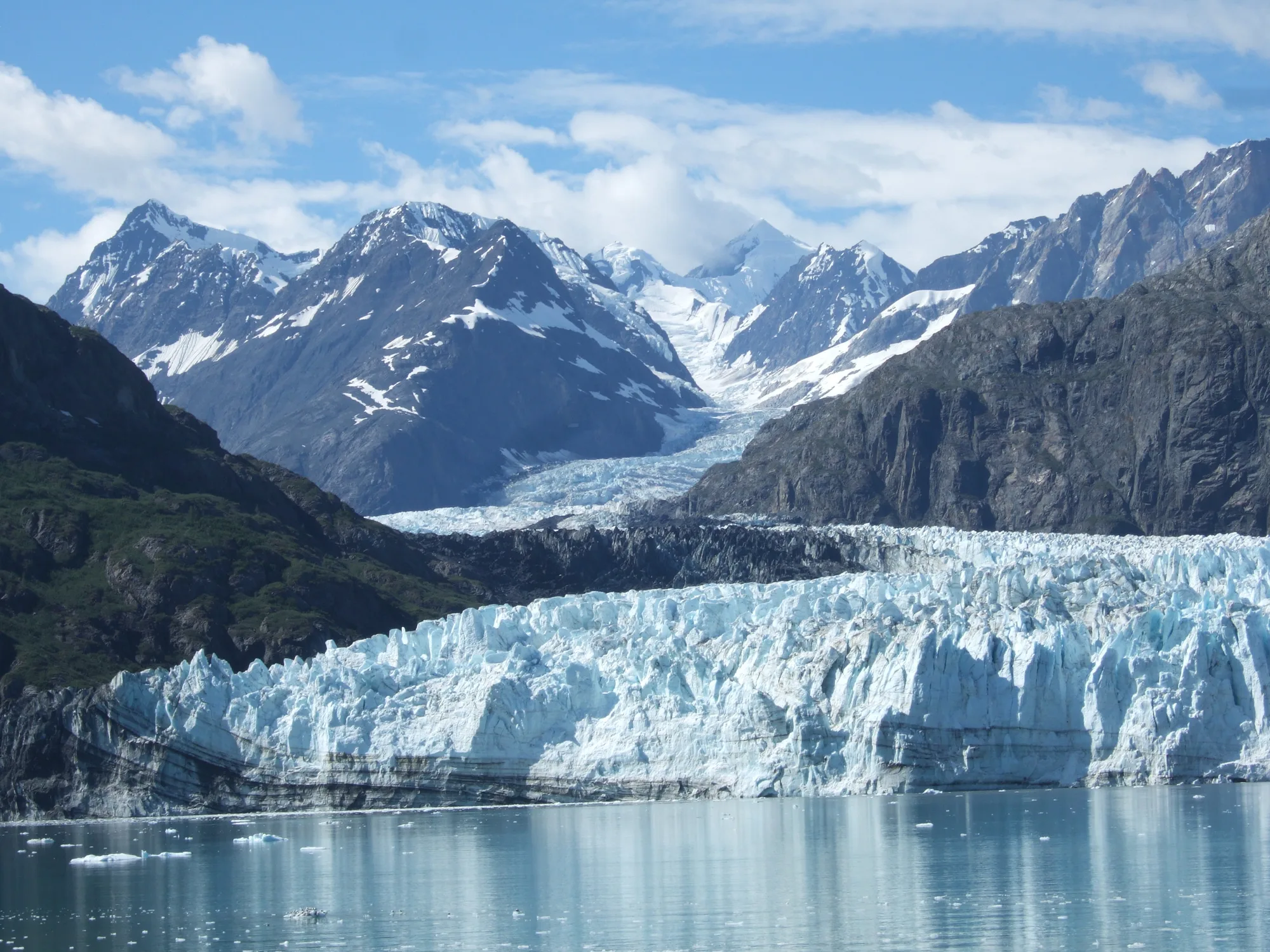
Glacier Bay National Park and Preserve in Southeast Alaska is reached by plane or boat rather than by a highway from the rest of the state. Many visitors arrive through Gustavus and continue to Bartlett Cove, where the visitor center and park facilities provide an introduction to the forested shoreline and the larger bay.
Bartlett Cove offers a way to experience the park without promising a close encounter with a tidewater glacier. Walk a signed trail, visit the exhibits when open and take time to watch the water. The surrounding homeland has deep meaning to the Huna Tlingit people; park interpretation and the Huna Tribal House help visitors connect the scenery with a living cultural history.
To travel farther into Glacier Bay, investigate the day boat or another authorized option and make reservations where required. Distances are large, conditions on the water change, and schedules are seasonal. If your priority is a particular itinerary or accessibility feature, ask the operator directly rather than assuming that every boat offers the same route or service.
Plan your day: Check flights or ferry schedules to Gustavus, connections to Bartlett Cove and the park's current visitor-service calendar. Bring rain gear and warm layers even in summer. Leave room for delays and enjoy the shoreline experience that is actually available on the day.
Before You Go
Alaska travel rewards preparation without rewarding an overpacked schedule. Confirm the latest park alerts and authorized transportation, understand where fuel and supplies are available, and carry clothing for cold, rain and wind. Respect wildlife and local communities, and build extra time into connections that depend on weather.