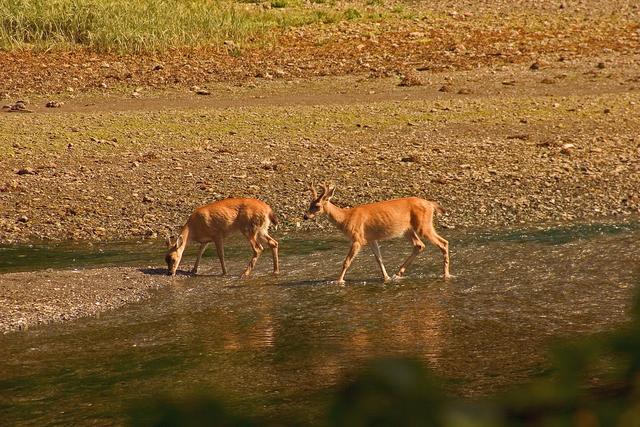
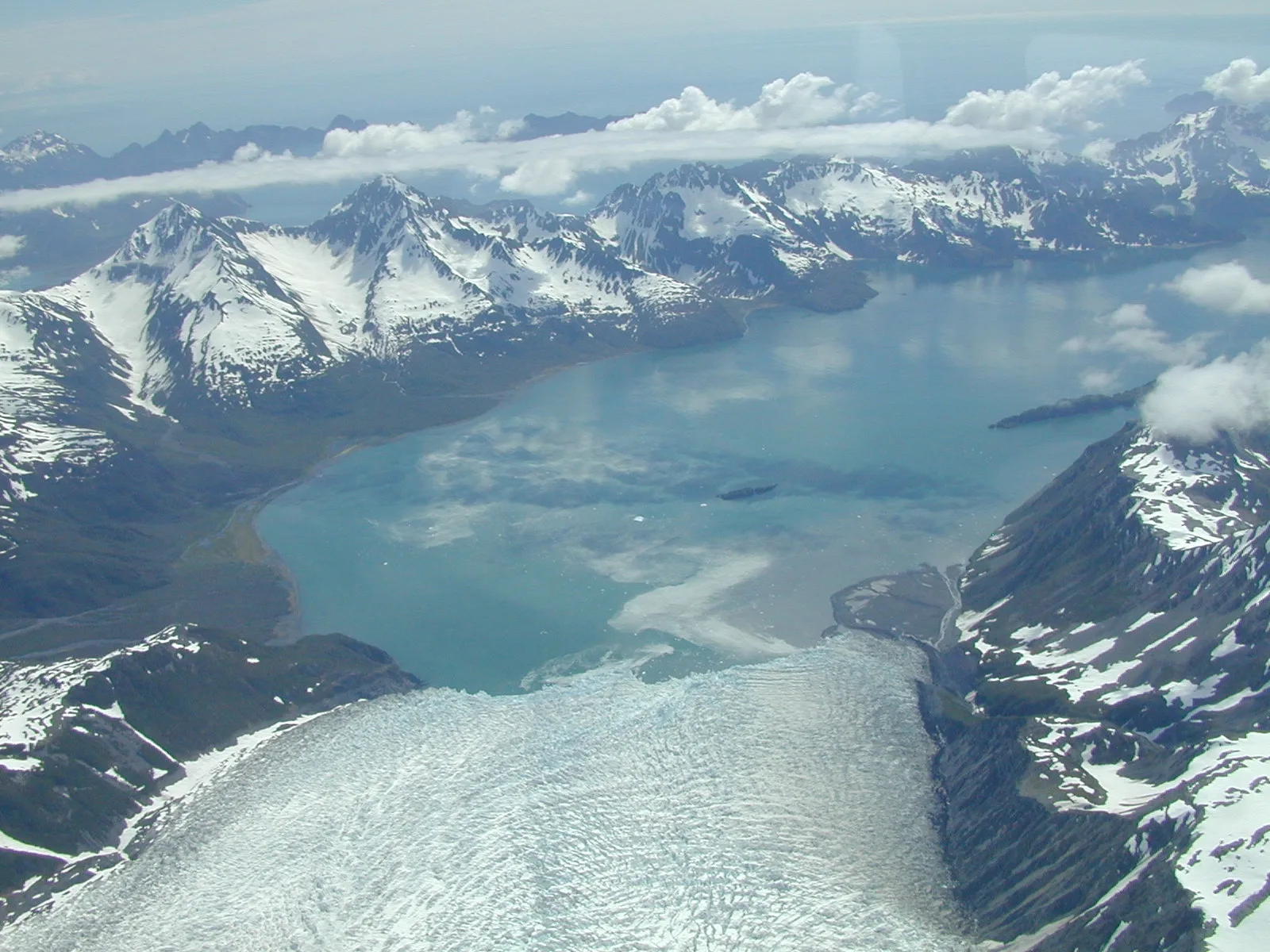
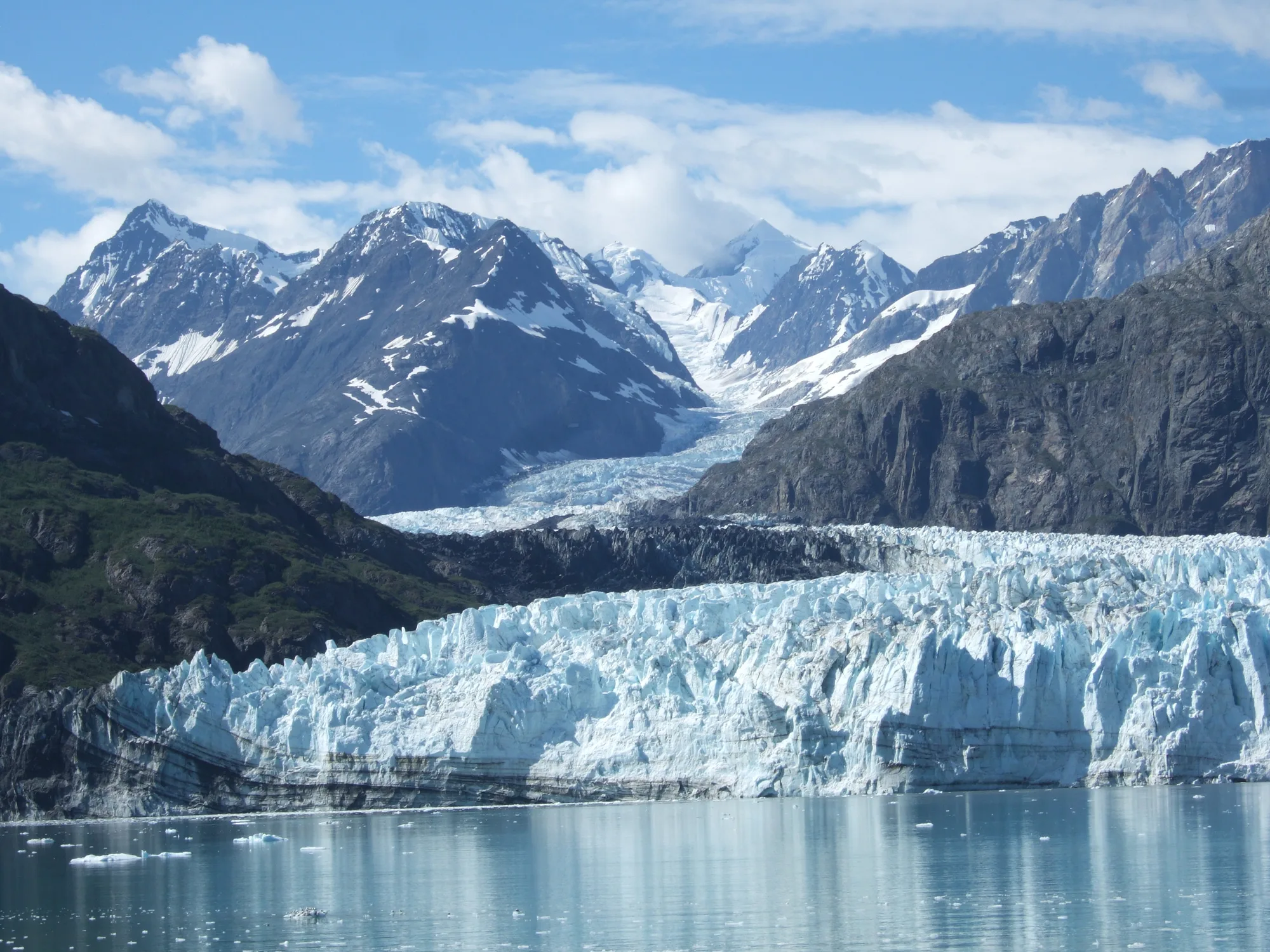
In Alaska, a wildlife outing might mean watching a moose from a park bus, scanning coastal waters for a whale’s spout, or waiting quietly on a bear-viewing platform beside a river. Each experience asks for patience, a little luck, and an understanding that the animals—not the itinerary—set the pace.
These four destinations offer very different ways to watch wildlife. They are spread across a huge state, so choose the experience that fits your route instead of assuming all four can be combined on a single road trip. Sightings are never guaranteed, and respecting local wildlife rules matters more than getting a close photograph.
1. Denali: Look for Moose and Other Wildlife Along the Park Road
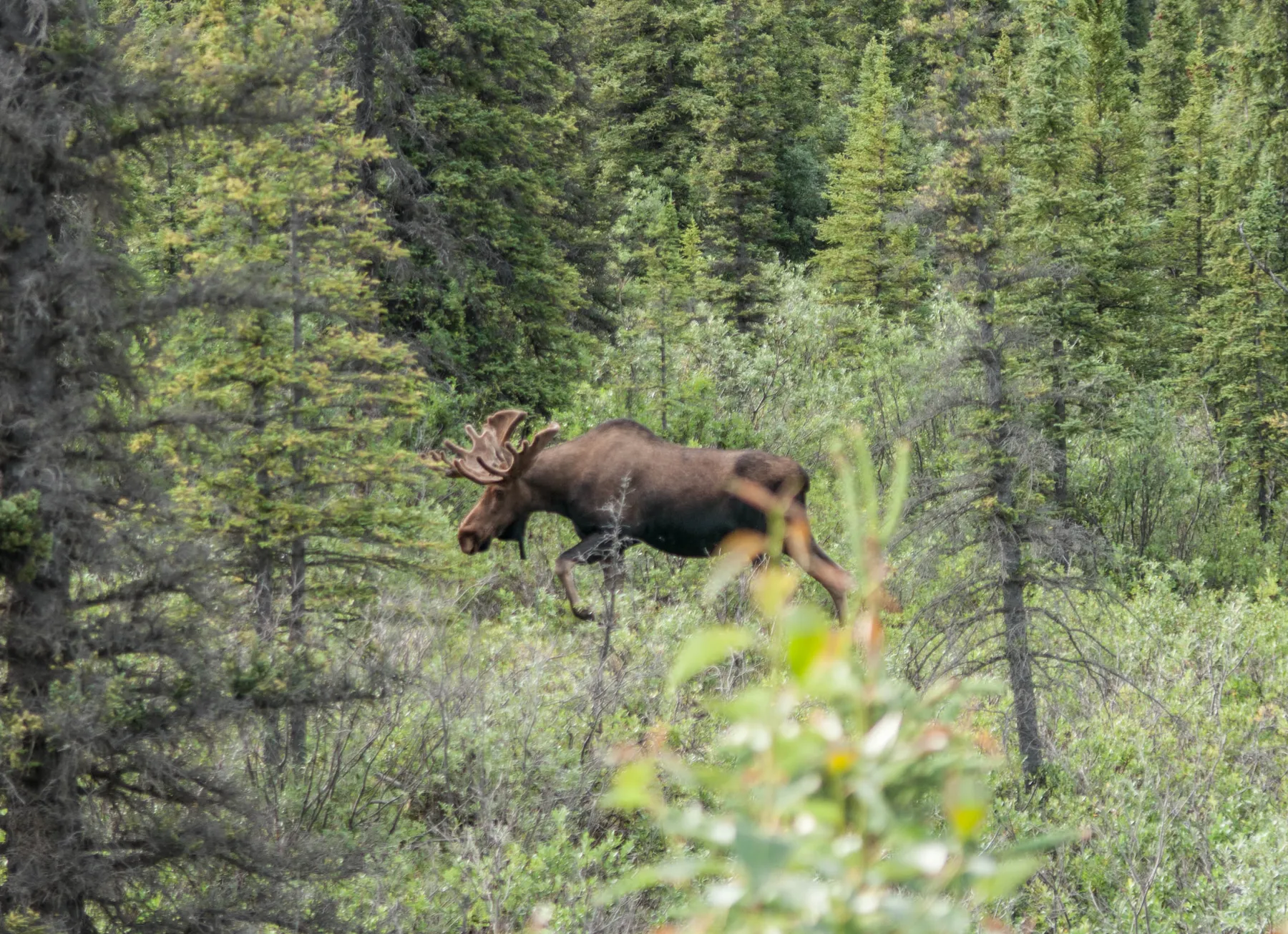
Denali National Park and Preserve gives visitors the possibility of seeing large mammals against a backdrop of forest, tundra, and mountains. Moose may appear near wooded and wet areas, while the wider park is also home to caribou, Dall sheep, wolves, and bears. None follows a visitor’s timetable, so binoculars and time spent looking across the landscape are more useful than a promise of a particular sighting.
A park bus trip can let someone else handle much of the driving while passengers watch the terrain. Access along the Denali Park Road is affected by the Pretty Rocks project, however, and the distance buses can travel depends on the current season and road status. Check the National Park Service’s current conditions and bus information before choosing a departure.
Wildlife is not restricted to the far end of the road. Near the park entrance, pay attention on trails and around parking areas as well. Moose are powerful animals that can defend their space, especially when surprised or near calves. In Denali, the park instructs visitors to stay at least 300 yards from bears and 25 yards from other animals, dens, and nests. Never approach or feed wildlife, and give any animal more space if it changes its behavior.
2. Brooks Camp: Watch Brown Bears in Katmai
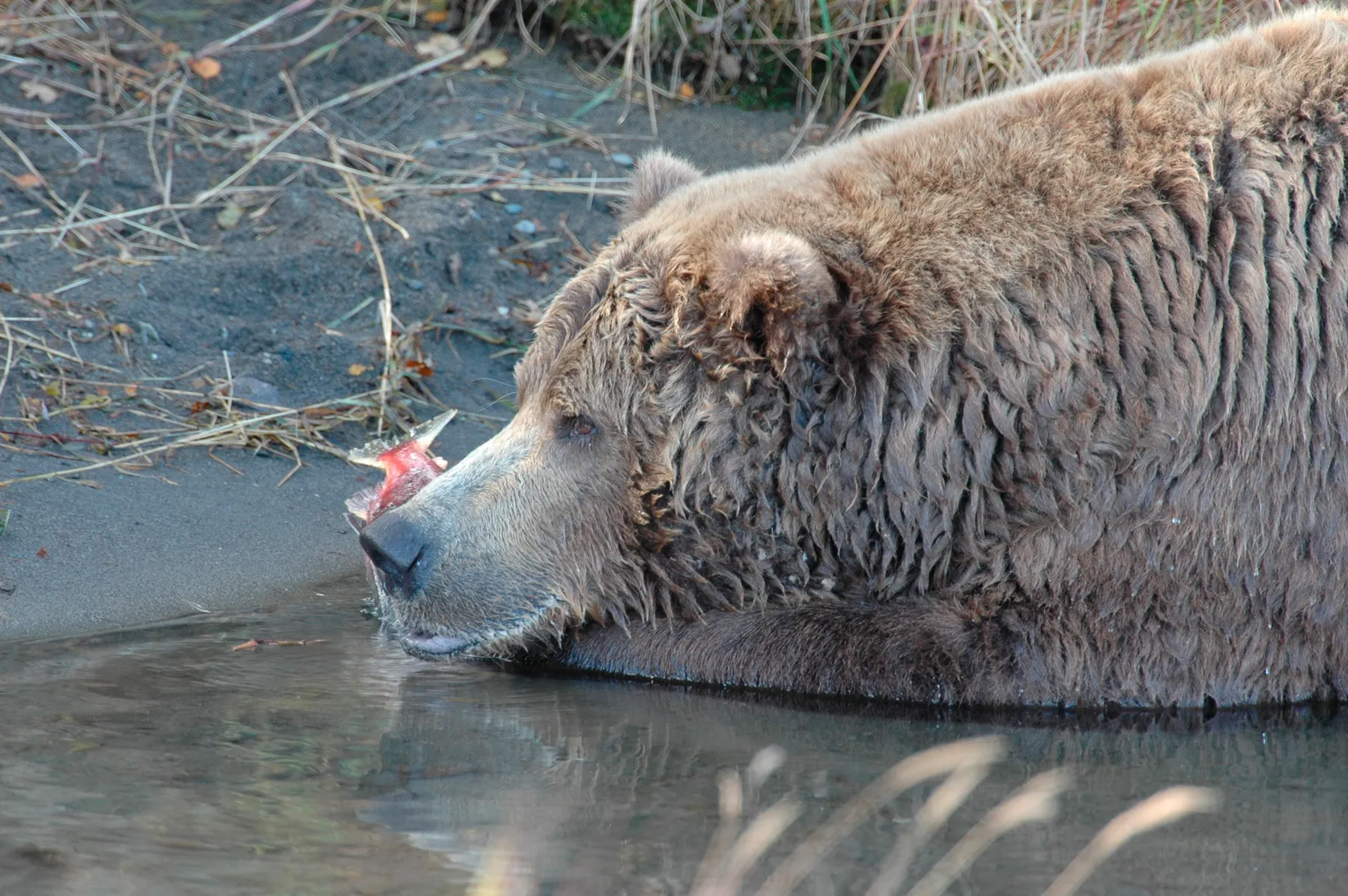
At Brooks Camp in Katmai National Park and Preserve, brown bears and salmon share a river landscape that has become one of Alaska’s best-known wildlife-viewing places. Visitors watch from established platforms and follow ranger instructions in an area where bears also move naturally through the surrounding terrain.
The visit begins with logistics. Brooks Camp is not on the Alaska road system; travelers generally arrange air or water transport. Lodging and campground space can be competitive, while day trips depend on operators and weather. Plan the transport, the time actually available at the site, and any overnight reservations together instead of treating them as separate details.
The bear-viewing season and salmon runs shape the experience, but neither the number of bears nor their behavior is guaranteed. Crowding can also affect how long visitors wait for platform access. Before setting out, review Katmai’s bear-safety orientation and food-storage rules. Brooks Camp has specific instructions for an unusually bear-rich setting; follow rangers and posted local regulations rather than applying another park’s rules by guesswork.
3. Kenai Fjords: Search for Puffins From the Water
A summer boat excursion from Seward changes the wildlife-watching experience from scanning tundra to watching rocky islands and the water around them. Kenai Fjords National Park is home to both tufted and horned puffins, birds that use their wings to propel themselves underwater as well as in flight.
According to the park, tufted puffins generally arrive at local nesting islands around mid-May, followed by horned puffins. The park identifies the Beehive Islands in the Chiswell Islands as an important local nesting area. Viewing is usually from the water, and a moving bird can be much easier to appreciate with binoculars than through a phone camera.
Tour routes and lengths vary. The National Park Service says local companies offer both longer trips into the park’s coastal waters and shorter excursions in Resurrection Bay. Ask specifically about the route and season if seabirds are your main interest, and remember that the crew must make decisions based on sea conditions and wildlife protections. Bring windproof and waterproof layers, and do not ask an operator to approach a colony or animal more closely.
4. Glacier Bay: Watch for Humpback Whales
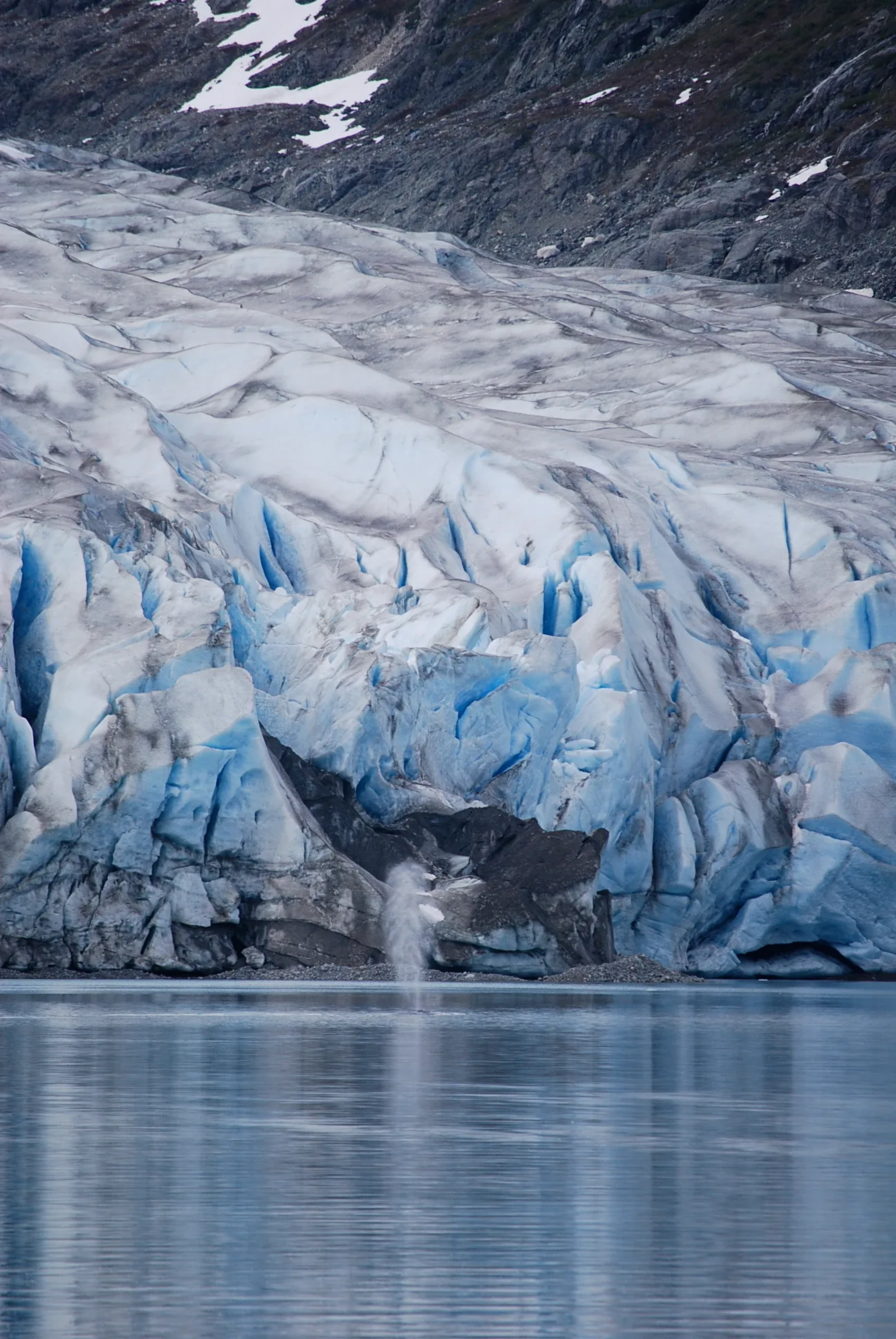
Glacier Bay is famous for ice, but its waters also support a remarkable variety of marine wildlife. A humpback whale may announce itself with a distant blow before the animal’s back breaks the surface. The park’s seasonal wildlife calendar highlights summer as a time to look for humpbacks, while also noting animals such as harbor seals and sea otters.
Many travelers experience the bay aboard a cruise itinerary or a seasonal tour boat from Bartlett Cove. Gustavus and Bartlett Cove require their own transportation planning; the glaciers and wildlife of the upper bay are not reached on a short drive from town. Check the operator’s route, dates, and accessibility details before booking, and build flexibility into connections by air or water.
Whales are wild animals and may appear far away, briefly, or not at all. Use binoculars, listen to the crew’s instructions, and be ready to enjoy the forested shoreline, birds, and changing weather between sightings. Glacier Bay has vessel rules designed to reduce disturbance to whales and other wildlife; independent boaters must learn the current regulations before entering the water.
A Better Way to Watch
Choose ethical viewing over a closer frame. Never feed an animal, block its route, call it closer, or treat a young animal as approachable because it looks calm. Keep food and trash secured, and follow the park or operator instructions for the specific location. A long lens or binoculars lets you notice details without changing an animal’s behavior.
Start with the National Park Service’s guidance for Denali wildlife safety, Brooks Camp bear safety, Kenai Fjords puffins, and Glacier Bay wildlife seasons. Check the latest conditions and transport schedules again just before travel.