A first trip to Denali can feel surprisingly complicated. The park is vast, the mountain is often hidden by clouds, and the road into the landscape is not an ordinary highway where visitors can drive wherever they like. That is also part of the appeal: a little planning leaves more room to watch for wildlife, follow a trail, and take in the scale of the Alaska Range.
Start with the entrance area and current road conditions. Then decide how much time to devote to a bus ride, a walk near Savage River, and the park’s working sled dogs. These five choices make a practical foundation for a first visit without promising views or sightings that depend on the weather and the animals.
1. Begin at the Visitor Center
The Denali Visitor Center is a useful first stop in the summer, with information to help visitors understand the park and choose activities that fit the day. Ask staff about current road access, trail conditions, wildlife closures, and bus arrangements. The park uses a different visitor facility in winter, so check the seasonal schedule rather than assuming the same building is open all year.
Give the entrance area more than a quick glance. Trails near the visitor center offer options if your bus leaves later in the day or you have only a short visit. Bring layers and rain protection: cool temperatures and changing weather can make a pleasant-looking forecast feel very different once you are outdoors.
Denali the mountain is only one part of Denali the park. If clouds obscure the summit, shift your attention to the forest, rivers, and wildlife around you. Visibility changes, and a second look later in your trip may reveal a completely different view—but no clear summit is guaranteed.
2. Decide How to Travel the Park Road
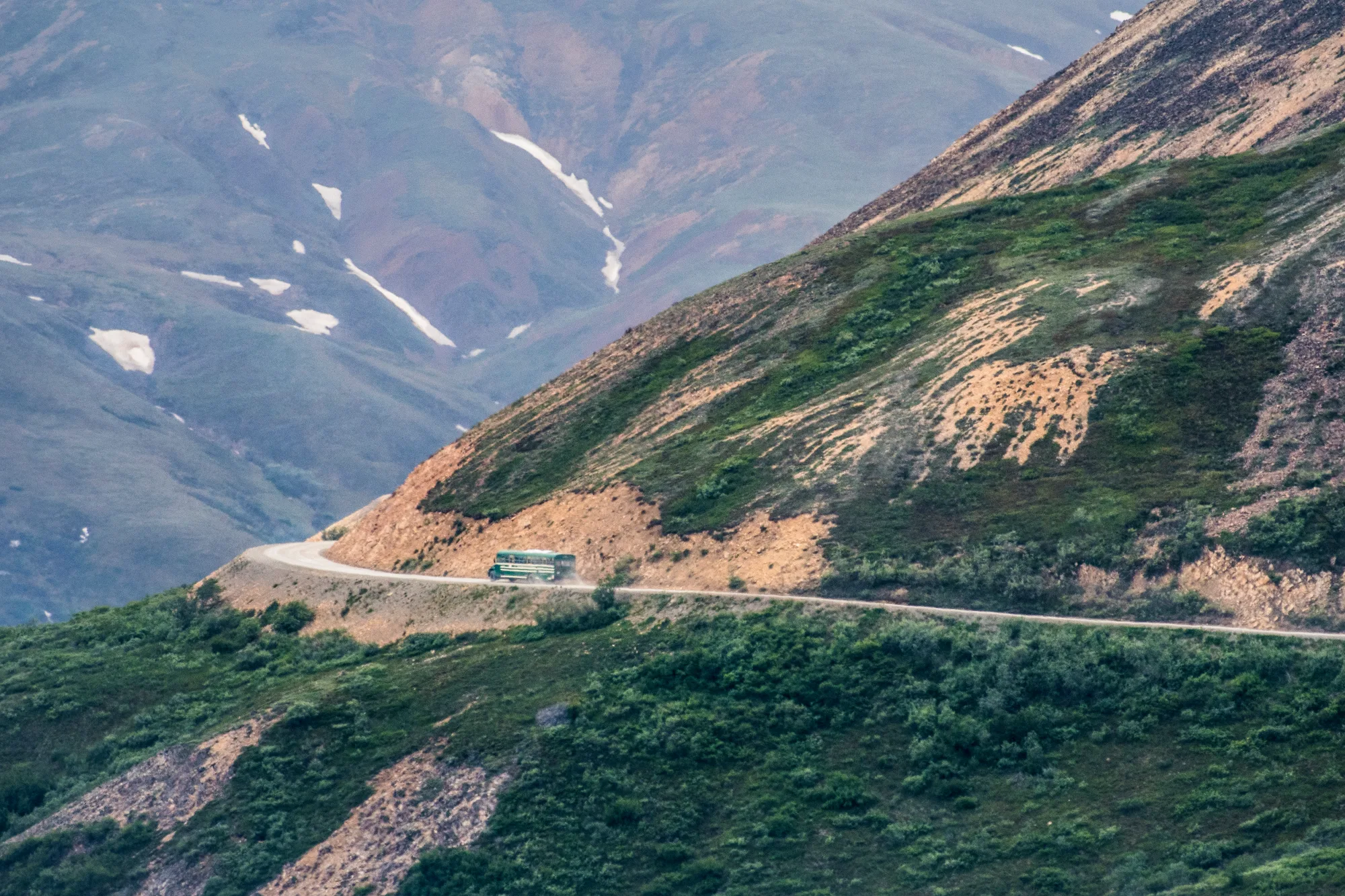
The Denali Park Road reaches into a landscape much larger than most visitors can see in a day. In the summer season, ordinary private-vehicle access generally ends at the Savage River checkpoint around mile 15; beyond that point, most travelers use park buses. Check the specific bus options and your reservation details, because narrated tours and transit buses offer different experiences.
The road’s status deserves particular attention. The Pretty Rocks landslide interrupted access to the western part of the park road in 2021. The National Park Service announced that the bridge over the slide was complete in September 2026 and said public bus service to the west end was expected to resume for the 2027 visitor season. That is an expectation, not a guarantee: check the park’s latest road and bus updates before planning around a particular destination.
Reserve a bus that matches the time you can spend sitting and the interests of your group. Bring water, snacks, and layers, and ask about accessibility and restroom stops when booking. Wildlife can appear anywhere or nowhere; binoculars help you enjoy distant animals without pressuring them.
3. Explore the Savage River Area
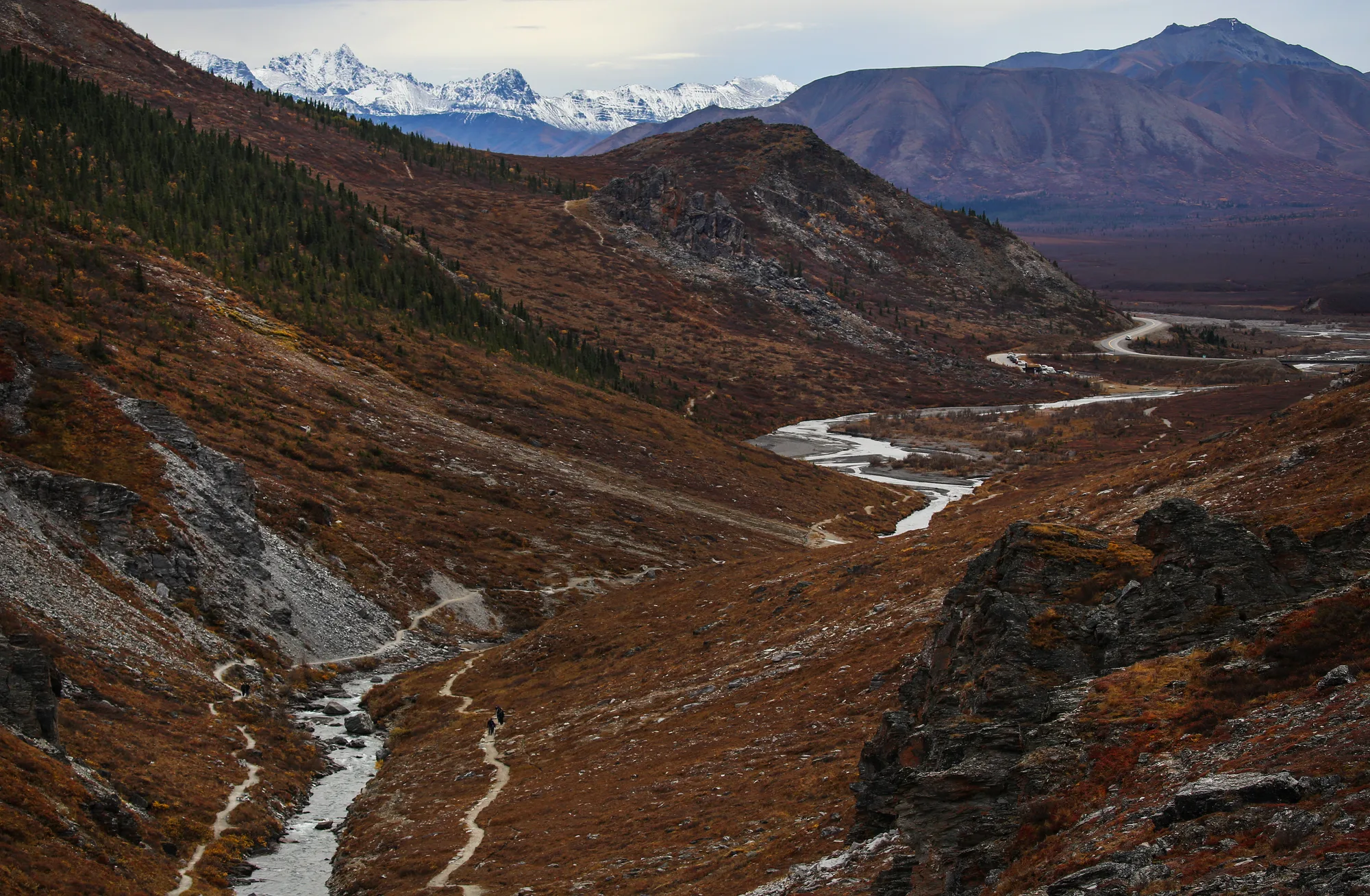
The Savage River area offers a way to experience the park landscape without planning an excursion to the road’s far end. The river runs between mountain slopes, and the loop trail follows the water through open country. A free shuttle may serve the area during the operating season, while private vehicles can normally reach the checkpoint when the road is open.
Before walking, check the trail’s current status, distance, and conditions with the park. Weather can shift quickly, and seasonal road opening dates vary. Carry rain protection and water, stay on open routes, and allow more time than the mileage alone suggests if your group wants to stop for photographs or scan the slopes.
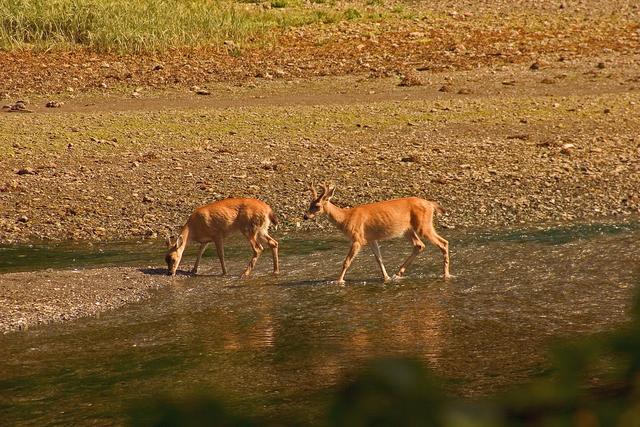
Wildlife can be close to trails and parking areas. Do not approach animals for a better view. The park directs visitors to stay at least 300 yards from bears and 25 yards from other animals, dens, and nests; give them additional room if your presence changes their behavior.
4. Meet Denali’s Working Sled Dogs
Denali’s kennels introduce a different part of park life: sled dogs continue to help rangers travel and work in winter. During the summer season, ranger-led demonstrations show how the dogs and their handlers work together and offer a chance to learn about a traditional form of Alaska travel.
The park recommends using the dedicated demonstration shuttle from the visitor center or walking to the kennels, where public parking is limited. Check the current schedule and arrive early enough to make the connection. Demonstrations are seasonal, and winter kennel visits can look different because teams may be out working.
As with any animal program, follow the posted instructions and staff guidance. The experience is a reminder that Denali is not only a landscape to look at from a window; it is also a place that requires people and animals to work together through very different seasons.
5. Leave Space for Weather and the Unexpected
Trying to schedule every hour around a view of the summit can make a visit less enjoyable. A bus ride, a short trail, and the kennels already make a full itinerary, especially if you also need time for meals, transfers, and a conversation with a ranger. If your schedule permits, a second day offers more flexibility when the weather or a transportation connection changes.
Before departure, consult the National Park Service’s current conditions, Pretty Rocks bridge update, kennel visit information, and wildlife-safety rules. Recheck your reservations and road conditions close to the trip, particularly during the shoulder seasons.