Katmai is famous for brown bears, but a very different landscape waits beyond Brooks Camp. The Valley of Ten Thousand Smokes is a vast volcanic valley created by a 1912 eruption, where ash, deep river cuts, and distant mountains reveal the force that reshaped this part of Alaska.
There is no ordinary highway to the valley from Anchorage. Reaching it usually begins with a flight or boat trip to Brooks Camp, followed by a seasonal guided bus excursion. For travelers willing to build their itinerary around that journey, the valley offers a memorable look at a side of Katmai that many bear-watchers never see.
1. Understand the Eruption That Changed the Valley
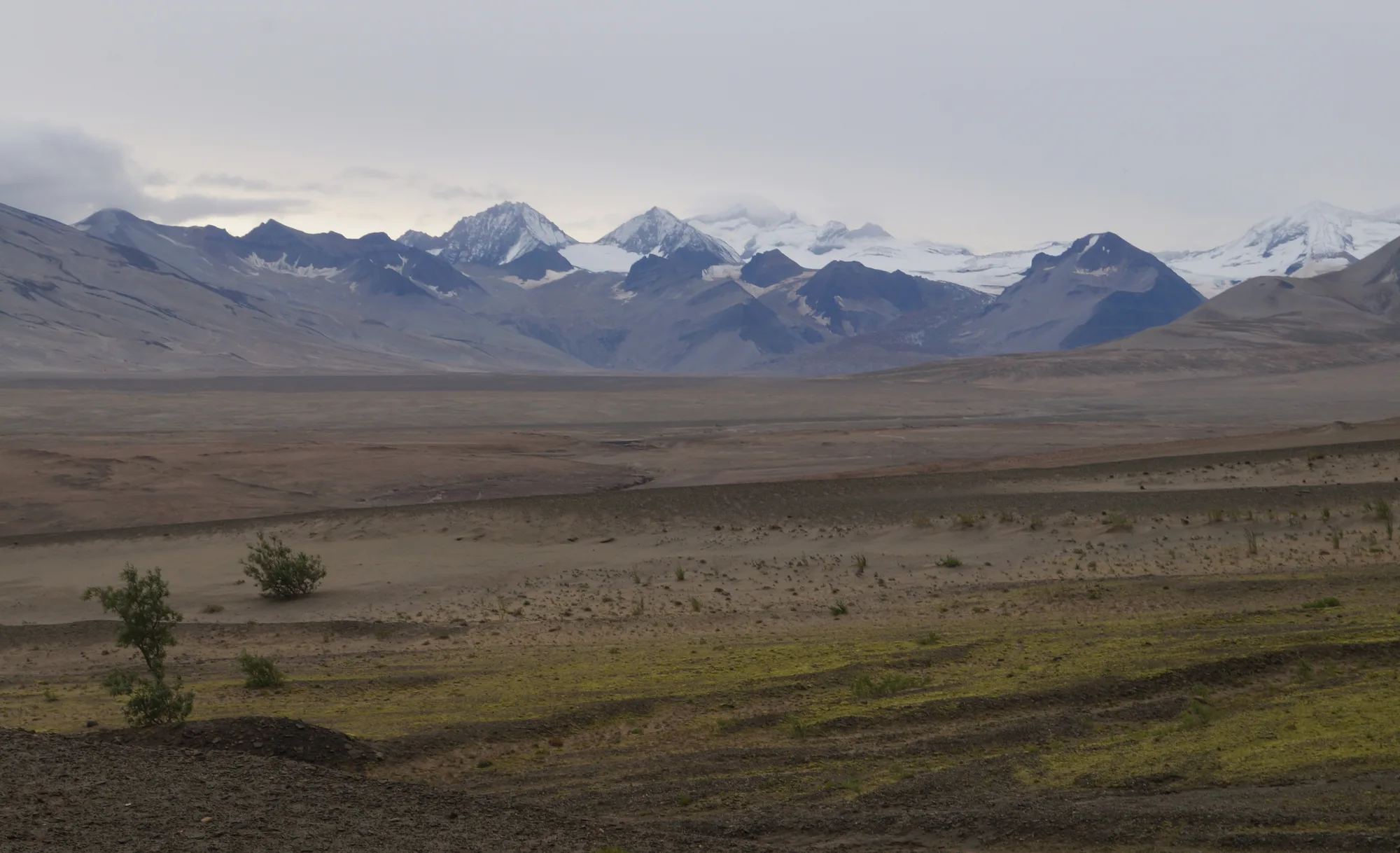
On June 6, 1912, the Novarupta eruption began in what is now Katmai National Park and Preserve. The National Park Service describes it as the largest volcanic eruption of the twentieth century. For roughly 60 hours, ash and volcanic material transformed the surrounding landscape, filling the former Ukak River valley.
When explorers later traveled into the area, thousands of steaming openings called fumaroles inspired the name “Valley of Ten Thousand Smokes.” The name tells a historical story: visitors should not expect to see thousands of smoking vents today. The exposed valley, rivers, and mountains still offer a chance to understand the scale of the eruption and how water continues to cut through the deposits it left behind.
The visitor experience is as much about perspective as a single landmark. A guide can help explain why a seemingly empty expanse is a record of dramatic geological change. The National Park Service established the area’s predecessor, Katmai National Monument, in part to protect and study this volcanic landscape.
2. Start Your Journey at Brooks Camp
Brooks Camp is the departure point for the guided valley trip, but first you have to reach Brooks Camp. Katmai is not connected to Alaska’s highway system. Visitors generally travel by small plane or boat, often arranging connections through King Salmon, and schedules can be affected by weather.
Before booking, compare the arrival and departure times of your flight or boat with the bus tour’s schedule. A short bear-viewing day trip may not leave enough time for a valley excursion that takes most of a day. If you want to experience both, consider an overnight stay and reserve transportation, lodging or camping, and the tour as a coordinated plan.
Brooks Camp is bear country. Visitors must complete the park’s bear-safety orientation and follow its food-storage rules and ranger instructions. Bears move through the area, including near developed facilities; allow extra time when an animal’s presence affects travel between places.
3. Take the Guided Bus Into the Valley
The park describes the guided Valley of Ten Thousand Smokes excursion as a roughly seven-hour trip. It begins at Brooks Camp, where a ranger introduces the journey, and follows the approximately 23-mile gravel valley road. The guided tour is offered for a fee and requires advance reservations with the park concessionaire.
Unlike a drive you can improvise in your own rental car, this outing runs on a schedule and depends on seasonal operation. Confirm dates, current fares, cancellation terms, and the time you need to return to Brooks Camp. Weather, road conditions, staffing, and transportation connections can affect plans.
The National Park Service says the tour bus is accessible, but the trip follows a rough gravel road and restroom opportunities are limited along the route. Ask the operator about your specific mobility and accessibility needs before reserving. Pack layers, rain protection, water, and whatever food the operator and park say is permitted, keeping bear-safety rules in mind.
4. Consider the Optional Hike
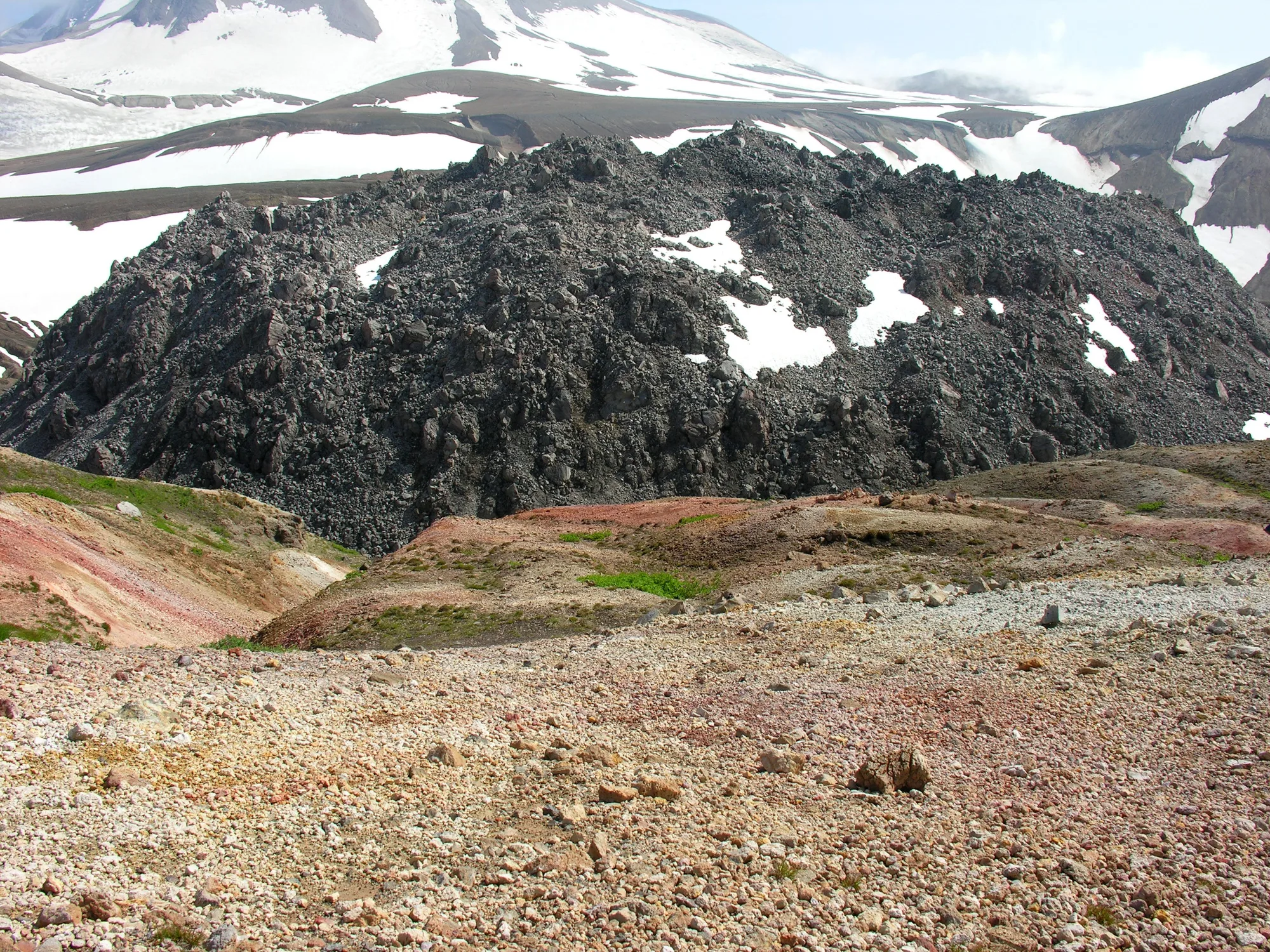
The guided excursion includes an optional descent toward the valley floor. The National Park Service lists that hike as approximately 3.4 miles round trip with about 1,000 feet of elevation change. The route goes downhill first and climbs continuously on the return, so the harder portion comes after you have already spent time on your feet.
Hiking is not necessary to appreciate the trip: ask the operator what options are available for anyone who stays with the bus or visits the overlook. If you do hike, wear sturdy footwear and prepare for exposed terrain and changing weather. Ask the guide about current conditions and let them know about concerns before starting.
The Novarupta lava dome pictured here is part of the wider volcanic landscape, not a promise that the ordinary guided bus trip visits the dome itself. Independent backcountry travel in the valley involves additional hazards, including difficult stream crossings and limited reliable water. It requires its own preparation and consultation with the park.
5. Leave Time for the Rest of Katmai
A valley trip and a Brooks River bear-viewing visit can complement each other beautifully, but they compete for time. At Brooks Falls, popular viewing platforms can fill; the park may use a waiting list and time limits when demand is high. If both experiences matter to you, check the rules and build in a buffer instead of counting on a tightly timed connection.
Camping and lodge stays at Brooks Camp require separate arrangements. Availability can be limited, and the park’s services and visitor facilities operate seasonally. The best itinerary may be the one that leaves an extra day for weather rather than trying to fit every activity into one perfect afternoon.
Before travel, review the National Park Service’s guided valley tour information, backcountry guidance, and Brooks Camp bear-safety instructions. Reconfirm all reservations and current conditions close to your departure.