Arizona's scenery can dominate a travel itinerary. But a furnished house, a working trading post, or the remains of a mission can change how you understand the landscape around it. These places bring the focus closer: to a household, a community, a trade, or the decisions that shaped daily life.
The six destinations here offer different kinds of history visits. Some preserve original structures; others use exhibits and reconstructed spaces to help visitors understand what stood there before. That distinction matters. A building can be worth exploring without every wall being centuries old, and a historic place can still be part of a living community.
Use this list to choose an addition to a regional trip rather than attempting one continuous day of driving. Flagstaff, Ganado, Yuma, Tucson, and the Santa Cruz Valley are spread across the state. Start with where you will actually be, then reserve enough time for the experience that interests you. A scheduled tour deserves space in the day, not a hopeful arrival five minutes before departure.
1. Riordan Mansion — Flagstaff
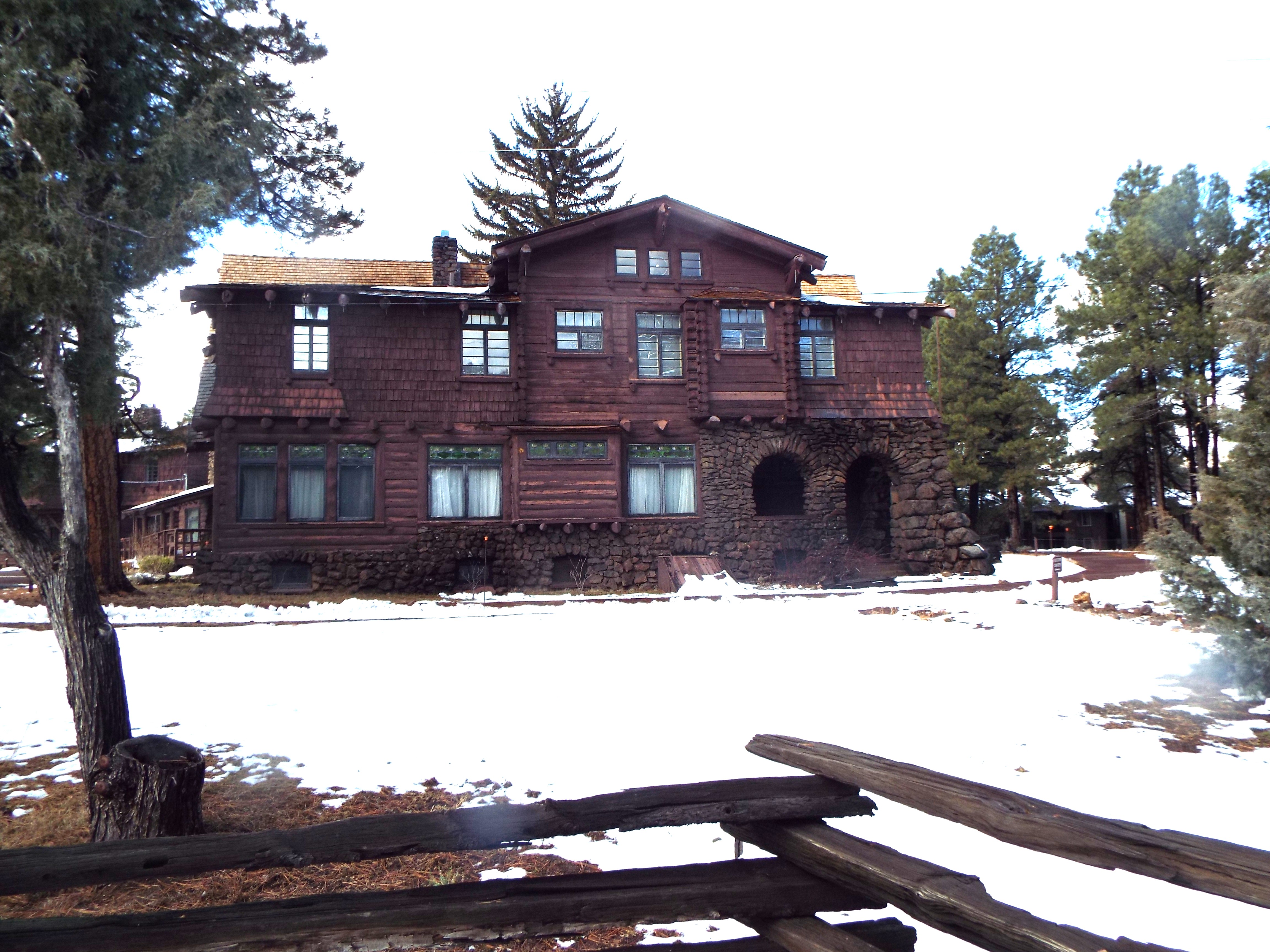
Riordan Mansion tells a Flagstaff story built around lumber, family, and the comfort that business success could buy. The 1904 property was designed as two connected homes for the Riordan brothers and their families, with a shared room between them. That arrangement makes it more interesting than simply counting the rooms in a large house.
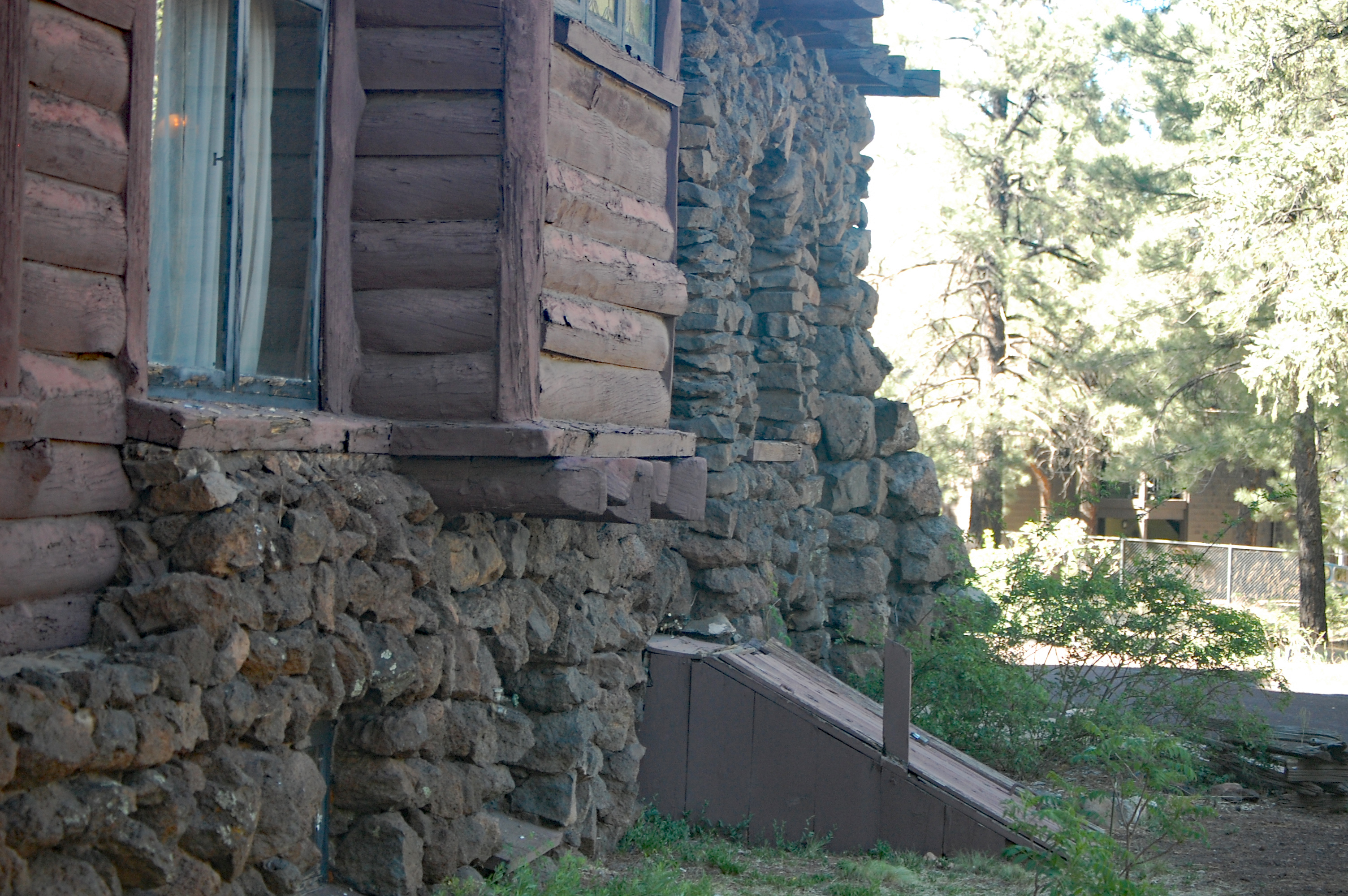
Architect Charles Whittlesey used an Arts and Crafts approach, with local ponderosa pine and volcanic stone among the materials. The home incorporated electricity, indoor plumbing, and central heat. Those details are worth noticing together: a rustic appearance did not mean a household without modern conveniences. Ask how the layout served both private family life and the connection between the two homes.
Interior access is by guided tour, so choose a departure before treating the mansion as a flexible walk-in stop. Regular park admission does not include the interior; a guided-tour ticket includes park entry. The Arizona tourism office describes an approximately one-hour visit inside. Confirm the current park schedule and reservation process directly, especially outside the busiest travel months. For visitors interested in architecture, furnishings, or the growth of Flagstaff, the house provides a focused subject for an afternoon. The useful question is not only how wealthy residents lived, but how their work connected the household to the town beyond its grounds.
2. Hubbell Trading Post — Ganado
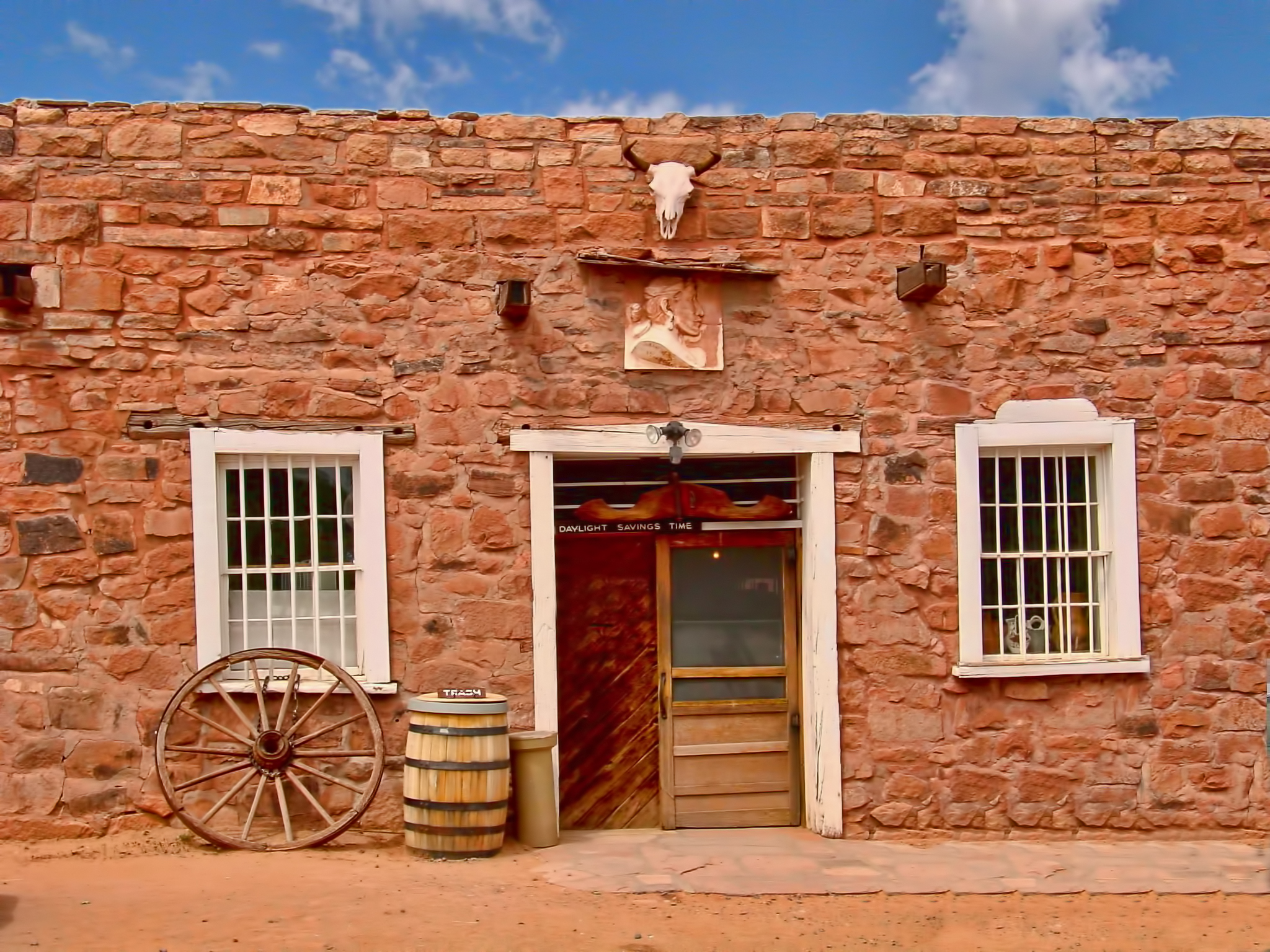
Hubbell is a historic site with an important present tense. The trading post continues to operate, so the visit is not limited to looking at objects removed from their original setting. It also takes place within the Navajo Nation, where the surrounding community is much more than a backdrop to a travel photograph.
Begin at the National Park Service visitor center for interpretation and information about the day's opportunities. The site includes the trading post and homestead, and ranger-led access to the Hubbell home may be available. Exhibits and activities introduce weaving and the history of the post. Ask what is happening during your visit rather than expecting a demonstration or a transaction to occur on demand.
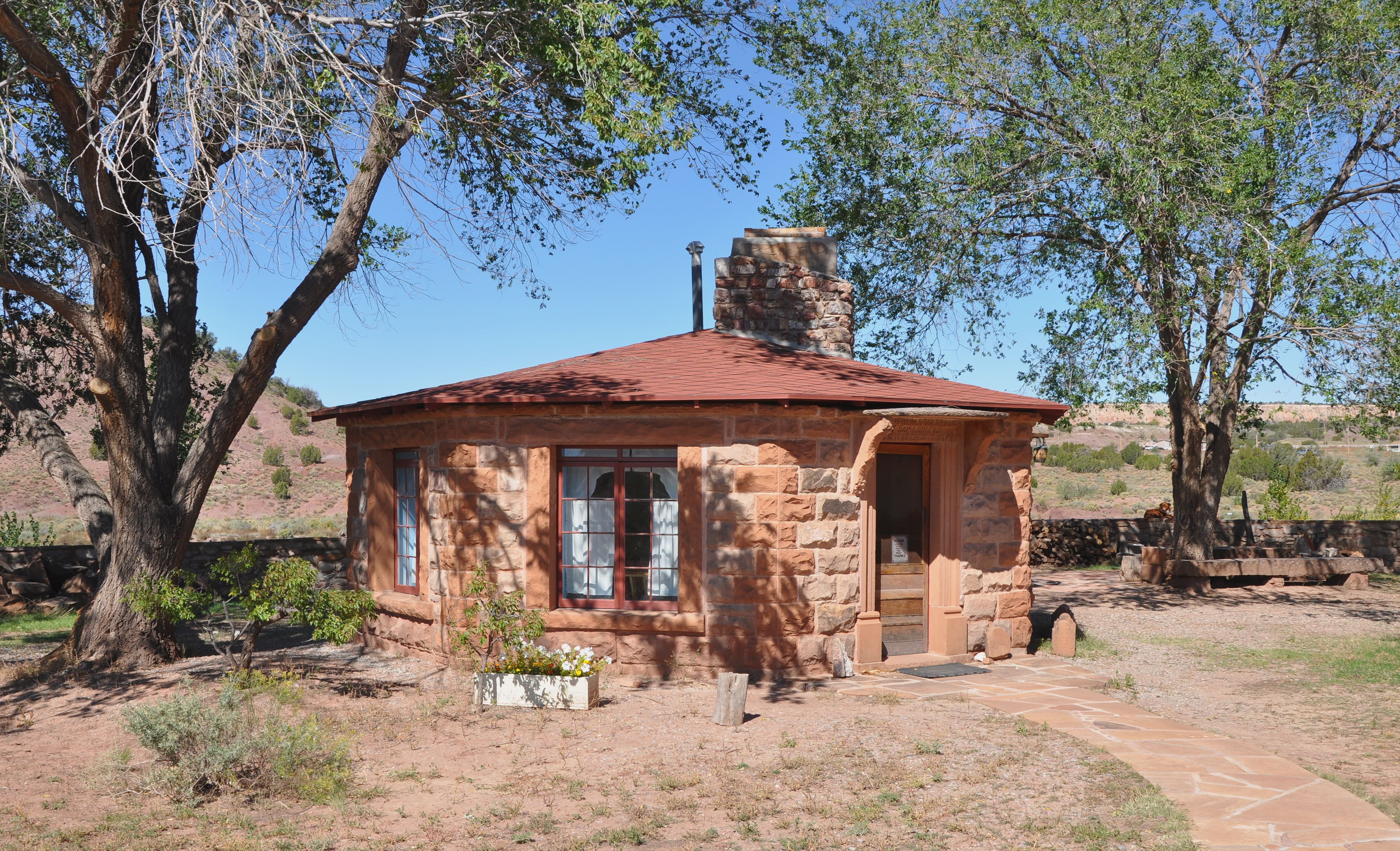
Check the local time carefully when arranging your day. The Navajo Nation observes daylight saving time, while most of Arizona does not. During the daylight-saving portion of the year, Ganado is an hour ahead of Flagstaff; the difference does not apply year-round. A phone or vehicle clock is worth checking against the site's local hours before relying on it. Allow time to browse respectfully, learn about the goods and their makers, and ask permission before photographing people. This is a stop where a slower pace should include consideration for everyone using the space.
3. Yuma Territorial Prison — Yuma
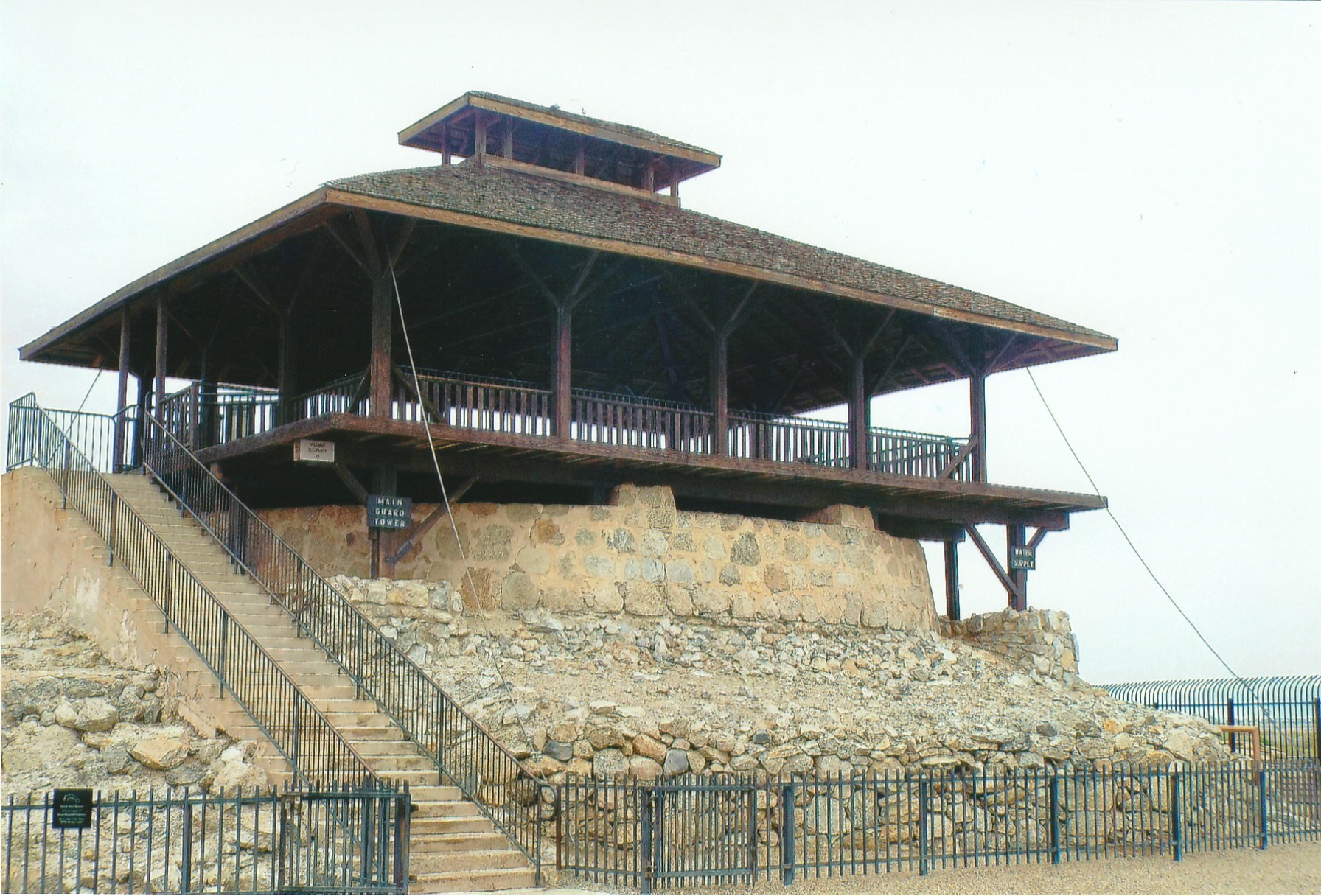
The prison's surviving cells give Yuma's history a very different physical setting from a house museum or a garden. The attraction includes cell blocks, a museum, a guard tower, and the Dark Cell. The buildings invite questions about confinement and daily conditions, not just the dramatic reputations of individual prisoners.
The museum dates the prison's construction to 1876. Its exhibits and guided offerings provide context for the spaces visitors can enter today. Begin with that interpretation before treating the cell block as a series of photo opportunities. A guide can help separate the documented history from the stories and imagery that have accumulated around an Old West prison.
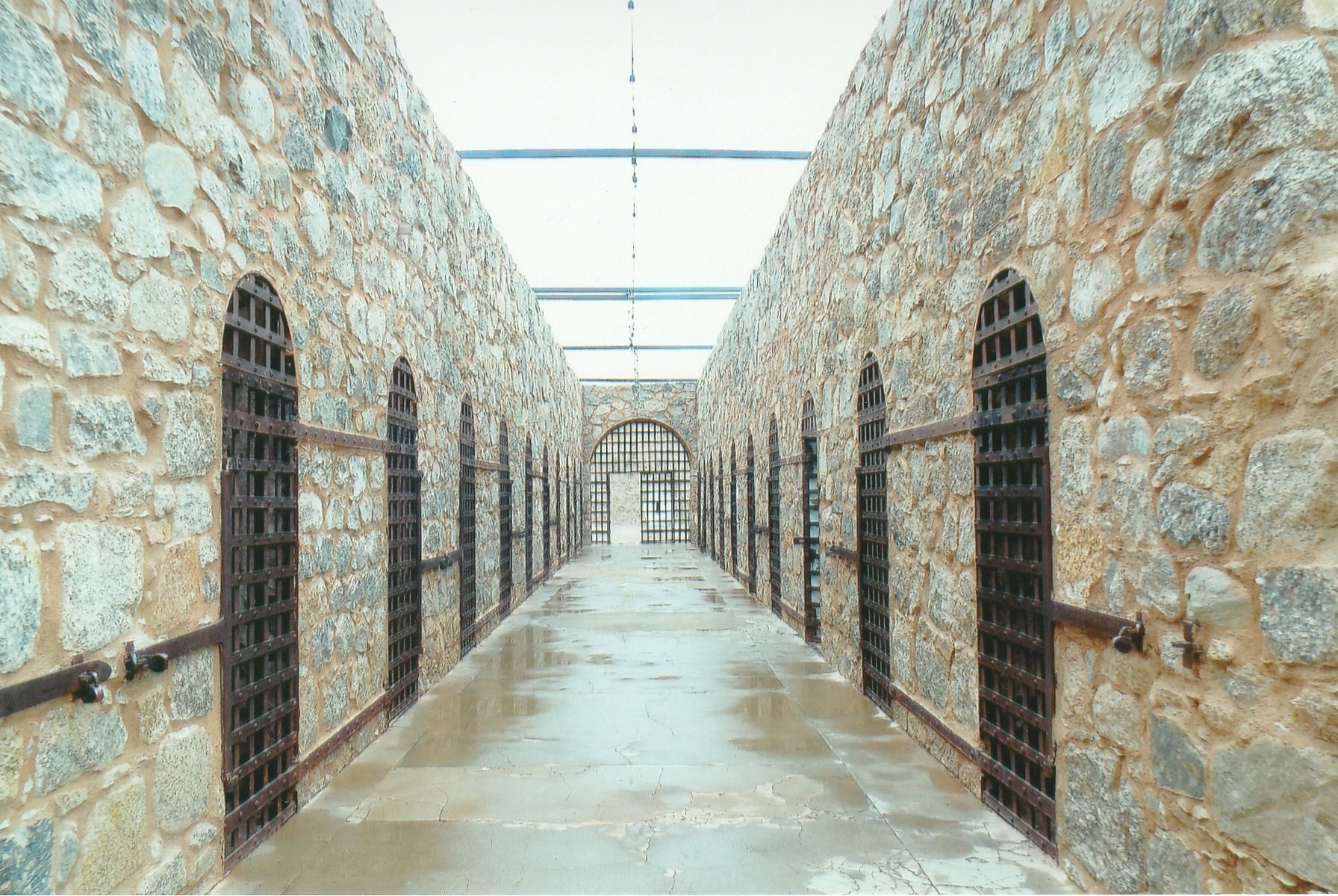
The guard tower's view connects the site with the Colorado River and the wider city. It is a useful change of scale after looking closely at the cells: the prison occupied a particular place within a larger community and landscape. Check the current tour schedule and admission information, and plan for time outside as well as in the museum. With children, read the description of the exhibits beforehand and decide which spaces suit their interests and comfort. There is no requirement to turn every room into a challenge; a thoughtful visit can leave some features for another time.
4. Tubac Presidio State Historic Park and Museum — Tubac
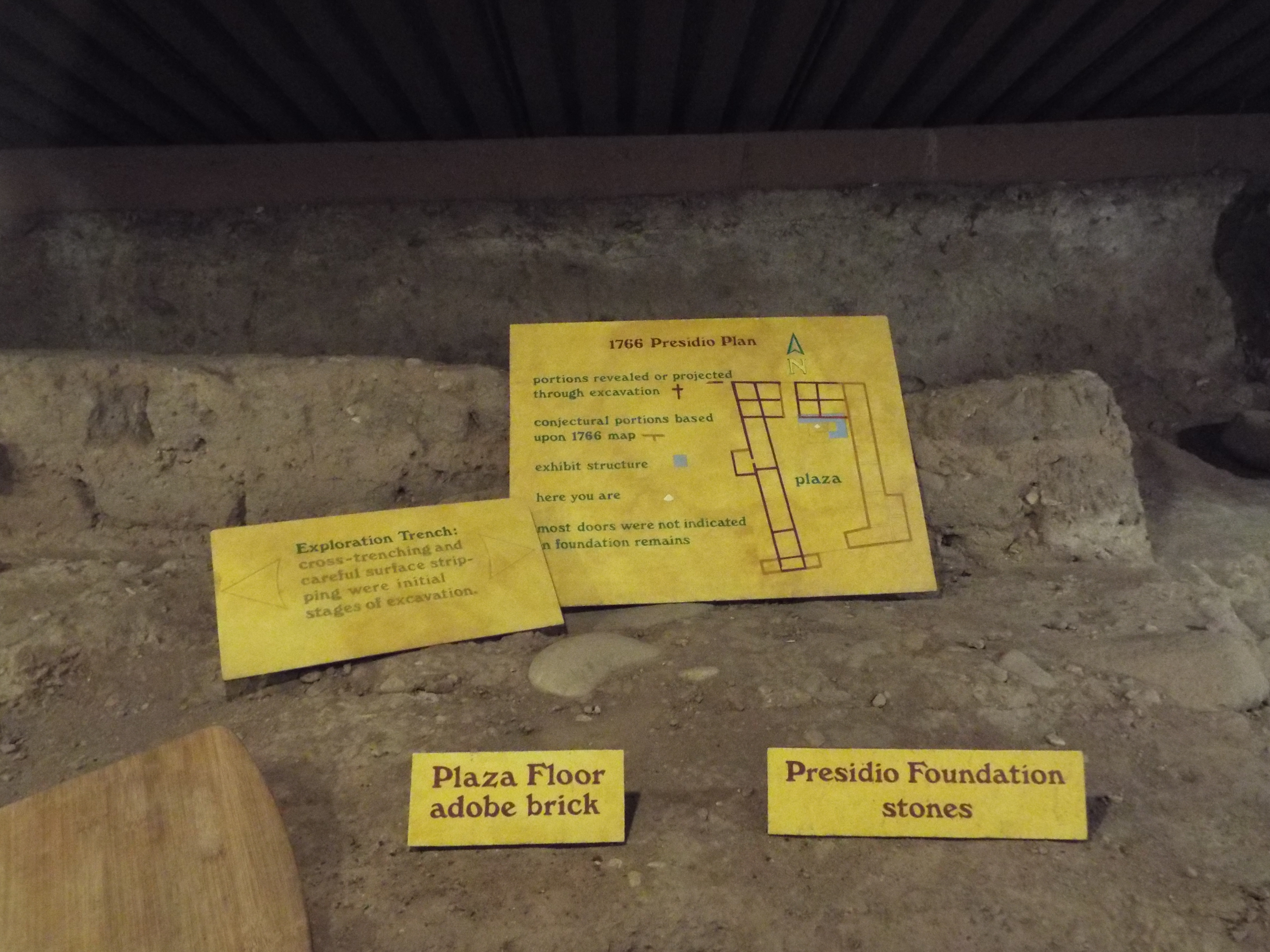
Tubac's museum offers more than one route into the past. An archaeological exhibit reveals layers uncovered beneath the site, while other displays look at printing, tools, food, and the people of the Santa Cruz Valley. That variety makes it useful for travelers whose interest in history begins with ordinary activities rather than military dates.
One standout object is the 1859 Washington Press, which printed Arizona's first newspaper. The museum says it remains operational. Another important stop is the Ancestral O'odham exhibit, developed with Tohono O'odham cultural leaders. These are different kinds of evidence: a machine can show how information was produced, while an exhibition can help visitors understand a community's history and continuing perspective.
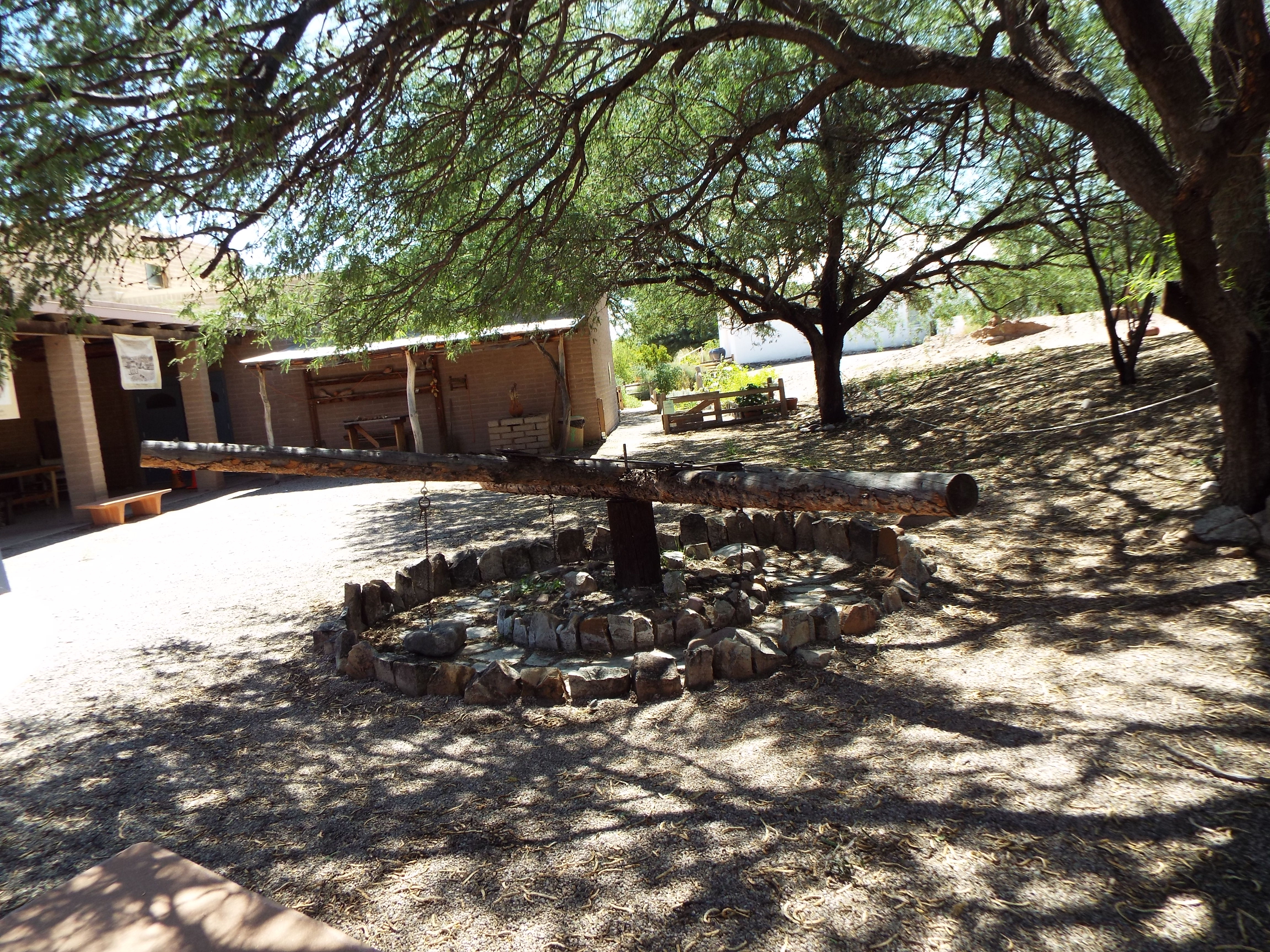
Check the current opening days and last-entry time before adding the museum to an afternoon. Its posted schedule closes on Mondays, and entry ends an hour before closing. The underground exhibit requires stairs; staff can provide photographs and artifact examples for visitors who cannot use them. Give the schoolhouse and other displays time rather than focusing only on the excavation. The value of the stop lies in seeing several parts of local life together, and in recognizing that the town's history extends beyond the presidio itself.
5. Tumacácori National Historical Park — Santa Cruz Valley
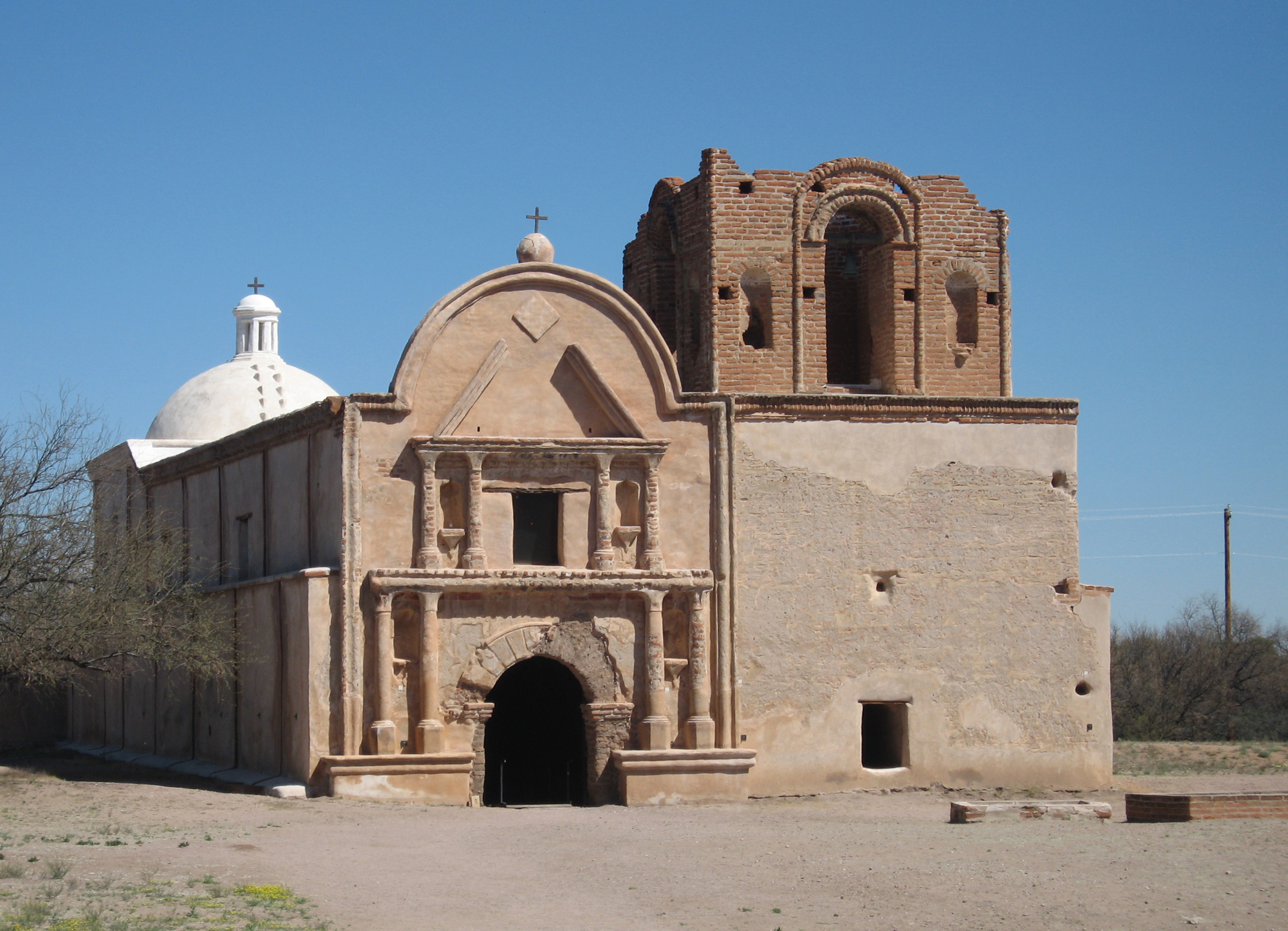
The mission church is the image many visitors recognize first, but Tumacácori is easier to understand when you explore beyond its façade. The National Park Service interprets a larger community, including agriculture, water, daily work, and the O'odham village that existed before the mission.
Enter through the visitor center and use the self-guided material to connect the church with the surrounding grounds. The museum includes objects such as original wooden saints from the church, while the grounds introduce features including the orchard and irrigation system. Look for the relationship between places: a religious building, a cultivated landscape, and the water needed to sustain people and crops were not separate stories.
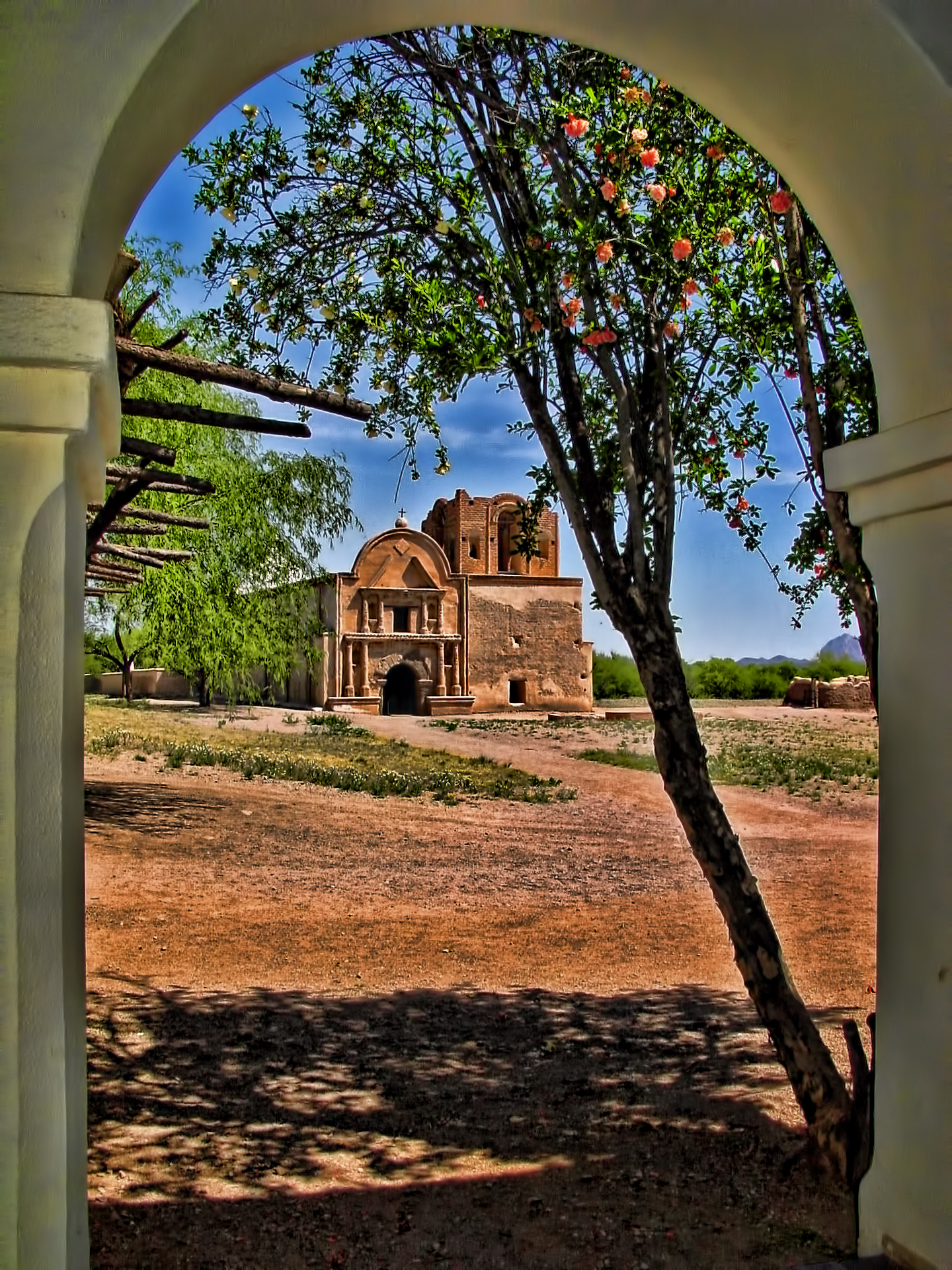
The visitor center is itself worth attention. Its design drew on architectural research in northern Sonora during the 1930s, and its construction belongs to the New Deal period rather than the mission's earliest years. That makes it another layer of the site's history. Check current access and guided-tour arrangements before arriving, particularly if you hope to visit the separate Guevavi or Calabazas sites. Those are not simply additional buildings to wander into during an ordinary visit to the main grounds. Plan the experience you want, then leave time for the museum as well as the church.
6. Presidio San Agustín del Tucson Museum — Tucson
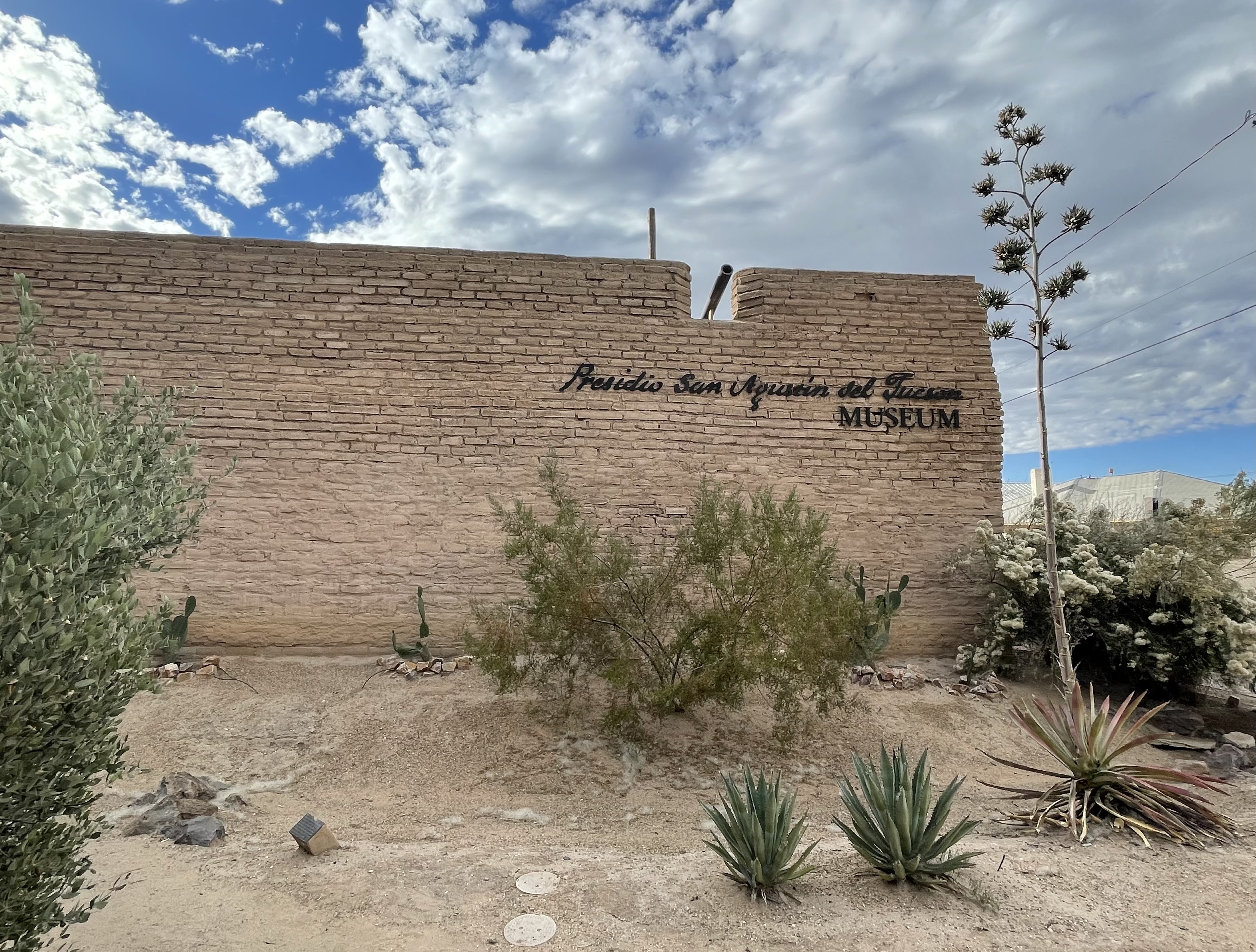
In Tucson, a history stop can fit within a city visit without becoming a long excursion into the countryside. The Presidio Museum offers self-guided exploration, docent-led visits, demonstrations, and a wider program of walking tours and workshops. The choice of format can make a real difference to the day.
Start by deciding whether you want to explore the museum itself or join an activity that takes you farther into the city. A walking tour has its own meeting time and route; it should not be treated as something automatically included whenever you arrive at the museum. Check the daily program, especially if a demonstration is the main reason for your visit. A specific activity can give a family or mixed-interest group a shared starting point.
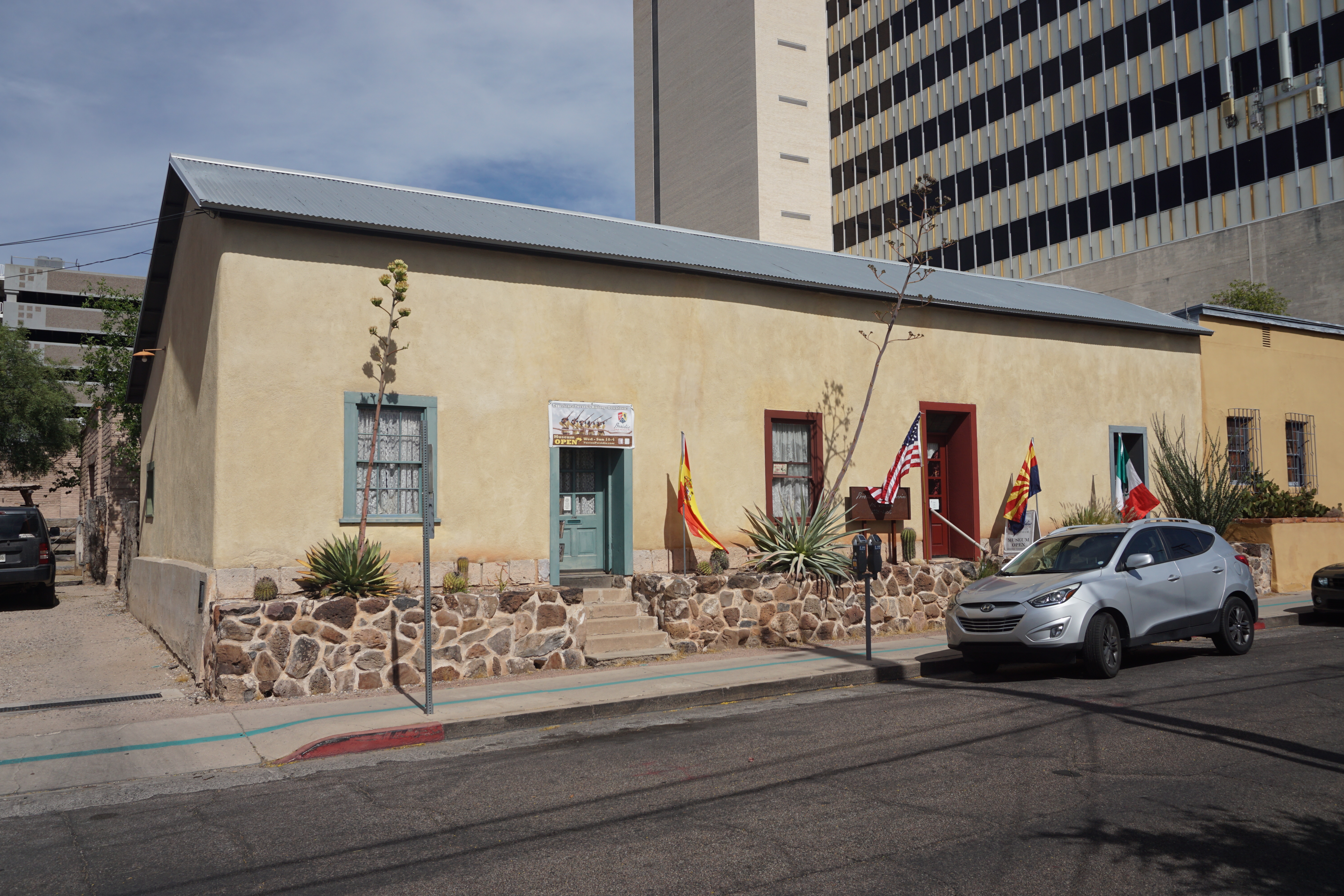
The museum's operating schedule changes substantially through the year, including a summer closure period. Its current winter schedule covers Tuesday through Sunday, but verify the dates and holiday exceptions for your trip rather than carrying those hours into another season. Allow time for parking and orientation at the Court Avenue location. A compact urban setting can tempt visitors to hurry, yet the best use of this stop is to pause and ask how the city around you developed. Let the museum supply questions for the rest of your Tucson walk.
Choose a Story, Then Plan the Visit
For architecture and household history, begin with Riordan Mansion. For a trading post that still functions within its community, consider Hubbell. Yuma offers a sharply different institutional setting, while Tubac, Tumacácori, and the Tucson Presidio provide several ways into southern Arizona's history.
Before leaving, confirm the distinction between general admission and the particular experience you want. A house tour, an off-site mission visit, and a city walking tour may each require separate arrangements. Check both the opening time and last admission; they are not always close together. If the day involves several stops, make the scheduled activity the anchor and leave the rest flexible.
The most useful souvenir may be a more precise question. Who built this place? Who worked here? What was preserved, reconstructed, or left out? Arizona's historic sites can reward that curiosity with something a view alone cannot provide: a closer understanding of the people whose lives gave the landscape its stories.