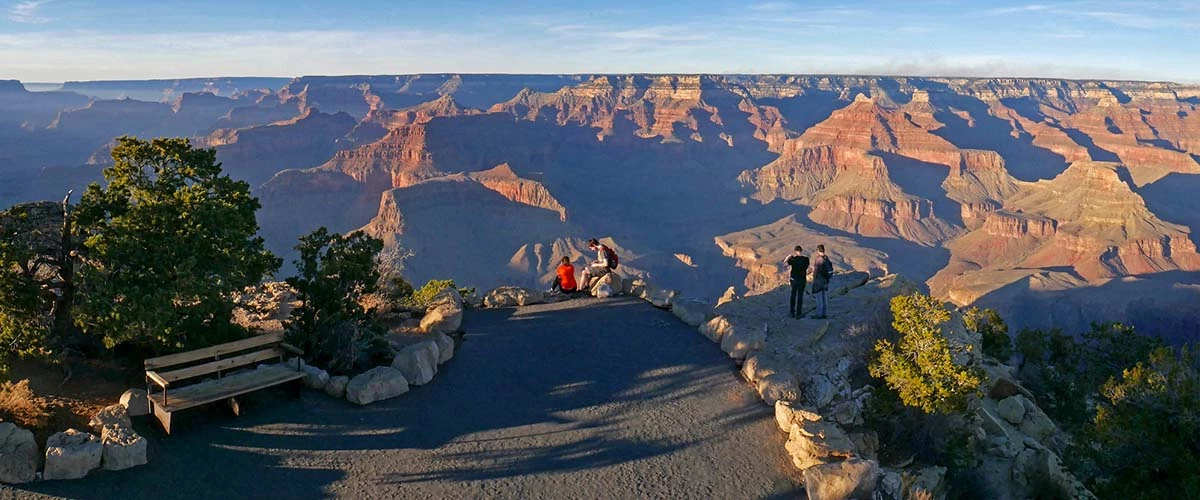
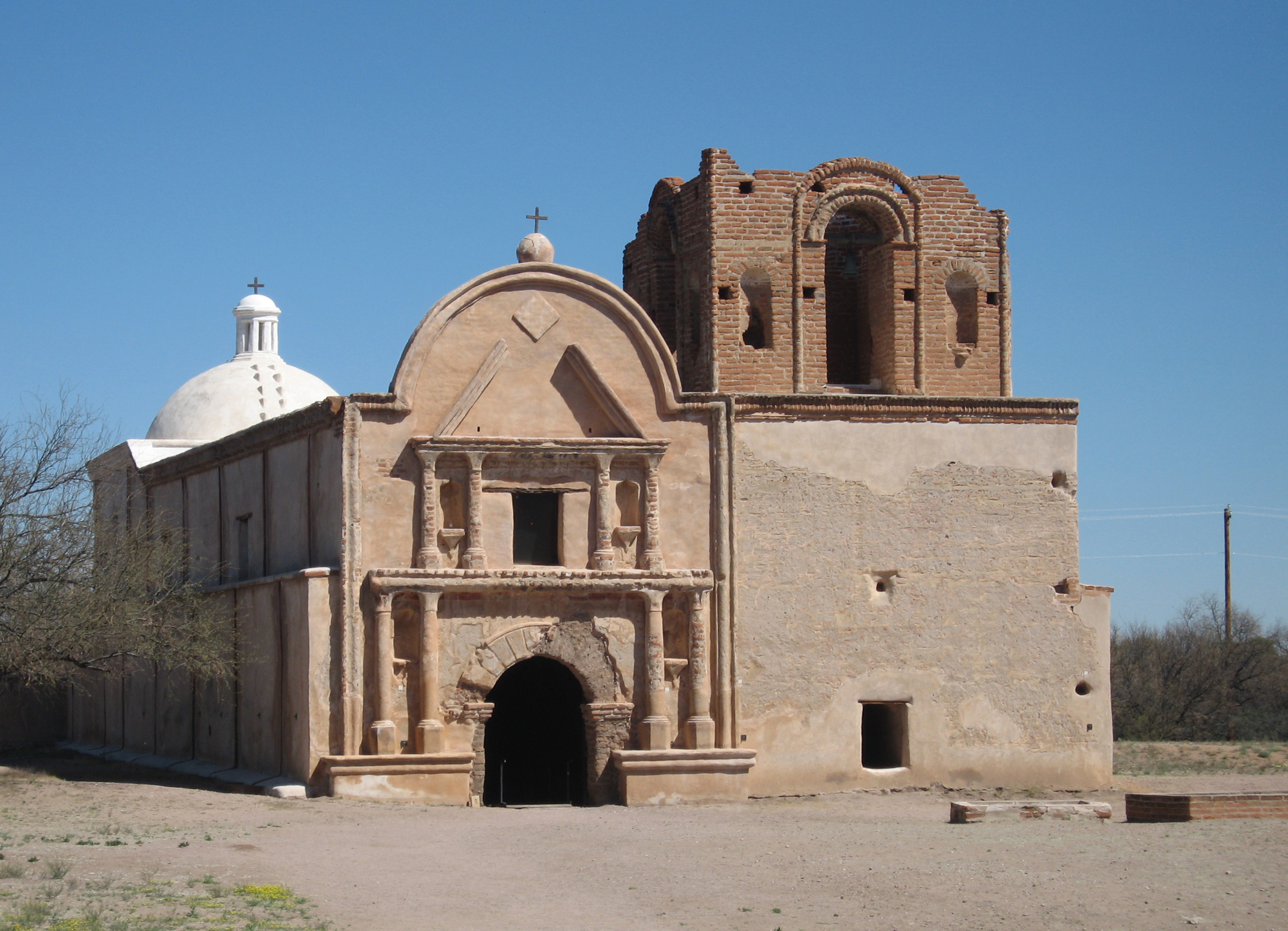
Arizona has a way of making a familiar word like “desert” feel too small. One morning might begin beneath the towering Superstition Mountains, while another takes you into a humid cave, beside a lake filled with birdsong or under a natural bridge formed from travertine. These seven state parks are spread across the state, so think of them as separate ideas for day trips and weekends rather than stops on one quick loop.
Some offer easy ways to enjoy the landscape, while others include difficult trails or guided tours that require planning. Check current weather, access, fees and reservations before you leave, and choose an outing that suits everyone in your group.
1. Lost Dutchman: Desert Trails Beneath the Superstitions

The Superstition Mountains rise abruptly behind Lost Dutchman State Park near Apache Junction, giving even a short visit a remarkable backdrop. Saguaros and other desert plants frame the mountain wall, and the light changes as the day moves from morning to evening. You do not have to aim for the highest point to appreciate the setting: a picnic or a walk on an easier park trail can make the trip worthwhile.
Those considering the Siphon Draw area should review the route carefully. The trail toward the basin is demanding, and the route beyond it toward Flatiron is considerably more difficult. Steep terrain, loose rock and heat make this a poor choice for an unprepared group. Review official trail information, carry plenty of water and turn around if conditions or your energy change.

The park also has camping and mountain-bike opportunities. Reservations and rules can change, so check the park before making it your overnight base. Even a short desert walk feels very different in mild weather than it does in summer heat.
2. Tonto Natural Bridge: Look Down Into a Hidden Canyon

Near Payson, Tonto Natural Bridge State Park protects a remarkable travertine formation spanning Pine Creek. From the rim, visitors can look across a green canyon and begin to understand the size of the bridge. The Friends of Tonto Natural Bridge describe four viewpoints reached from paths above the canyon, making the scenery accessible without assuming everyone in the group wants to descend.
For a closer look, trails lead into the canyon, but the descent is a different undertaking from a stop at a viewpoint. Surfaces can be steep, uneven and slippery, especially near water. Review the current trail status and allow enough time to climb back out before paths close. Wear appropriate footwear and keep children close on exposed or wet sections.

Historic Goodfellow Lodge and the meadow above the bridge add another reason to linger. Check current building access and visitor information before going; a visit can be satisfying even if a particular trail or facility is unavailable.
3. Kartchner Caverns: Step Into a Living Cave

South of Benson, Kartchner Caverns State Park offers an experience that feels very far from the bright desert above. Guided tours enter a limestone cave whose delicate formations are still shaped by water. Visitors pass through protective systems designed to help preserve the cave environment; the rules around what may be carried inside are part of that protection.
The Rotunda/Throne tour introduces visitors to formations including a huge column known as Kubla Khan. Tour options, age requirements, accessibility and availability differ, so read the current descriptions and book ahead when possible. Rather than assuming every route works for every visitor, contact the park if your group has mobility or sensory needs.
The Discovery Center provides context about the cave's discovery and preservation. Above ground, the park has trails and camping opportunities, but the cave tour remains the central attraction for many visitors. Arrive with time to check in and follow staff instructions about belongings, photography and staying with the group.
4. Catalina: A Mountain Backdrop North of Tucson

At the foot of the Santa Catalina Mountains, Catalina State Park brings desert vegetation, mountain views and a network of trails within reach of Tucson. It is a good place to notice how quickly the mood of the Sonoran Desert changes with the season: a cool morning can invite a walk, while summer heat calls for a much more conservative plan.
Choose a route after reviewing the park map and current conditions. Some paths provide a gentler introduction to the foothills; longer hikes gain elevation and require substantially more preparation. Washes and stream crossings can be affected by rain, and water in the desert should never be assumed safe to cross or drink.

Bring water, sun protection and sturdy footwear, and let someone know your route. If the forecast calls for dangerous heat or thunderstorms, change plans. The mountains are beautiful from the campground and picnic areas too, so a shorter visit need not feel like a compromise.
5. Picacho Peak: A Dramatic Landmark Between Phoenix and Tucson

Picacho Peak is one of those landmarks that makes drivers look up from the highway. The distinctive mountain rises above the desert near Interstate 10, and Picacho Peak State Park offers a closer look at its slopes, cactus and seasonal wildflowers. Flowers vary greatly from year to year, depending on rain and temperature, so check recent reports without assuming a particular display will be waiting.
The summit routes are strenuous and include steep sections where cables assist hikers. They are not casual nature walks. Review the park's descriptions, know your limits and avoid exposed hiking during dangerous heat. A shorter trail or a picnic below the peak can be a rewarding alternative for families or anyone who prefers to keep both feet on gentler ground.

If you stay after a walk, watch how the outline of the peak changes against the evening sky. Check closing times and leave trails before dark unless the park specifically permits otherwise. Bring more water than you think you will need and do not rely on shade.
6. Slide Rock: Oak Creek, Red Rock and an Old Orchard

North of Sedona in Oak Creek Canyon, Slide Rock State Park combines a creekside swimming area with the story of a historic orchard. The natural sandstone chute is the famous attraction, but visitors can also appreciate the canyon scenery, learn about the Pendley Homestead or find a picnic spot away from the busiest part of the water.
The creek bottom and rocks can be very slippery, and the cold water, current and changing conditions make the slide unsuitable for some visitors. Check current water quality, weather, swimming status and park rules before entering. Keep children within reach, wear footwear appropriate for wet rock and avoid going into the creek during unsafe conditions. The park map notes that the swimming area closes before the park itself.

This is a popular destination, particularly during warm weather, and parking capacity is limited. Arrive with a backup plan rather than parking along the road where prohibited. A scenic drive through Oak Creek Canyon or another planned stop can save the day if the park is full.
7. Patagonia Lake: A Southern Arizona Stop for Birds and Water Views

Patagonia Lake State Park, between Patagonia and Nogales, offers a different kind of desert landscape: a lake edged by hills, vegetation and places to watch for birds. Bring binoculars and give yourself time to look and listen. Bird activity shifts with season and conditions, and even without a particular sighting the water and surrounding hills make a pleasant setting for an unhurried visit.
The park offers camping, boating and shoreline recreation, with facilities and rules that can change. Check current water levels, boat requirements, swimming guidance and rental availability before assuming a favorite activity is open. Follow posted boating and wildlife rules, and give birds and other animals space.

The nearby town of Patagonia can be part of a longer southern Arizona trip. Plan for the distance between destinations, carry water and check hours before you go. If birding is the priority, a quiet morning and a little patience may be more useful than a packed itinerary.
Before You Go
Check the official park pages for fees, entry limits, tour reservations, closures and current conditions. Arizona weather varies dramatically by elevation and season; heat, thunderstorms and flash flooding can change a plan quickly. Never enter flooded washes, and choose routes appropriate to your experience. Keep wildlife wild, stay on designated paths and carry out what you bring in.