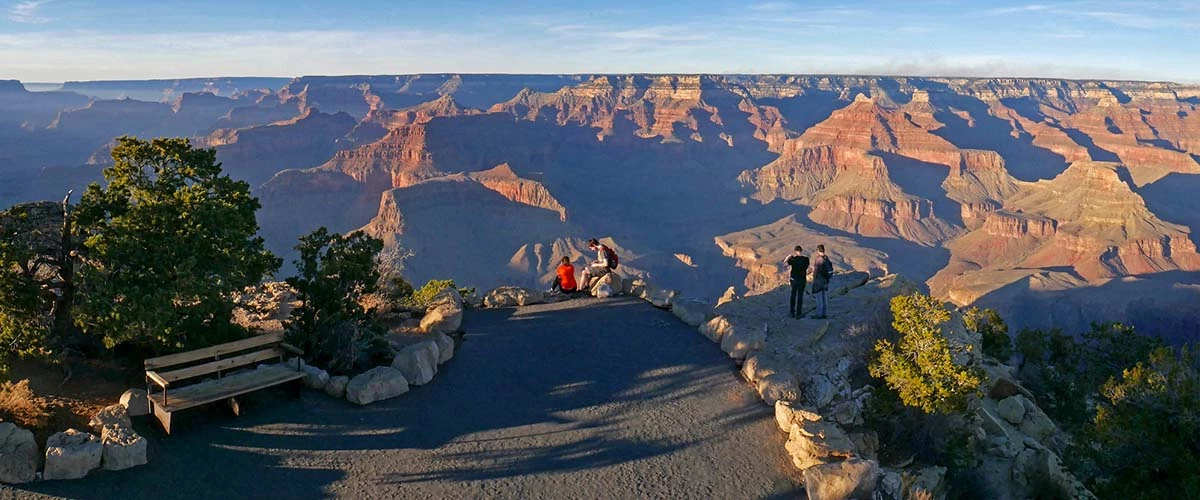
Arizona's best road-trip moments do not always happen at the end of a long trail. Sometimes they begin on a historic main street, at a railroad depot or in a shady museum before opening onto a view of red rock, desert or pine-covered mountains.
These eight towns and small cities offer different ways to experience the state, from the Verde Valley to southern Arizona and the old Route 66 corridor. They are spread over a large area, so choose a region rather than trying to squeeze them all into one weekend. Check weather, road conditions and attraction hours as you plan.
1. Sedona: Red Rock Views and a Place to Slow Down

Sedona's red rock formations make an impression before you reach the town center. Once there, you can spend time browsing galleries and shops, choosing a meal or looking for a short outing that fits your group's abilities. The surrounding landscape is the star, but the best view is not necessarily the one at the end of the longest hike.
Red Rock State Park, outside the city, combines trails and environmental education along Oak Creek. Its visitor center can help orient a first-time visitor to the plants, wildlife and landscape of the area. Check park rules, admission information and current trail conditions before heading out; parking and trailheads elsewhere in the region can fill early.

Arizona's desert conditions deserve respect in every season. Carry adequate water, avoid hiking in the hottest part of the day and pay attention to changing weather. A gentle morning walk followed by lunch in town can be every bit as memorable as an ambitious itinerary, with more time left to appreciate the color of the rocks as the light changes.
2. Jerome: A Hillside Mining Town With a View

Jerome climbs a steep hillside above the Verde Valley, and its setting is part of the experience. Allow time to walk slowly among the shops and historic buildings, look across the valley and notice how the streets adapt to the slope. Good shoes help here; steps and inclines can be difficult for some visitors.
The Douglas Mansion at Jerome State Historic Park provides context for the town's copper-mining past. Built in 1916 by mining entrepreneur James Douglas, the building now houses exhibits about the region and its mining history. Check the museum's current hours before making it a fixed part of the day.

Jerome's history is larger than the fortunes of mine owners. The work of miners and their families helped shape the community, and a museum visit offers a chance to think about the labor and environmental changes behind the hillside views. Parking can be limited on busy days, so arrive with patience and use designated spaces.
3. Cottonwood: Old Town and the Verde River

Cottonwood offers an appealing combination of a walkable historic district and access to the Verde River corridor. Start in Old Town, where local businesses provide places to browse or eat, then plan time outside town for a different view of the valley.
Dead Horse Ranch State Park has lagoons, river habitat and trails that introduce visitors to the area's landscape. It can be a pleasant choice for birdwatching or a relaxed walk, but check the state park's latest notices before setting out: trail conditions and closures can change, especially after hazardous weather.

If you visit tasting rooms or restaurants downtown, arrange transportation that keeps everyone in your group safe. For an alcohol-free itinerary, pair lunch and a stroll with time at the park. The Verde Valley can be hot, and shade and drinking water are not guaranteed on every route, so choose a walk that matches both the forecast and your group's needs.
4. Bisbee: Copper History and Streets Built Into the Hills

Bisbee's historic district rewards visitors who do not mind a few hills. Older buildings, galleries and narrow streets give the former copper-mining community a distinctive look, and the surrounding Mule Mountains make the setting feel different from many desert towns. Take your time on steps and uneven sidewalks, and choose a comfortable route through the district.
The Copper Queen Mine Tour takes visitors underground with guides and offers a closer look at the work and conditions associated with mining. Reservations, tour requirements and accessibility details should be checked directly with the operator before your visit. An underground tour is a very different experience from an above-ground museum, so make sure it suits everyone in your group.

The Bisbee Mining & Historical Museum is another way to explore the town's past. Afterward, leave room to browse local art or find a meal. Bisbee can be combined with Tombstone on a longer trip, but it has enough character to deserve more than a quick stop on the way somewhere else.
5. Tombstone: Beyond the Famous Gunfight

Tombstone's wooden sidewalks and staged Western entertainment make its best-known stories easy to find. The O.K. Corral complex offers reenactments and exhibits, but the history behind the performance is more complicated than a simple contest between heroes and villains. Allow time to look beyond the show and ask what the town was like for the people who lived and worked there.
Tombstone Courthouse State Historic Park occupies the former county courthouse, built in 1882. Its museum interprets the mining town's legal and civic history, with exhibits that add context to the legends associated with the district. Check current admission and hours before going, especially if you are planning around a performance or tour.

Stroll the historic streets, choose the attractions that interest you and take breaks in the shade. Southern Arizona heat can turn a short walk into a tiring one, particularly in summer. For a fuller regional trip, Bisbee lies to the south, though each community has a distinct history and atmosphere of its own.
6. Williams: Route 66 and a Train Toward the Canyon

Williams is known as a gateway to the Grand Canyon, but its Route 66 downtown is worth exploring in its own right. Walk past historic buildings and road-trip businesses, then stop at the Williams-Kaibab National Forest Visitor Center for information about the region's natural and human history.
The Grand Canyon Railway departs from Williams for the South Rim, offering a rail journey through northern Arizona landscapes. It is an excursion that takes advance planning: compare schedules, ticket options, accessibility and the time available at the canyon before booking. A train trip and a drive offer different experiences, so choose the one that suits your schedule.

Williams sits in higher country than many people expect when they picture Arizona. Temperatures and weather can differ substantially from the desert, and winter conditions can affect roads. Even without a canyon trip, a downtown walk and a nearby outing in the Kaibab National Forest can make a rewarding visit.
7. Winslow: A Route 66 Corner and a Deeper Cultural Landscape

Winslow's Standin' on the Corner Park is a familiar photo stop for travelers following Route 66. Take the picture, then stay long enough to explore the historic district. The Old Trails Museum and the visitor center at the historic Hubbell Trading Post provide additional ways to learn about the community's railroad and regional history.
Nearby Homolovi State Park preserves archaeological sites associated with Hopi ancestors. Its visitor center provides exhibits and information that can help put the sites in context. These are places of continuing cultural significance, not abandoned curiosities: stay on designated paths and leave pottery fragments and other materials exactly where you find them.

Check the park's current hours and conditions, carry water and prepare for sun and wind. Back in town, a stop near the historic La Posada Hotel adds another chapter about rail travel in the Southwest. Winslow is most interesting when the famous corner becomes the beginning of the visit rather than the whole itinerary.
8. Tubac: Art, History and the Santa Cruz Valley

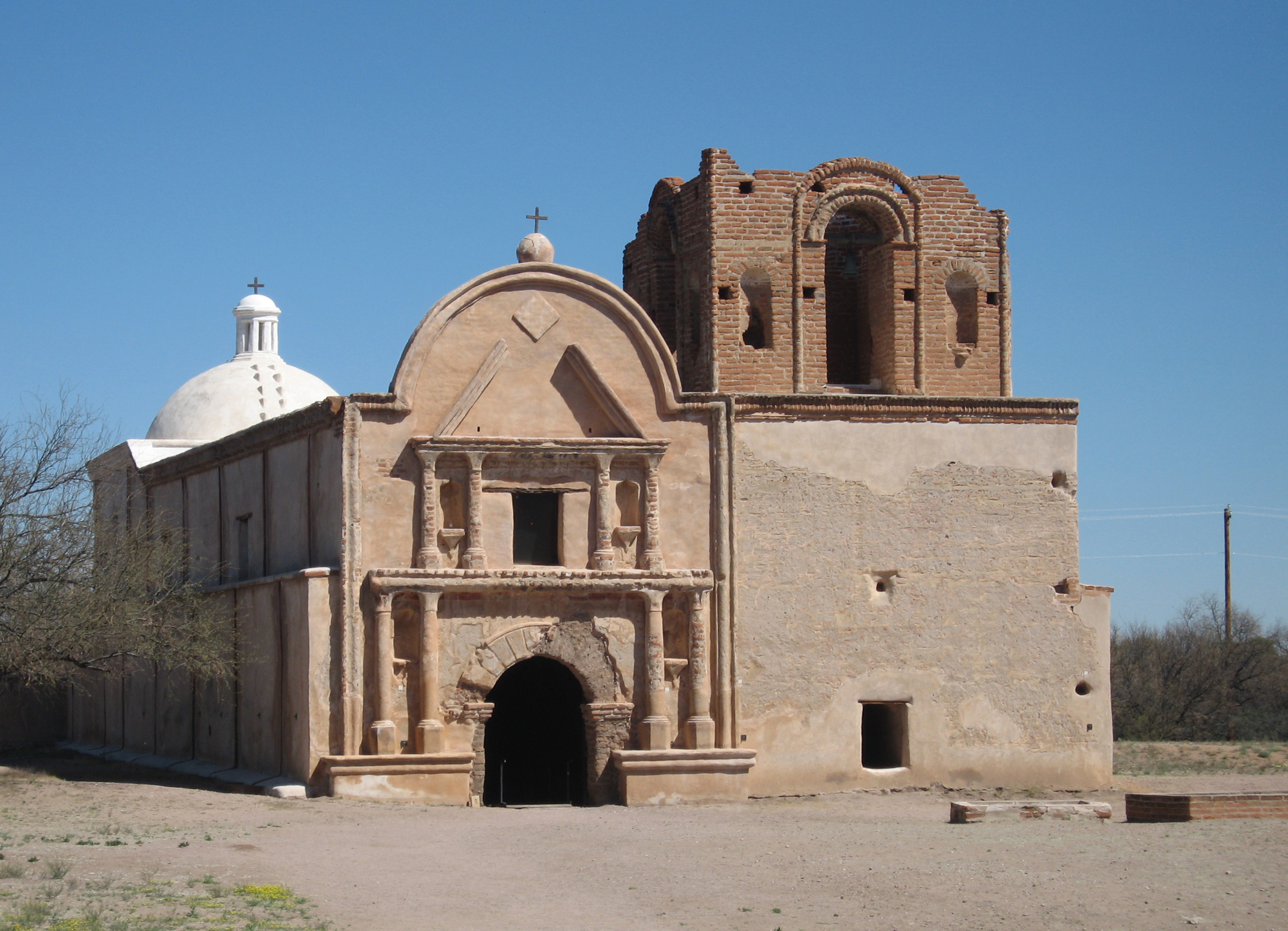
Tubac's galleries and shops make a relaxed introduction to southern Arizona's Santa Cruz Valley. Browse at a comfortable pace, then make time for the Tubac Presidio State Historic Park and Museum, where visitors can learn about the many communities and historical forces that shaped the area.
The Spanish established the presidio in 1752. As the National Park Service explains, its purpose included extending colonial power and controlling O'odham people as well as defending Spanish colonists. Understanding that context makes the site more than a story about an old fort and connects it to the experiences of Indigenous peoples whose histories continue today.

The park also offers access to the Juan Bautista de Anza National Historic Trail. If you plan to walk a section, check with the appropriate managing agency about current conditions and prepare for sun, heat and seasonal weather. Museum hours and gallery schedules can vary, so confirm the stops that matter most before leaving home.
Before You Go
Arizona's elevations and climates vary widely. Check official forecasts, road and trail conditions, seasonal closures, fees and tour requirements for your actual travel dates. Carry water, protect yourself from the sun and avoid entering washes or canyons when flooding is possible. Respect cultural sites and leave artifacts in place.