At Crater of Diamonds State Park, the attraction is a field where visitors can search for real diamonds. It sounds like the beginning of a tall tale, but the Arkansas park near Murfreesboro lets visitors look for minerals on the eroded surface of an ancient volcanic crater—and keep what they find.
That does not mean a diamond is waiting for every visitor. Treat the search as an outdoor activity, bring a little patience and enjoy learning how the landscape formed. Here is how to plan a rewarding first visit, whether you leave with a registered diamond or only a very muddy pair of shoes.
1. Start at the Visitor Center
Begin by checking the park’s current hours, admission and weather before you leave. Admission is charged for the diamond search area; the park says the visitor center, museum and gift shop can be visited without that search-area admission. Fees, hours and seasonal facilities can change, so verify them on the official park page.
Inside, learn what visitors are looking for and ask staff about the day’s conditions. The park’s Diamond Discovery Center helps visitors identify their finds. According to Arkansas State Parks, identification and diamond registration are free, so do not discard a promising stone just because it does not resemble a polished gemstone.
If you are visiting with children, make the first stop a chance to set expectations. Talk about the difference between a raw mineral and a finished piece of jewelry, then plan the day around the search itself rather than a guaranteed discovery. Water breaks and a flexible schedule will make the field more enjoyable for everyone.
2. Understand the Search Area
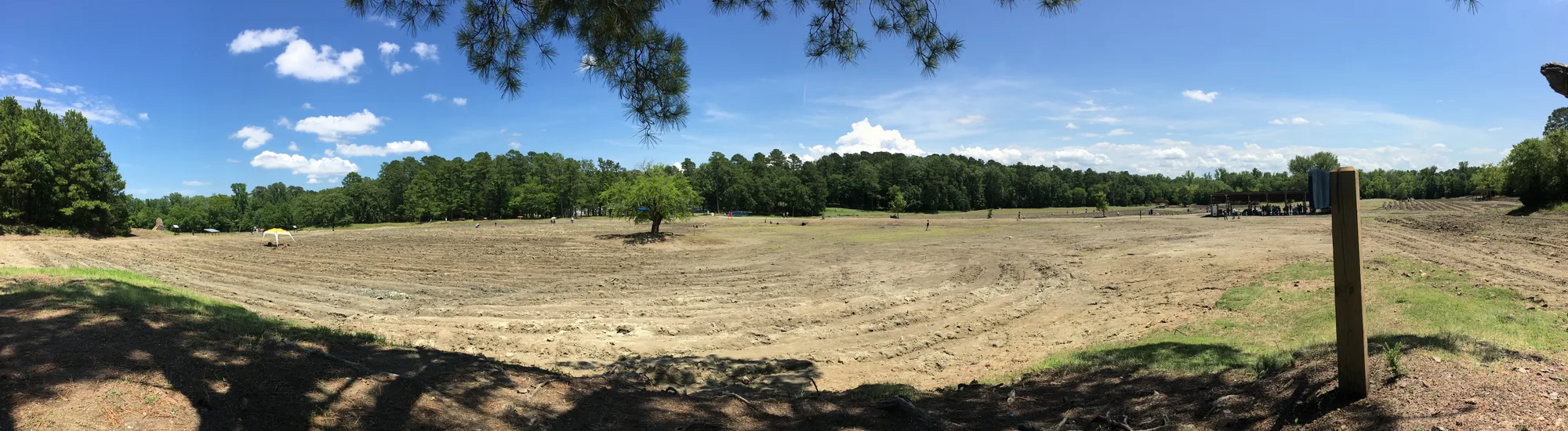
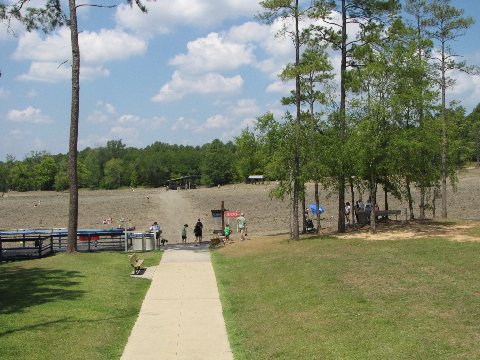
The park describes its search area as a 37-acre plowed field on the eroded surface of a volcanic crater. Visitors can search for a variety of rocks, minerals and gemstones, and the park’s policy allows them to keep the rocks and minerals they find there.
This is an open outdoor field, not a shaded cave or an underground mine. Sun, heat, rain and mud can make a big difference to the experience. Wear clothes and shoes you do not mind getting dirty, bring a hat, sunscreen and drinking water, and consider gloves if you will be handling soil or tools.
Look at the weather forecast and the park’s guidance before deciding how long to stay. In hot weather, take frequent breaks and recognize when someone needs shade or a rest. After rain, footing and soil conditions can change, so sturdy footwear is useful even for visitors who plan only to look at the surface.
3. Pick a Search Method
Surface searching is the simplest way to begin: look carefully across the ground for stones exposed by the weather. The park explains that rain can wash soil away from rocks and minerals, making some easier to notice on the surface. That is an opportunity, not a guarantee of a find.
Other visitors dig and sift material. Ask park staff about permitted equipment, current rules and available rentals before bringing or hiring tools. The best method is one your group can actually enjoy for the time you have; families may prefer to try a little of each rather than committing everyone to hours of digging.
Follow the park’s rules for the field, fill holes as directed and respect other searchers. Make a plan for carrying water, supplies and any material you decide to have checked. Keep bags manageable and do not assume that an impressive-looking rock is necessarily a diamond.
4. Have Interesting Finds Checked
The Diamond Discovery Center is the place to ask about stones that catch your eye. Park staff can identify finds and register diamonds, and the park’s visitor brochure describes that service as free. A clear label or a separate small container can help keep the day’s most interesting discoveries from getting mixed back into ordinary gravel.
Raw diamonds vary in appearance and can be much smaller than people expect. Color, shape and shine alone are not a reliable substitute for identification by someone familiar with the minerals found at the park. Resist the urge to clean, cut or alter an unusual stone before asking staff to look at it.
Many visits end without a diamond, and a day of digging can still be a fun introduction to geology and the work behind a remarkable discovery.
5. Leave Time for the Rest of the Park
If the field becomes too hot or the group needs a change of pace, look at the park’s other opportunities. Its visitor brochure describes the River Trail through woodland toward the Little Missouri River and notes that part of the route is paved. Check the park’s current map and access information before setting out.
The park also has camping and a seasonal water park, with separate rules and fees where applicable. Reservations, operating days and facilities can change, so contact the park or check its website before promising a particular activity to the family.
Before driving home, clean up, drink water and let staff check the stones you want identified. A comfortable, curious approach leaves room for the best surprise: discovering how much there is to learn from an ordinary-looking patch of Arkansas soil.