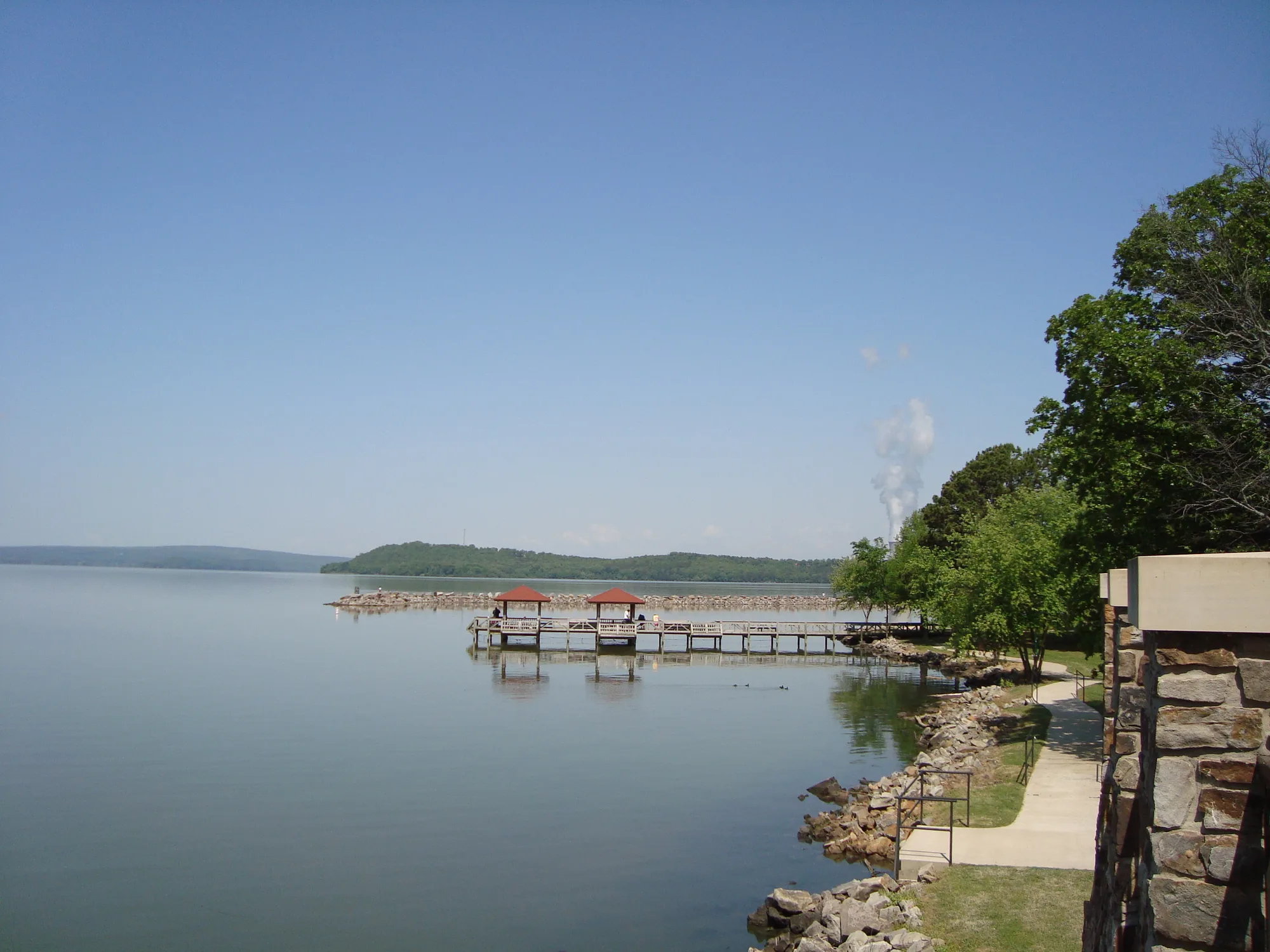
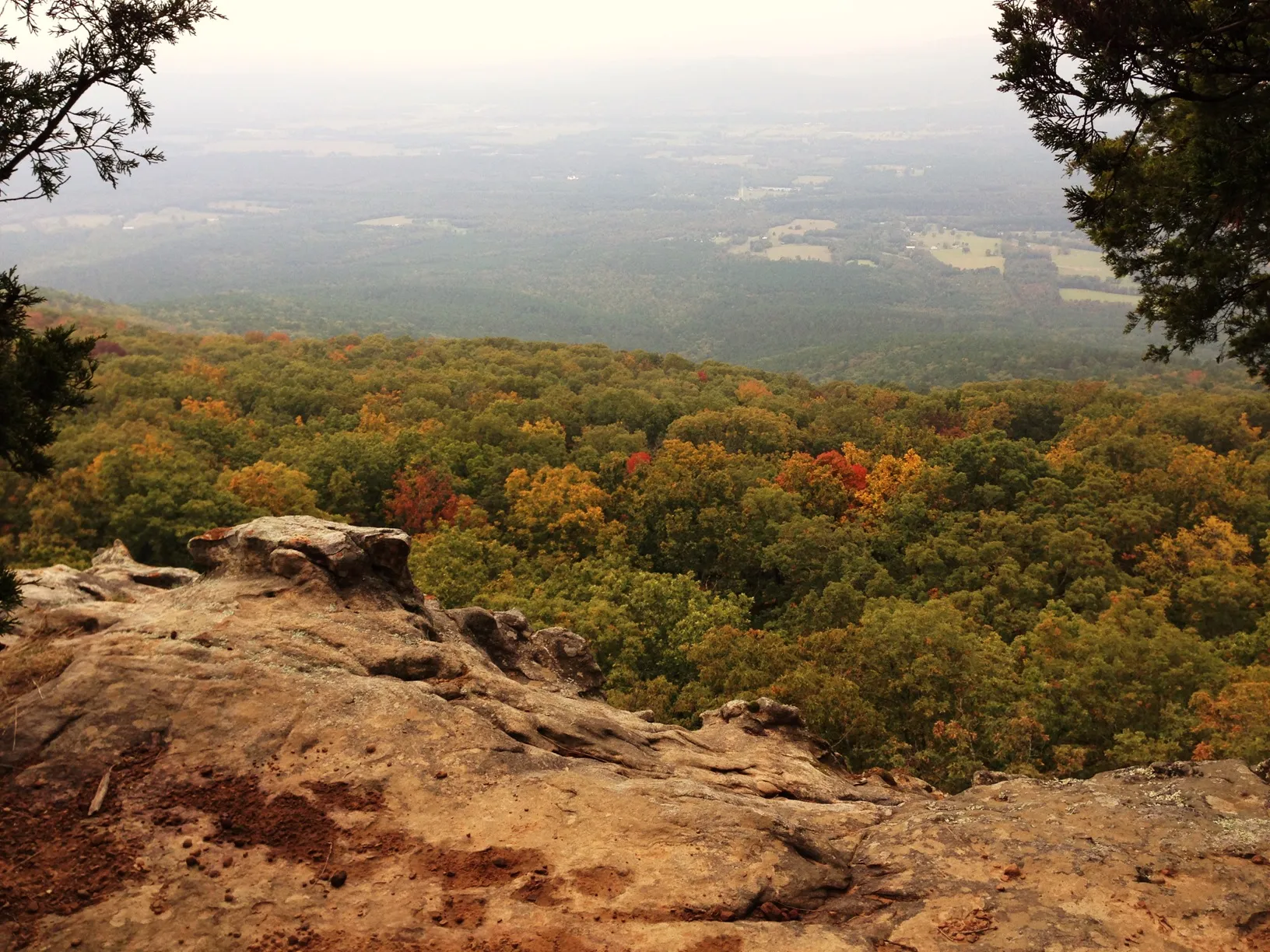
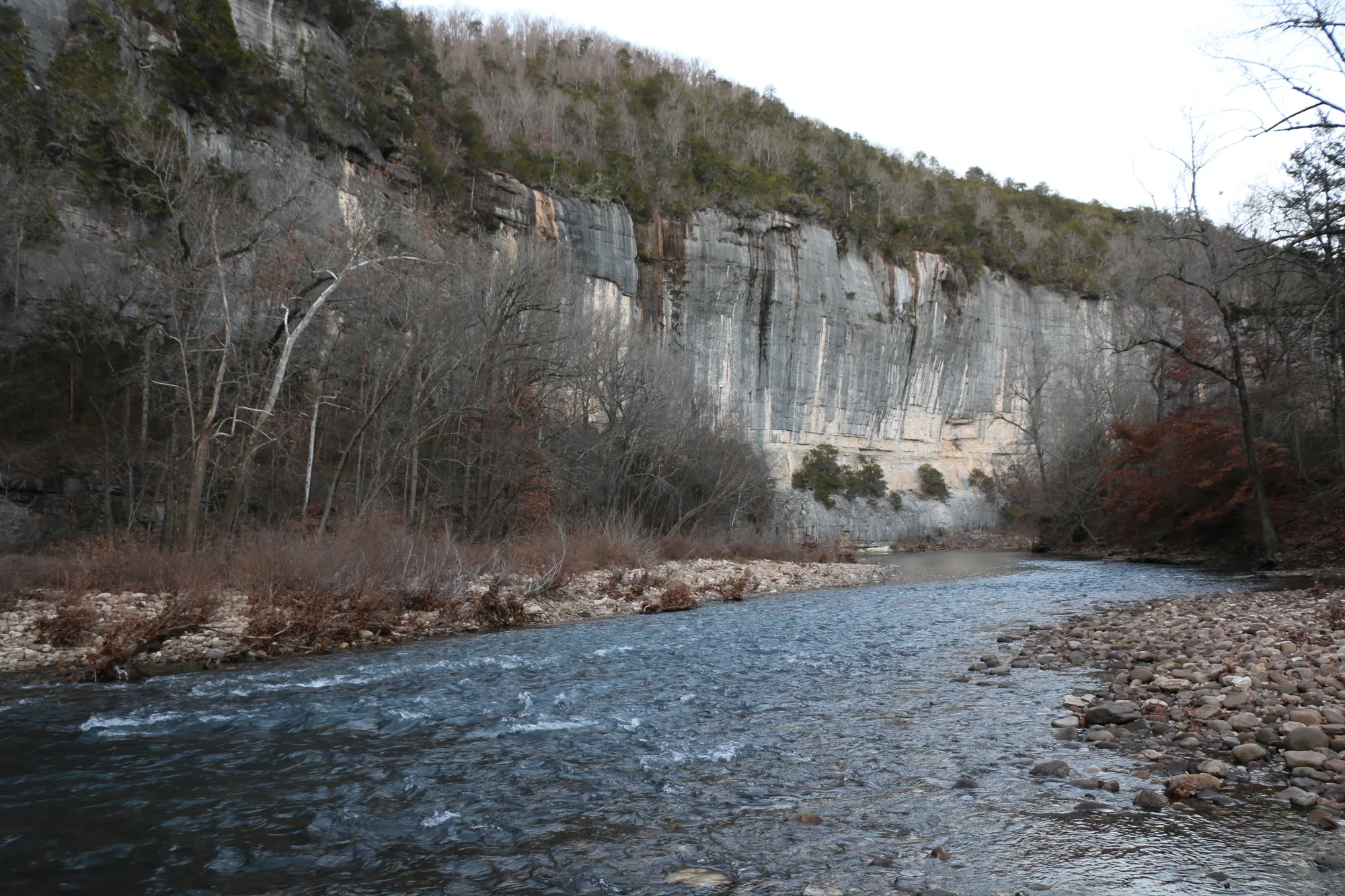
At Arkansas Post National Memorial, the landscape asks you to look twice. Water curves past wooded banks, a path crosses a quiet town site, and the modern river does not follow every line it once did. Beneath that calm are stories of Quapaw communities, trade, colonial rivalry, a territorial capital and a Civil War battle.
The memorial near Gillett is a place to slow down rather than hurry between reconstructed buildings. The National Park Service protects a landscape that has changed through flooding, erosion and human activity. Exhibits, trails and river views help visitors understand why this location mattered and why its history cannot be reduced to a single era.
1. Start with the visitor center and museum
Begin indoors if the visitor center is open. Its exhibits introduce the people and events associated with Arkansas Post over more than three centuries. A park film provides another overview; ask staff about the current schedule before building your day around it.
The museum is especially useful because much of what visitors will see outside is a historic landscape, not a complete town. A map or ranger explanation can help you understand where the settlement stood, how the river changed and what kinds of evidence archaeologists and historians use to reconstruct the past.
Leave room for complexity. The Post was a point of contact and trade as well as a place affected by competition among governments and military forces. People experienced those changes differently. An hour in the museum can make the walk outside feel less like an ordinary riverside stroll and more like a way of reading the landscape.
The visitor center has different hours from the grounds and closes on some days and holidays. Check the official listing shortly before your trip rather than assuming the museum will be open whenever the park is accessible. Ask staff about accessible routes and available ranger programs if those matter to your plans.
2. Walk the historic town site
The memorial’s trail system passes through the historic town site and wooded areas. Walking at an easy pace gives you time to consider the scale of the former settlement and the relationship between everyday life and the river. Use the interpretive material to place the features you see within a longer chronology.
The Park Service describes more than three miles of paved and unpaved trails in the memorial. You do not have to cover every path to have a worthwhile visit. Choose a route that suits the weather, your group and the amount of time available, and ask about current surfaces or closures before starting.
Arkansas Post served as an early center of government after the Arkansas Territory was created. Later, river transportation continued to connect the community with the wider region. Those connections were opportunities for some and sources of displacement or conflict for others; the park’s exhibits offer space to understand those differences.
As you walk, stay on designated routes and leave artifacts where you find them. Archeological evidence is part of the place’s story, not a souvenir. In warm weather, bring water and insect protection, and check the forecast for heavy rain or rapidly changing conditions.
3. Follow the story back to the Quapaw
Long before the Post became a territorial capital, the lower Arkansas River region was home to the Quapaw. The Park Service describes French trader Henri de Tonti establishing a post in 1686 near the Quapaw village of Osotouy. The relationship between Indigenous communities and newcomers was central to the history that followed.
This is an important place to resist a simple before-and-after story. Quapaw people were not merely background to a European settlement: they had their own communities, knowledge, relationships and interests. Trade, diplomacy and the changing claims of colonial powers all affected the region. Museum interpretation can help visitors understand that history with more care than a roadside date alone can provide.
The memorial also has an Osotouy Unit associated with significant archeological resources. The National Park Service says the unit is open, but the Menard-Hodges Mounds are closed to public use and access. Check the current rules and directions before planning a separate visit, and respect all barriers and protected areas.
The most useful question to carry outside may be how the water, land and communities were connected. River routes shaped movement and exchange, but they do not tell the whole human story without attention to the people who lived here.
4. Consider the Civil War and the changing river
Arkansas Post later became the site of Fort Hindman, a Confederate fortification built during the Civil War. Union forces attacked the post in January 1863. The park’s history places the battle within a larger effort to control routes on the Arkansas, White and Mississippi rivers.
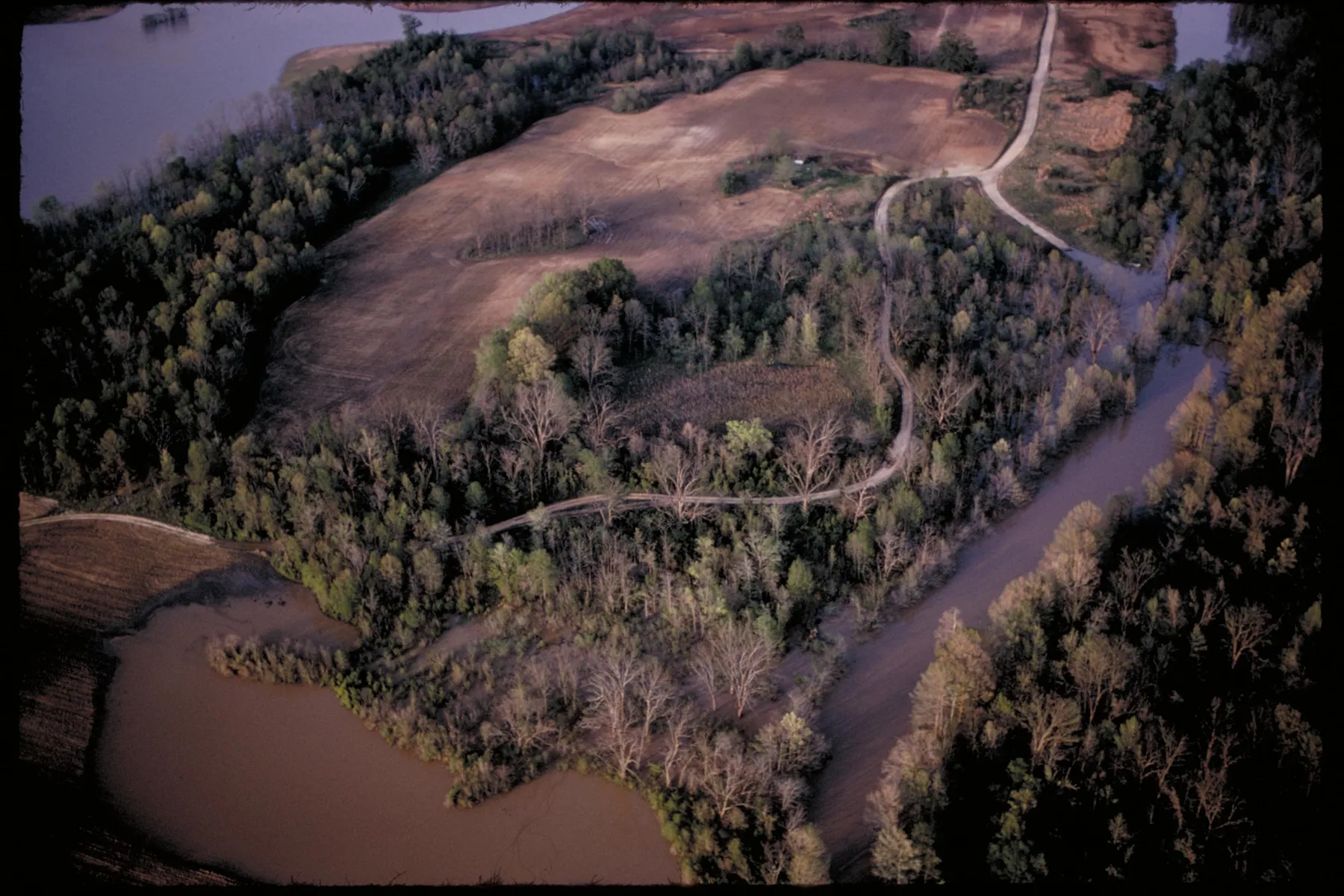
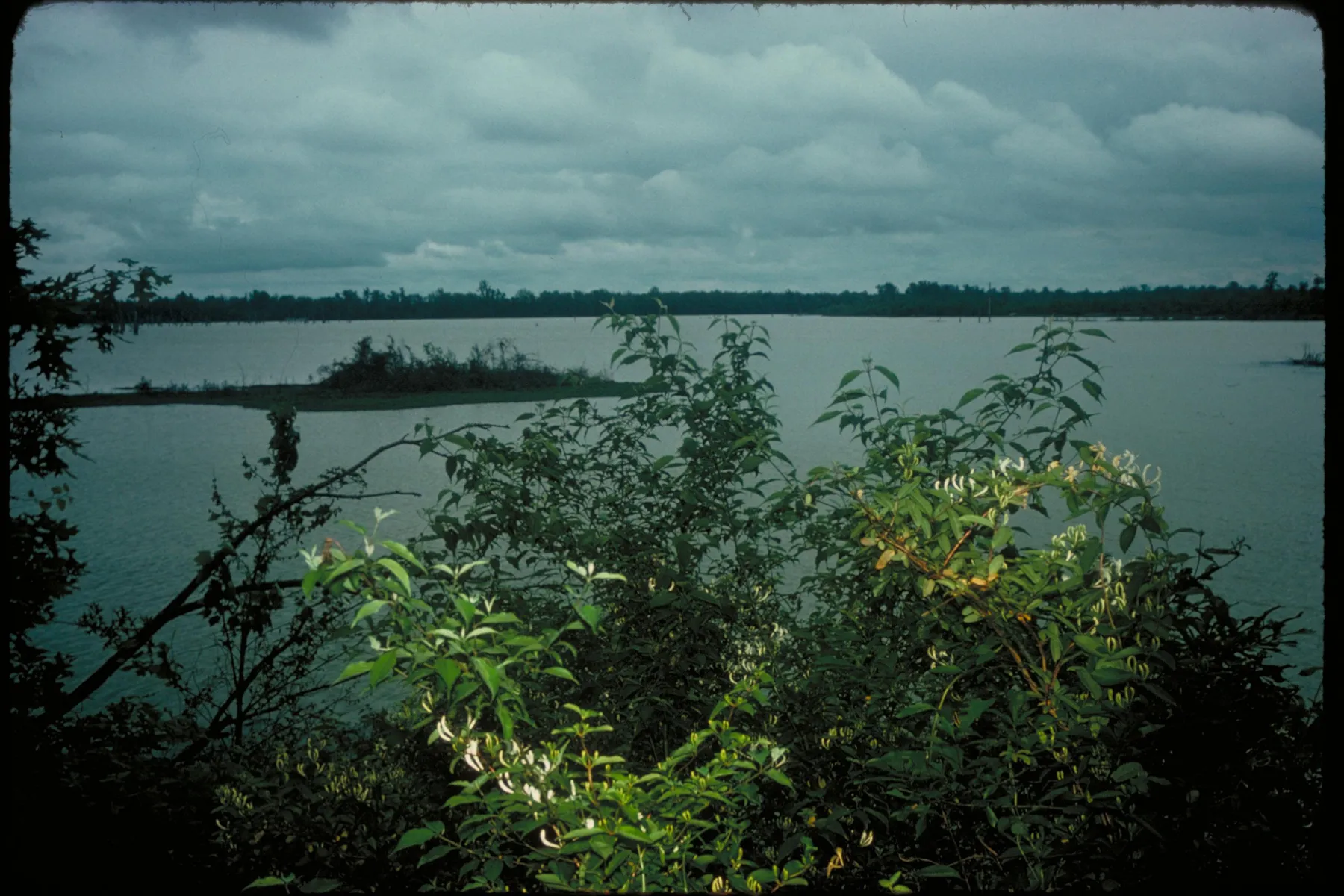
The landscape visitors see today does not preserve a complete fort in its wartime form. The river has shifted, and flooding and erosion have changed the area over time. That makes the park’s maps and exhibits valuable companions: they can show how the relationship between land and water has changed and why some historic features are difficult to see.
Give the story more than a quick look at a marker. Consider what control of a river meant for the people who lived nearby, the soldiers involved and the communities whose lives were affected by war. A visit can connect the military event to the longer history of the Post rather than treating it as an isolated episode.
Look at the water from designated viewpoints and follow current safety information. Banks, trail conditions and access can change after flooding. If a section is closed, use the available exhibits and open routes instead of going around a barrier.
5. Leave time for the landscape
Arkansas Post is also a good place to notice the lowland environment. Hardwood forest, wetlands and water create habitat for birds and other wildlife, and the mood of the park can change with the season. A quiet walk gives you a chance to see the setting that made this river corridor important over many generations.
Keep wildlife wild: observe from a distance, do not feed animals and give any animal an unobstructed path away from you. Water and wet ground deserve respect, particularly with children in the group. The park permits fishing in its waters under applicable rules; check current licensing requirements and conditions if fishing is part of your plan.
This is not a destination that needs to be rushed. Leave time to read one more exhibit, follow a short trail or sit near a designated viewpoint. The landscape is both a pleasant place to spend an afternoon and a record of change, trade, conflict and community.
Before you go
Check the memorial’s current hours, visitor-center schedule, trail notices and weather before traveling. The grounds and visitor center have different schedules. Bring drinking water and appropriate shoes, stay on established paths, and respect the closed Menard-Hodges Mounds. A map and a little time with the museum exhibits make the outdoor visit easier to understand.