In Hot Springs, Arkansas, a national park begins beside a downtown sidewalk. Historic bathhouses line one side of Central Avenue, wooded hills rise behind them, and warm spring water has shaped the city’s story for generations. It is a place where a museum visit, a quiet trail and a meal downtown can fit into the same day without feeling like separate trips.
You can enjoy Hot Springs National Park without making the itinerary complicated. These five stops combine the best-known historic area with room to walk and look around. Check current hours and park alerts before you go; individual businesses and historic buildings do not all follow the same schedule.
1. Begin at the Fordyce Bathhouse
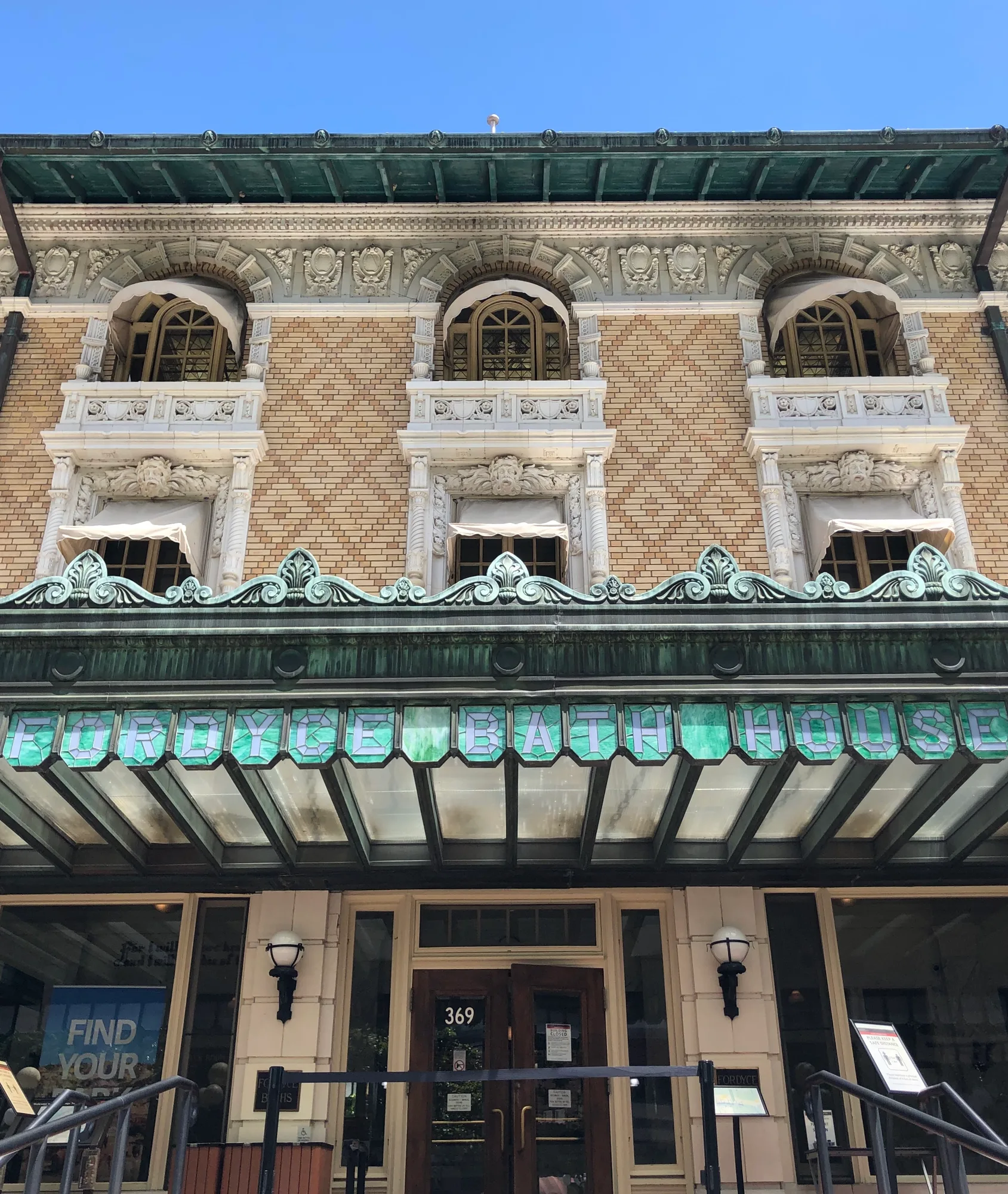
The Fordyce Bathhouse is a sensible first stop because it serves as both the park visitor center and a museum. Instead of trying to picture the bathhouse era from the street alone, you can walk through a restored building and see rooms that help explain how visitors once experienced the thermal water.
Allow time to look beyond the grand entrance. Architectural details and exhibits make the building a window into the city’s development, changing ideas about bathing and the people who worked here. A ranger can help you choose a trail or explain which parts of the park best fit the time you have.
The National Park Service lists the visitor center as open daily with holiday exceptions, but hours and access can change. Check before a holiday trip and ask about accessible routes or an elevator if stairs are a concern. A visit is easier to enjoy when you have not planned every remaining minute in advance.
2. Walk Bathhouse Row and notice the differences
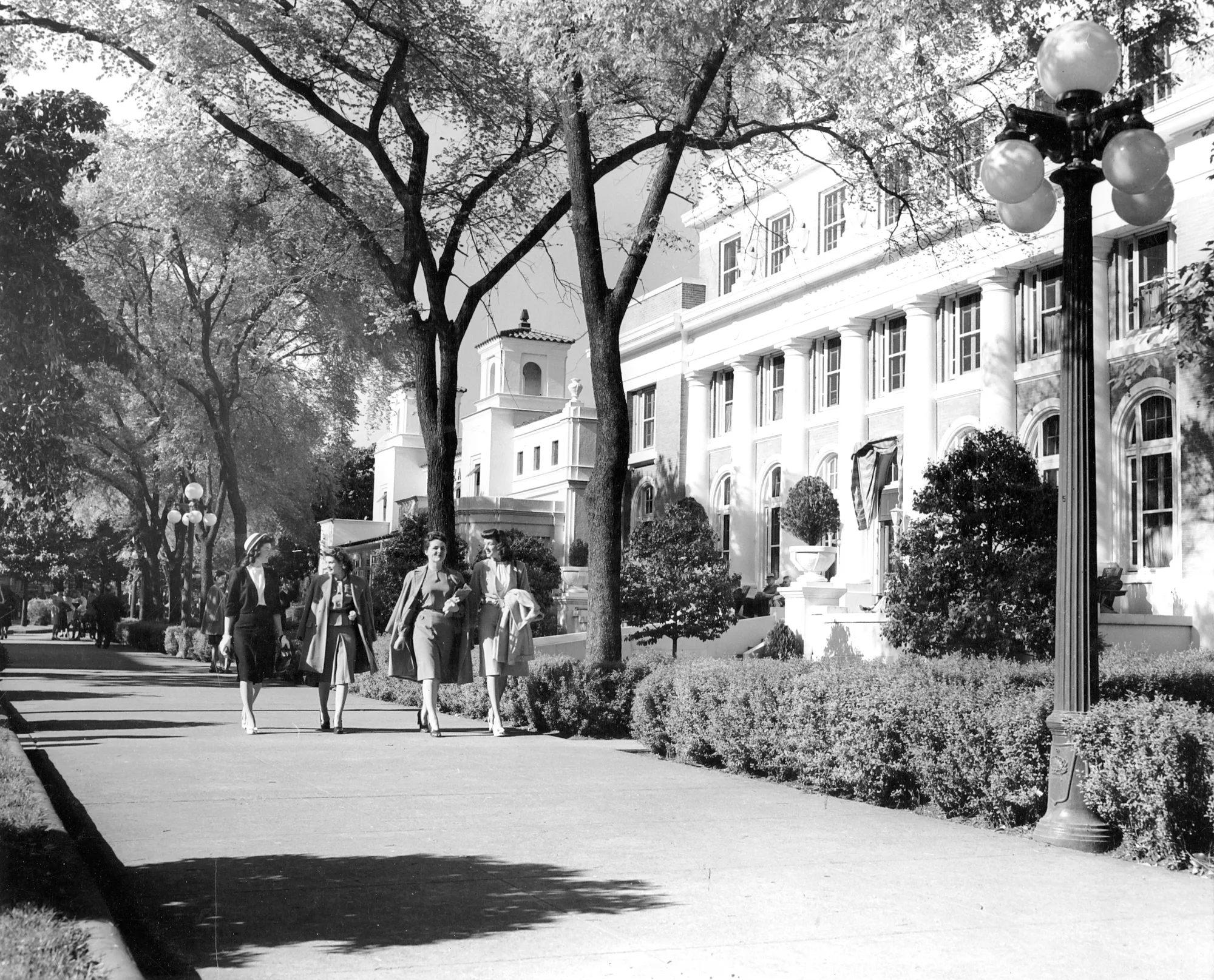
Bathhouse Row is not a single building repeated eight times. The historic structures have different facades, histories and present-day uses. Walk slowly enough to compare their entrances, rooflines and decorative details, then look uphill to see how the buildings sit between the city and the wooded park.
The row tells a story of water and commerce as well as architecture. Visitors came to Hot Springs for bathing, while businesses, workers and residents helped support a destination that became part of American travel culture. The park’s interpretation can help connect what you see outside with the less visible work that made the resort possible.
Some buildings house businesses or services, and not every historic bathhouse offers the same experience. Check each operator’s current schedule before assuming that you can tour an interior, buy a ticket or book a bath. The sidewalk itself is an inviting introduction when you only have time for an outdoor walk.
3. Take the Grand Promenade above the street
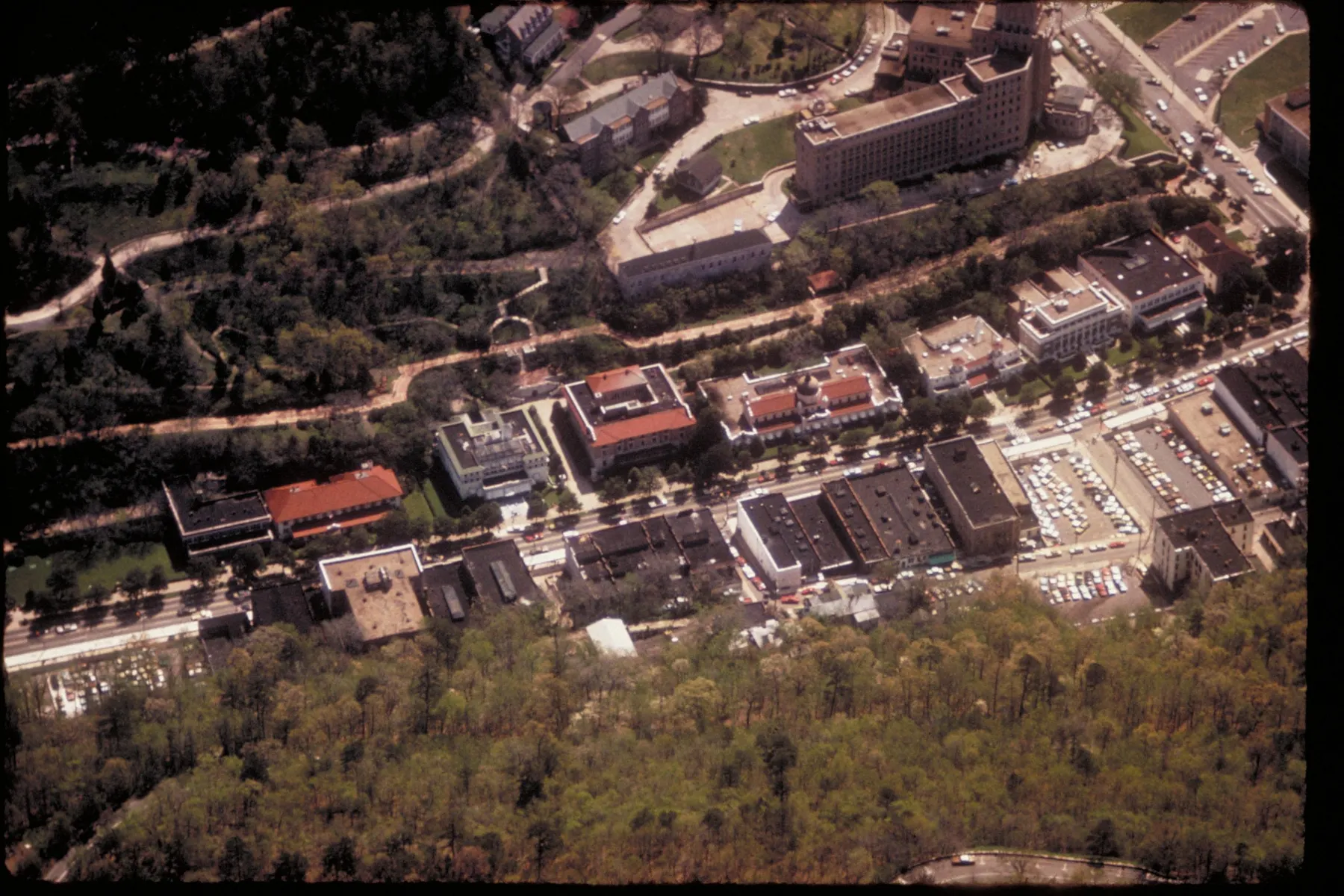
The Grand Promenade runs behind Bathhouse Row and gives the downtown visit a change of pace. It is a place to step away from traffic, look back toward the historic buildings and follow a landscaped route beneath trees. The promenade also connects with trails on Hot Springs Mountain, so a brief walk can lead naturally into a longer one.
Pause at a viewpoint instead of treating the route as a race from one end to the other. From above, the relationship between the city and the protected hillside becomes easier to see. The historic row feels like part of a larger landscape rather than an isolated collection of attractive facades.
Check the park’s accessibility information and current conditions when planning a route, especially if you need a step-free approach. Temperatures can be high, and a short downtown walk still calls for water and comfortable shoes. Stay on established paths and follow posted instructions around the springs.
4. See the thermal water without entering it
The springs are the reason this place became a destination, but they are not an invitation to step into an open natural pool. The National Park Service protects the thermal water and provides places where visitors can see it emerging or collect it at designated fountains. Water can be very hot, so follow posted signs and keep children close.
A good visit makes room for the story behind the water as well as a photograph of it. Park exhibits explain how rainwater travels through rock and returns to the surface after a long underground journey. The visible spring features are part of a managed historic landscape in the middle of a city, which makes their setting unusual.
If you want to collect drinking water, use only designated fountains and clean containers, and check the park’s current guidance. Do not touch or enter protected spring areas. The Park Service offers information about water temperature and fountain locations, and staff can point you toward the appropriate place.
5. Choose a soak or a mountain drive
For visitors who want a bathing experience, the park identifies operating bathhouses on Bathhouse Row. Services, prices, age rules and reservation policies are set by the businesses, so contact your chosen operator directly. A bathhouse visit is different from swimming in a natural spring and may require advance planning, especially on a busy weekend.
For a free-form alternative, follow the park’s mountain roads to overlooks and trailheads when open. Hot Springs Mountain Drive and West Mountain Drive offer a different perspective on the city and surrounding wooded hills. You can choose a short stop at a designated viewpoint or add a hike, depending on your available time and the day’s conditions.
Road and trail access can change with weather or maintenance. Check official notices before heading uphill, park only where permitted and give yourself enough daylight for an unfamiliar trail. If a particular bathhouse or trail is essential to your visit, have a backup in mind.
Before you go
Hot Springs is both a national park and a working downtown. Use appropriate public parking, review the park’s hours and accessibility guidance, and confirm business hours independently. Bring water, protect yourself from the sun and leave the historic buildings and thermal features as you found them. Even a short visit is more rewarding when you allow time to explore at walking pace.