Arkansas’s national park sites hold very different kinds of history. One protects a school at the center of the struggle for civil rights; another interprets a frontier court and the forced removal of Native peoples. A battlefield and the remains of an early Arkansas settlement add still more perspectives.
These are thoughtful places to visit, not interchangeable stops on a checklist. Give each enough time to read the exhibits and listen to the stories, and confirm opening hours and access before traveling. The sites are spread across the state, so choose one area or make the journey over several days.
1. Little Rock Central High School National Historic Site
In 1957, nine Black students faced determined opposition as they attempted to attend the formerly all-white Little Rock Central High School. Their courage and the federal intervention that followed made the school a defining place in the history of desegregation. The National Park Service visitor center interprets both the crisis and the longer struggle for equal education.
Begin with the exhibits, then explore the commemorative garden and other public outdoor areas described by the park. The view of the school makes the scale of the events easier to place, but it is also a reminder that this is still an operating school. The building is not open for casual public touring, and visitors should respect students, staff, boundaries and traffic.
Ranger-led programs offer more context, but they require advance reservations. Programs have limited capacity, and the park requires advance reservations. Verify the current schedule directly with the National Park Service; visitor center hours and program availability can change.
This is a good stop to approach without rushing. Read about the Little Rock Nine before arrival, make time for the exhibits and leave room for discussion afterward. The park’s story is both national and deeply local, grounded in the experiences of young people and the community around them.
2. Fort Smith National Historic Site
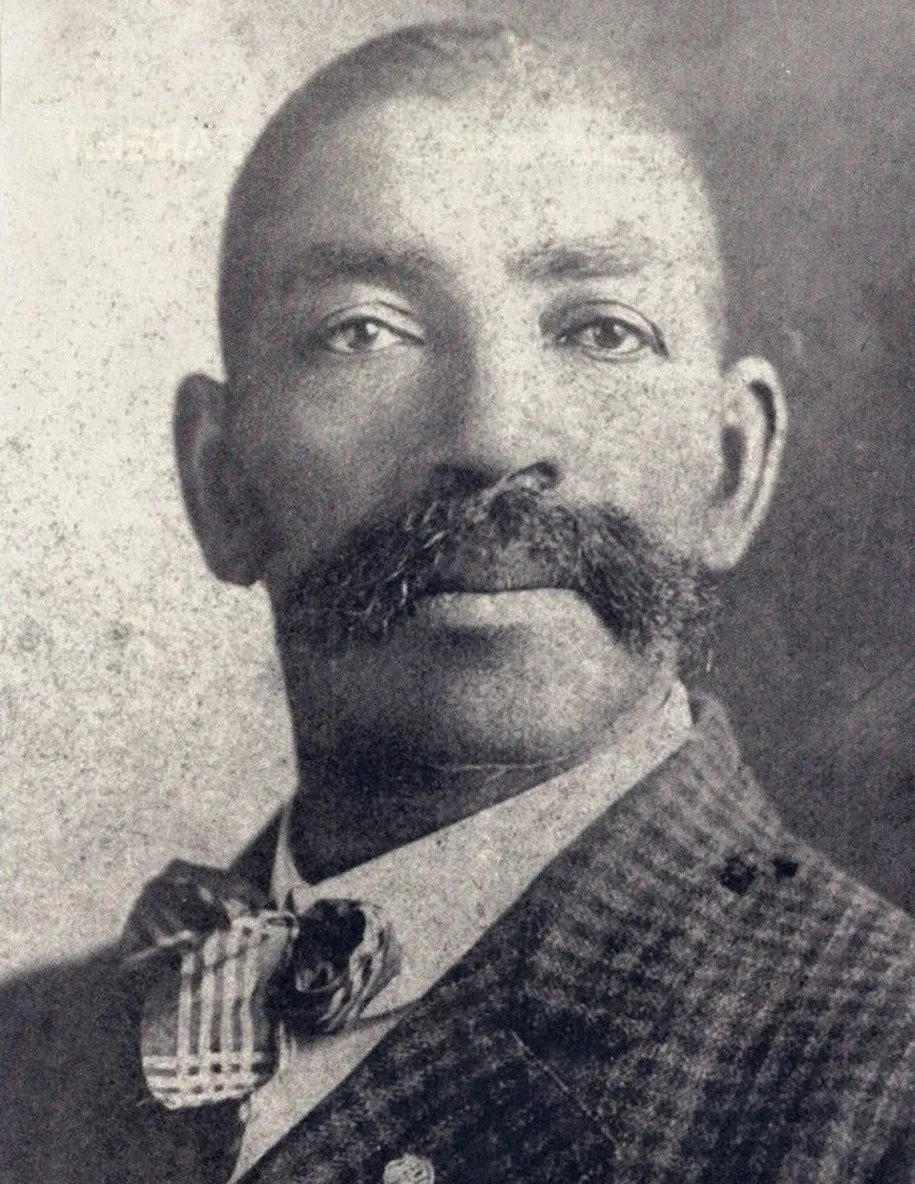
At Fort Smith, the layers of history meet near the Arkansas River. The historic site interprets two frontier forts, the federal court and jail, and the Trail of Tears. The National Park Service explains that the place was connected to routes used during the forced removal of Native peoples from their homelands.
Start at the visitor center in the historic barracks, courthouse and jail building. Exhibits include Judge Isaac C. Parker’s restored courtroom and material on the court’s reach into Indian Territory. The stories of deputy marshals and court cases are only part of the picture; the site also invites visitors to consider how federal power affected Native nations and people living in the region.
Outside, walk the grounds and follow the river trail to connect the exhibits with the landscape. The site includes remains of the first fort, a historic commissary and a reconstructed gallows. Check which buildings and exhibits are open on your date, since outdoor access and visitor center schedules can differ.
Allow more than the minimum time if you want to read closely. The courthouse, river and older fort remains tell related but distinct stories, and a slower visit makes their connections clearer. Remember that the Trail of Tears was a human tragedy rather than a scenic theme: the park’s interpretation helps put the landscape in that necessary context.
3. Pea Ridge National Military Park
Pea Ridge preserves a Civil War battlefield in northwest Arkansas. The National Park Service provides a driving tour and interpretive resources that help visitors follow the events across a landscape much larger than a single monument. A park visit can include the visitor center, the tour route and time to reflect at individual stops.
Begin with the park orientation before driving, because names and troop movements can be hard to understand without a little context. The park offers a mobile tour with information associated with stops; download or review material in advance when possible, and do not rely on a perfect phone signal.
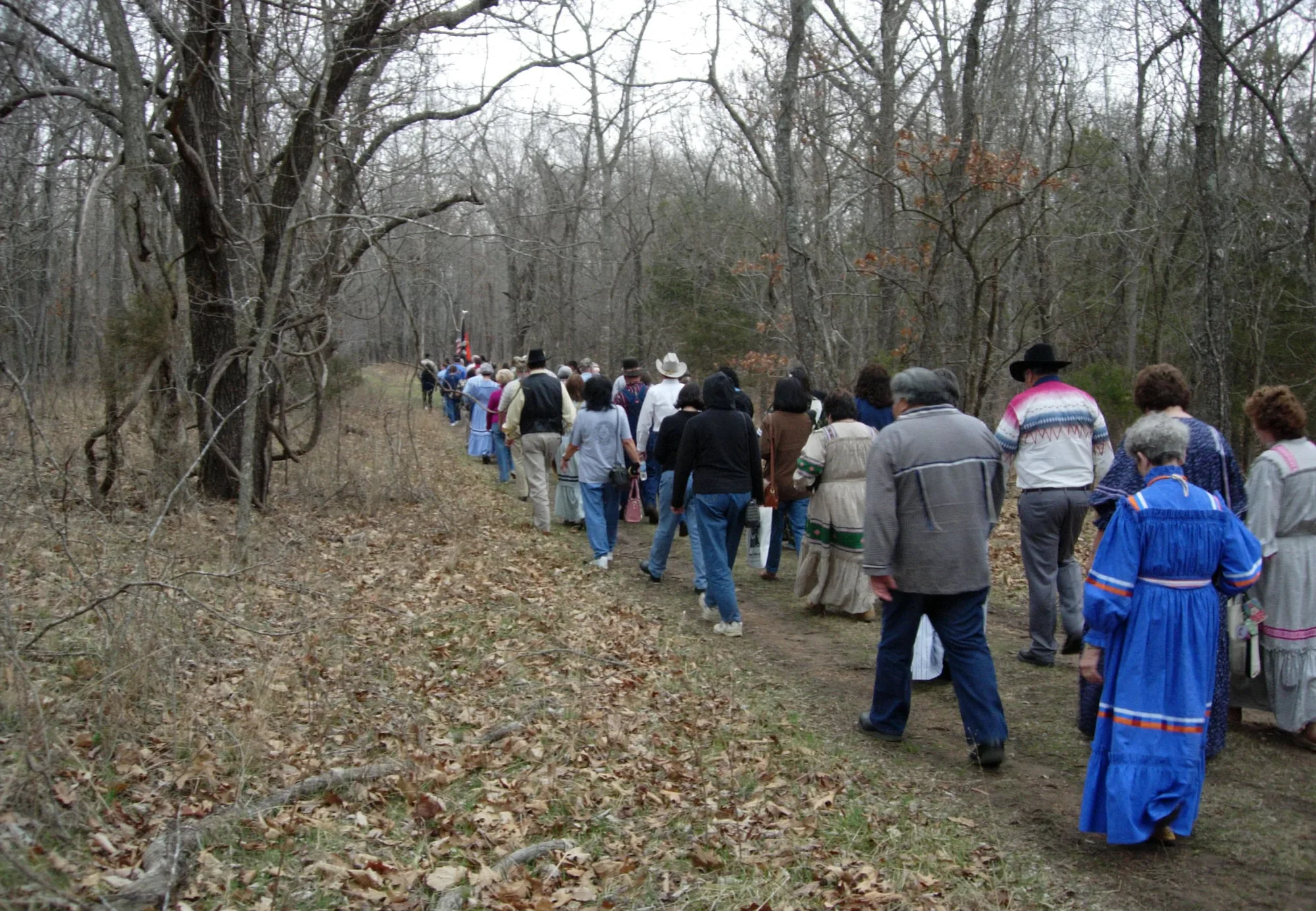
The landscape also contains a segment associated with the Trail of Tears. That history is not an appendix to the battlefield story: it predates the Civil War and connects the land to the forced removal of Cherokee people. Read the park’s interpretation and stay on designated routes, respecting both the resource and its significance.
Check current road and trail conditions, hours and fees before arriving. Bring water, wear shoes suitable for the surfaces you choose and allow for weather. A self-guided drive can be flexible, but stopping to read the interpretation is what turns the views into an understanding of the place.
4. Arkansas Post National Memorial
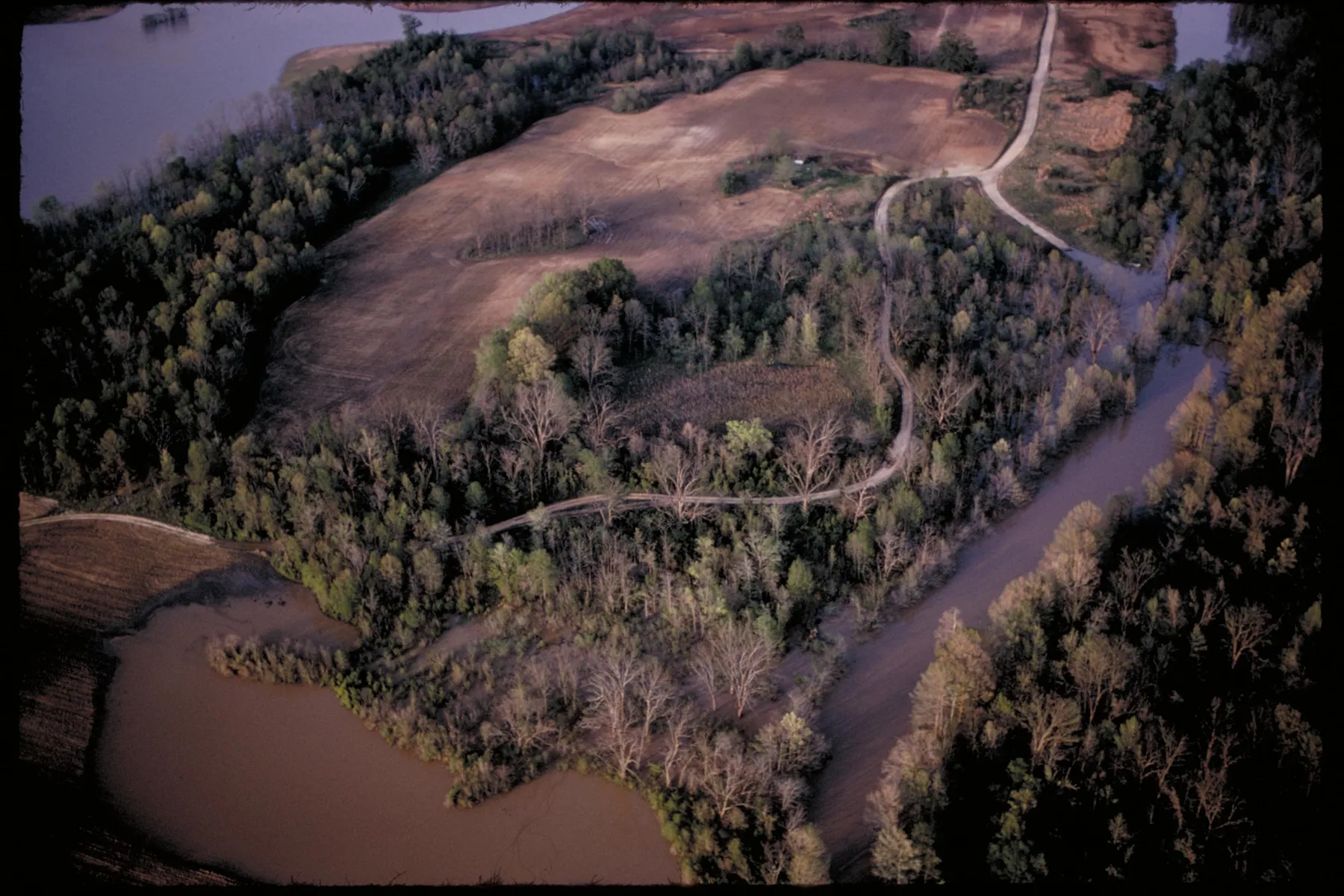
Near the Arkansas River in southeast Arkansas, Arkansas Post tells the story of a place shaped by Indigenous nations, European colonial powers and the United States over centuries. The park preserves the setting and interprets overlapping chapters that cannot be reduced to a single founding date.
Start at the visitor center for an orientation to the site and its changing geography. Then take the walking routes through the grounds, where water, trees and open spaces are part of the experience. The landscape looks peaceful today, but it has also been affected by warfare, shifting waterways and the loss of structures over time.
Ask about current trail and facility conditions before leaving the visitor center. The memorial protects sensitive archeological resources, and posted closures and boundaries matter; do not climb on protected earthworks or remove objects. Water and humidity can make even a short walk feel longer in warm weather, so carry drinking water and insect protection.
Arkansas Post rewards visitors who take the exhibits outside with them. Pause along the path, consider how access to rivers shaped settlement and trade, and remember that the people who lived here did not all experience those changes in the same way. For current details, consult the National Park Service before the trip.