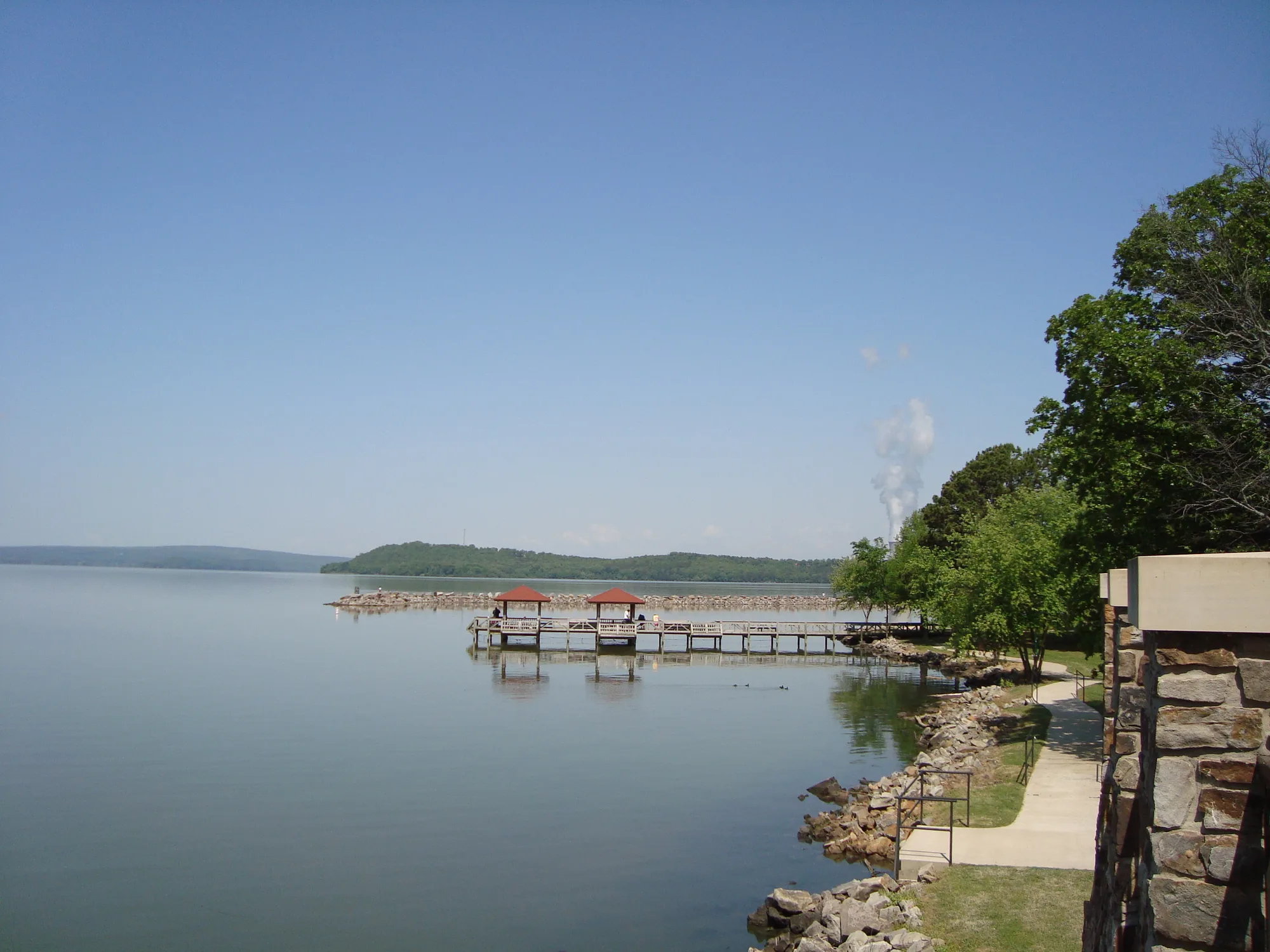
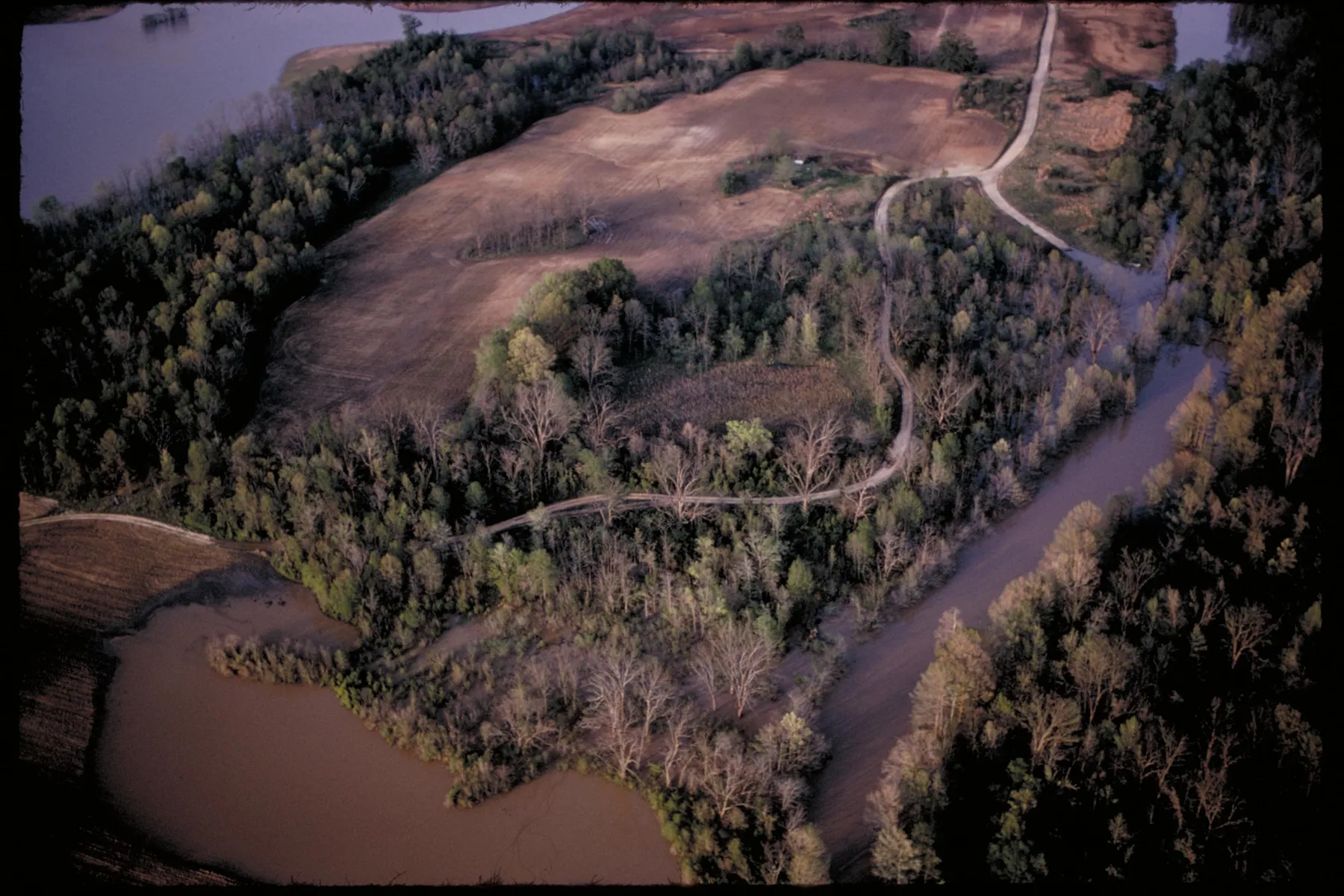
Arkansas state parks can change the shape of a weekend. One morning might begin above a waterfall, another beside a creek in the Ozarks, and another on a mountain with a view across miles of forest. The best part is that a memorable outing does not have to look the same for every traveler.
These four parks offer a starting point for different kinds of days, from a historic lodge and a waterfall overlook to a steep climb close to Little Rock. They are spread across the state, so pick the one that fits your route instead of trying to make a single hurried circuit.
1. Petit Jean: A waterfall and a mountain full of history
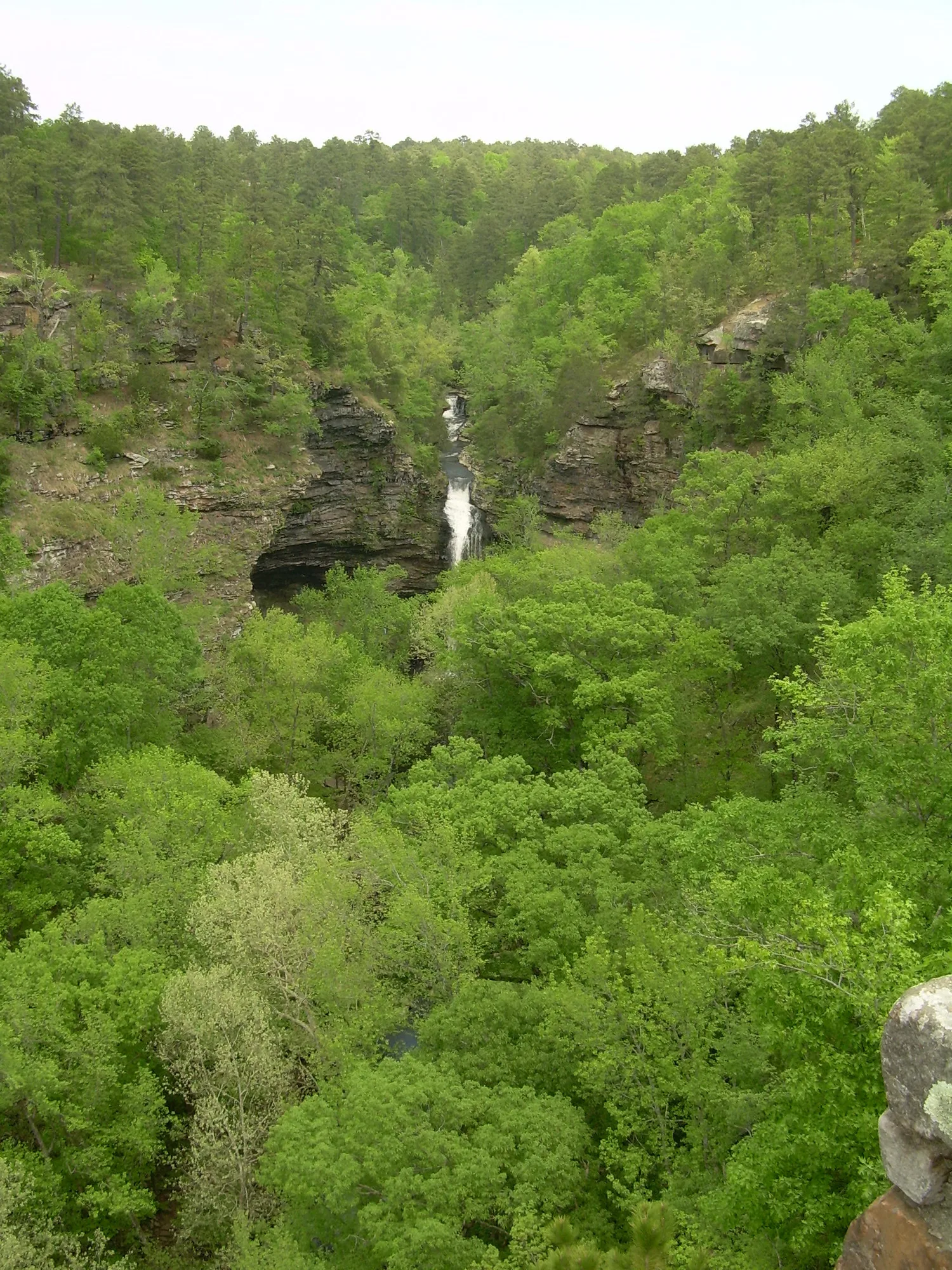
Petit Jean State Park has the kind of landscape that rewards staying longer than a single photograph. The mountain overlooks the Arkansas River Valley, while trails lead through woods and along Cedar Creek. Mather Lodge and other stone-and-timber features also connect the park to work done by the Civilian Conservation Corps during the 1930s.
Cedar Falls is a natural focus for a first visit. A designated overlook offers a view into the canyon, while the Cedar Falls Trail descends toward the waterfall. These are different experiences: the park’s trail guide rates the approximately two-mile hike strenuous, with a substantial descent that must be climbed again on the return. The amount of water over the falls varies with rainfall.
Build the day around the abilities of the people traveling with you. A scenic stop, a meal at the lodge when available and a shorter walk can be satisfying without the canyon hike. If you do take the trail, wear shoes with traction, carry water and allow more time than a map alone might suggest. Check the park for current trail conditions before leaving.
Petit Jean also offers a reason to slow down over the details: stone walls, shaded paths and old park structures reflect a long history of recreation on the mountain. Stay on marked routes, leave historic and natural features undisturbed and keep a safe distance from bluff edges.
2. Devil’s Den: Ozark trails and creekside character
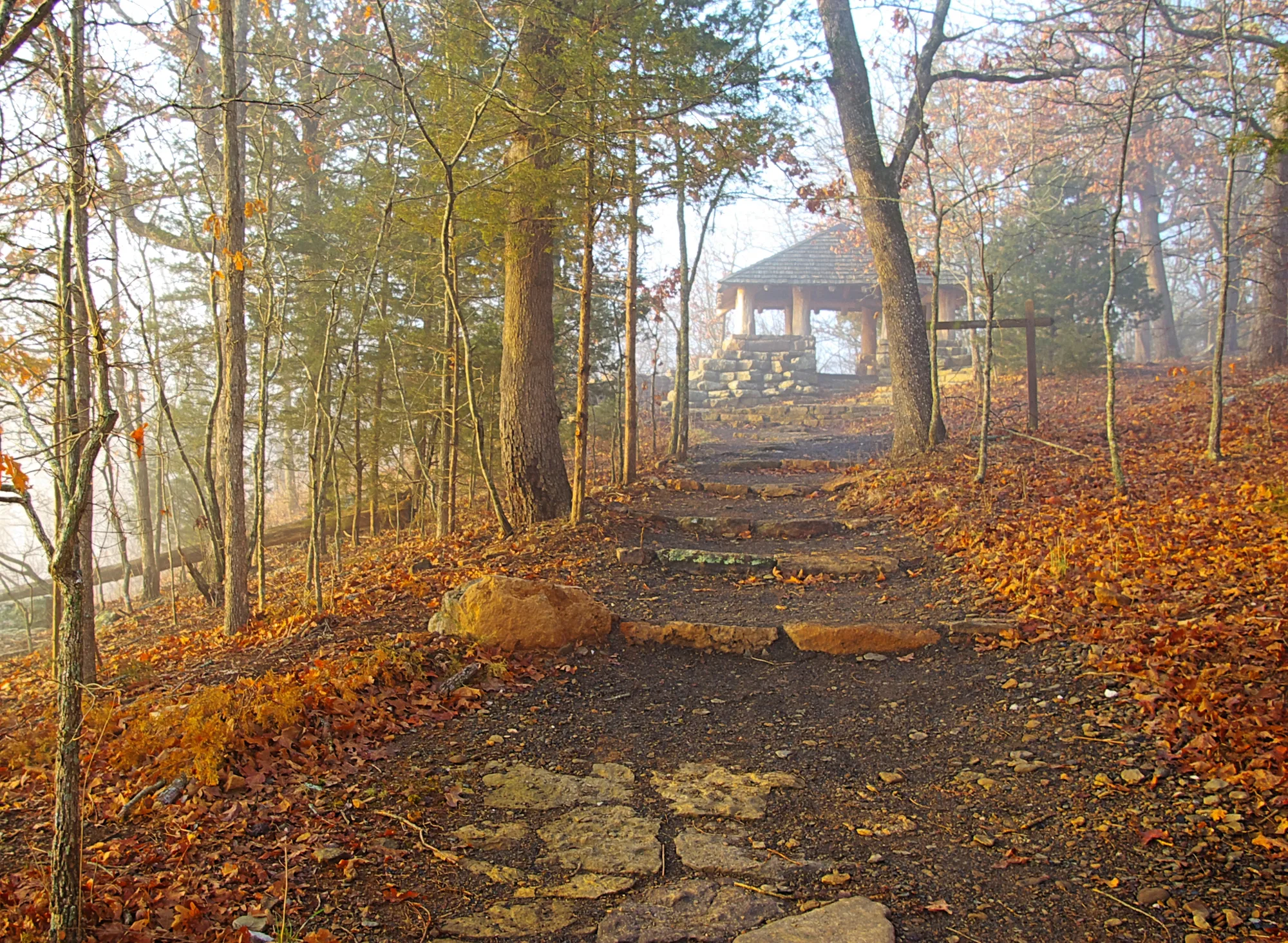
Devil’s Den State Park near West Fork combines wooded Ozark scenery with a substantial legacy of Civilian Conservation Corps construction. Stone buildings, bridges and trail features give the park a sense of place that is difficult to capture from a highway. Lee Creek and the surrounding hills make it easy to build an outing around a walk and a picnic.
The Yellow Rock Trail is known for its overlook, but it is a real hike rather than a level stroll to a railing. Review the park’s current trail information and choose a route that suits your experience, the weather and the amount of daylight available. The trail’s rock surfaces can be slippery, especially after rain, and views from high places are best enjoyed well back from the edge.
The park’s name can suggest that cave exploration is the center of every visit, but access rules protect sensitive cave habitats. Do not enter a cave or crevice without confirming that access is permitted; signs and staff guidance take priority over old trip reports. Above ground, there is plenty to notice in the creek valley, woodland and historic structures.
If you want an overnight stay, investigate the park’s camping and cabin options in advance. A morning start can make a longer trail more comfortable, but a relaxed lunch and a shorter walk are equally good ways to appreciate the setting. Leave room for changing conditions on winding Ozark roads.
3. Pinnacle Mountain: A recognizable peak near Little Rock
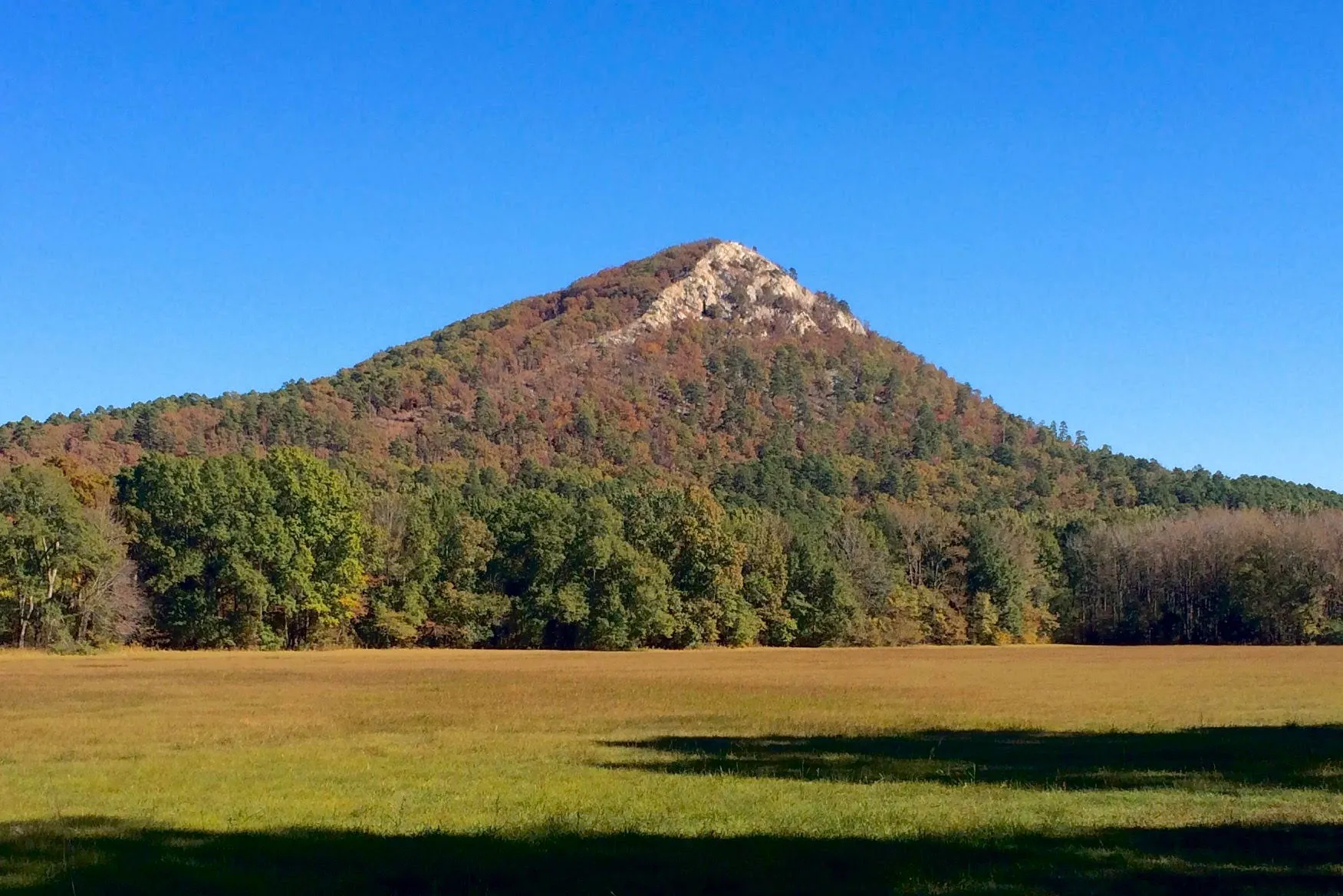
Pinnacle Mountain rises just west of Little Rock, a distinctive summit that makes the city’s outdoor options feel surprisingly close. It can be the focus of a hike, but the surrounding park also offers trails and spaces for a less demanding visit. Choose the day you want before automatically heading for the top.
The East and West Summit routes climb the mountain and require preparation for steep, rocky terrain. A summit is not a casual extension of every picnic: bring water, allow time for the descent and turn around if heat, weather or footing make the trip uncomfortable. Hikers with children should choose a route that fits the whole group, not just its fastest member.
For a different pace, look at the park’s trail map and visitor information for lower-elevation routes and other facilities. A shorter walk can make time for the river landscape, a picnic or a conversation about the geology of the mountain. The visitor center is a useful place to ask staff about current trail conditions and recommended options.
Because the park is close to a large city, parking and popular trailheads can be busy. Check the park’s current hours and notices, avoid leaving valuables visible in a vehicle and give other trail users room. The mountain will still be there if the safest choice is to return on a quieter day.
4. Mount Magazine: Views from Arkansas’s high country
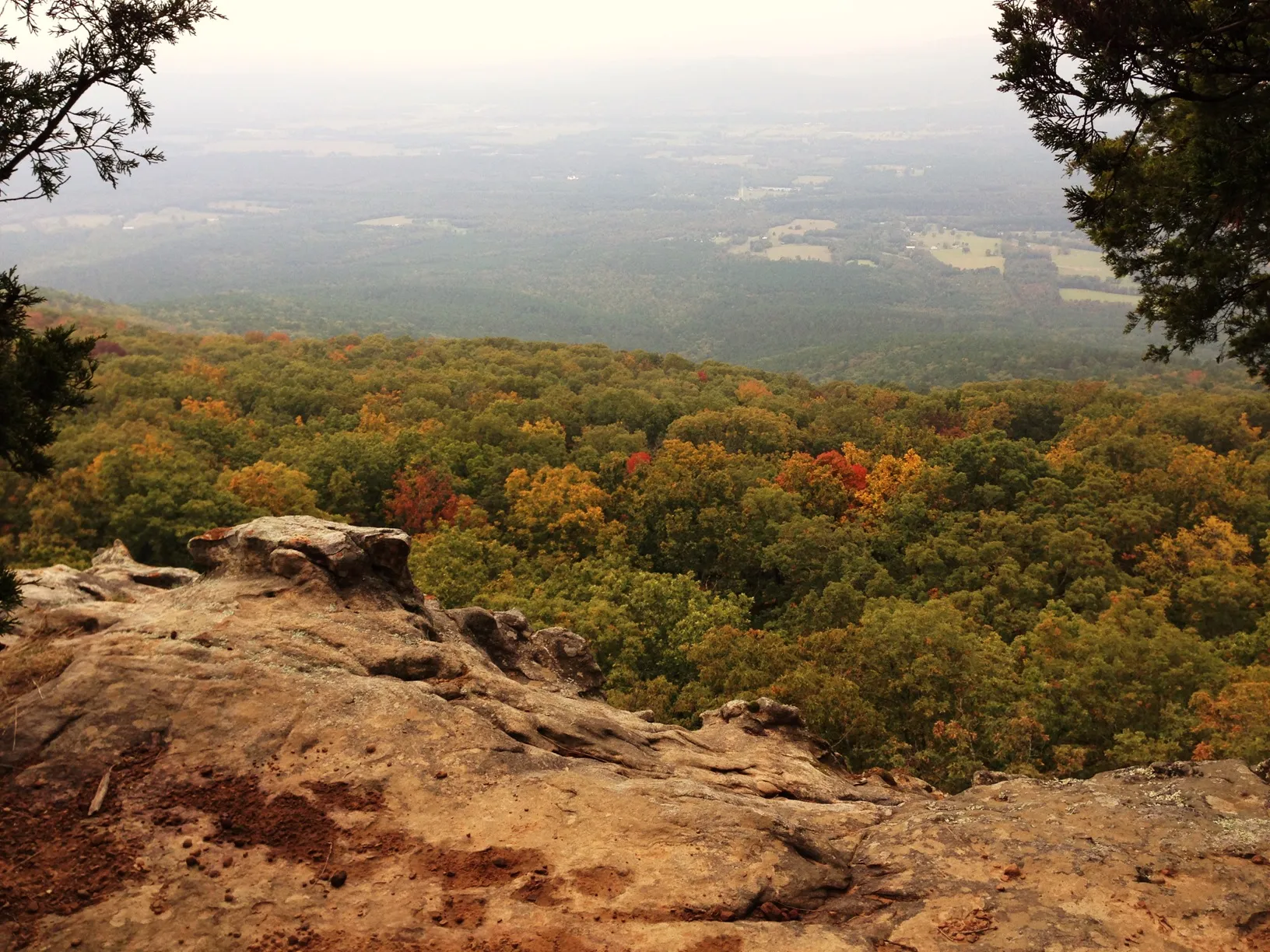
Mount Magazine State Park brings visitors into Arkansas’s highest mountain country. The park lies on national forest land and includes overlooks, trails, a lodge and opportunities to spend more than a few minutes with the view. The landscape changes with light and season, from green forest in warm months to long views when leaves thin out.
Signal Hill is the high point of Mount Magazine and of Arkansas. The park’s map gives its elevation as 2,753 feet, and a trail leads visitors toward the summit area. The number is interesting, but the experience is more than reaching a point on a map: look for the texture of the forest and the changes in the land as you travel across the mountain.
Overlooks and the lodge area offer another way to enjoy the elevation. Check the park’s map and current notices for access to specific viewpoints, trails and facilities before making a long drive. Conditions can differ from the valley, and fog, storms or winter weather can change both visibility and road conditions.
If you plan to stay overnight, check lodge, cabin or campground availability rather than assuming a room or site will be open. Let the drive be part of the outing, but stop only at established pullouts. A patient afternoon on the mountain gives you a better chance to appreciate the changing light than a schedule built around racing from one attraction to another.
Before you go
These parks protect very different landscapes. Check each park’s official page for trail closures, hours, lodging and accessibility, and carry the water and footwear appropriate to your route. Rain can make rock and creek crossings dangerous; summer heat and exposed overlooks require care. Choose established paths, respect wildlife and leave natural and historic resources in place.