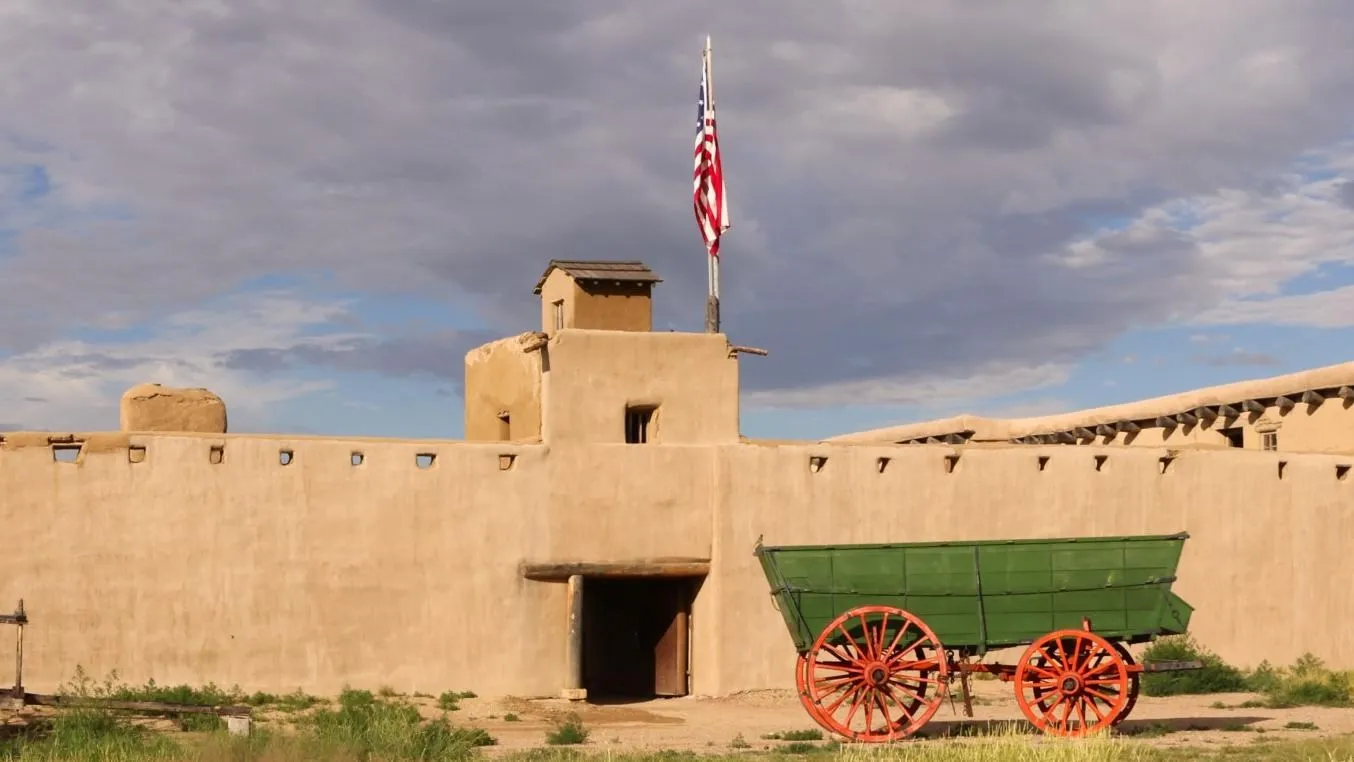
On the plains of southeastern Colorado, the adobe walls of Bent's Old Fort offer a starting point for exploring the region's trading history. The structure visitors see today is a 1976 reconstruction, built to interpret an earlier trading post that operated along the Mountain Branch of the Santa Fe Trail in the 1830s and 1840s.
A visit is about more than looking inside a fort. It is a chance to consider the people and relationships that shaped this place, including Cheyenne and Arapaho communities, traders, travelers and workers. These five ideas can help visitors plan a thoughtful outing.
1. Start at the Orientation Plaza
The National Park Service recommends beginning at the orientation plaza near the visitor parking area. Exhibits introduce the site, and a paved path leads toward the reconstructed fort. Restrooms and picnic facilities near the orientation shelter make this a practical place to pause before walking.
Ask for current information at the information center and check the event calendar before arriving. The grounds and the reconstructed fort do not necessarily follow the same access schedule. Weather also matters: summers can be very hot, while winter temperatures can fall below freezing.
Bring water, dress for the forecast and leave time to walk at a comfortable pace. The fort's appearance can draw you straight to the gate, but the introductory exhibits help explain what you are seeing before you get there.
2. Understand the Reconstruction
The original trading post was begun in 1833 and abandoned and partly destroyed in 1849. The National Park Service reconstructed the fort as a bicentennial project, dedicating the new structure in 1976. The distinction matters: the building interprets history rather than standing as an untouched survivor from the 1840s.
Park historians used accounts, drawings, archaeology and other evidence to inform the reconstruction. As you look at the adobe walls and the watchtower, consider both the history of the trading post and the later decisions involved in rebuilding it.
The watchtower is a prominent feature above the front gate. The park notes that it does not appear in sketches made before 1845, a useful reminder that historic places changed over time rather than existing in one fixed form.
3. Check Plaza and Tour Access Before You Go
As of November 2026, the National Park Service says entry into the reconstructed fort is generally limited to the central plaza on scheduled access days. Guided tours may provide access to additional furnished areas. These restrictions address safety concerns in the reconstructed structure, and the park has not given a timeline for full reopening.
The grounds and trails may be open when plaza entry is not. Consult the official calendar and current conditions before planning around an interior visit, and respect all barriers and staff instructions. Holiday closures and seasonal schedules can also affect a trip.
If a ranger program is available, it can add context that is easy to miss when walking through on your own. Ask what is offered on the day of your visit and whether advance arrangements are needed.
4. Consider the People Behind the Trade
The trading post brought together people with different communities, languages and purposes. The National Park Service describes trade involving Cheyenne and Arapaho people as well as traders, trappers and travelers. These relationships and the changing political conditions of the region are central to understanding the fort.
William Bent's family history is also part of that story. The park discusses his marriage to Mestaa'ėhehe, also known as Owl Woman, a Cheyenne woman, in explaining the fort's connections to Cheyenne communities. Look for interpretation that places individual lives within these wider relationships rather than reducing the site to a list of buildings.
Give yourself time to read exhibits and listen to the park's interpretation. Historical perspectives can be complicated, and a careful visit makes room for more than one account of the past.
5. Notice the Details of the Reconstructed Site
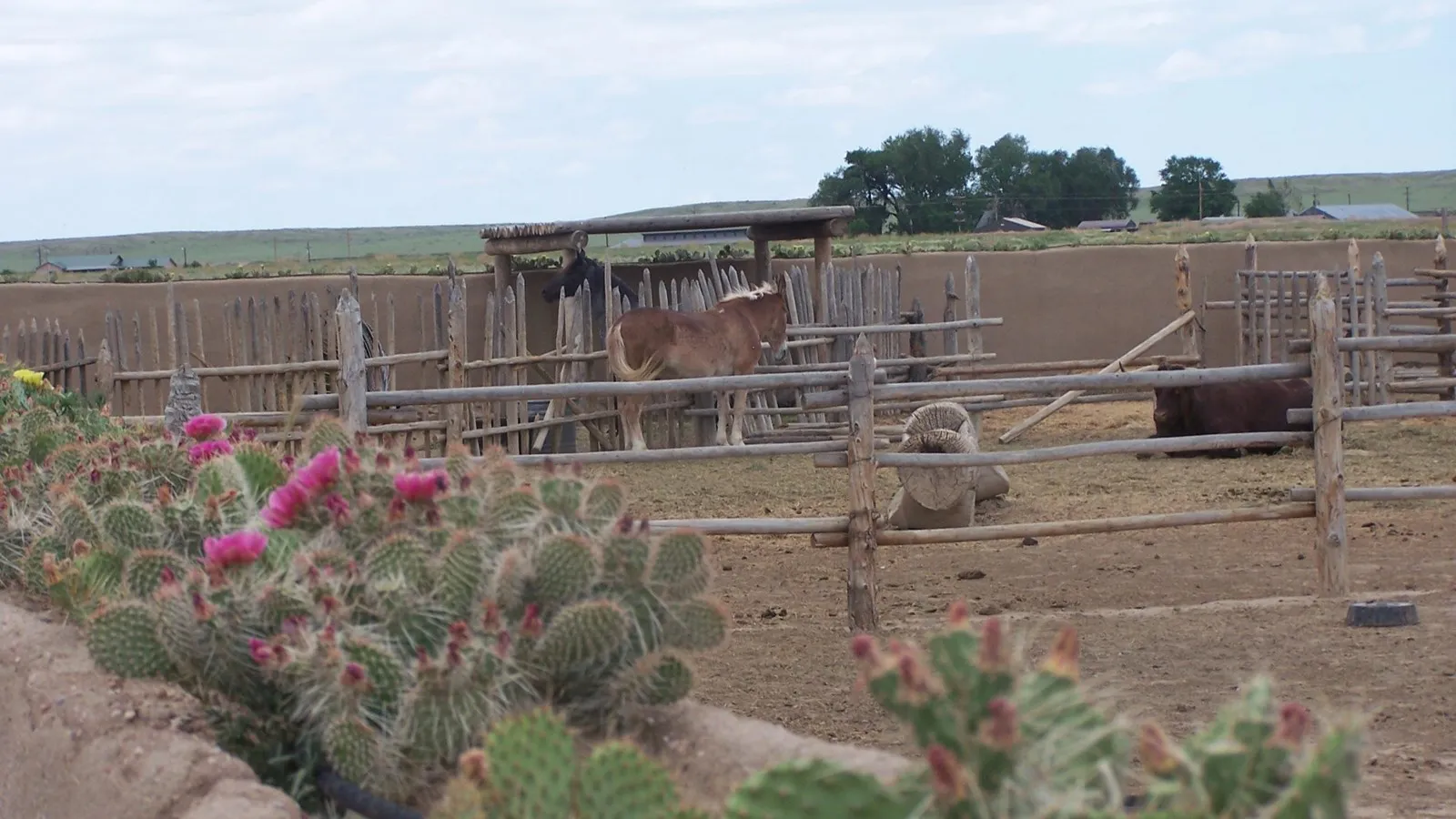
Small details can make the larger story easier to picture. The park's description of the corral discusses adobe walls, livestock and the archaeological work used to interpret an area that had been altered by later agricultural use. The photograph above shows cactus along the reconstructed corral wall; access to individual areas may be restricted.
Look at the materials, the relationship between open and enclosed spaces, and the surrounding plains. Follow marked routes and do not enter closed rooms or climb on structures. Historic-looking surfaces can be fragile, even when they are part of a modern reconstruction.
Before You Go
Check Bent's Old Fort National Historic Site's current hours, plaza schedule, guided-tour information and weather. Carry water, use sun protection and wear shoes suited to walking. The park's calendar and conditions page provide the most reliable details for the day of your visit.