Florida's coast is full of places where the view and the history demand equal attention. A stone watchtower faces a tidal inlet. A brick fortress occupies an island far from Key West. Near St. Augustine, a park tells the story of people who risked everything in pursuit of freedom.
These seven destinations stretch across the state and are ideas for separate outings, not one quick road trip. Some preserve large fortifications; others protect archaeological sites or present a reconstruction. Check current hours, access, weather and admission with each operator before setting out.
1. Castillo de San Marcos: A St. Augustine Landmark Built From Shell Stone

On the edge of historic St. Augustine, the Castillo de San Marcos looks across the water from thick walls of coquina, a local limestone made from compressed shell fragments. Its angular bastions reveal the military engineering behind a landmark that has watched the city change for centuries.
The Spanish began the fort in 1672. Its construction relied on many people, including Native laborers forced into service, as well as free and enslaved Africans, Spanish workers and European prisoners. Under later U.S. control the fort was also used to imprison Native Americans. Park exhibits offer an opportunity to learn about those histories as well as the building's architecture.

Walk the grounds and, with admission, explore the rooms and gun deck when open. Florida sun and heat can be intense, and the National Park Service may close the deck during lightning. Check the park's visitor information for hours, fees, demonstrations and accessibility before arriving.
2. Fort Matanzas: A Watchtower Reached by Water

South of St. Augustine, Fort Matanzas stands on Rattlesnake Island near the river and inlet it was built to guard. Completed in 1742, the compact coquina tower protected a southern approach to the Spanish settlement. Compared with the Castillo's sprawling walls, it offers a more intimate sense of a small outpost.
The visit starts at the mainland visitor center. A National Park Service passenger ferry takes visitors to the fort when service is operating, and every passenger needs a free boarding pass obtained in person. Capacity is limited, passes are first come, first served, and the current schedule has no ferry on Tuesdays or Wednesdays. Weather can interrupt service, so check the latest schedule and alerts rather than relying on a particular departure.

The mainland area also has trails and places to observe the coastal environment. Ask rangers about current access and plan for a different experience if the ferry is full or unavailable; there is no road to the fort itself.
3. Fort Mose: A Community's Search for Freedom

Fort Mose Historic State Park, north of St. Augustine, tells a history that extends beyond military walls. In 1738, Spanish authorities established a settlement for people who had escaped enslavement in the British colonies. Known as Gracia Real de Santa Teresa de Mose, it became the first legally sanctioned free Black settlement in what is now the United States.
The original earth and wooden structures no longer stand. The park now has a reconstructed fort, a museum and interpretive displays that help visitors imagine the community and understand the risks its residents undertook. The Flight to Freedom Trail adds a woodland walk with panels about that journey.

Leave time for the observation boardwalk and the marsh landscape as well as the exhibits. Programs and access to the reconstruction may vary, so consult the park directly for current hours and tours. Treat the historic grounds with the care due a place tied to struggle, survival and community.
4. Fort Clinch: Brick Rooms Beside the St. Marys River

At the northern end of Amelia Island, Fort Clinch State Park combines a nineteenth-century brick fort with beaches and maritime forest. Its position near the mouth of the St. Marys River explains why this corner of Florida mattered to the people who sought to control shipping and coastal defenses.
Inside the fort, rooms, galleries and interpretive programs bring military life into focus. The park describes living-history demonstrations that explore the lives of Union soldiers; check its current event calendar before making plans around a demonstration. The fort and the larger park can have different hours and fees.

Make the visit more than a quick history stop by leaving time for the park's nature trails or shoreline. Wear comfortable shoes, carry water and watch the weather. Conditions and access can change after storms, and protected dunes and wildlife need space.
5. San Marcos de Apalache: A Fort Site Where Two Rivers Meet

At St. Marks, the Wakulla and St. Marks rivers come together beside a historic site with layers of human history. San Marcos de Apalache preserves architectural remains from successive fortifications rather than a complete standing fortress, making its museum and interpretive trail especially useful companions to a walk.
The park describes a history involving Indigenous people and Spanish, British, American and Confederate occupation. Exhibits include pottery and tools recovered near the original fort. The landscape is part of the story too: this river junction connected inland routes to the coast and made the site strategically significant.

Visit the museum, follow the self-guided trail and pause at Tucker's Point for the river view. The park and museum have limited operating days and may charge separate admission for exhibits, so confirm current information before setting out. Fishing is another option where permitted under current rules.
6. Fort Zachary Taylor: History and a Beach in Key West

Fort Zachary Taylor Historic State Park gives visitors a chance to pair a historic fort with a day on the water. The brick fort predates the Civil War and contains rooms, corridors and historic armament that tell a story of coastal defense at the southern edge of Florida.
Explore the fort and its interpretive displays before heading to the park's beach. State park information notes that the fort closes earlier than the park itself, an easy detail to miss if you plan a late afternoon visit. Check for current tours, special events and any changes to access.

The beach area offers swimming and snorkeling opportunities when conditions allow. Bring footwear suited to the shore, use designated access points and pay attention to weather and water conditions. The historic site and the natural setting are both reasons to protect the place while enjoying it.
7. Fort Jefferson: A Remote Fortress in the Dry Tortugas
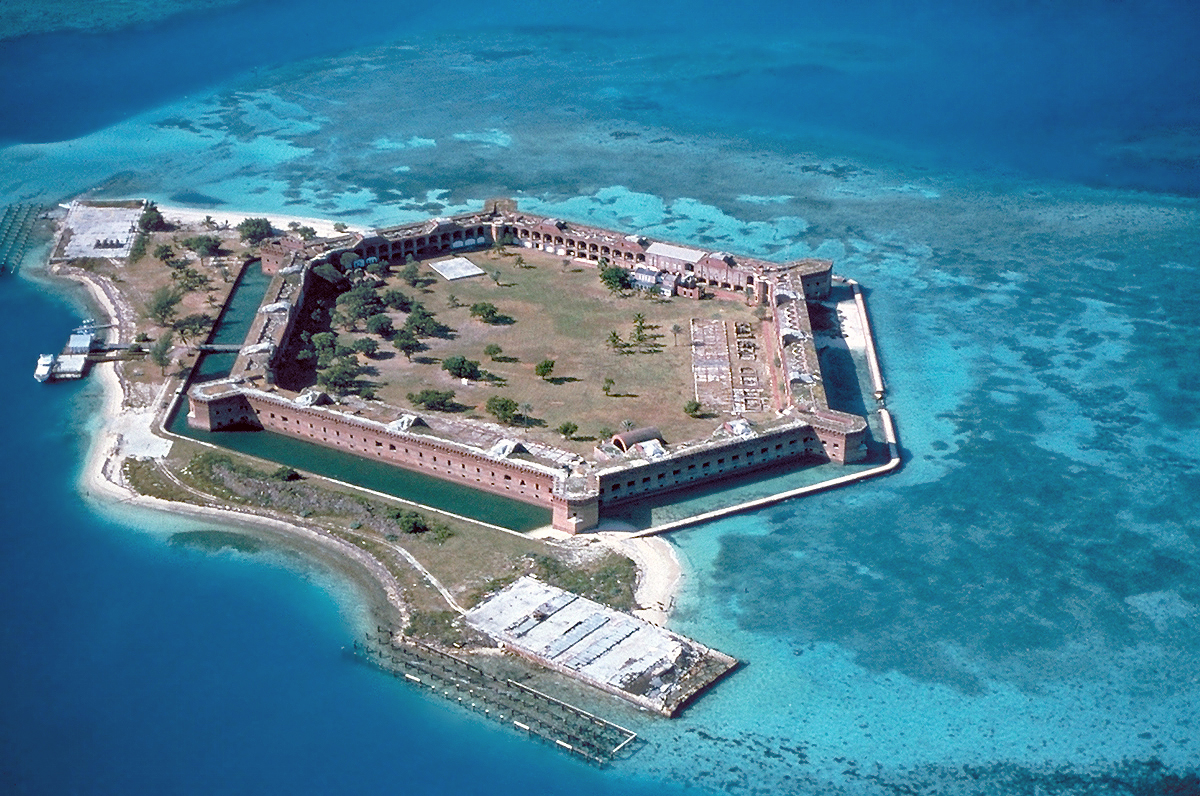
Fort Jefferson rises from Garden Key in Dry Tortugas National Park, surrounded by open water west of Key West. The scale of its brick walls and the isolation of its island setting make the journey feel different from a stop at a roadside historic site.
Reaching the park requires planning: visitors commonly travel by ferry or seaplane, and reservations and transportation costs are separate considerations. Service depends on conditions. The National Park Service also provides information about permitted operators and self-guided visits, so check current options, fees and park alerts before booking.

On arrival, use the interpretive signs to learn about the fort and its past, including its use as a prison. Bring the supplies your operator recommends, protect yourself from the sun and follow park guidance around historic masonry, nesting wildlife and the water. This is a remote place, and the trip is a commitment of time as well as money.
Before You Go
Hours, tickets, ferry schedules and storm-related closures can change. Consult the official pages below close to your visit, and check accessibility details for stairs, uneven historic surfaces, sand and boats. Leave artifacts where you find them and stay out of closed or restricted areas.


