Florida's waterfronts don't all tell the same story. One leads to a historic fort, another to working boats and sponge docks, and another to a lake with a lighthouse far from the ocean.
These eight communities offer different reasons to slow down near the water. Pick the one that suits your idea of a day out, check what's open, and leave enough space in the schedule to enjoy the view.
1. Fernandina Beach
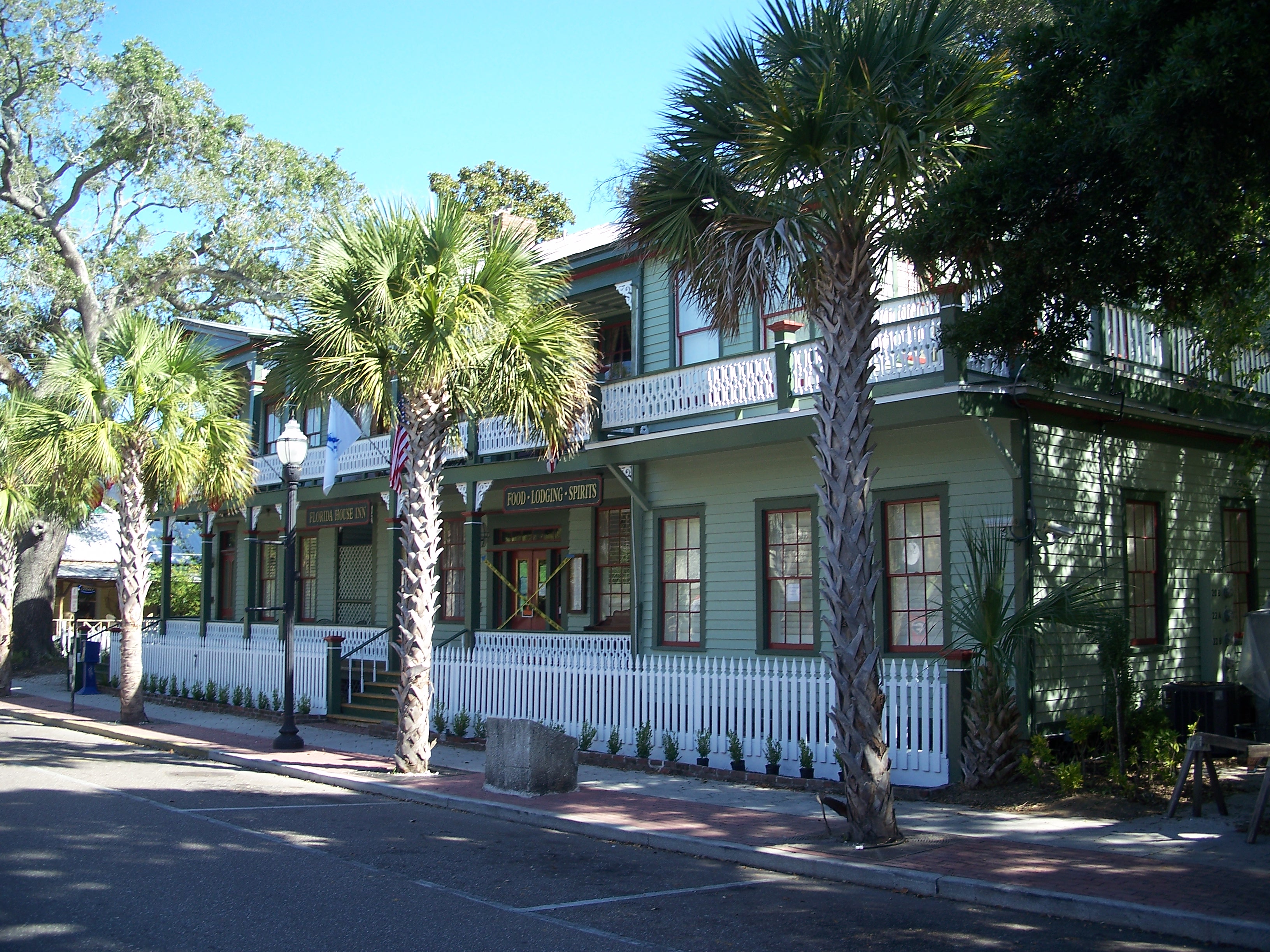
Fernandina Beach gives you a choice that makes a day trip feel generous: wander a historic downtown, spend time near the water, or add a state park with a nineteenth-century fort. You can do one or two well without trying to see every corner of Amelia Island.
Fort Clinch State Park is in Fernandina Beach and combines historic grounds with several distinct stretches of shoreline. The state park describes opportunities to explore the fort as well as beaches and nature trails. Check the current schedule and entrance fees before visiting; the park, visitor center, and fort can have different hours.

The beach rules matter here. The park says swimming is not permitted north of the fishing pier because of dangerous currents near the inlet. Pay attention to posted beach warnings, give resting shorebirds space, and ask staff if you're unsure where an activity is allowed.
For a quieter finish, return downtown and leave time for a meal or a walk. The waterfront and the fort tell different parts of the area's story, and neither needs to be rushed.
2. Apalachicola

Apalachicola sits on Florida's northwest coast with the feel of a working port town and a downtown shaped by its maritime history. Florida's tourism office highlights historic buildings, fishing, and outdoor recreation as part of the community's appeal.
Start with a walk through the historic area, paying attention to the buildings and the businesses that give the streets their character. Then head toward the waterfront for a look at the boats and the place where the town's working life meets the water.

If seafood is part of your plan, check restaurant hours and menus directly before you go. Local availability can change, and a recommendation is most useful when it matches what is actually open on the day you visit.
Apalachicola is a good choice for travelers who like a destination with more than one layer. Make room for its history, its working waterfront, and a slow meal rather than treating the town as a quick stop on the way somewhere else.
3. Cedar Key

Cedar Key is a small island community on Florida's Nature Coast. The state's tourism guide describes a walkable town where fishing, boating, and the waterfront are central to the experience.
Dock Street and the marina offer a place to start. Look at the boats, explore the town's streets, and see which local businesses are open before deciding where to stop for lunch. If you want to get onto the water, research an appropriate charter or rental ahead of time rather than assuming every operator runs every day.

The nearby Cedar Keys National Wildlife Refuge includes islands offshore. Visiting a refuge is different from strolling the town: check access rules, seasonal wildlife closures, weather, and the conditions of your planned boat trip. Never assume every island or beach is open for landing.
Coastal communities can experience storms and changing access. Confirm current services and conditions with local operators before traveling. A flexible plan leaves room for the town you actually find when you arrive.
4. Tarpon Springs

The waterfront at Tarpon Springs has a story you can follow along the Anclote River. Florida's tourism office points visitors toward the historic sponge docks and the area's Greek heritage, including a sponge-diving industry developed in the early twentieth century.
Begin at the docks and pay attention to the boats and businesses around them. The district can be a lively introduction to the city's maritime history, but it is also a place where visitors can choose their own pace: look around, find a meal, and take time to understand what brought the community here.

Downtown Tarpon Springs is another part of the visit. Florida's tourism guide notes its historic district, specialty shops, and galleries, so consider leaving time for both areas rather than assuming the docks are the whole city.
Boat rides and demonstrations may be available through local operators. Verify schedules, accessibility, weather policies, and costs before booking. The water and the history will make a stronger impression when you're not hurrying to catch a tour you haven't checked.
5. Dunedin

Dunedin pairs a bike-friendly downtown with a short drive to Honeymoon Island State Park. That combination makes it possible to build a day around a town walk, a trail ride, a beach visit, or a little of each.
The state's tourism guide identifies the Fred Marquis Pinellas Trail as a feature of downtown. If you plan to ride, decide how far your group wants to go and check current trail conditions. An out-and-back ride can be just as satisfying as trying to cover a long distance.

Honeymoon Island offers beaches, nature trails, and a nature center. Florida State Parks also identifies it as the ferry departure point for Caladesi Island. Check park fees and ferry information directly; a ferry ride is a separate plan that depends on service and weather.
The park warns of a cut created by erosion near the northernmost sandspit, with deep water and strong currents. Follow current park directions and do not enter or cross that water. There are plenty of ways to appreciate the shoreline without putting yourself or others at risk.
6. Mount Dora

Mount Dora is the inland choice on this list. Its waterfront is Lake Dora rather than the Gulf or Atlantic, and that change of scenery is precisely the point: Florida's lake towns can make a day by the water feel very different.
Florida's tourism office highlights the lakefront, a lighthouse, fishing piers, and a downtown with a historic sensibility. Start with a look at the water, then explore the streets and shops at a pace that leaves room for an unexpected stop.

If antiquing is your kind of treasure hunt, the area has options to investigate, including markets outside the immediate downtown. Check dates and locations before you go; a special market weekend and a regular weekday can offer different experiences.
Mount Dora works well for a day that alternates a waterfront stroll with indoor browsing. Check the weather, parking, and hours of any specific attraction, then leave the rest of the afternoon open.
7. St. Augustine

St. Augustine brings history to the waterfront on a larger scale than some of the smaller communities here. The Castillo de San Marcos is a prominent landmark near the water, while the historic district gives visitors streets, exhibits, shops, and places to eat within a broader walkable area.
Choose a focus before arriving. A fort visit, a museum, and a downtown walk can each take more time than a glance at the map suggests. Review the National Park Service's current Castillo information for hours, fees, and accessibility, and check any private attractions' schedules separately.

Florida's tourism information also describes the Colonial Quarter in the downtown historic district. It is a separately operated attraction, so verify its current tours and admission details if it interests you. A self-guided walk around town is another option if you prefer a less structured afternoon.
This city can be busy. Consider where you will park and how far everyone in your group is comfortable walking. The reward for a little planning is more time to notice the waterfront and the layers of history around it.
8. New Smyrna Beach

New Smyrna Beach offers a town-and-seashore pairing. Its northern access to Canaveral National Seashore gives visitors a way to add a protected coastal landscape to a trip that might also include time in town.
The National Park Service lists the Apollo Visitor Center on South Atlantic Avenue in New Smyrna Beach. Start with official information about current conditions, entrance requirements, and the section you intend to visit; the seashore has separate north and south districts, and they should not be treated as interchangeable entrances.

Accessibility matters when you are planning a beach day. The park identifies accessible beach ramps at Apollo parking areas 1 and 5 and says a beach wheelchair is available at the north district, with an assistant required. Confirm availability and current access directly before relying on that equipment.
Leave time afterward to enjoy the community beyond the park. A beach visit, a meal, and an easy walk can make a full day without a long list of stops. Watch the forecast, follow posted water-safety guidance, and respect wildlife and protected areas.
Before You Go
These destinations sit on different coasts and inland waters, so pick a realistic trip rather than attempting all eight together. Check current operating hours, storm recovery information, beach and boat conditions, fees, and accessibility directly with the relevant operator. Conditions can change quickly on the water.


