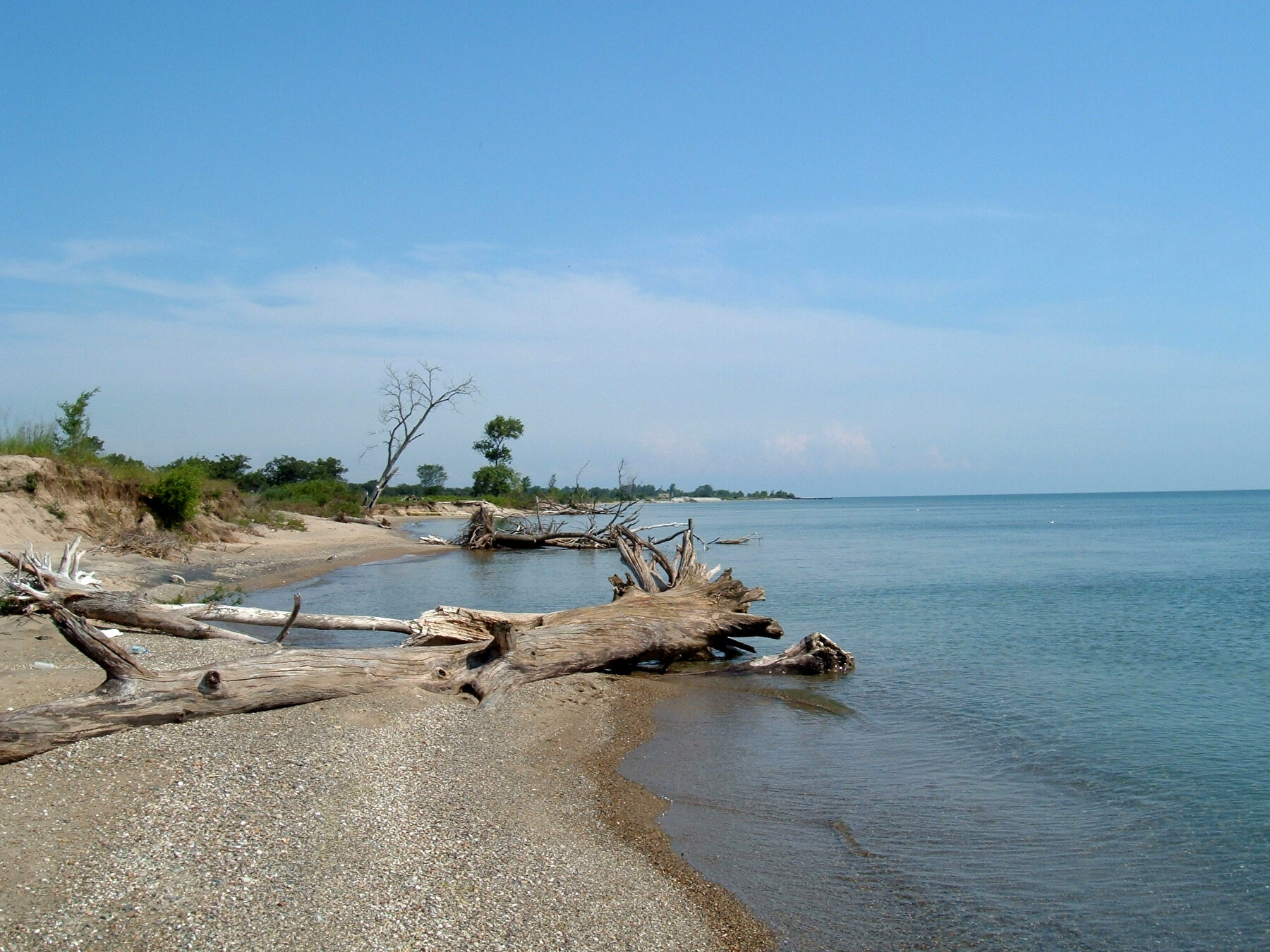
An Illinois museum day can take you from a dinosaur fossil to a railway car, from a presidential campaign to a working lock on the Mississippi River. The difficult part may be choosing which kind of curiosity to follow first.
These six destinations offer different reasons to set aside a few hours. Some are year-round indoor stops; one is a seasonal railway museum where the vehicles can be part of the experience. Check current exhibitions, tour arrangements and opening dates before making a special trip, then give yourself enough time to explore beyond the first gallery.
1. The Art Institute of Chicago — Chicago
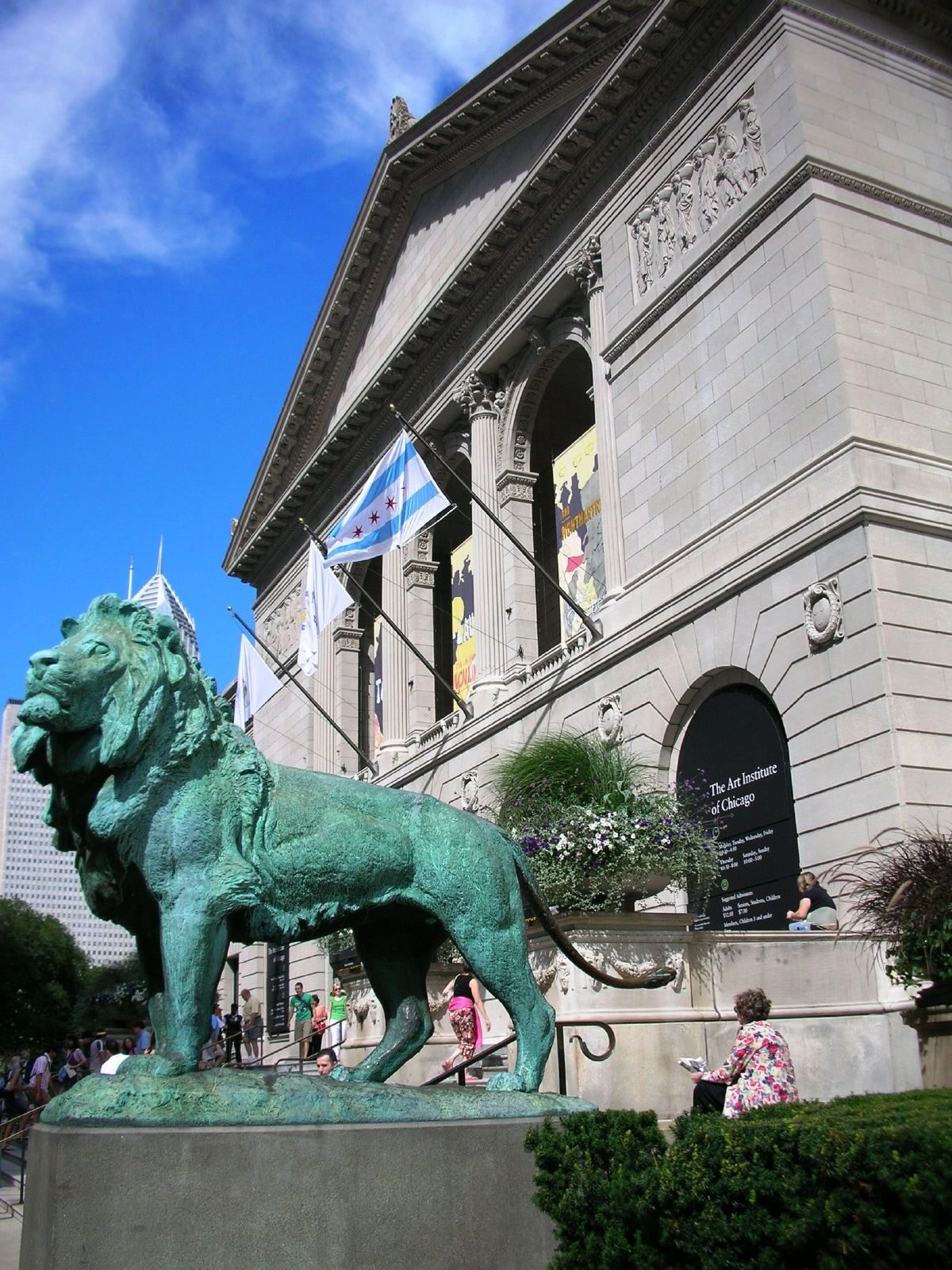
The bronze lions outside the Art Institute of Chicago make a recognizable starting point, but they only hint at how many directions a visit can take. Inside, the collection ranges across centuries and cultures, and an afternoon can easily disappear among paintings, sculpture, decorative objects and changing exhibitions.
The best strategy may be to resist the urge to see everything. Choose a few galleries or works that matter to your group, then leave room for a surprise along the way. The museum’s miniature rooms offer a different scale of looking from its large galleries, while the building’s setting near Millennium Park makes it easy to combine a museum visit with a downtown walk.
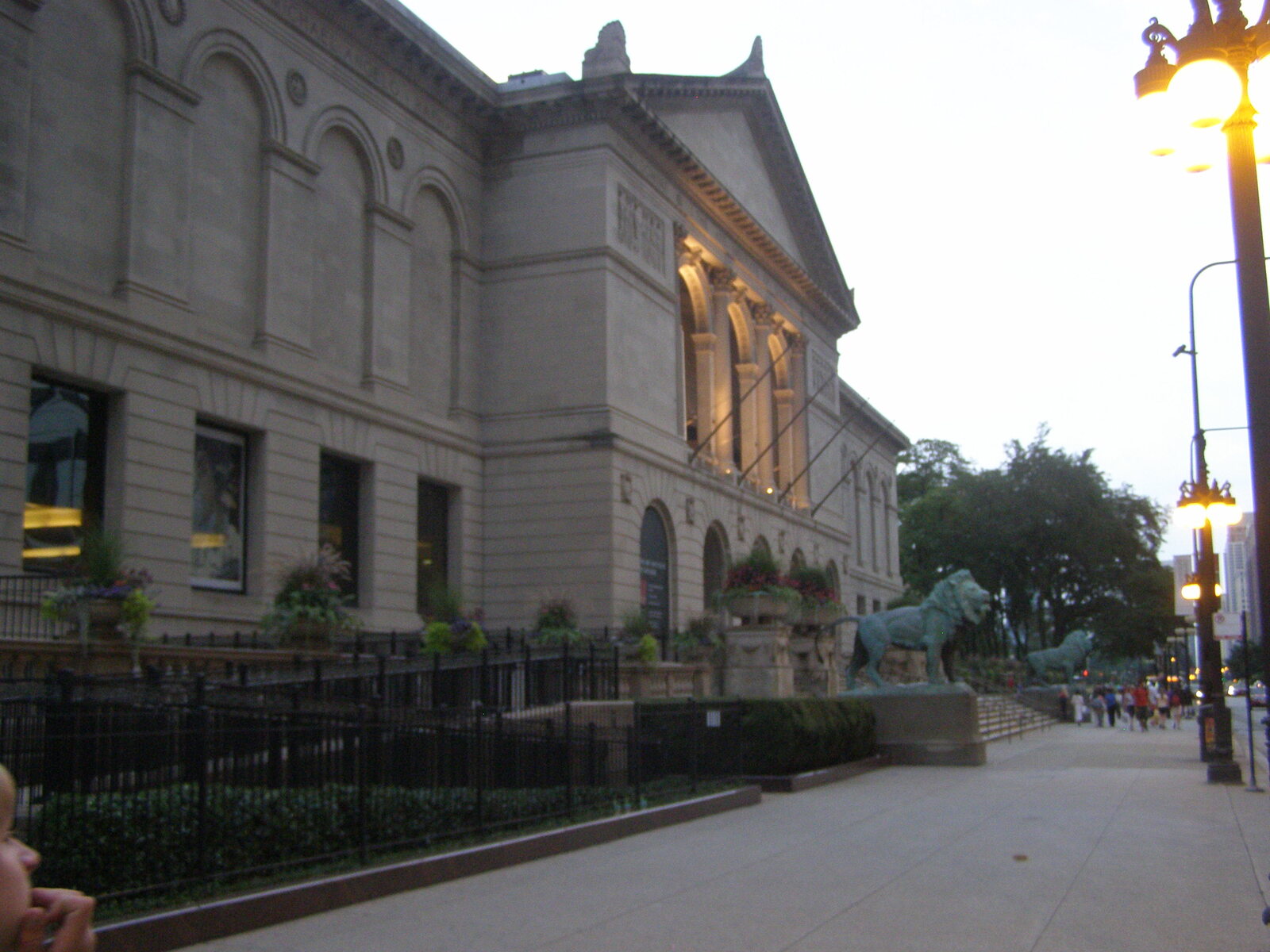
Check the museum map and current gallery information before promising a particular artwork to a fellow traveler. Works can move or be temporarily unavailable, and special exhibitions may have separate ticketing requirements. The Art Institute also lists an early member-only viewing period, so consult the current public hours rather than assuming the doors open to all visitors at the same time.
Plan for a meal or a break if you are making a day of it. A shorter, focused visit can be just as rewarding as a marathon through every floor, especially if it leaves you enough energy to look closely.
2. Abraham Lincoln Presidential Library and Museum — Springfield
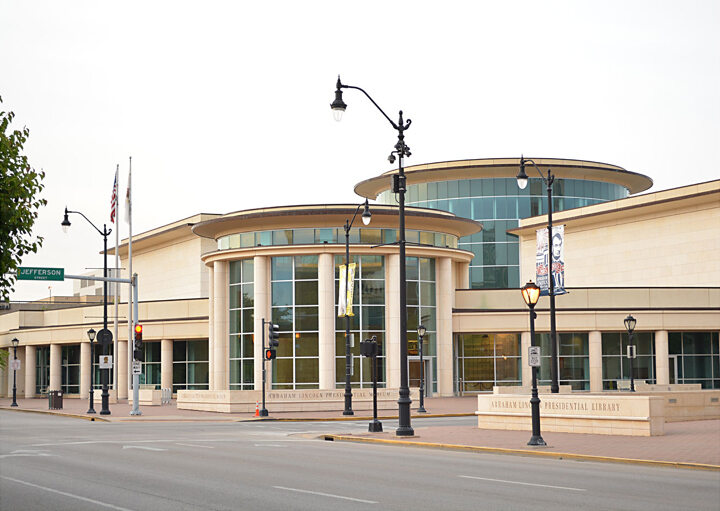
Springfield is full of Lincoln connections, but the Abraham Lincoln Presidential Museum offers a particular starting point: it follows his life through exhibits that move from his early years and political rise to the presidency and Civil War.
The museum’s central plaza connects the main exhibit journeys. One covers Lincoln’s early life and the path to the 1860 election; another turns to the presidency, the war and the human consequences of slavery and conflict. The displays use recreated settings and figures alongside interpretive material, giving visitors a way to move through the story at their own pace.
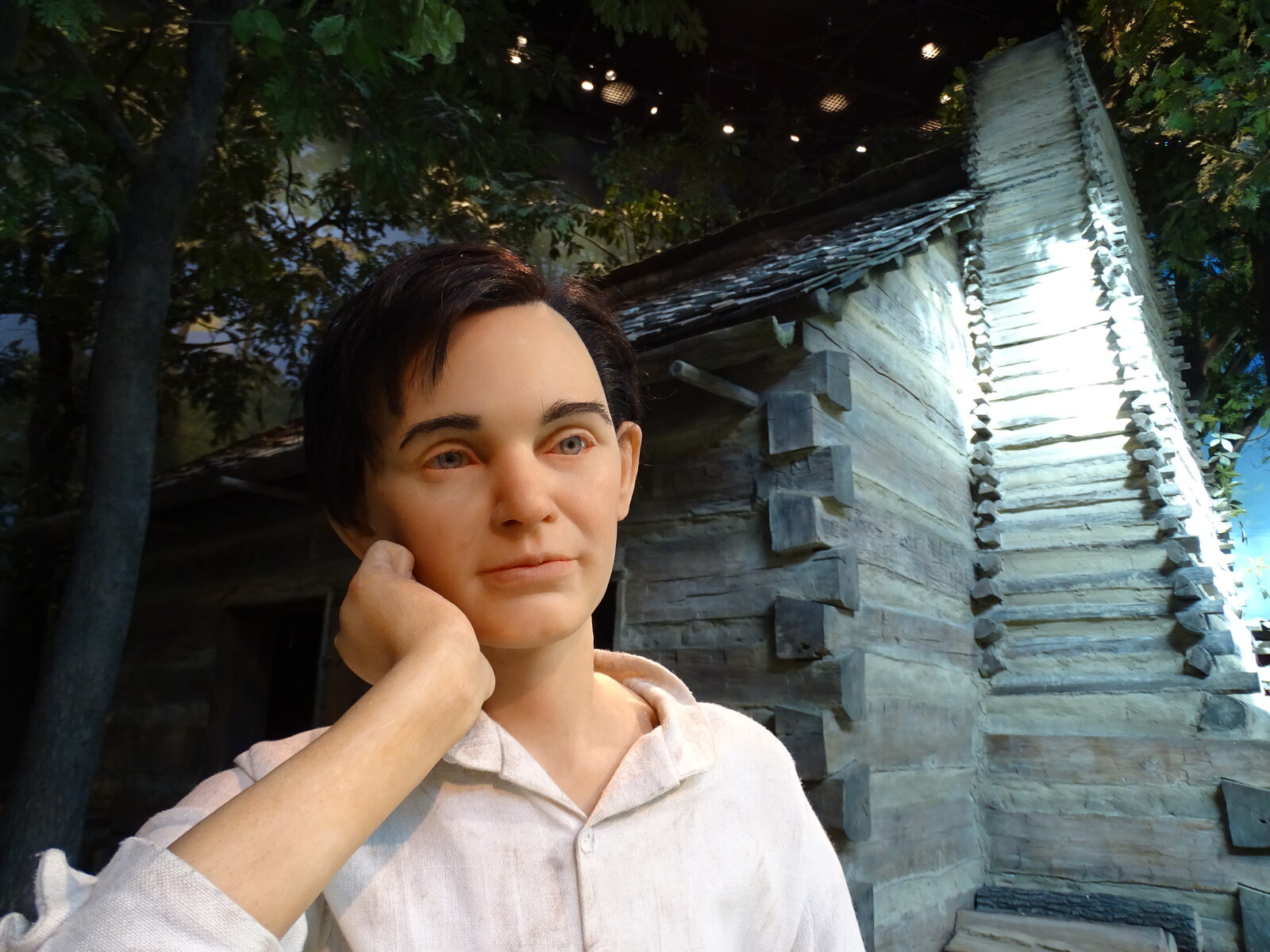
Leave time for the temporary galleries and theater presentations if they interest you, but check their current schedules and any content guidance for younger visitors. The library and museum are related parts of the institution with different functions and hours; a museum ticket is not the same thing as an appointment to conduct research in the library.
Springfield has enough historic sites to fill more than a single afternoon. Rather than rushing between them, choose the places you most want to see and confirm their individual hours. At the museum, follow the posted photography rules, which vary by exhibit and theater.
3. Burpee Museum of Natural History — Rockford
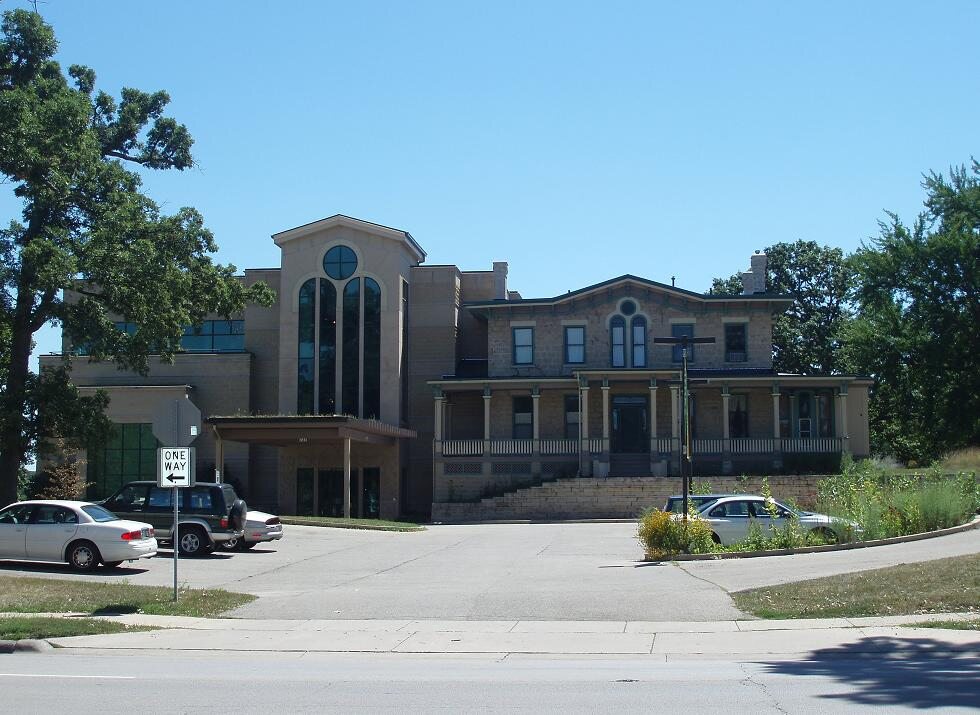
In Rockford, the Burpee Museum makes a strong case for slowing down in front of a fossil and asking how scientists know what they know. Its best-known dinosaur specimen, nicknamed Jane, was found in Montana and has become part of an ongoing debate about tyrannosaur identity and growth.
Researchers have interpreted Jane as a young Tyrannosaurus rex, while more recent research has argued for a different tyrannosaur species. The museum’s own material discusses that debate, which is a useful reminder that a museum label can represent an active scientific question rather than the last word. Ask what interpretation the current exhibit presents when you visit.
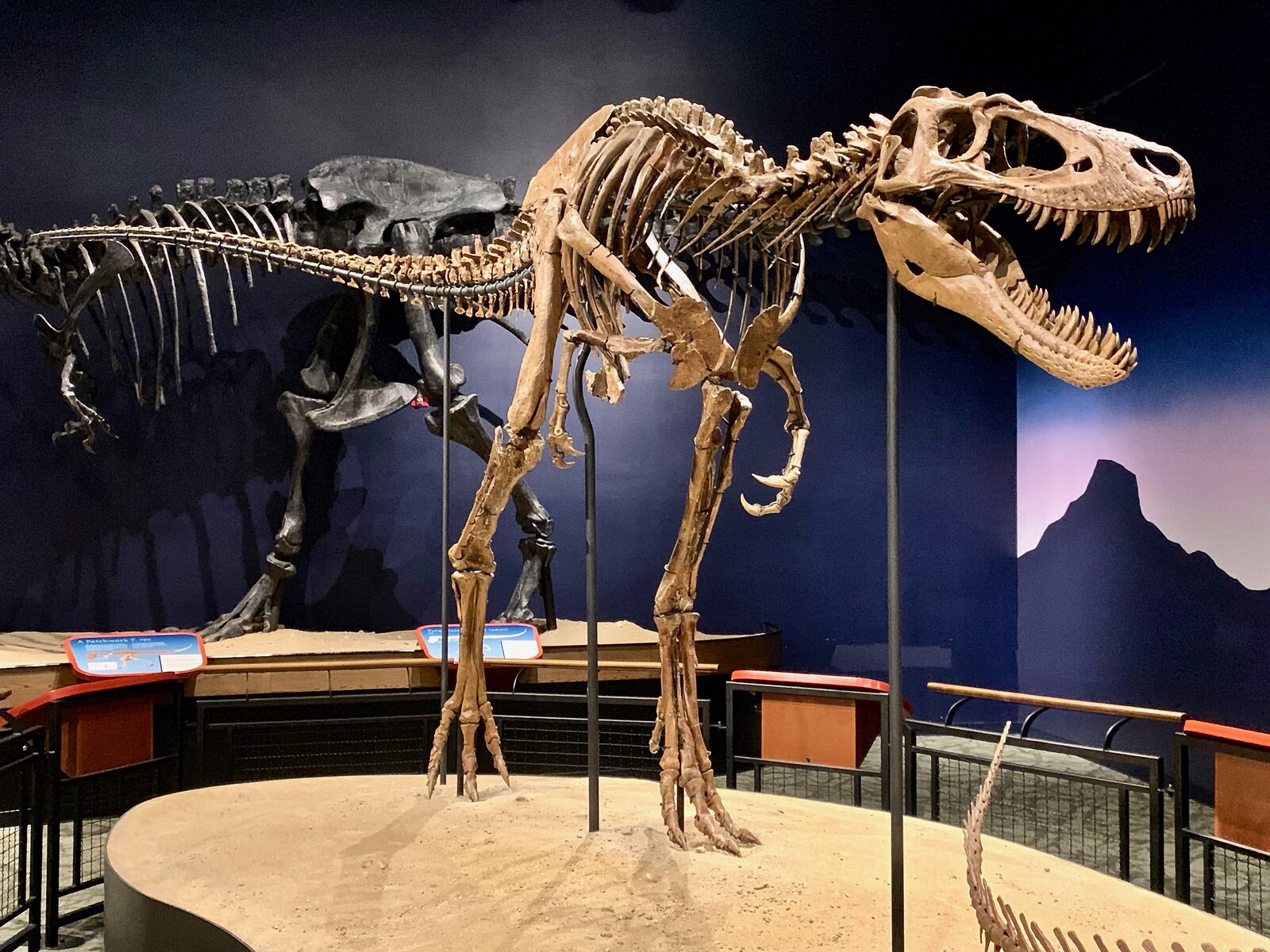
Burpee also explores natural history beyond one dinosaur. Look for exhibits about ancient environments, fossils and the living world, and check whether a laboratory view or special program is available on your date. Families with children who love dinosaurs may arrive for Jane and discover another subject that holds their attention just as long.
The museum lists daily hours but closes for several holidays, including Thanksgiving and Christmas. Verify the calendar and admission information before leaving home, especially around school breaks or special events.
4. Peoria Riverfront Museum — Peoria
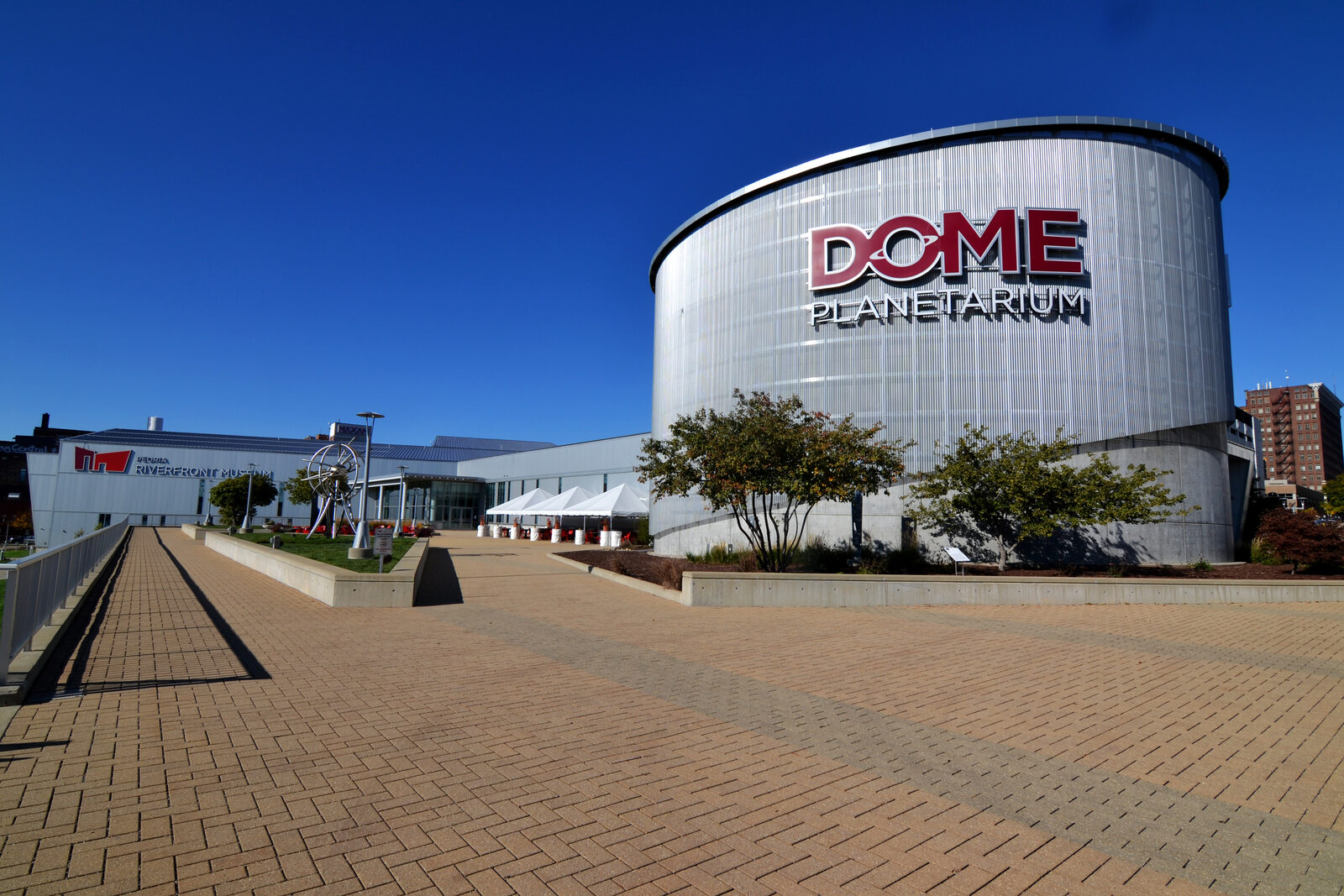
Peoria Riverfront Museum is a good choice for a group whose members cannot agree on one subject. Its exhibitions and collection bring together art, science, history and achievement, while a dome planetarium and giant-screen theater add different ways to spend time inside.
Start by checking the day’s showtimes, then build gallery time around the presentation you want to see. Regular planetarium shows are included with museum gallery admission according to the museum, while other films or special exhibitions may have different ticket arrangements. Confirm the details for your date rather than assuming one ticket covers every program.
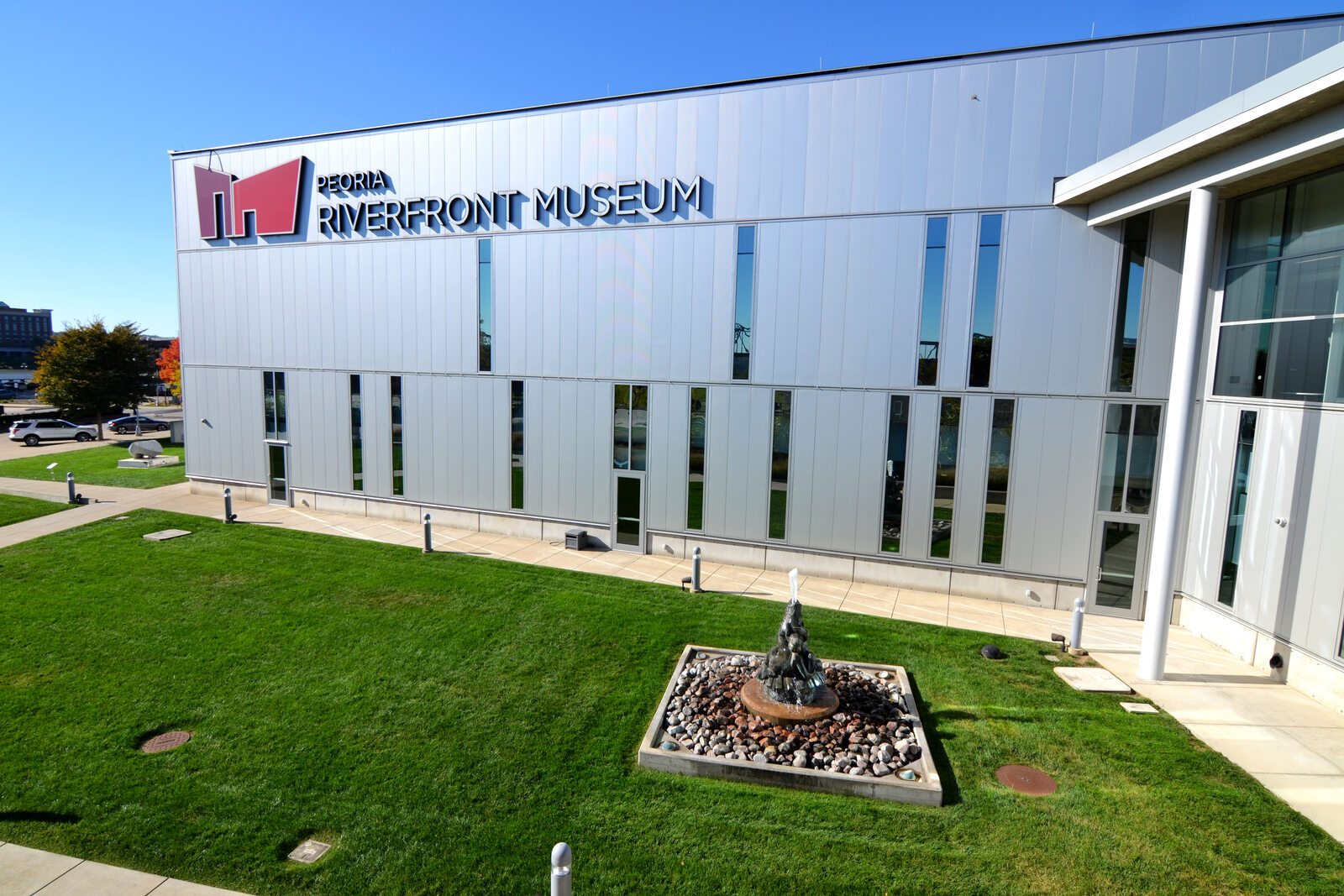
The riverfront setting also makes it possible to break up the visit with a walk outside. On a short trip, select a gallery and a show; with more time, explore the changing exhibitions and leave room for questions that do not fit neatly into a single subject. The museum opened in 2012, so its story is less about an old building than about the range of experiences gathered under one roof.
Check the current calendar for closures, special events and accessibility information. The museum also advertises free community admission on the second Sunday of each month; verify what is included before planning around that offer.
5. Illinois Railway Museum — Union
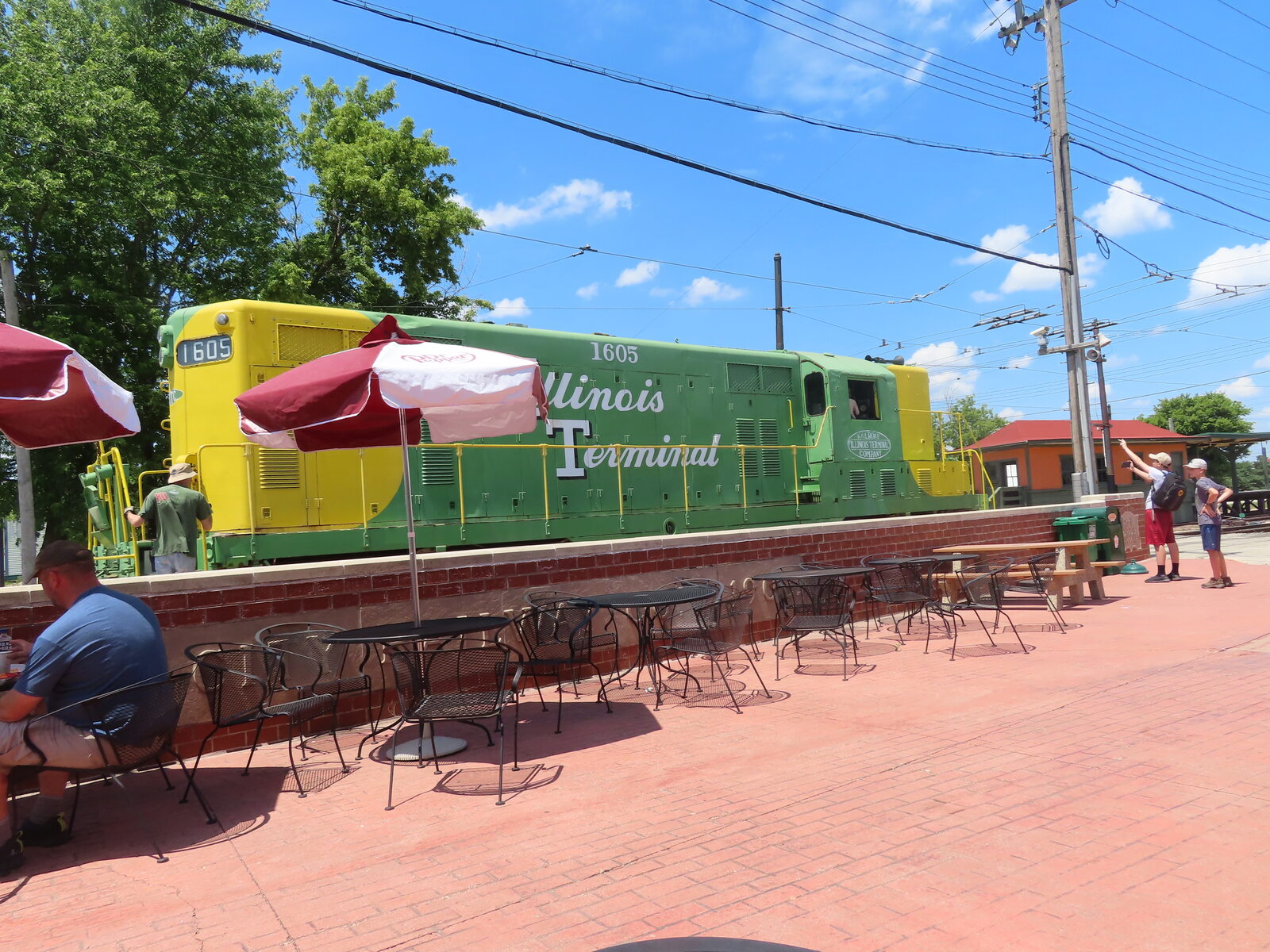
At the Illinois Railway Museum, looking at transportation history can mean walking among locomotives and railcars and, on operating days, riding historic equipment. The collection in Union gives visitors a chance to compare vehicles built for different kinds of travel and work.
This is a museum where the calendar matters as much as the map. The regular operating season runs through the warmer months and into October, with different train operations on different dates. The museum is not open year-round, and its 2026 calendar also lists separately ticketed holiday railway events on selected late-November and December dates.
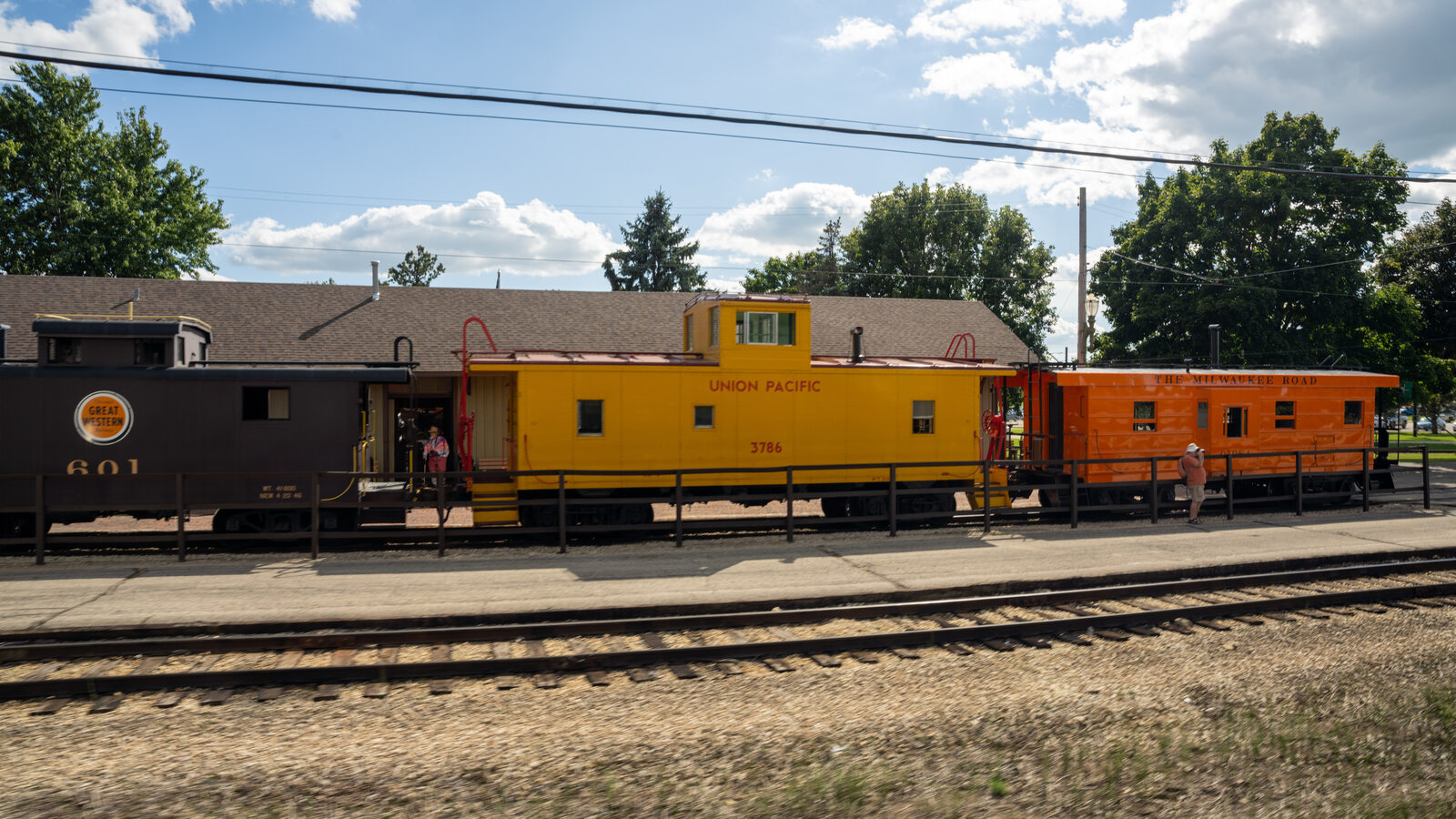
Before you go, check whether the museum is open, which equipment is scheduled to operate and whether your chosen day is a special-fare event. A steam locomotive, diesel train, electric car and streetcar are different experiences, and no particular vehicle should be assumed to be running every day.
Much of the visit involves moving around a large site, so comfortable shoes and weather-appropriate layers are sensible. If you are visiting with children, decide in advance how much time to allow for both the exhibits and a ride; watching a train approach can be as memorable as the trip itself.
6. National Great Rivers Museum — East Alton
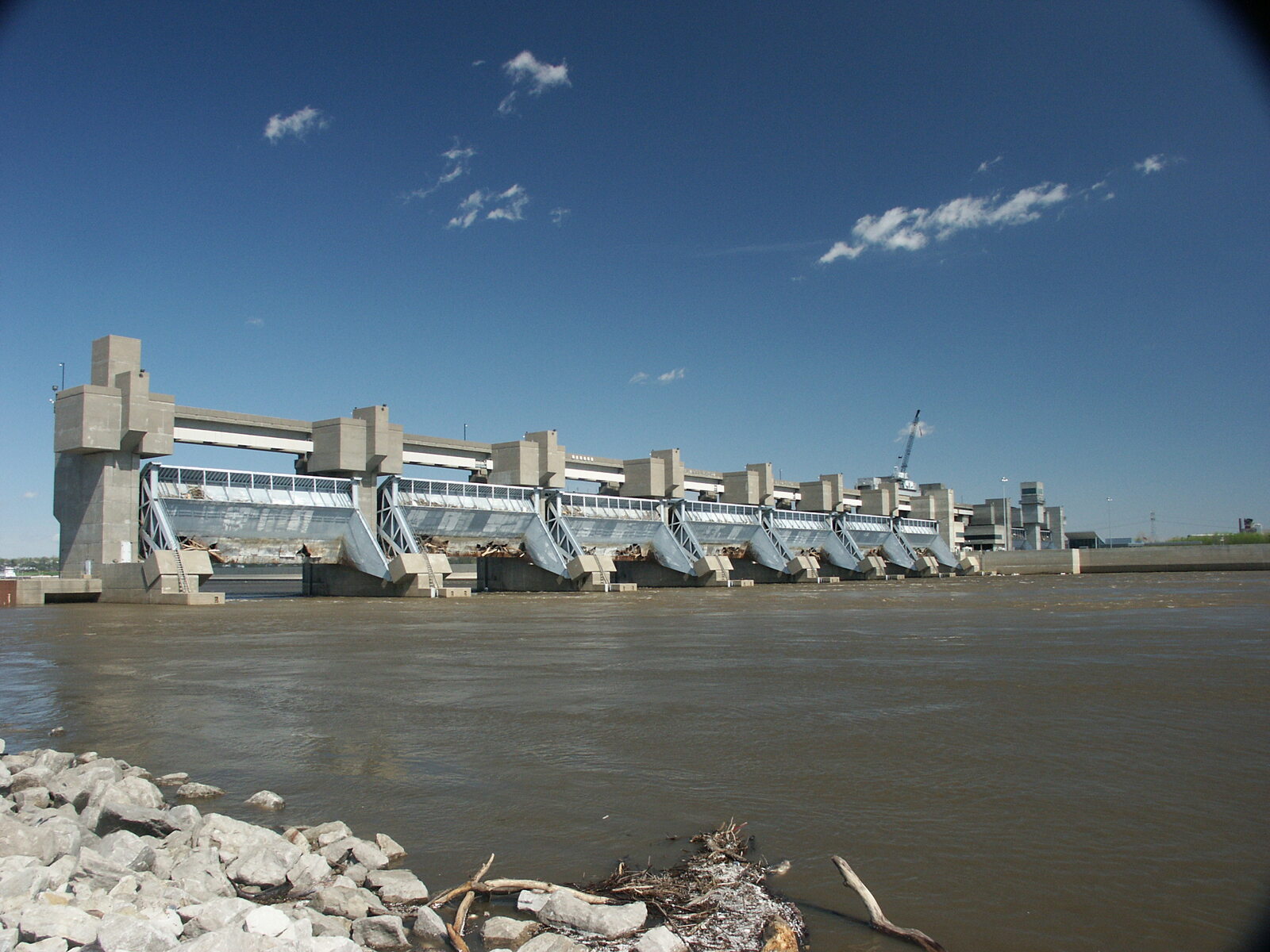
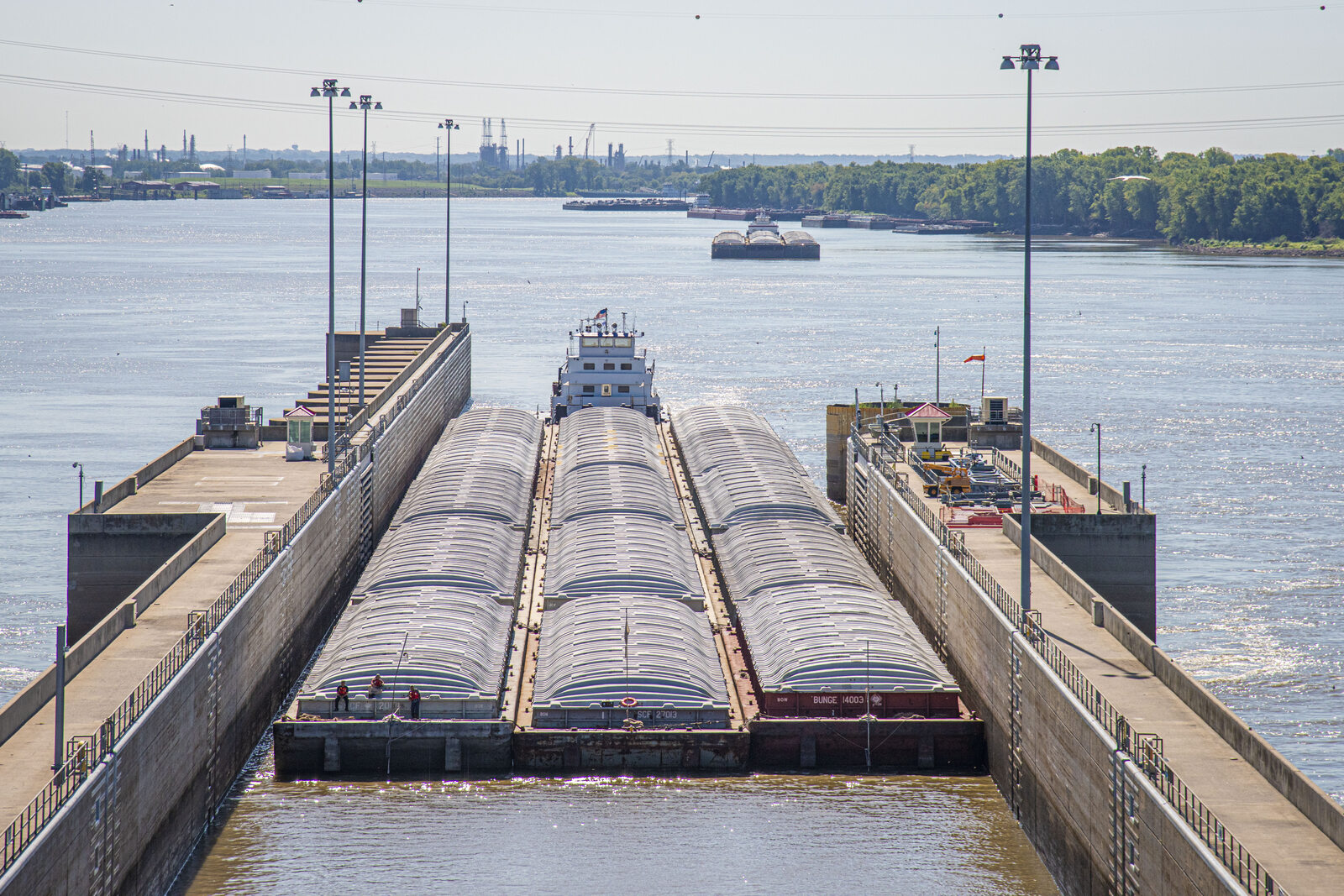
Beside the Melvin Price Locks and Dam, the National Great Rivers Museum uses the Mississippi River as a starting point for stories about ecology, transportation and the people connected to the waterway. It is an especially useful stop for a traveler who has admired the river from the road and wants to understand more about how it works.
The museum is self-guided, giving visitors flexibility to explore the exhibits at their own pace. The U.S. Army Corps of Engineers says admission is free and describes the museum as accessible. Allow extra time if you also hope to visit the locks and dam, where the engineering of river navigation becomes easier to grasp in person.
The Corps’ visitor information contains different instructions about walk-in tours and advance reservations. Because those details may change, contact the museum before traveling to confirm whether a tour is available, how to reserve or join one, and what identification or other requirements apply. Do not assume a museum visit automatically includes a lock tour at the time you arrive.
The site can fit into a broader Mississippi River trip, but it is worth treating the museum as more than a quick restroom stop. Exhibits about the river’s natural systems and its role as a transportation corridor offer context for the barges, water and infrastructure visible outside.
Before you go
Museum hours, exhibitions, admission and accessibility arrangements can change. Check each institution’s official calendar, especially for holiday closures, seasonal train operations and timed shows. If a particular artifact or activity is the reason for your drive, confirm that it will be available on your chosen day.