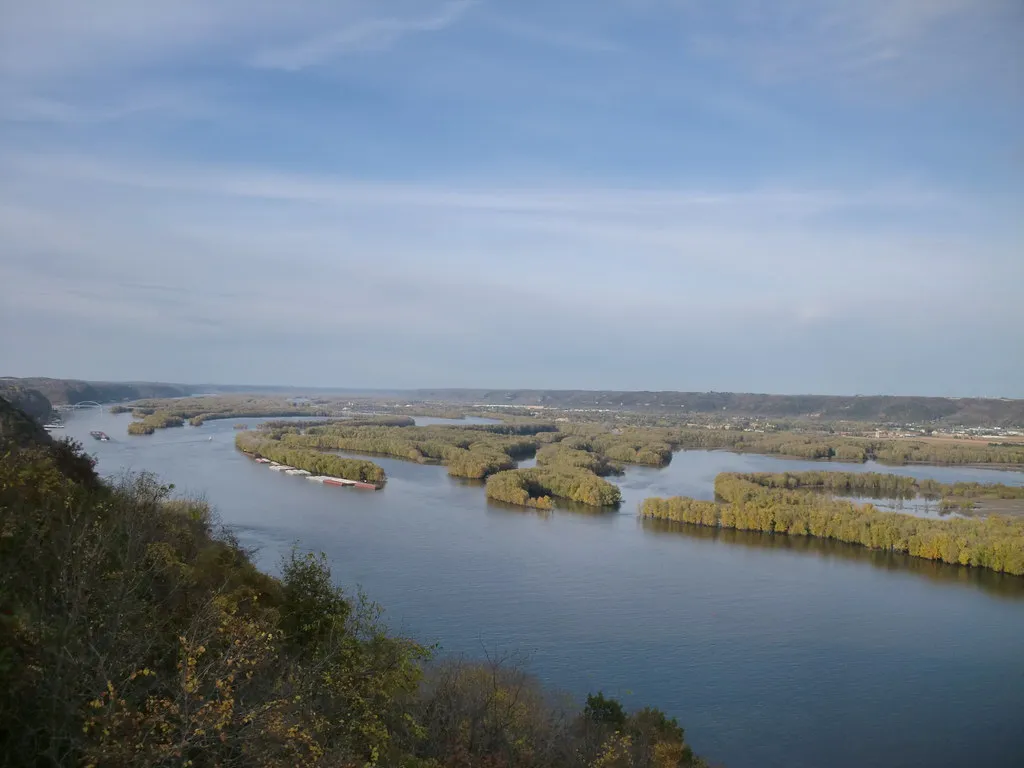
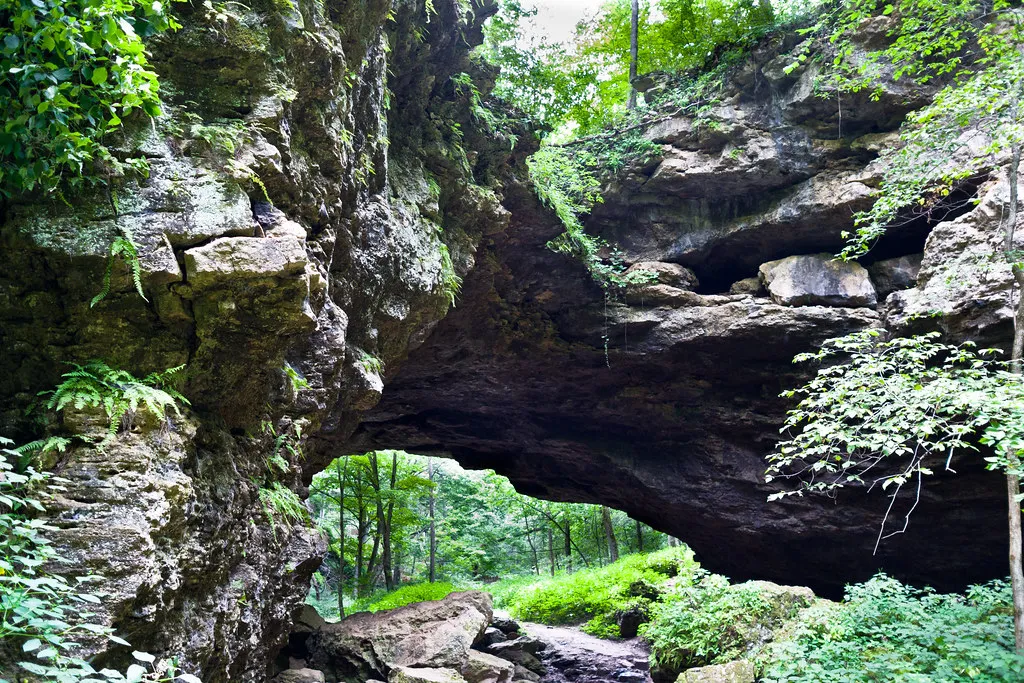
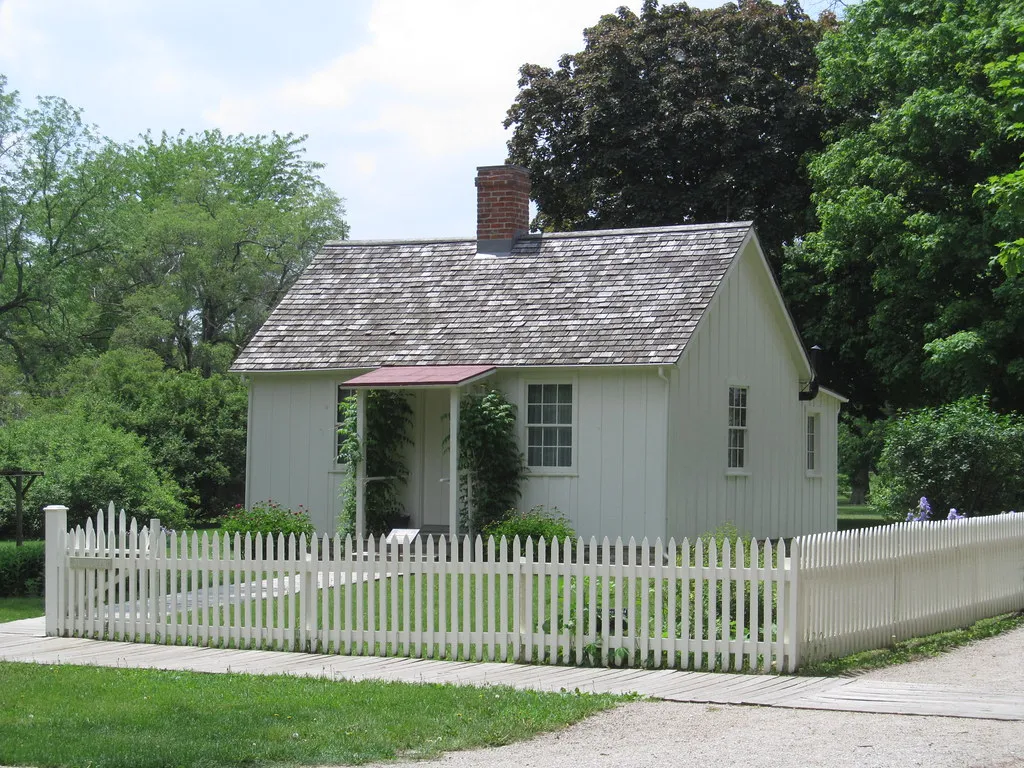
Effigy Mounds National Monument protects a landscape of Indigenous earthworks above the Mississippi River in northeastern Iowa. The mounds include animal-shaped effigies as well as other forms, and they remain sacred places connected to living Tribal nations. A visit is an opportunity to learn, walk and reflect—not simply to search for the best overlook.
The monument has a visitor center and trails in different units. Begin with the National Park Service’s current information, choose a route that fits your group and allow time for the climb from the river valley. Conditions, programs and visitor center hours can change with weather and season.
1. Begin With the Visitor Center
Start at the visitor center for a map and an introduction to the people and traditions represented in the monument. Exhibits and ranger interpretation provide context that a walk alone cannot. Ask what programs are available, which trails are open and how much time to allow for the route you are considering.
The National Park Service describes the site as entrance-fee free, but check current hours and alerts before traveling. The trails and visitor center may operate on different schedules. Bring water, insect protection and shoes suited to natural surfaces, and consider a layer when the forecast is changeable.
The mounds are more than historic objects. They have continuing cultural and spiritual meaning for associated Tribal nations. Approach the landscape respectfully, listen to the perspectives presented by the park and avoid treating the earthworks as obstacles to climb or places to explore off trail.
2. Walk Toward Fire Point
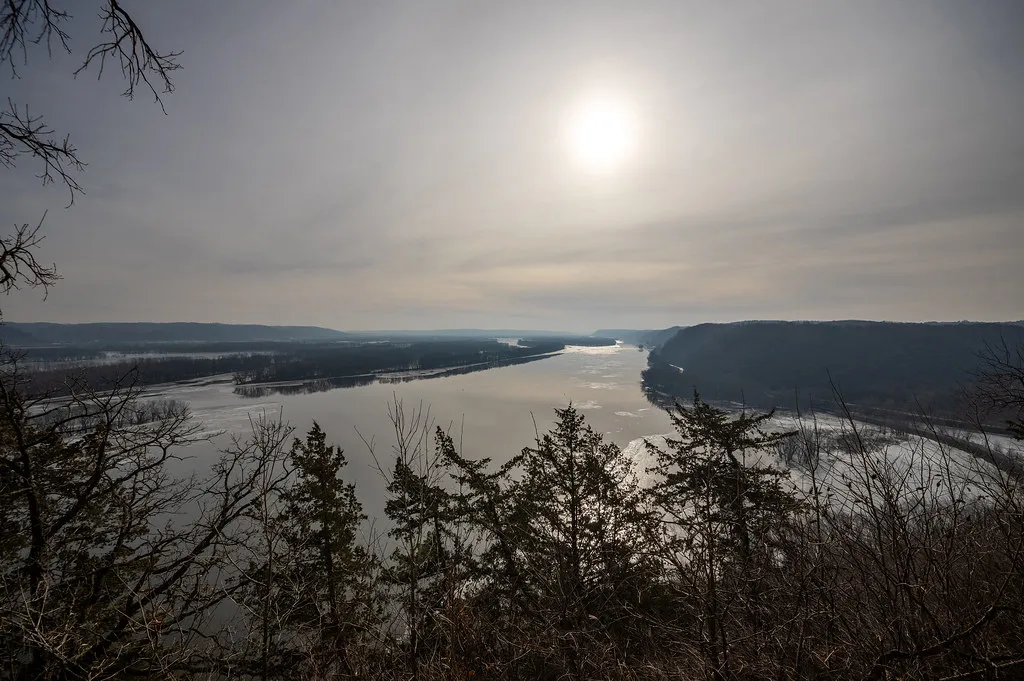
The Fire Point area is one way to combine a view of the Mississippi River Valley with interpretation of mound groups in the North Unit. The National Park Service describes a roughly two-mile round-trip ranger hike with a significant climb up switchbacks. It is not a flat walk from the visitor center, so check the trail map and consider the elevation before setting out.
Take the climb at a pace that suits your group. Carry water and allow extra time for steep sections, heat or slippery footing. If a guided program is available, a ranger can help explain the landscape and its history; the park advises visitors to call ahead because schedules can change with staffing and weather.
Overlooks have limited protective barriers. Keep children and pets away from edges, stay on the designated route and avoid stepping backward for a photograph. A clear day may offer a broad river view, but the mounds and their meaning deserve as much attention as the scenery.
3. Choose the Yellow River Boardwalk for a Different Landscape
The Yellow River Boardwalk introduces a wetland environment and offers a different experience from the wooded climbs above the Mississippi. The National Park Service describes a roughly one-mile round-trip ranger program on the boardwalk, with accessibility features. Check current access and program information before arriving, particularly after storms or flooding.
Bring binoculars if you enjoy observing wildlife, and move quietly enough to hear the sounds of the wetland. Stay on the boardwalk and follow posted instructions. Do not feed animals or collect plants, and use insect protection appropriate to the season.
If a member of your group needs a route without steep natural-surface trails, ask the visitor center for the latest accessibility details. Conditions can change, and staff can help explain the route, parking and available facilities. An accessible description is useful, but it is still worth checking whether the surface and distance fit your individual needs.
4. Consider the South Unit and Marching Bear Group
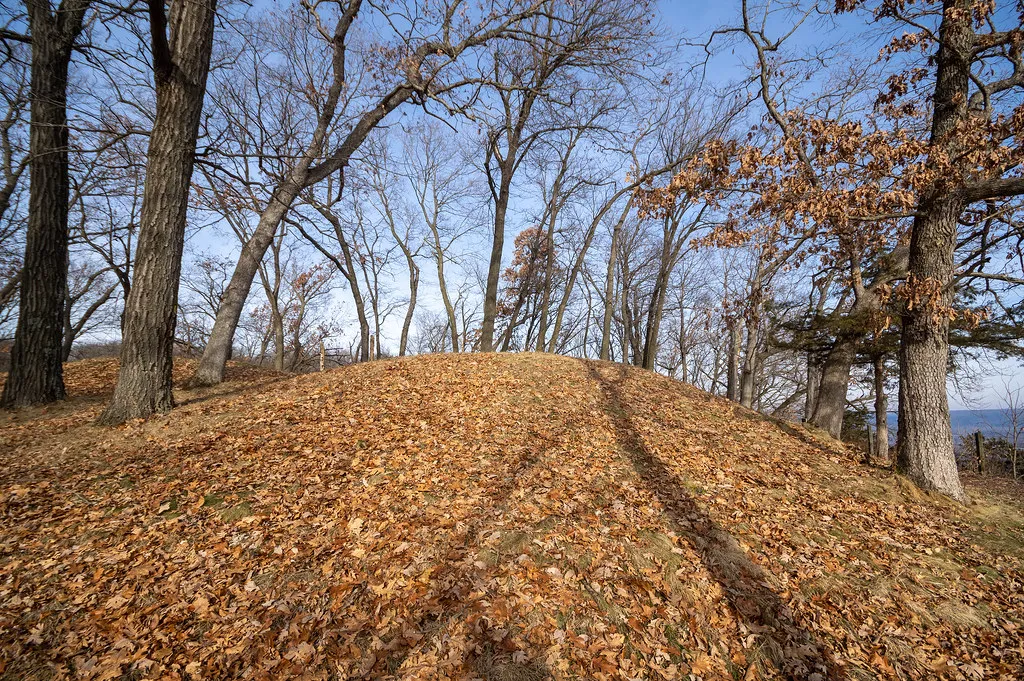
For hikers with more time and suitable fitness, the South Unit includes the Marching Bear Group. The National Park Service describes the hike as roughly four miles round trip with a climb, reaching a group of bear- and bird-shaped effigy mounds. Review the park’s route information and alerts before choosing it; travel time depends on conditions and the people in your group.
The South Unit trailhead is reached across a highway and railroad tracks from the visitor center area. The park advises caution when crossing both. Look carefully, follow posted instructions and do not assume that a longer hike is the right choice for everyone in the party.
Stay on marked paths and view the mounds without walking on them. Their shapes can be subtle from ground level, especially with changing vegetation or light. That does not diminish their significance: the monument protects places made and cared about by Indigenous peoples, not oversized sculptures designed for an aerial view.
5. Leave Time to Learn and Reflect
Effigy Mounds is best visited without a rigid checklist. If a climb is too much, spend more time with the visitor center’s exhibits or choose a shorter option recommended by staff. If the weather turns, be prepared to change plans; thunderstorms, heat and icy or muddy trails can make an outing unsafe.
The park’s ranger programs are opportunities to ask questions and learn how the monument works with associated Tribal nations. Confirm the current schedule instead of assuming that a talk or guided hike will take place on a particular day.
Before leaving, carry out your trash and leave plants, stones and cultural resources undisturbed. Treat the mounds as sacred places, keep to designated routes and encourage children to do the same. The most valuable part of the visit may be understanding the continuing connections between people and this landscape.