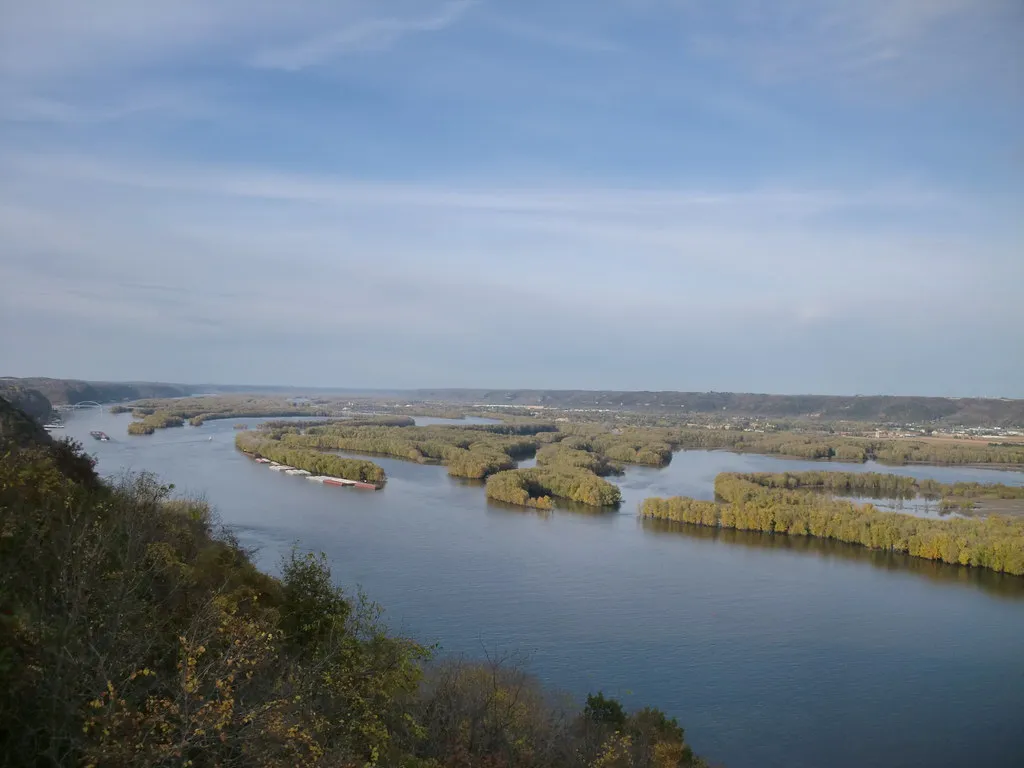
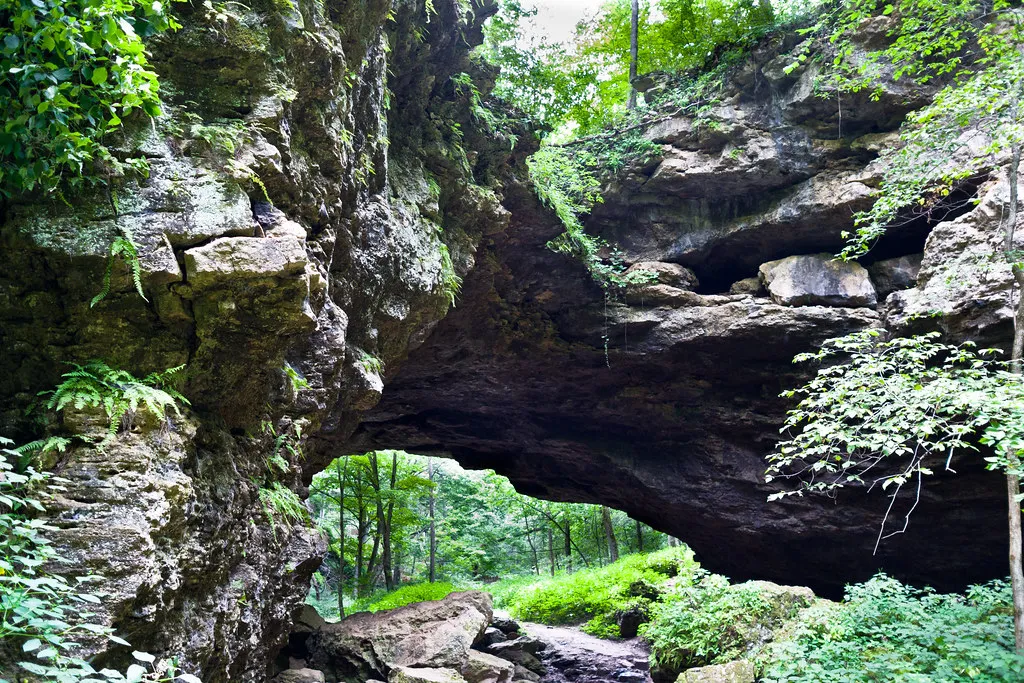
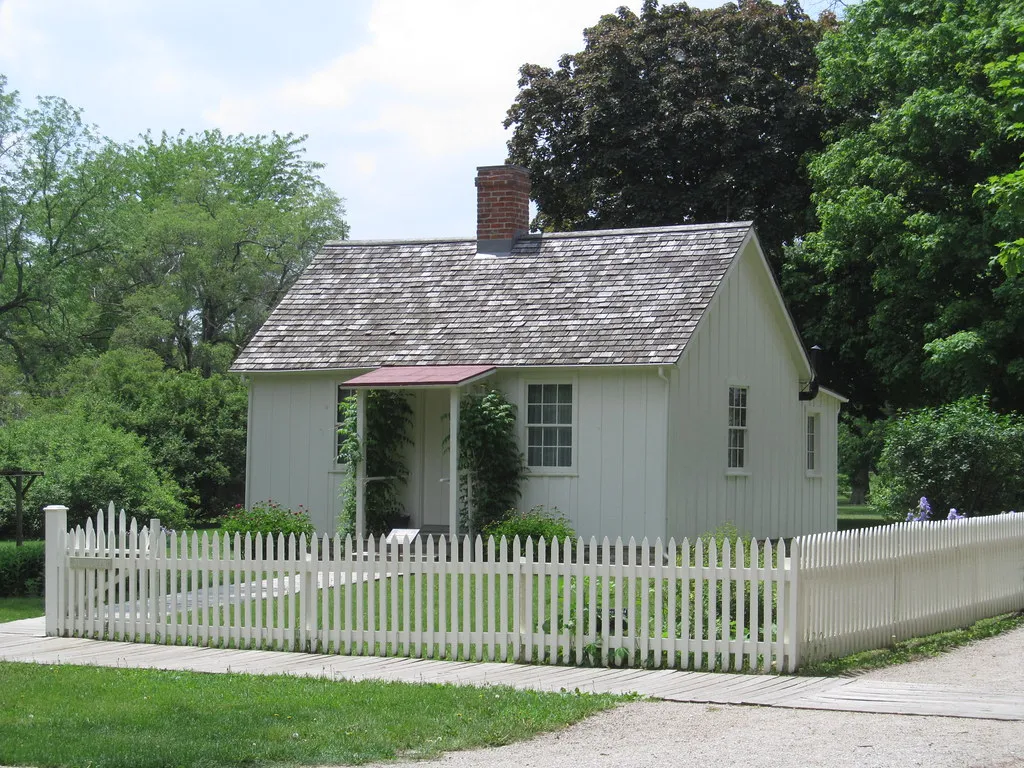
Iowa’s tallgrass prairie can be easy to miss from a highway. At Neal Smith National Wildlife Refuge near Prairie City, a five-mile wildlife drive and a network of trails give visitors time to see the grasses, wildlife and changing sky at a slower pace. Bison may appear along the route, but the prairie itself is worth a closer look even when the herd stays out of sight.
The refuge is about 20 miles east of Des Moines, making it a practical outing from the city. It is also a place with an ambitious purpose: restoring native tallgrass prairie and the communities of plants and animals that depend on it. Here are four ways to plan a visit, followed by the details to check before leaving home.
1. Take the Prairie Wildlife Drive through the bison enclosure
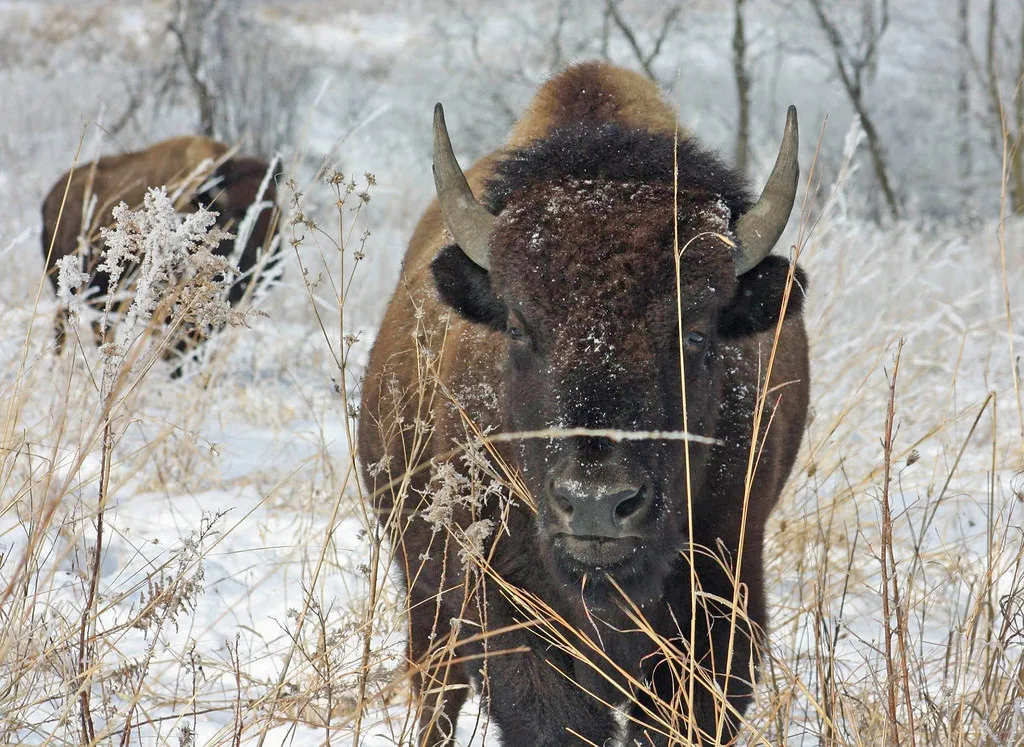
The five-mile Prairie Wildlife Drive offers an introduction to the refuge from your own vehicle. The route enters the bison enclosure and has a narrated tour with 13 stops. Download the refuge’s tour app or open the linked tour before setting out if you want to hear more about what you are seeing along the way.
Give yourself time to stop safely where permitted and look across the grass rather than treating the drive as a guaranteed animal encounter. Bison have plenty of room to move, and their distance from the road changes. Bring binoculars so that a faraway dark shape can become a more rewarding sight without approaching it.
For safety, stay in your vehicle and on the road while inside the bison and elk enclosure. Never approach or feed the animals. A close view is not worth disturbing wildlife or putting a passenger in danger; if the herd is nowhere in sight, a return visit in another season can be part of the appeal.
2. Walk into a landscape built around native prairie
The refuge lists four designated walking trails. The Tallgrass Trail offers a longer look at reconstructed and remnant prairie, while the shorter Overlook Trail provides views toward the prairie and the bison and elk enclosure. Consult the refuge’s trail information and current conditions before choosing a route, especially when weather or trail surfaces could affect your group.
From a car, the prairie can look like a single sweep of vegetation. On foot, the variety becomes easier to notice: seed heads move at different heights, flowers change with the season, and insects find shelter among the stems. A slow half-hour with children can turn into a simple observation game: how many different shapes of leaves and grasses can everyone spot without picking them?
Pack water, sun protection and sturdy shoes, and check the forecast. Open ground offers little shelter in a storm. A hat and a layer for wind can make the difference between a short dash from the car and a relaxed walk, even on a day that feels comfortable in town.
3. Watch for wildlife beyond the bison
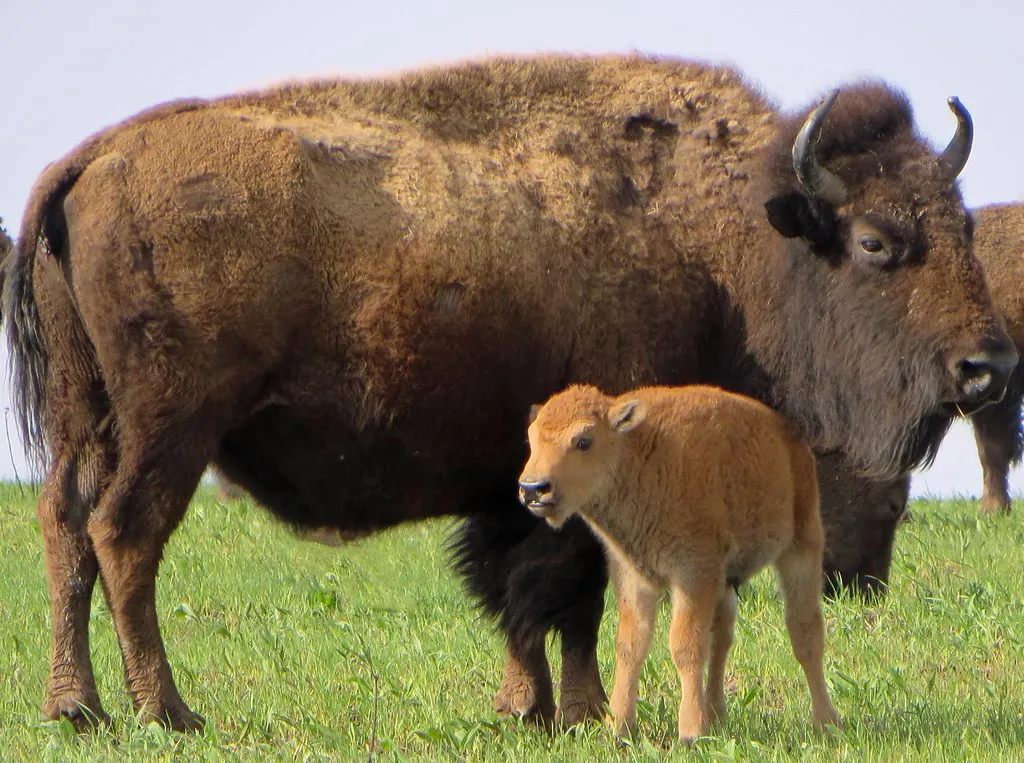
Bison are the refuge’s most dramatic calling card, but they are only one part of the story. The Fish and Wildlife Service describes habitat for birds, insects, reptiles and mammals across the refuge. A quiet stop can offer as much pleasure as the drive: look for movement in the grasses, listen for bird calls and watch for pollinators around flowers when conditions are right.
The herd helps shape the prairie ecosystem. Bison calves may be born between April and August, according to the refuge, though sightings are never promised. Keep wildlife wild by using a camera’s zoom or binoculars instead of moving closer, and remember that even an animal that seems calm can react suddenly.
Different seasons make the same outing feel new. Spring brings fresh growth, while summer offers a fuller view of the prairie’s height and changing flowers. Autumn can emphasize seed heads and color; winter opens wider views, but snow and ice may change travel conditions. Check the forecast and refuge notices before a winter trip.
4. Make a flexible day of it near Prairie City
Neal Smith works well as a standalone visit or as the outdoor half of a day from Des Moines. Allow enough time for the drive and one trail without rushing, then leave room to linger if birds or bison appear. Families with mixed ages can divide their visit between the car route and a walk selected for the group’s energy and mobility.
As of November 2026, the refuge says its visitor center is closed because of storm damage until further notice. The refuge lands, trails and wildlife drive remain open sunrise to sunset, and restrooms are available at the visitor center and Oak Savanna Trail parking lots according to the refuge’s visitor information. Conditions can change, so check the official page before relying on these arrangements.
Bring snacks and drinking water, carry out what you bring in, and keep pets leashed where permitted. During hunting seasons, the refuge advises walkers to wear orange or bright pink and respect hunters’ space. For the most useful directions, consult the refuge rather than relying solely on a navigation app; the agency notes that some mapping services can send visitors the wrong way.
A visit here does not need a long checklist. A careful drive, a walk among the grasses and a little patience can reveal why the prairie is more than the space between Iowa’s destinations.