West Branch, Iowa, is the birthplace of Herbert Hoover, the nation’s 31st president. At Herbert Hoover National Historic Site, visitors can walk among buildings and landscapes associated with his early years and the later effort to remember them. A small cottage, a blacksmith shop and a restored prairie make this more than a single-room stop.
The National Park Service recommends allowing about half a day for a full visit. If you have less time, start at the visitor center and choose the parts that interest you most. Check current hours, alerts and accessibility information before leaving; indoor buildings and outdoor grounds can operate on different schedules.
1. Start at the Visitor Center and Birthplace Cottage
The visitor center provides a map and an introduction to Hoover’s life in West Branch. Ask staff about current building access, ranger programs and routes through the grounds. An orientation first helps distinguish the historic structures from buildings and landscapes reconstructed or restored later.
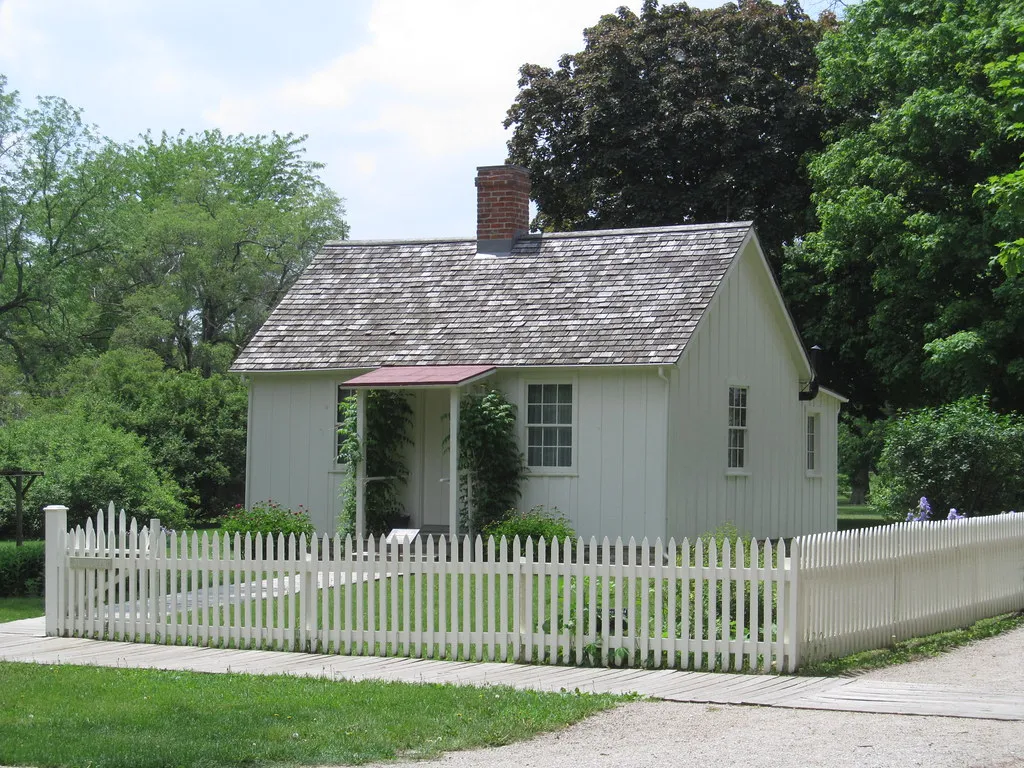
Hoover was born in 1874 in a two-room cottage built by his father Jesse and grandfather Eli. The National Park Service describes a home where a family of five eventually shared a small space. The furnishings shown today represent the kind of household objects a family might have used; they should not all be assumed to be original Hoover possessions.
The cottage itself has a history after the family left it. Later owners moved and altered the building, and Herbert and Lou Hoover restored it to its original location and appearance in the 1930s. That history is part of the visit: preservation often involves careful decisions about what a place should show and which period it should represent.
The historic site’s grounds can be explored at a comfortable pace, but indoor access depends on current operating hours. Ask for the best accessible route if steps, surfaces or walking distances matter to your group.
2. Explore Work, School and Community Life
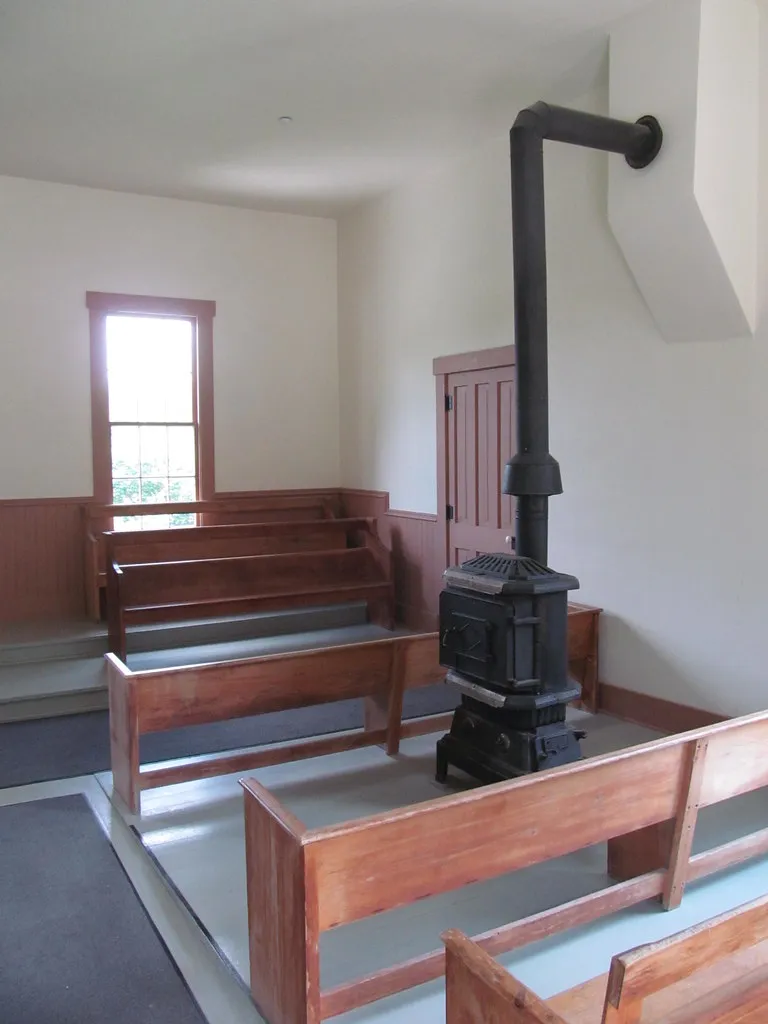
The National Park Service identifies the blacksmith shop, schoolhouse and Friends Meetinghouse among the features that help interpret the community Hoover knew. Each offers a different lens on daily life: work and trade, education and the Quaker faith that shaped his family’s community.
Look for the park’s signs or ask a ranger which buildings are open on the day of your visit. Some features are preserved, reconstructed or furnished for interpretation, so read the descriptions rather than assuming every object and structure remained unchanged since Hoover’s childhood.
Jesse Hoover worked as a blacksmith and later in the farm-implement business. A stop at the shop can lead to a useful conversation about how a small-town craft connected to the needs of nearby farms. The schoolhouse and meetinghouse, meanwhile, give visitors a way to consider the institutions that brought neighbors together.
Take your time and be respectful of the buildings and other visitors. Historic interiors may have limited space or fragile surfaces. Follow staff instructions and any posted restrictions, and supervise children around tools, exhibits and stairs.
3. Walk the Grounds and Restored Prairie
The historic site includes a tallgrass prairie landscape as well as its buildings. The National Park Service suggests the prairie observation area as one option during a visit. It offers a change of pace from the cottage and a chance to think about Iowa’s native landscapes alongside its settlement history.
Check the park map and current conditions before selecting a walking route. Prairie paths can be exposed to sun, wind and weather, so bring water and protection appropriate to the season. A short stop at an observation area may suit your group better than a longer walk on a hot or stormy day.
Stay on designated paths and leave plants and wildlife undisturbed. Seasonal changes can make one visit look very different from another: grasses, flowers and insects do not appear in the same way throughout the year. Do not promise a particular bloom; enjoy what the season offers.
The grounds connect several parts of the site, making them useful for a gentle walk between buildings. Ask staff about surfaces, distance and parking if you are planning around mobility needs or limited time.
4. Pause at the Gravesite and Check Museum Status
Herbert and Lou Henry Hoover are buried at the historic site. The gravesite is a place for quiet reflection and connects the president’s later life back to the community where his story began. Follow the park’s current directions and treat the area respectfully, as you would any cemetery or memorial.
The Herbert Hoover Presidential Library and Museum is a separate attraction associated with the site. Its access and renovation schedule can differ from the National Park Service grounds and buildings. Check the museum’s own current status before traveling rather than assuming that its galleries will be open.
If the museum is unavailable, the national historic site still offers a meaningful visit through the cottage, community buildings, prairie and interpretation. If it is open and you plan to include it, allow additional time and confirm whether tickets or separate hours apply.
Finish by returning to the visitor center with any questions. The strongest impression may be the contrast between the small scale of Hoover’s childhood home and the much larger story interpreted around it. West Branch rewards a visit that leaves time to consider both.