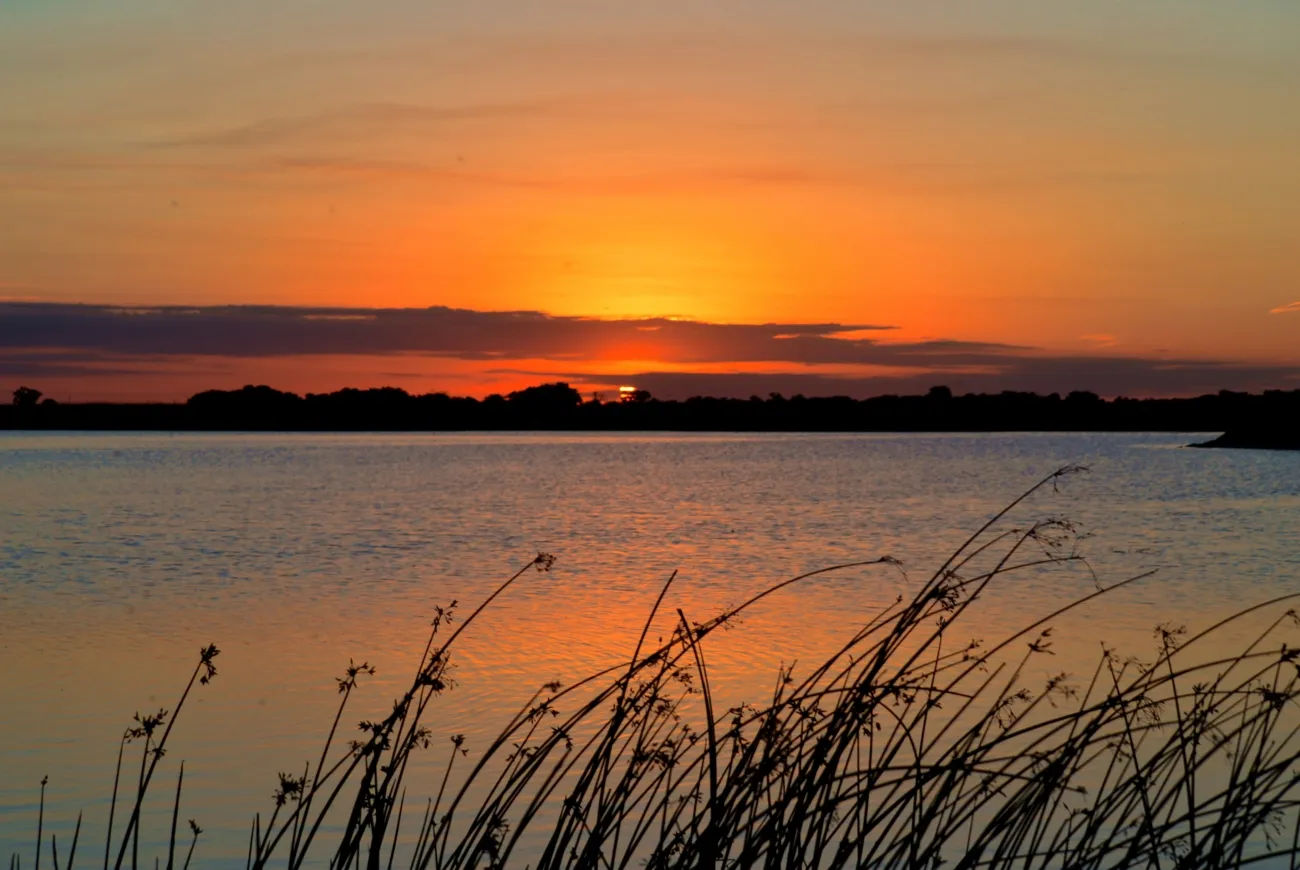
Central Kansas may bring wheat fields and wide skies to mind, but near Great Bend there is another landscape worth slowing down for: a vast wetland where shorebirds and waterfowl pause on their migrations. Cheyenne Bottoms changes with rainfall, water management and the seasons, giving birdwatchers a different experience on almost every visit.
You do not need to be an expert birder to appreciate it. With a map, a pair of binoculars and a little time, a first visit can combine exhibits, a scenic drive and quiet observation. These five ideas offer a practical introduction.
1. Begin at the Kansas Wetlands Education Center
The Kansas Wetlands Education Center sits near the eastern edge of the wetlands and makes an excellent first stop. Exhibits explain the natural history of Cheyenne Bottoms, the animals that use it and the challenges involved in caring for wetland habitat. Ask staff about current water levels, birds and road conditions before heading into the wildlife area.
The center also interprets nearby Quivira National Wildlife Refuge. Together, these sites provide important habitat along the Central Flyway, the broad migration route used by birds traveling through the middle of the continent. Seeing a map and learning how water moves through the area can make the drive much easier to understand.
Admission to the center is free, but its hours vary by season and it closes on some holidays. Check the current schedule before your trip, especially if you are visiting on a Sunday or Monday in winter.
2. Take the wildlife-area driving tour
The Kansas Department of Wildlife and Parks provides a driving-tour guide for the wildlife area. Roads on and near the dikes let visitors see different pools and stretches of marsh without needing to cover the entire area on foot. Download a map or pick one up before setting out, and pay attention to posted access rules.
Water depth and bird activity can vary greatly from pool to pool. One area may appear quiet while another has feeding birds along the edge. Drive slowly, stop only where it is safe and avoid blocking roads, gates or other visitors. After rain, check conditions before using unpaved routes.
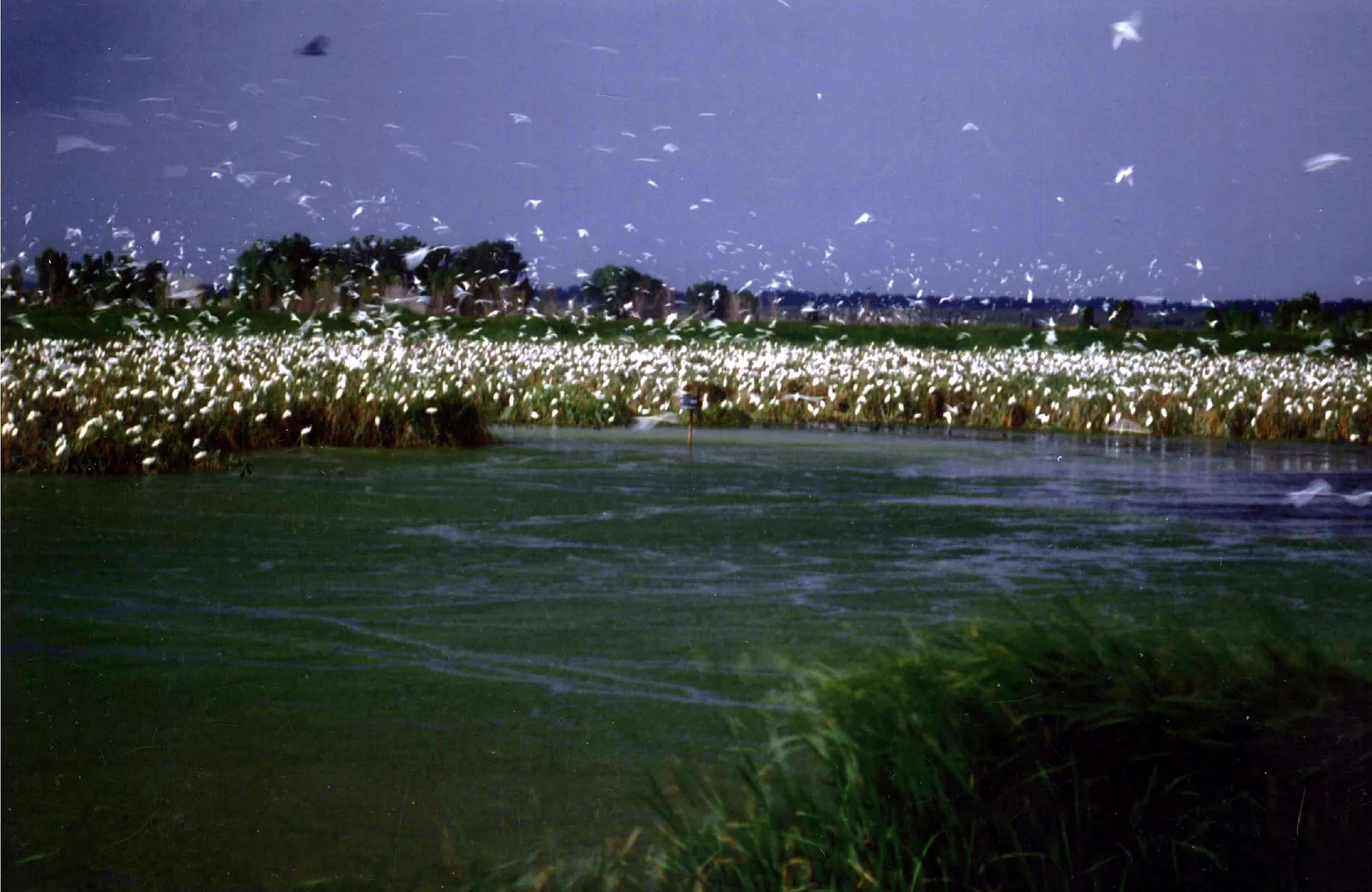
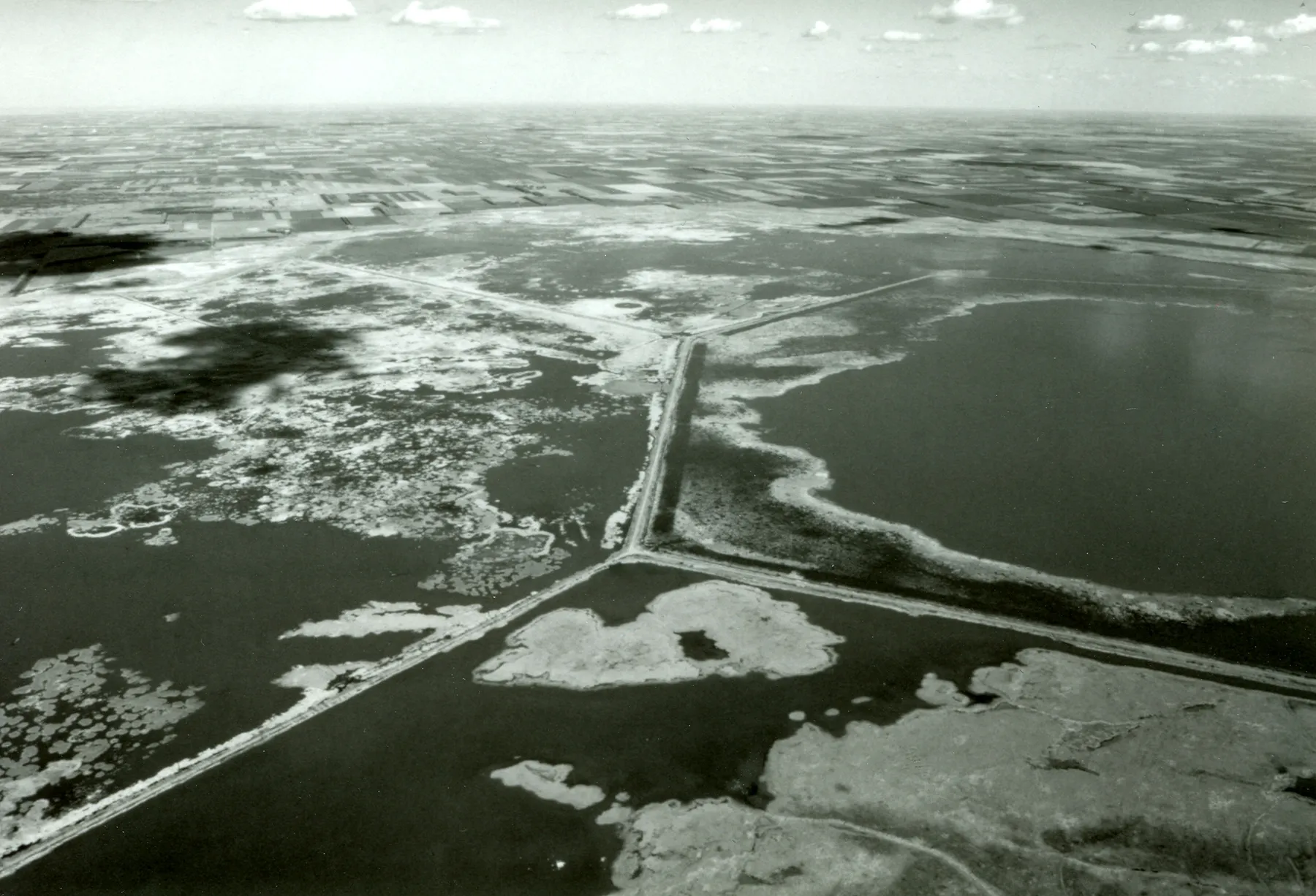
An older aerial image helps explain why the landscape looks the way it does: roads and dikes divide parts of the basin into managed pools. The view from the ground is much more intimate, but the pattern of water and land is part of the same wetland system.
3. Bring binoculars for migration season
Spring and fall are particularly rewarding times for birdwatching, although the exact mix depends on weather and water. State wildlife officials note that spring waterfowl and sandhill cranes may begin arriving in late winter, followed by wading birds and shorebirds. Fall migration stretches over many weeks rather than occurring on one predictable weekend.
Bring a field guide or use a bird-identification app, but let curiosity lead. Watch how birds feed, compare sizes and shapes, and listen for calls. If you are new to birding, staying in one place for a while can be more useful than racing from pool to pool.
Rare birds may appear, but no sighting is guaranteed. Give wildlife room and follow closures. A spotting scope or binoculars lets you enjoy a distant flock without approaching it; if birds flush or move away, increase your distance.
4. Ask about a guided tour or trail
The education center offers information about trails and guided van tours. Availability can depend on staffing, scheduling and conditions, so contact the center ahead of time if a guided experience matters to your plans. A local guide can help explain the managed pools and point out details a first-time visitor might miss.
For a self-guided outing, ask which walking options are open and appropriate for your group. Wear shoes that can handle uneven or wet ground, carry water and sun protection, and be prepared for wind. Respect private property and wildlife-area signs; access can differ between the state wildlife area and the adjacent Nature Conservancy preserve.
5. Make it part of a longer wetlands trip
The Wetlands and Wildlife National Scenic Byway connects the Cheyenne Bottoms region with Quivira National Wildlife Refuge farther south. Kansas Tourism describes a 77-mile route between Hoisington and St. John with several turns, so use its directions and the posted byway signs instead of assuming the drive follows a single highway.
Trying to explore both wetlands thoroughly in one afternoon can feel rushed. Consider spending a full day in the area or dividing the sites across two days. Great Bend and nearby communities provide a convenient base for meals and supplies, but check business hours and carry what you need between stops.
Before you go
Check the state wildlife-area information and the education center’s current hours. Conditions can change with water, weather and seasonal management. Bring water, insect protection and a full tank, and share the roads respectfully during hunting seasons and other busy periods.
The best reward may be a few quiet minutes beside a pool, watching a landscape that is constantly changing and the birds that depend on it.