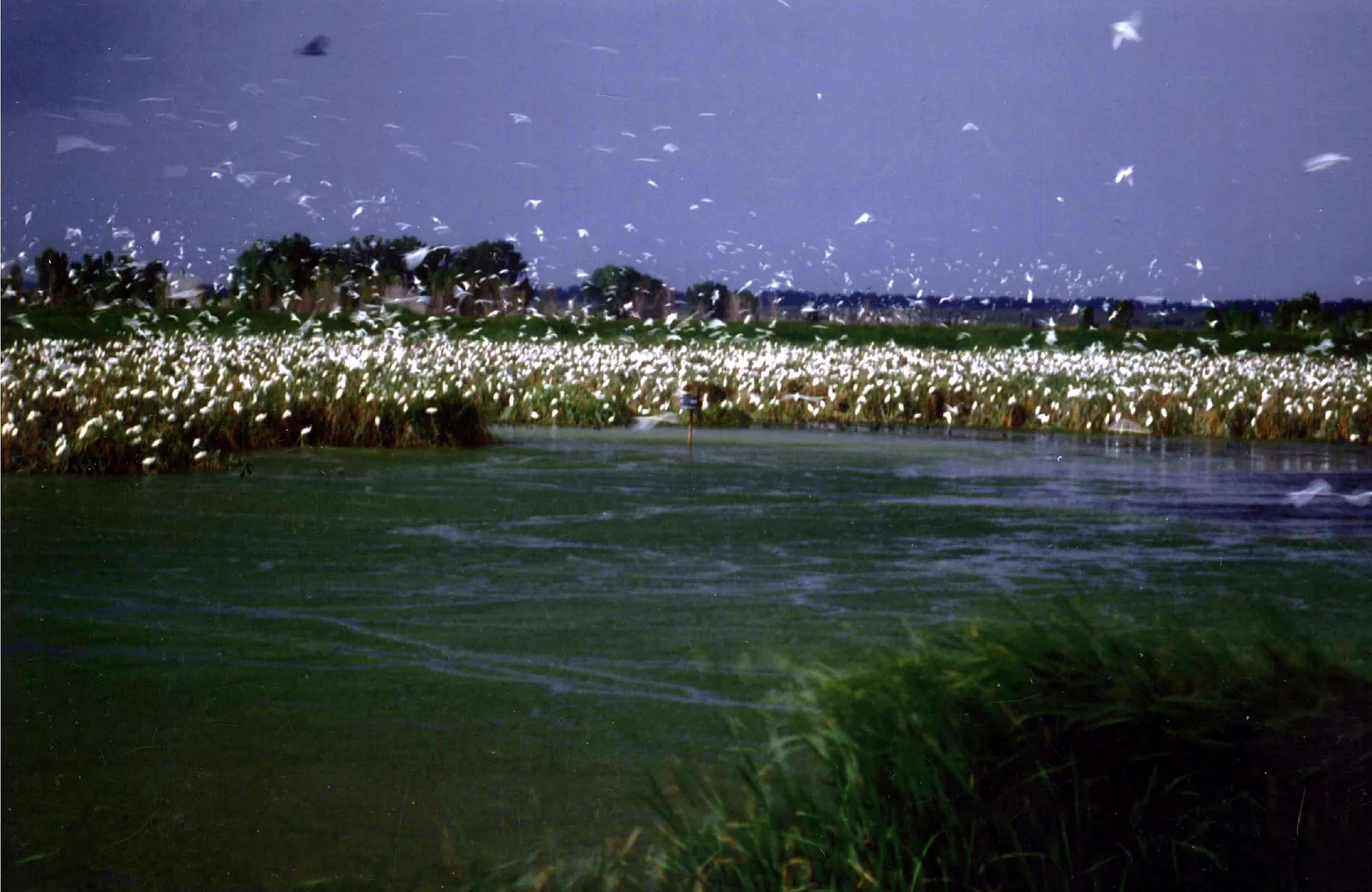
In south-central Kansas, a broad wetland can fill with the sound of migrating birds. Quivira National Wildlife Refuge protects inland salt marshes, prairie and shallow waters along the Central Flyway. What you see changes with water levels and the season, but the appeal is constant: a chance to slow down and watch a landscape used by hundreds of bird species.
Bring binoculars, a little patience and a flexible plan. These four ways to explore can help you make a comfortable first visit without disturbing the wildlife that depends on the refuge.
1. Start at the visitor center
The visitor center near the southern end of the refuge is a useful place to pick up information, ask about current conditions and learn which areas are open. Quivira includes salt marsh and mixed-grass prairie, an unusual combination that attracts waterfowl, shorebirds and other wildlife.
According to the U.S. Fish and Wildlife Service, more than 300 migratory and resident bird species use the refuge over the course of a year. That does not mean every species will be visible on any given visit. Weather, water and migration all affect what you might find. Ask staff for a current map and recent observations rather than relying on a checklist from a different season.
The refuge and visitor center follow different hours. Check the official page before leaving, especially on weekends or federal holidays, when the building may be closed even though outdoor areas are accessible.
2. Drive the wildlife route around the marsh
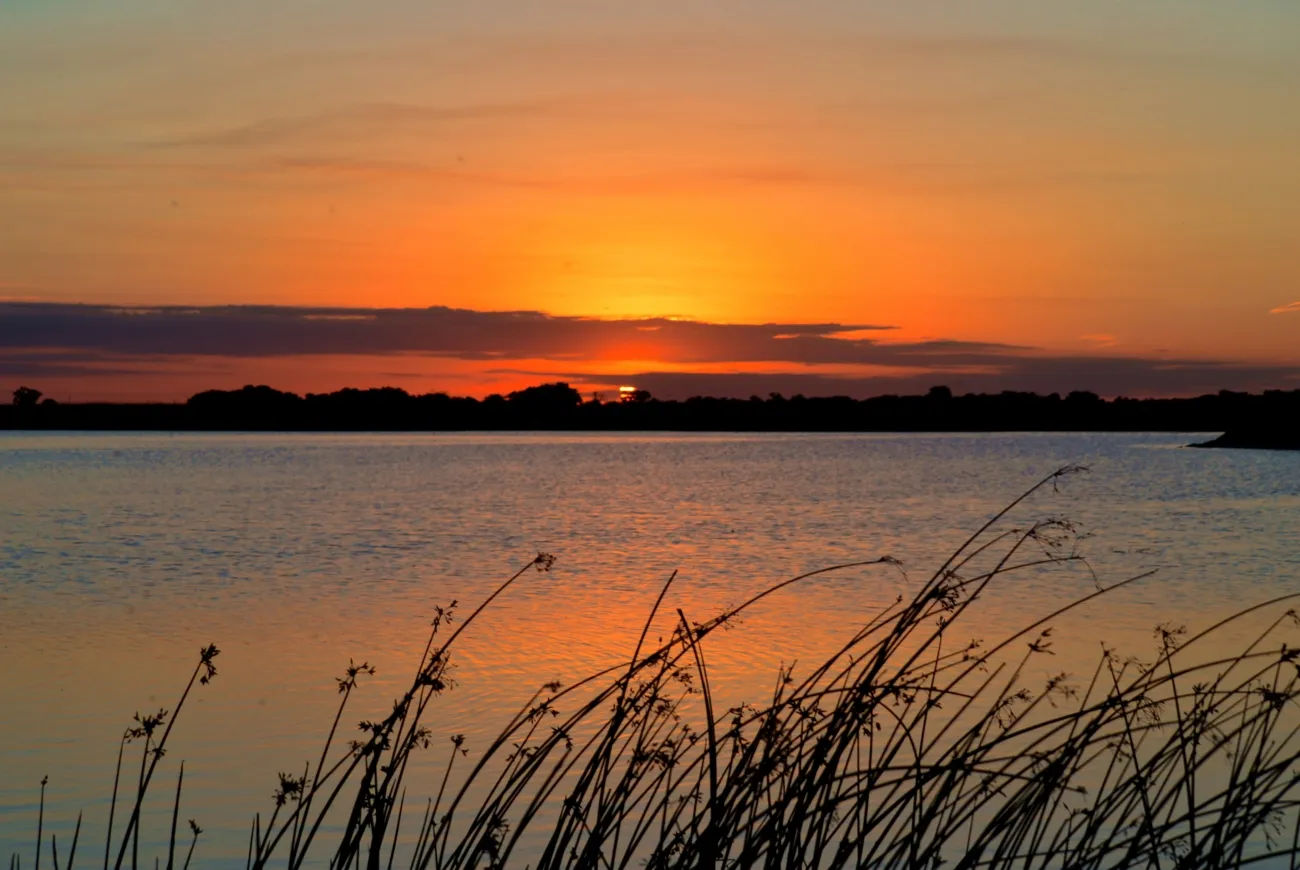
Quivira’s auto-tour roads offer a way to watch for birds while covering more ground than you might on foot. The Fish and Wildlife Service’s tour guide describes a four-mile wildlife drive and a scenic overlook with a view of Big Salt Marsh. The experience is not a guarantee of a particular sighting: shallow water and mudflats can look very different from one trip to the next.
Use established roads and designated parking areas, and do not block gates or bridges. After rain, road and ground conditions may limit access. Pull safely off the road before using binoculars, and keep an eye out for other vehicles and wildlife. A refuge map or current staff advice will help you choose a route that is open on the day you arrive.
A car can also make a useful observation spot. Watch quietly from a respectful distance rather than approaching birds for a closer photograph. If animals change their behavior because of your presence, give them more space.
3. Walk a trail and look beyond the water
Walking routes near headquarters and the Migrant’s Mile area offer another perspective on the refuge. Grasslands, shrubs, wetlands and sandy ground support different kinds of wildlife, so a slow walk can be rewarding even when distant pools seem quiet. Bring water, sun protection and shoes suited to uneven terrain.
Some areas close seasonally to protect nesting birds or for other management needs. Follow posted signs and ask about current restrictions before setting out. Wet ground can make a route difficult after rain, and wildlife includes snakes, so watch where you step and leave animals alone.
Look for movement at the edges of water and listen as well as watch. A field guide or birding app can help with identification, but you do not need to name everything to enjoy the experience. Give yourself time to notice patterns: birds feeding in shallow water, flocks settling farther out, or wind moving across the marsh.
4. Plan around migration and changing light
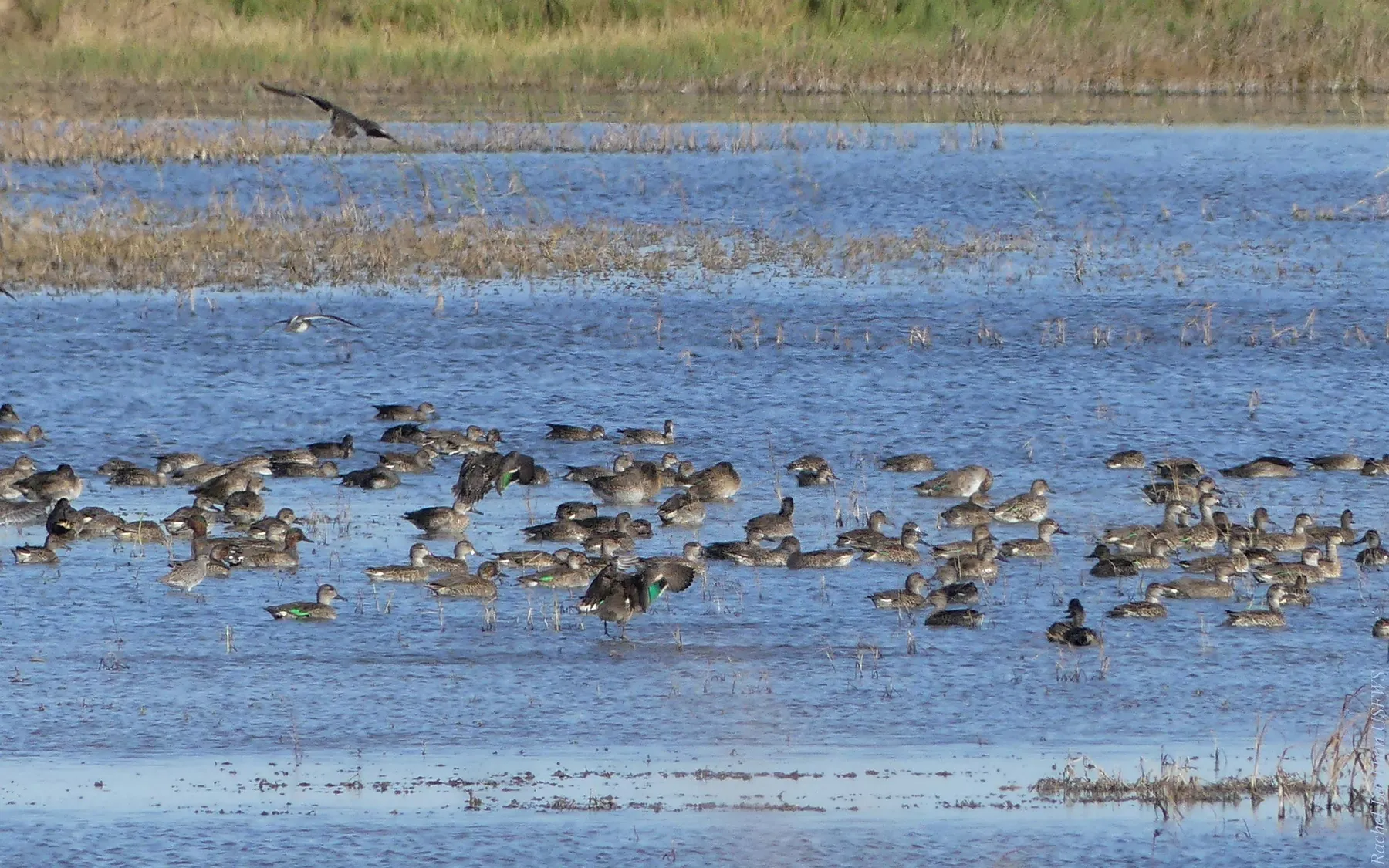
The refuge notes that many migratory species are present from September through December and again in March and April. Spring and summer bring nesting birds, while other seasons have their own patterns. A calm visit can still produce memorable views when a hoped-for species is absent.
Early and late light can make the marsh especially attractive to photographers. The refuge generally opens an hour and a half before sunrise and closes an hour and a half after sunset, but confirm the current schedule and any area-specific closure. Give yourself time to leave before closing, and avoid disturbing roosting or nesting wildlife for a picture.
If you are interested in rare birds, view them from a distance and follow all refuge instructions. A spotting scope can help a group share a sighting without moving closer. Never enter a closed area to improve a view.
Before you go
Check the official Quivira page for hours, maps and rules. Take drinking water, insect protection and clothing for wind or sudden weather changes. Services can be limited once you leave nearby towns, so plan fuel and food in advance.
Quivira rewards attention rather than speed. Park, wait a few minutes and let the marsh reveal what is there that day.