A grassy parade ground surrounded by sandstone buildings may not look like a busy stop along a historic trade route. Yet Fort Larned, about six miles west of Larned, Kansas, preserves a remarkably tangible piece of the Santa Fe Trail era. Walk through the old army post and the rooms, workshops and wide-open grounds help turn a complicated period of American history into a place you can explore at your own pace.
The National Park Service recommends allowing at least two hours to see the exhibits, film and fort. These six experiences offer a starting point for a first visit.
1. Begin with the visitor center and museum
Stop at the visitor center for a brochure and an introduction before exploring the grounds. Fort Larned was an army post during the 1860s and 1870s, when the Santa Fe Trail connected communities and commercial routes across the plains. Exhibits and the park film provide context for the people who traveled, worked and served here.
Ask about ranger programs, available tours and accessibility. Guided experiences depend on staffing and season, while the brochure and National Park Service app offer self-guided options. Starting inside also gives you a chance to check the weather: the grounds are open to the elements and some buildings can be cold in winter.
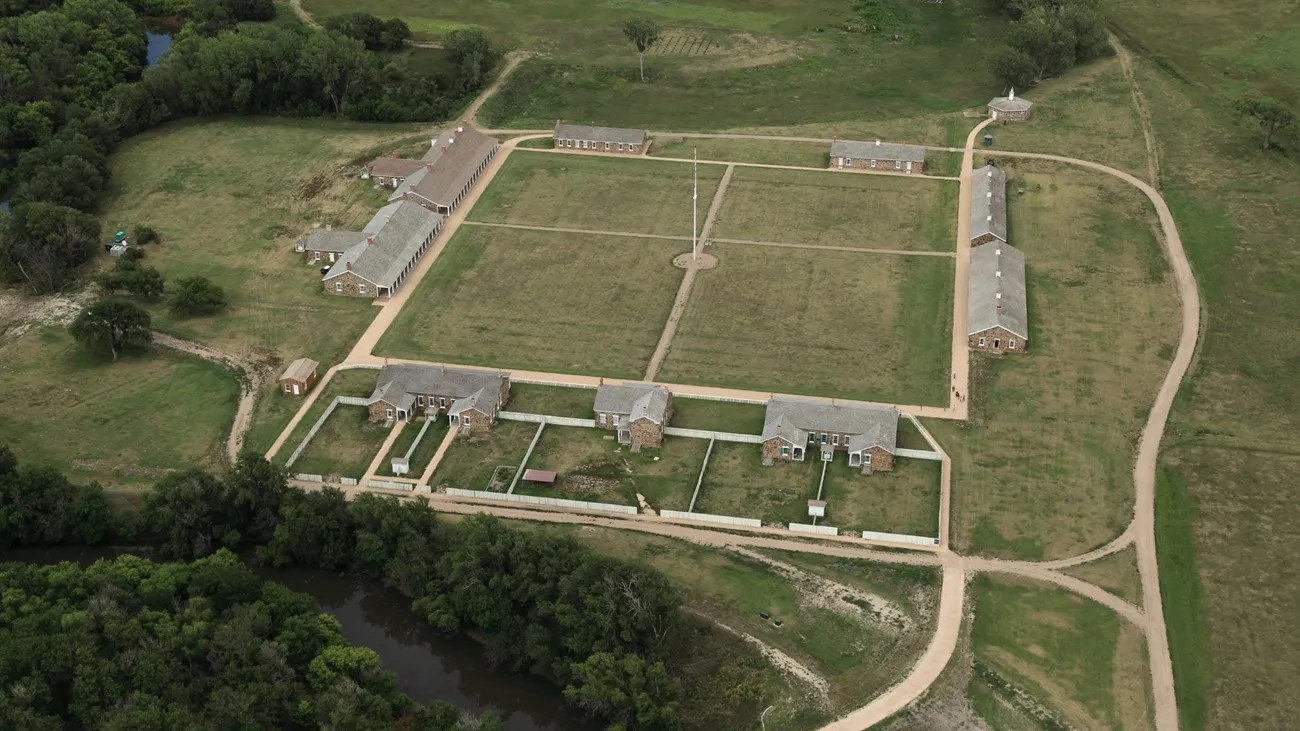
2. Walk the parade ground and explore the sandstone buildings
Fort Larned’s arrangement is easy to understand once you stand in the middle of the parade ground. The buildings face a broad central space, allowing you to move from one part of the post to another without a long drive or complicated route.
The Park Service identifies nine original sandstone buildings and one reconstruction. The interiors have been restored and furnished with reproductions to suggest their historic use. Look closely at the materials and the scale of the rooms, then compare the different spaces used for work, living and administration. Most buildings are wheelchair accessible, but consult the park’s detailed accessibility information for individual routes.
3. Step inside the company quarters
The enlisted barracks bring the everyday side of military life into focus. Infantry and cavalry soldiers lived, ate and spent their off-duty time in these rooms. The buildings were constructed with local sandstone, while kitchens and storerooms were added behind the main quarters.
Rather than rushing through, take a moment to consider the practical details: where people slept, how food was prepared and how little privacy a shared room offered. The buildings served different functions over time, including use as a hospital. Interpretive materials help explain those changes and show why a preserved room is more than a collection of old objects.
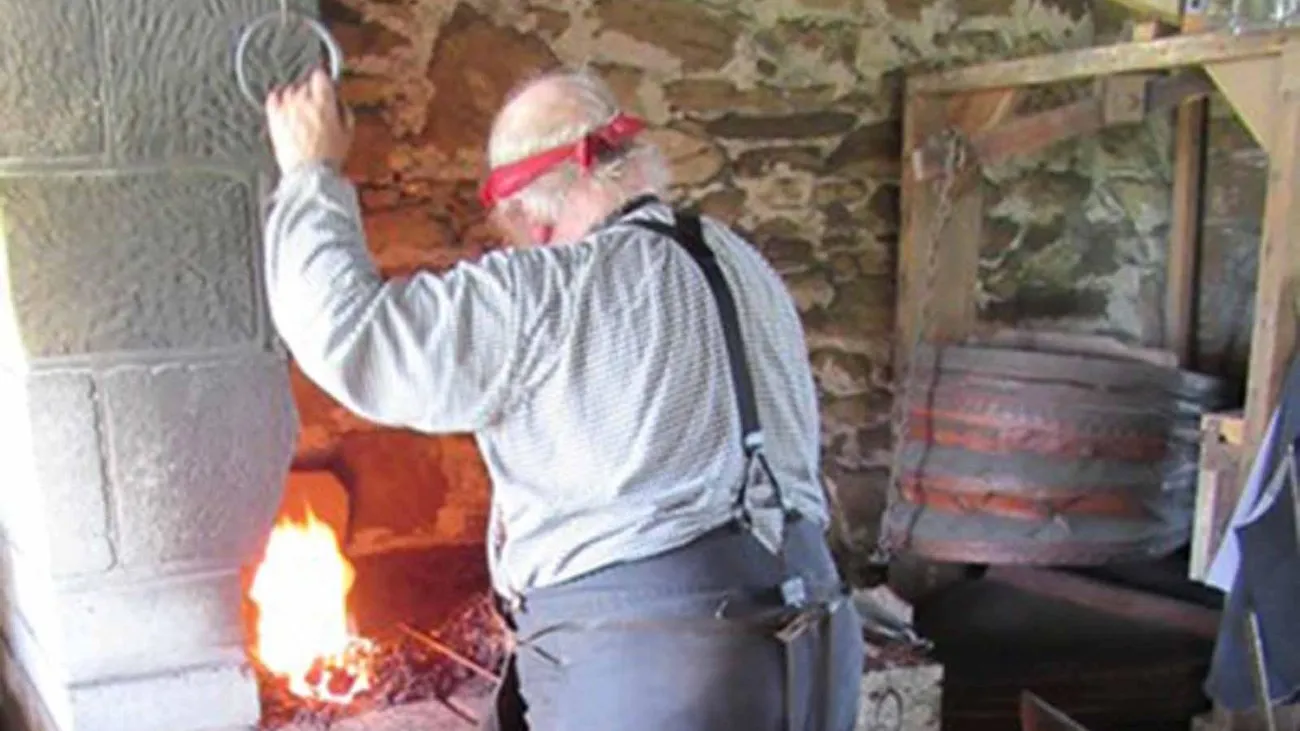
4. Ask whether the blacksmith is working
The shops building tells a different part of the story. Military posts relied on skilled workers to make and repair tools and equipment. A working blacksmith sometimes demonstrates traditional techniques at Fort Larned, giving visitors a chance to see how heat, an anvil and practiced hands transform metal.
Demonstrations are seasonal and not guaranteed on every visit. The Park Service advises calling ahead if seeing the blacksmith is a priority. Even without a demonstration, the shop provides a useful way to think about the labor required to keep a remote post operating.
5. Take in the wider history and landscape
Fort Larned’s story reaches beyond its buildings. The army’s presence along the trail formed part of a period of conflict, negotiation and profound disruption for Native nations of the plains. The site was associated with events leading to the 1867 Medicine Lodge Treaty, and its interpretation offers a starting point for understanding multiple perspectives on this history.
For a different view of the grounds, ask about the History and Nature Trail. It explores natural areas and traces of structures that supported the fort. Bring water and suitable footwear, and check conditions before walking. The park also has a picnic area if you want to make a longer stop.
6. Learn about the Buffalo Soldiers
Company A of the 10th U.S. Cavalry arrived at Fort Larned in 1867. These Black soldiers were among the first of the newly formed African American cavalry units sent west after the Civil War. They served on the Santa Fe Trail while facing racism within the society and military of their time.
Their service belongs within the wider and difficult history of U.S. military campaigns on Native lands. The park’s Buffalo Soldiers interpretation offers a starting point for learning about their experiences and the period in which they served.
Plan your visit
Entrance is free. The fort generally operates year-round with holiday exceptions; check the official visitor information for current hours and any alerts. Pets are not permitted inside the historic buildings, and services and demonstrations can vary. If you need a particular accommodation, contact the park before your trip.
Fort Larned rewards an unhurried visit. The buildings are close enough to explore comfortably, but the stories inside them reach far beyond the parade ground.