The Flint Hills can surprise anyone expecting Kansas to be entirely flat. Long ridges roll toward the horizon, grasses change color with the season, and a walk can reveal more life than first meets the eye. At Tallgrass Prairie National Preserve near Strong City, the landscape is the main attraction—but an old ranch, a schoolhouse and the chance to watch bison add several different ways to enjoy it.
This is a place for slowing down. Pick one short walk, explore the historic buildings, or pack enough water for a longer outing. These five ideas can help you build a first visit around the time and energy you have.
1. Begin at the visitor center and historic ranch
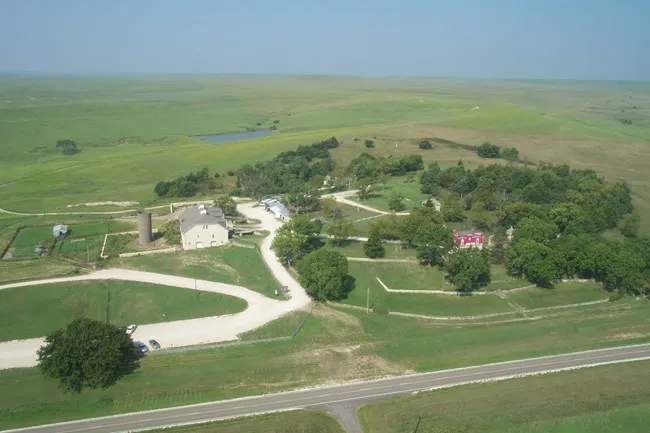
Start with a map and an update on trail conditions at the visitor center. The preserve protects more than an attractive view: its remaining tallgrass prairie is part of an ecosystem that once covered a much larger swath of North America. The Flint Hills’ rocky soil helped spare parts of this landscape from the plow, leaving a place where visitors can see prairie at a much larger scale than a roadside patch.
Nearby historic ranch buildings add another layer to the story. Take a self-guided look around the grounds and use the signs or available interpretation to learn how ranching shaped this property. The stone buildings and broad views make an easy introduction before committing to a hike. Visitor-center and building hours vary by season, so confirm them with the National Park Service before setting out.
2. Look for bison from a respectful distance
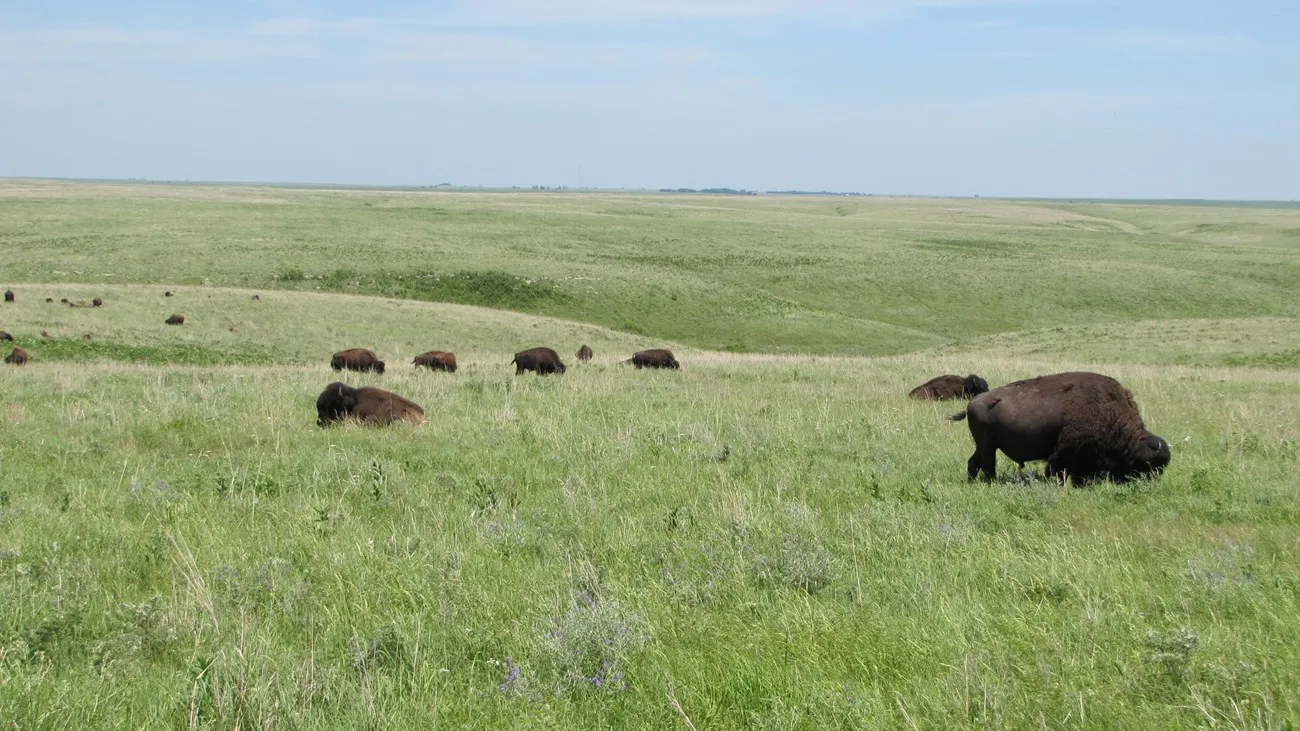
Bison can turn a quiet prairie view into a memorable wildlife encounter. They are wild animals, however, and there is no guarantee they will be close to a viewing area. Bring binoculars and let the day’s conditions determine whether a sighting is possible.
The National Park Service advises staying at least 100 yards away when possible. Never walk through a herd or approach an animal for a photograph; if bison block your route, turn around or take a safe detour. Windmill Pasture is uphill from the visitor center, but ask about the herd’s location and trail conditions before entering any pasture. A distant view can be every bit as rewarding as a close one, and it leaves the animals room to behave naturally.
3. Choose a prairie trail that fits your day
Walking is the best way to notice the smaller details: seed heads moving in the wind, insects among the stems and the way the hills seem to fold into one another. The preserve offers nature trails as well as a much larger backcountry network. Ask for a map and choose a route based on the weather, distance and how much shade you will need.
The Scenic Overlook route offers a longer walk into the uplands; the Park Service describes the overlook as just over three miles one way from the visitor center. You do not have to reach it to enjoy the prairie. A shorter out-and-back lets you experience the landscape without turning a casual stop into an all-day hike. Gravel, grass, slopes and wet ground can affect footing, and many backcountry routes were not developed for accessibility. Ask staff about the options that best match your needs.
4. Visit the one-room schoolhouse
The Lower Fox Creek Schoolhouse offers a different perspective on the Flint Hills: a reminder that this was also a place where families built communities and children went to class. According to the Park Service, visitors can reach it by hiking the Southwind Nature Trail or by driving to the schoolhouse area.
Building access changes with the season, and winter weather can make access roads and parking more difficult. Even when the interior is closed, the exterior and surrounding views can make the stop worthwhile. Check current conditions rather than assuming the building will be open on the day you arrive.
5. Add a scenic drive through the Flint Hills
For a wider look at the region, pair the preserve with a drive along the Flint Hills National Scenic Byway on K-177. The route connects Cassoday and Council Grove through open ranch country, with the preserve near its northern stretch. A signed overlook south of Cottonwood Falls offers a place to pause and learn more about the prairie.
Leave time for the drive itself instead of treating it merely as the road between stops. Light and weather change the view throughout the day, and the rolling hills are especially appealing when you can pull over safely and take them in. Use designated pullouts rather than stopping on the roadway or entering private ranchland.
Plan a comfortable visit
Bring water, sun protection, sturdy shoes and layers for wind. Check the forecast, current alerts and the latest trail guidance before a long walk; prescribed fire and livestock operations can affect access. The Park Service notes that the trails are open around the clock, but visitor facilities keep separate hours and overnight camping is not available. Bicycles are not permitted on the preserve’s hiking trails, and pet rules vary by area.
Most of all, give the place a little time. Tallgrass Prairie does not reveal itself in a single glance from the parking lot. A short walk and a quiet pause may be all it takes to understand why these hills deserve a closer look.