On Assateague Island, a beach day can include much more than sand and surf. The Maryland district of Assateague Island National Seashore protects ocean beaches, marshes and wild horses that roam through the landscape. A horse might appear near a campground or roadside as easily as on a beach, which makes preparation part of the experience.
This guide focuses on the Maryland district of the national seashore. The island also extends into Virginia, where a separate district has different management and access arrangements. Check the National Park Service's current conditions before leaving, and do not assume a horse sighting or a particular facility will be available on demand.
1. Give the Wild Horses Plenty of Space
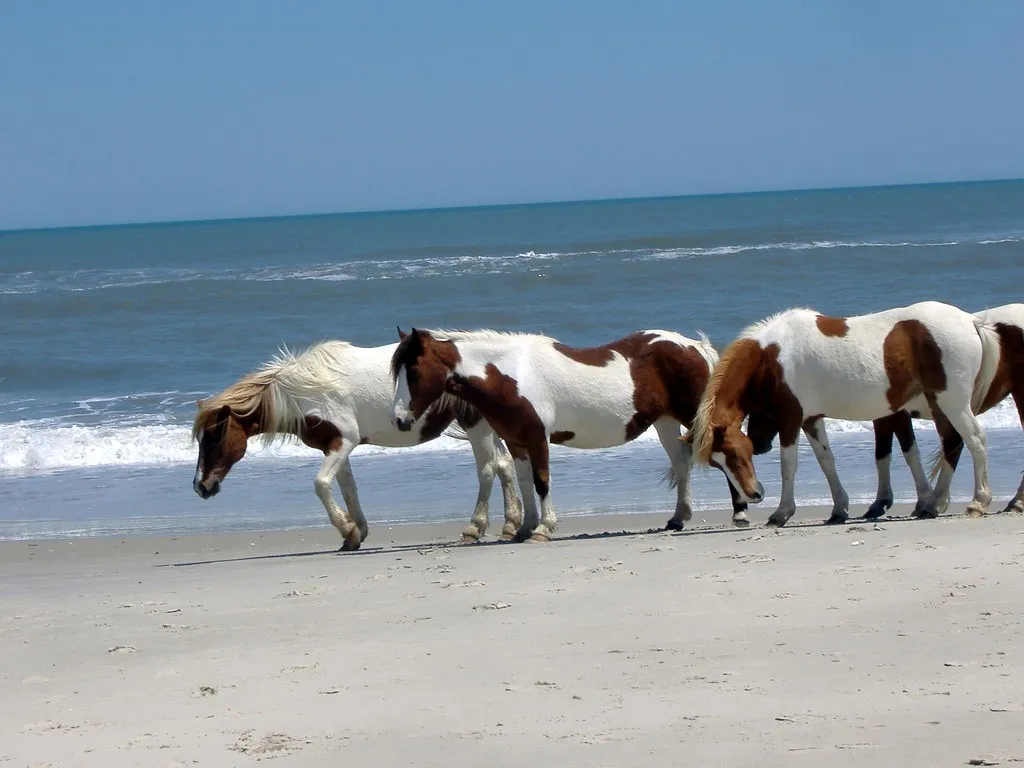
The horses in Maryland roam freely and may be seen in marshes, on beaches or along roads and parking areas. The National Park Service cannot guarantee sightings, but it says the animals can be seen throughout the year. Watch from a distance and let them move naturally rather than trying to arrange a close encounter.
The park prohibits coming within 40 feet of a horse and prohibits touching or feeding one. Horses can kick and bite, and if an animal approaches, visitors are responsible for moving away and allowing it to pass. Keep food secured, supervise children and use a zoom lens rather than stepping closer for a photograph.
Drive slowly, especially at dusk or after dark. The park notes that horses' eyes do not reflect headlights in the way drivers might expect, making animals near the road difficult to see. A slow, attentive arrival protects both wildlife and people.
2. Understand Which Park and District You Are Visiting
Assateague is a barrier island spanning Maryland and Virginia. The Maryland district of the national seashore and nearby Assateague State Park are separate areas with their own rules and fees. The National Park Service says a state park pass is not valid for admission to the national seashore, so check your destination and pass before reaching the entrance.
The Virginia portion includes Chincoteague National Wildlife Refuge and a separately managed horse herd. Do not assume that a Maryland itinerary, pet rule or visitor-center schedule applies across the state line. Use the map and directions for the district you actually intend to visit.
The National Park Service lists entrance passes and current rates on its fee page. Fees and pass arrangements can change; check directly rather than relying on an old travel post or a price remembered from a previous trip.
3. Look Beyond the Ocean Beach
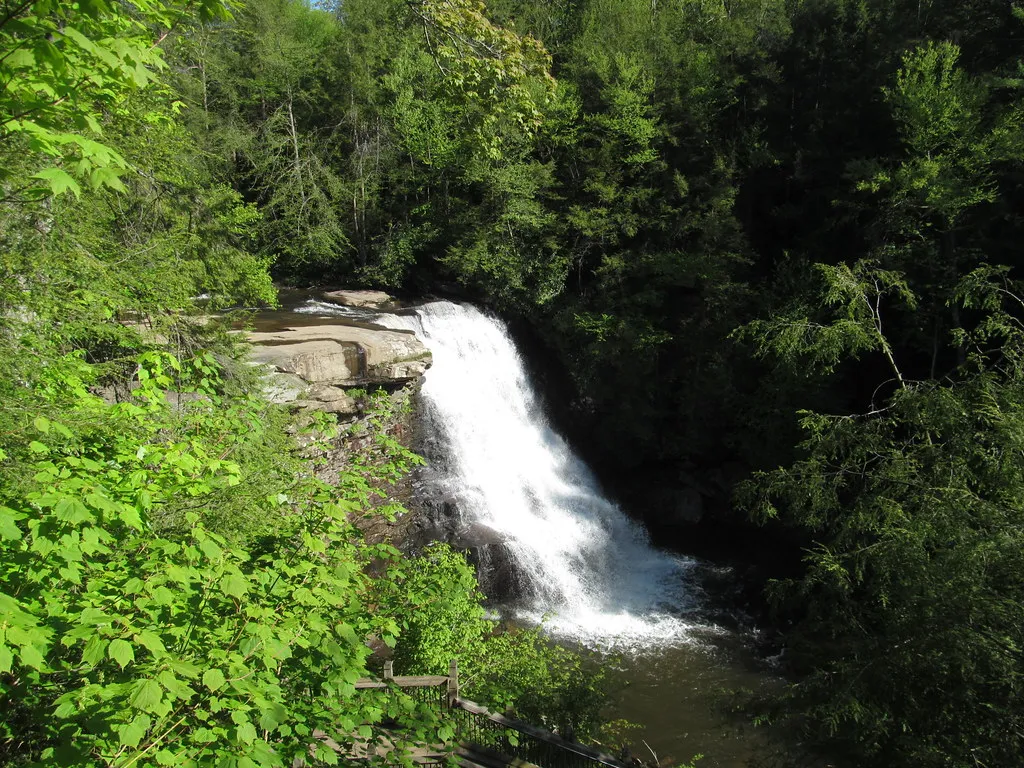
The ocean is only one side of the island. On the bayside, the Life of the Marsh Trail follows a boardwalk through marsh habitat with views over Sinepuxent Bay. The park describes it as an approximately half-mile accessible trail, offering a different way to experience the island without a long hike.
Birds, changing light and the movement of water make a marsh walk rewarding even when horses are elsewhere. Bring binoculars if you enjoy wildlife watching, but keep a respectful distance from every animal. The National Park Service says pets and bicycles are not permitted on this particular trail, so check the rules for the exact route before setting out.
Conditions can change after storms or during maintenance. The park's current conditions page is the best starting point for trail status and visitor-center hours, while staff can help identify a suitable route for your group.
4. Treat the Surf as a Changing Condition
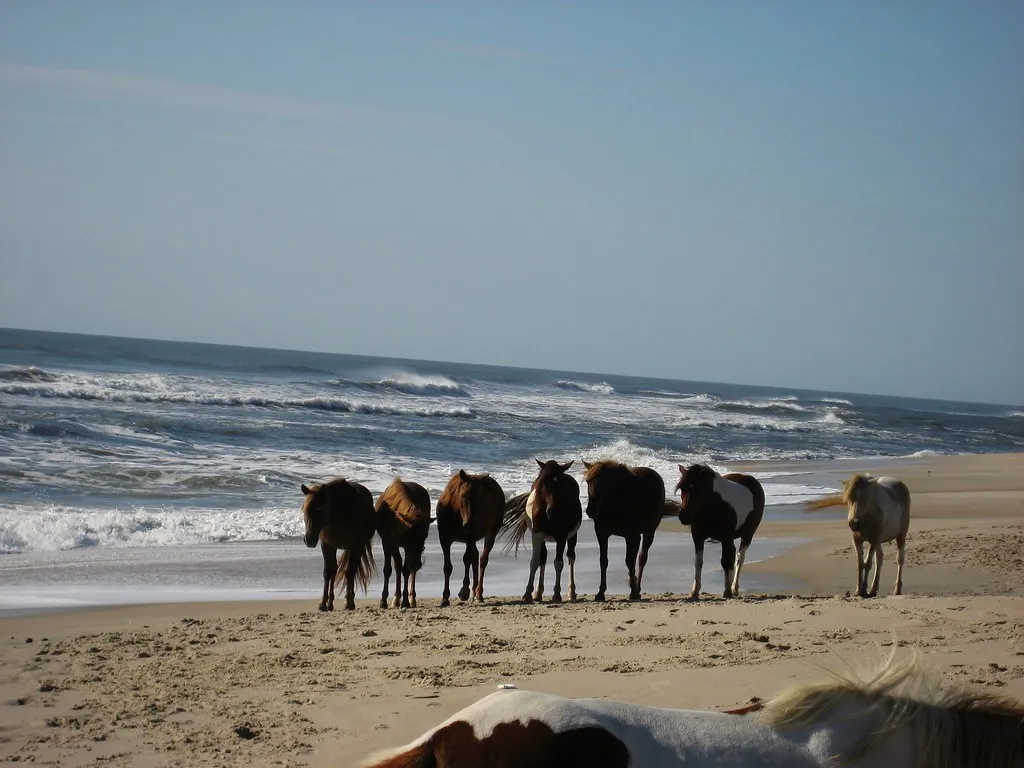
Assateague's beach is exposed to ocean currents and weather. As of the park's November 8, 2026 conditions update, no lifeguards were on duty in the Maryland district, and the park warned that strong currents may exist. Check the current notice before your trip; staffing and hazards can change with the season.
The National Park Service strongly recommends a U.S. Coast Guard-approved life jacket for people recreating in or near the water. Keep a close watch on children, review beach and surf safety information and be willing to stay out of the water when conditions are unsuitable.
Wind, sun and insects can also shape a comfortable day. Bring water, sun protection and layers appropriate for the season. A sheltered marsh walk and an exposed beach can feel like very different environments even on the same afternoon.
5. Plan Camping or Special Activities Separately
Camping is available in the Maryland portion of the national seashore, but campsites and other activities have their own reservation and permit requirements. Check the official camping page for current availability and rules rather than assuming that an entrance pass reserves a site.
Over-sand vehicle use requires a separate permit and is subject to changing conditions and designated routes. The park says permits are purchased online through Recreation.gov. If you are considering that activity, read the current equipment requirements and closure notices carefully before committing to the trip.
Store food securely wherever you stop. A picnic becomes a wildlife problem when animals can reach it, and feeding any wild animal, including a horse, is illegal. Leave the island as you found it and pack out what you bring.
6. Check Conditions Before Crossing to the Island
The park's Maryland visitor center and campground office have separate published hours, and facilities may be affected by weather or construction. The National Park Service announced a water-line replacement project beginning in fall 2026, so check current notices for any impacts before depending on a particular service.
In summer, the park warns that parking lots can fill quickly on busy weekends. Arrive with flexibility, use official directions and follow staff instructions if access is limited. A quieter visit can be built around the bay, a short trail or the beach rather than a fixed promise of seeing horses.
Assateague is most memorable when visitors let the island set the pace. Give the wildlife room, pay attention to the water and enjoy the contrast between open ocean, dunes and marsh.