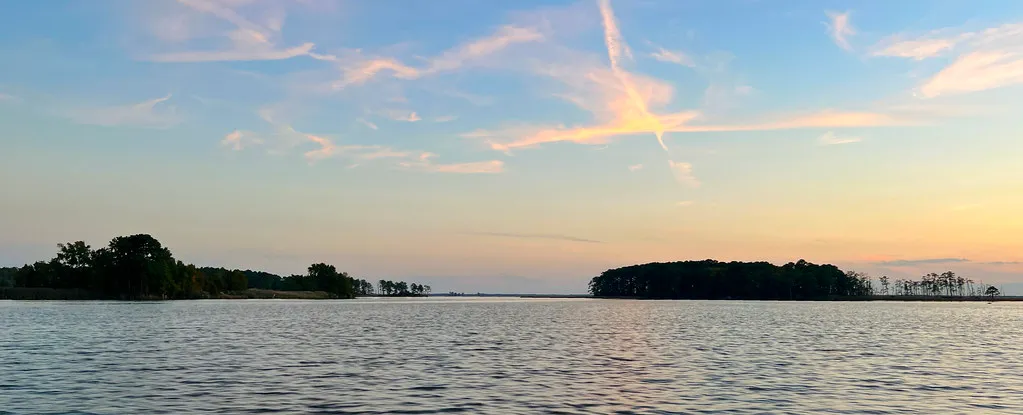
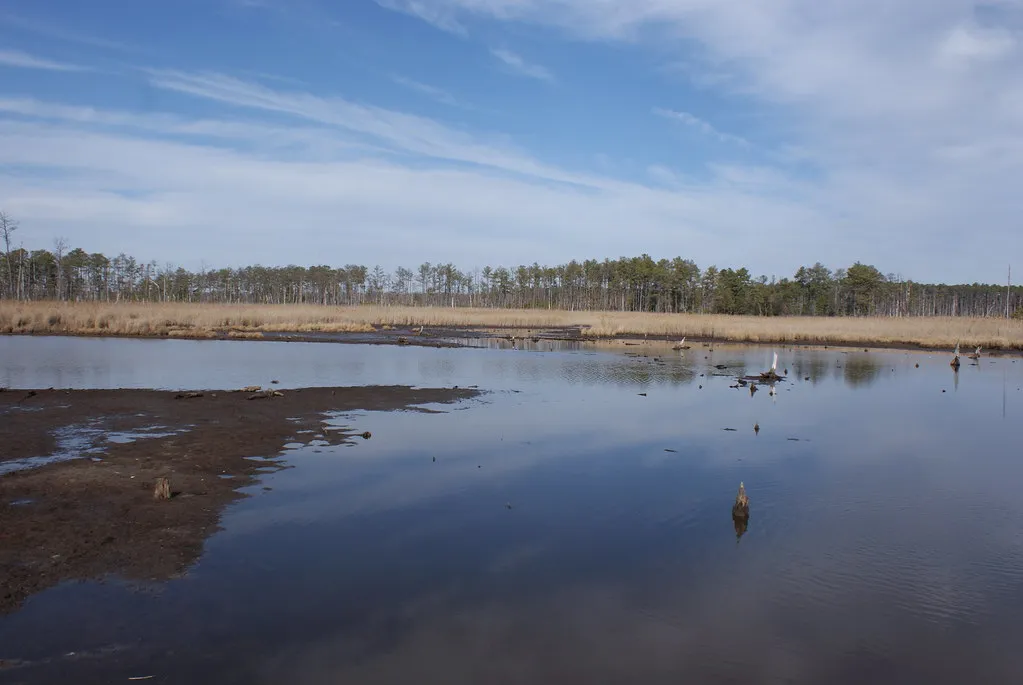
On Maryland's Eastern Shore, the horizon can seem as wide as the sky. Marsh grasses meet shallow water, trees stand along the edges, and a patient visitor might spot a bird crossing the open landscape. Blackwater National Wildlife Refuge near Cambridge offers a particularly accessible way to experience that setting: a four-mile Wildlife Drive that can be traveled by car, bicycle or on foot when open.
The refuge is managed for wildlife, so a successful day starts with attention to closures and boundaries. With a little preparation, its visitor center, drive and trails make a memorable introduction to the Chesapeake region's wetlands.
1. Start at the visitor center
The Blackwater National Wildlife Refuge Visitor Center is at 2145 Key Wallace Drive, Cambridge. Exhibits introduce the refuge and its wildlife, and an upstairs observation area offers a way to look out over the landscape. The center also has wildlife-camera monitors and an educational display of an eagle's nest.
Check the center's current hours before setting out. The refuge's public outdoor areas have different hours from the building, so a dawn visit may mean beginning outside and returning to the center later. The center is free; the Wildlife Drive generally requires a pass. Ask staff for a map, current trail information and recent wildlife observations when the center is open.
2. Take the Wildlife Drive slowly
The four-mile drive follows the Blackwater River and offers views across marsh and water. Its short distance is deceptive: birdwatchers and photographers may spend far longer than they would on an ordinary road. Bring binoculars and plan for unhurried stops at designated places. A field guide or bird-identification app can help, but simply watching the movement of birds and clouds across the water is a worthwhile way to spend the time.
Wildlife is never guaranteed, and different seasons bring different conditions. Look carefully at exposed perches, water edges and the sky rather than expecting every bird to announce itself. Keep traffic moving, use designated pullouts and stay clear of vegetation or banks where stopping is not permitted. If cycling or walking, remain alert to vehicles sharing the route.
3. Check the hunting-closure calendar
The refuge periodically closes portions of the drive and trails for deer management hunts. As of November 2026, the refuge announced that most of Wildlife Drive would be closed December 4, 2026, and January 8, 2027. The Pool 5 loop on the western end is scheduled to remain open free on those dates, with its separate entrance and exit described on the refuge website.
Individual trails can have additional closure dates, and weather or management needs can change the plan. Consult the current refuge notices and the detailed hunting-closure schedule shortly before traveling. Do not enter a closed area even if the road or trail looks inviting. A map and a second activity nearby can turn an unexpected change into a manageable adjustment.
4. Choose a trail that is actually open
Blackwater lists four land trails: Marsh Edge, Woods, Key Wallace and Tubman Road. They offer a different pace from watching through a car window, but they do not all remain open at all times. Marsh Edge may close to reduce disturbance to nesting eagles and herons, while Key Wallace and Tubman Road may close during parts of the hunting season. Check the current status before choosing a route.
Bring water, insect protection and shoes suitable for the weather. The refuge warns that poison ivy is common along trails from spring into fall; staying on the designated route protects both you and the habitat. Downloading a map ahead of time helps if your phone connection is unreliable. Walk only where public access is permitted and leave extra time for a slow return.
5. Watch wildlife without disturbing it
Blackwater is a refuge first. That means keeping a respectful distance from wildlife and using binoculars or a camera lens to bring distant animals closer. Avoid approaching nests, feeding animals or leaving trails for a better photograph. If a bird changes its behavior because of your presence, give it more space.
The landscape can change with the weather and the time of year. A cold morning may mean heavy layers and a thermos; warmer months can bring insects and intense sun. A quiet car can make a useful viewing spot, but be considerate of other visitors and follow any instructions posted at overlooks or parking areas.
6. Make a half day of the Eastern Shore
Begin at the visitor center if its schedule fits, then drive the route with time for stops. If a trail is open and your group wants more movement, add a short walk. Pack a picnic and use the tables outside the center, or leave time for a meal in the Cambridge area afterward. Check local business hours separately, especially on weekdays or in the off-season.
The refuge's attraction is the chance to notice a landscape that rewards patience: a line of trees reflected in still water, a distant bird moving between marsh and sky, or the shift of light over the river. You don't need to identify every species to appreciate it. Give yourself time, respect the wildlife and let the marsh set the pace.