The landscape around Church Creek holds marshes, waterways, farms and roads that connect to one of America's most consequential freedom stories. Harriet Tubman was born enslaved in Dorchester County, escaped in 1849 and returned repeatedly to guide family members and others to freedom. A visit to Maryland's Eastern Shore can help connect that history to the place where her life began.
Start at the Harriet Tubman Underground Railroad Visitor Center, then choose a few stops along the byway. This is a trip for listening and reflection, not a race to collect landmarks. Many places connected to the story are privately owned or have limited access, so check current details and respect boundaries.
Start at the visitor center in Church Creek
The Harriet Tubman Underground Railroad Visitor Center at 4068 Golden Hill Road is a practical introduction to the area. The National Park Service and Maryland Park Service operate it together. Exhibits and a film place Tubman's life within the history of slavery, resistance and the Underground Railroad, while an information desk can help visitors plan the next part of their trip.
The center is free, according to the National Park Service, and does not require timed entry. Check the current hours and holiday schedule before setting out; published schedules can change, and the center is not necessarily open every day. Leave enough time to engage with the exhibits rather than arriving just before closing. Restrooms and a museum store are available inside.
Learn about the family and community behind the journey
Born Araminta Ross in 1822, Tubman was separated from family members as a child under slavery. The National Park Service describes how she was hired out for labor while still young, including work connected to trapping in the Little Blackwater River. The exhibits provide context for the coercion and separation that shaped her early life as well as the ties she maintained to her family and community.
After escaping, Tubman returned to Maryland's Eastern Shore around 13 times and guided approximately 70 enslaved people to freedom, according to the park service. Those figures describe dangerous, deliberate journeys made possible through knowledge, trust and a network of assistance. The Underground Railroad was not a literal railroad, and no single route or stop tells the entire story.
Pause in the landscape
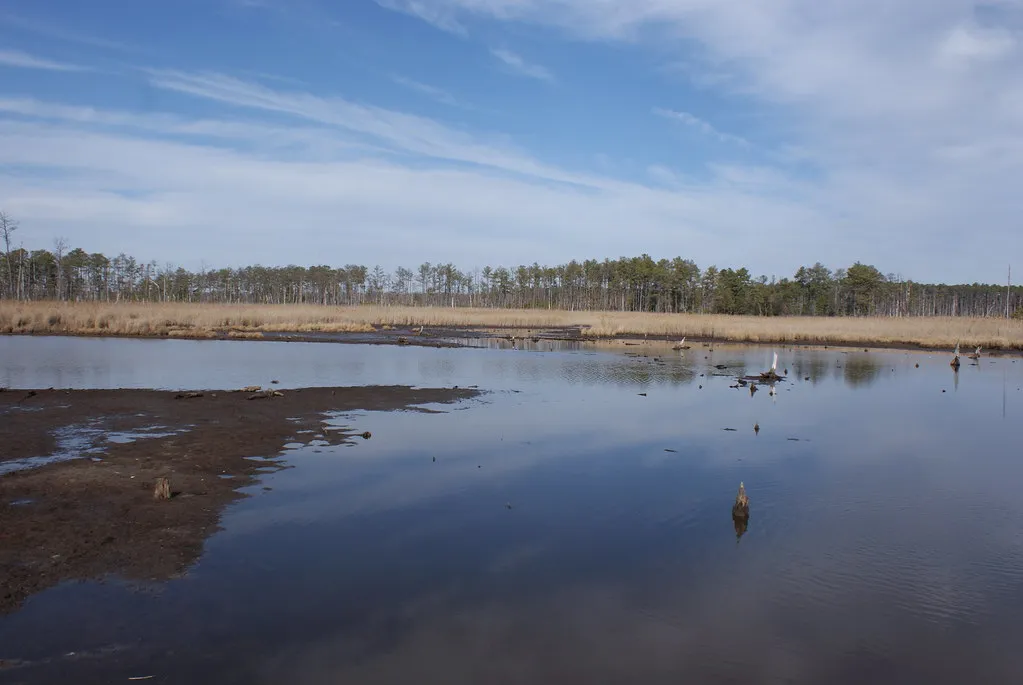
The visitor center sits beside Blackwater National Wildlife Refuge. Its marshes and waterways help visitors understand the environment in which Tubman lived and worked. The refuge is also a living habitat managed for wildlife, so use only areas open to the public and follow posted closures. The landscape has changed over time; it should be viewed as a connection to place, not a perfectly preserved snapshot of the nineteenth century.
If you have time, consult refuge staff or its website about the Wildlife Drive and trails. Some areas close for wildlife protection or seasonal deer management, and the drive generally requires a pass. Bring binoculars, remain on designated routes and avoid disturbing wildlife. Even a brief look across the marsh after the exhibits can encourage a different kind of reflection.
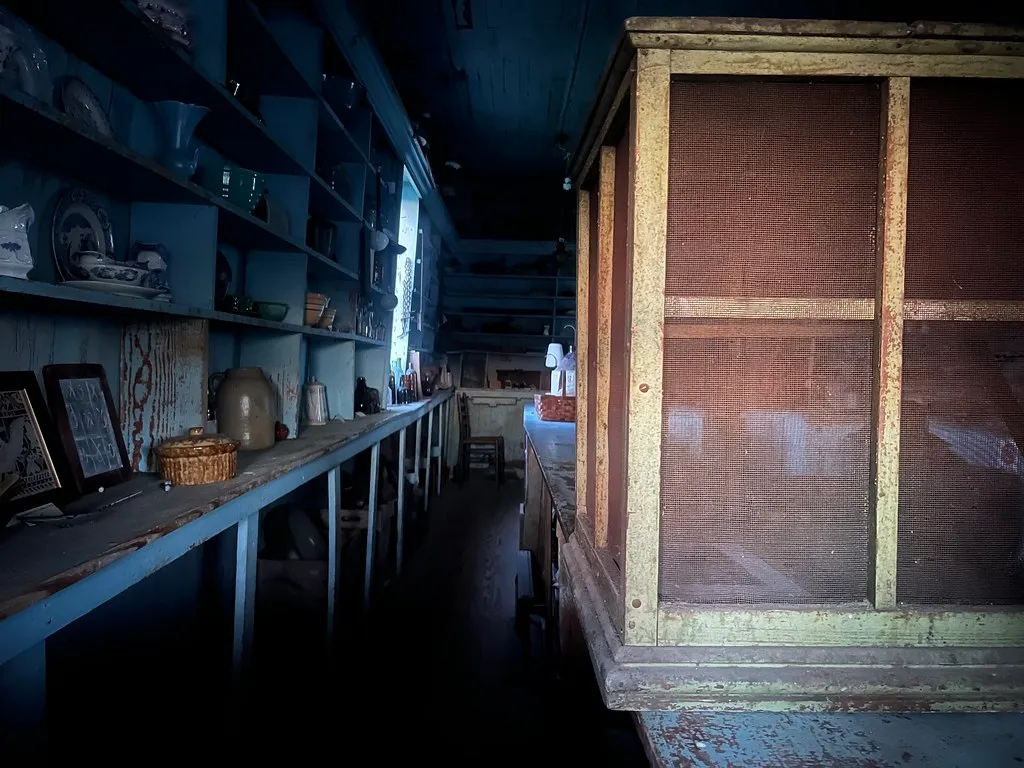
Consider a visit to Bucktown Village Store
The Bucktown Village Store is associated with an episode in Tubman's youth when an overseer threw a weight at another enslaved person and struck her instead. The injury had lasting consequences. The National Park Service includes the store among places that help explain the Eastern Shore setting of her life.
The store is operated separately from the visitor center. The Harriet Tubman Byway's planning information says it opens by appointment, so contact the operator and confirm arrangements before assuming you can go inside. The photograph in this article shows an interior view from an earlier visit; it is not a promise of current access. Treat the site and its interpretation with the attention the subject deserves.
Follow the byway selectively
The Harriet Tubman Underground Railroad Byway links sites across the region. The National Park Service notes that the route begins at the Dorchester County Visitor Center in Cambridge, while the Church Creek center provides another useful starting point. A map or audio guide can help you decide which sites fit the time available.
Not all stops are museums with staff on hand. Some are exterior views, waysides or places whose hours depend on separate organizations. Check each operator's current information, park only where permitted and never enter private property without permission. Build in driving time between stops: the rural landscape is part of the trip, but distances are easy to underestimate on a map.
Leave room for the rest of Tubman's life
Maryland tells the story of Tubman's childhood, enslavement, escape and return journeys. Her life extended far beyond those chapters. The National Park Service also describes her work during the Civil War and her later involvement in the women's suffrage movement. Another Harriet Tubman national historical park in Auburn, New York, interprets parts of her later life; it is a separate destination from the Maryland visitor center.
For a thoughtful half day, begin with the exhibits, take a quiet walk in the center's legacy garden, then choose one or two nearby byway stops with confirmed access. A longer visit lets you hear more voices and explore the region at a measured pace. Either way, the most important part of the journey is making time to understand the people and choices behind the places.