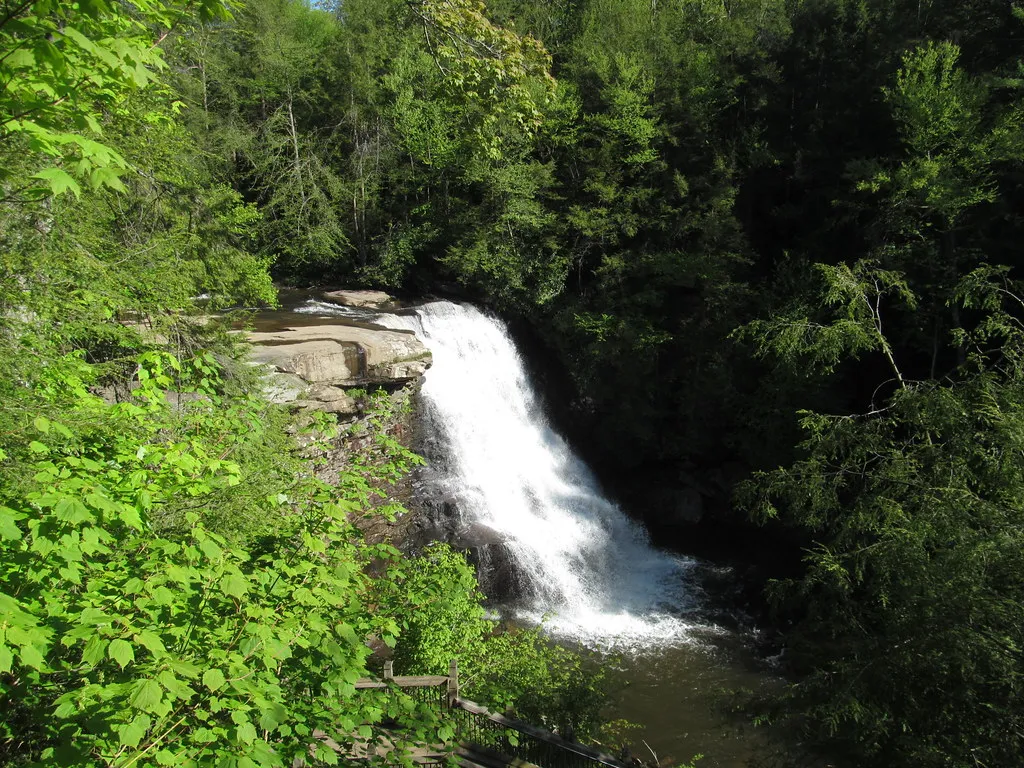
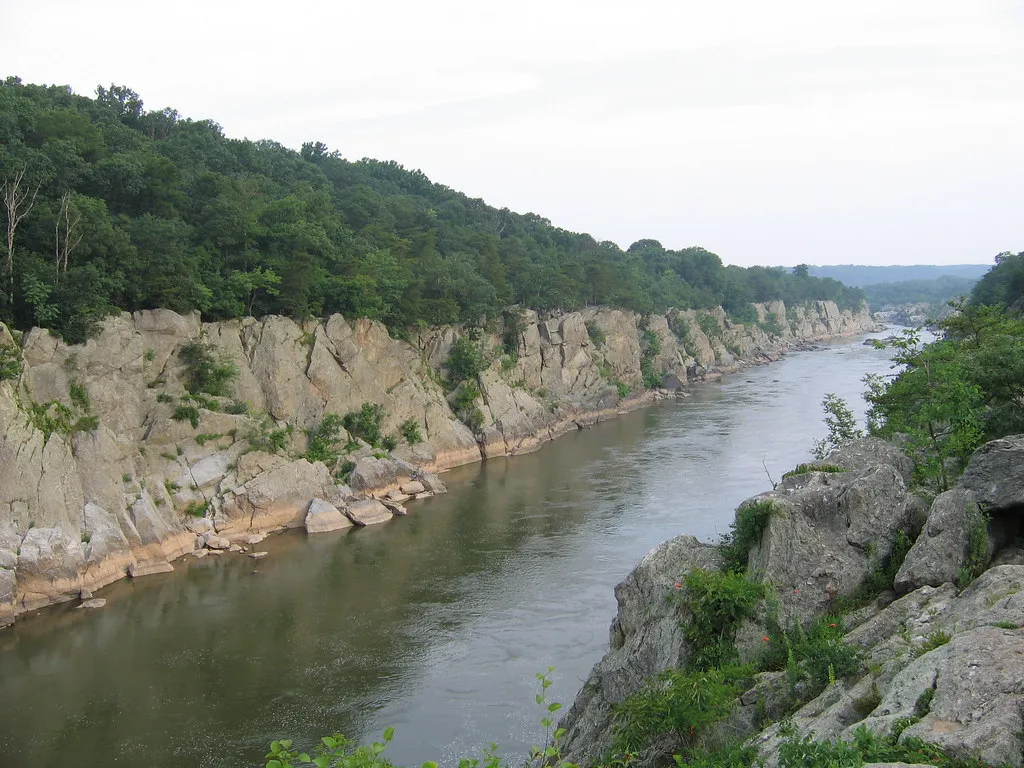
At Great Falls, the Potomac River doesn't make one neat drop. It rushes through a jumble of rock and narrow channels, gathering speed beside an old canal that once promised a much more orderly route. From the Maryland side, you can experience both stories in a single visit: a historic towpath beside the water and, for prepared hikers, a rugged trail through the gorge.
The Great Falls Tavern area is part of Chesapeake and Ohio Canal National Historical Park. It is a separate destination from Great Falls Park across the river in Virginia, so choose your navigation carefully. Here are seven ways to make a Maryland-side day both memorable and manageable.
1. Begin at Great Falls Tavern
The old tavern and adjacent canal locks give the visit a useful starting point. Before cars and park maps, the Chesapeake and Ohio Canal was a transportation corridor: boats moved along the water while animals pulled them from the towpath. A lock raised or lowered a boat to deal with a change in elevation. Standing beside the stonework makes that engineering easier to picture than any diagram.
The Great Falls Tavern Visitor Center can help with maps and conditions when open. Check the park's hours before arriving; visitor center schedules and seasonal programs can change. Don't build the entire outing around a boat ride without checking first: the park's current conditions page listed rides closed for the season in November 2026.
2. Give the overlook its own time
The route to the Great Falls overlook crosses bridges and boardwalks to Olmsted Island. From the Maryland side, visitors look across a broad stretch of the Potomac as it divides among rocks and pours through channels. Changing river levels alter the scene dramatically, which is one reason to pause rather than treating the viewpoint as a quick photo stop.
Use the designated route and respect barriers and closure signs. The power of the current is not always obvious from a photograph, and wet rock near the river can be dangerous. The National Park Service prohibits pets on Olmsted Island, including its bridges, boardwalks and overlooks. Arrange a different walk if someone in your party is visiting with a dog.
3. Walk a little of the towpath
You don't have to be a long-distance cyclist to appreciate the canal. The towpath extends through a much larger park, but a short out-and-back near Great Falls offers a sense of the landscape without committing to a full-day hike. Look for lock structures, water in sections of the canal and the changing relationship between the old channel and the river.
Water levels in the canal can change because of maintenance, weather and other factors; the park's conditions page identifies sections that are watered or de-watered. If your mental picture includes reflections in still water, consider the canal's engineering and landscape part of the experience even when the bed is dry. Keep to one side when practical and make room for other walkers and cyclists.
4. Know what Billy Goat Trail Section A demands
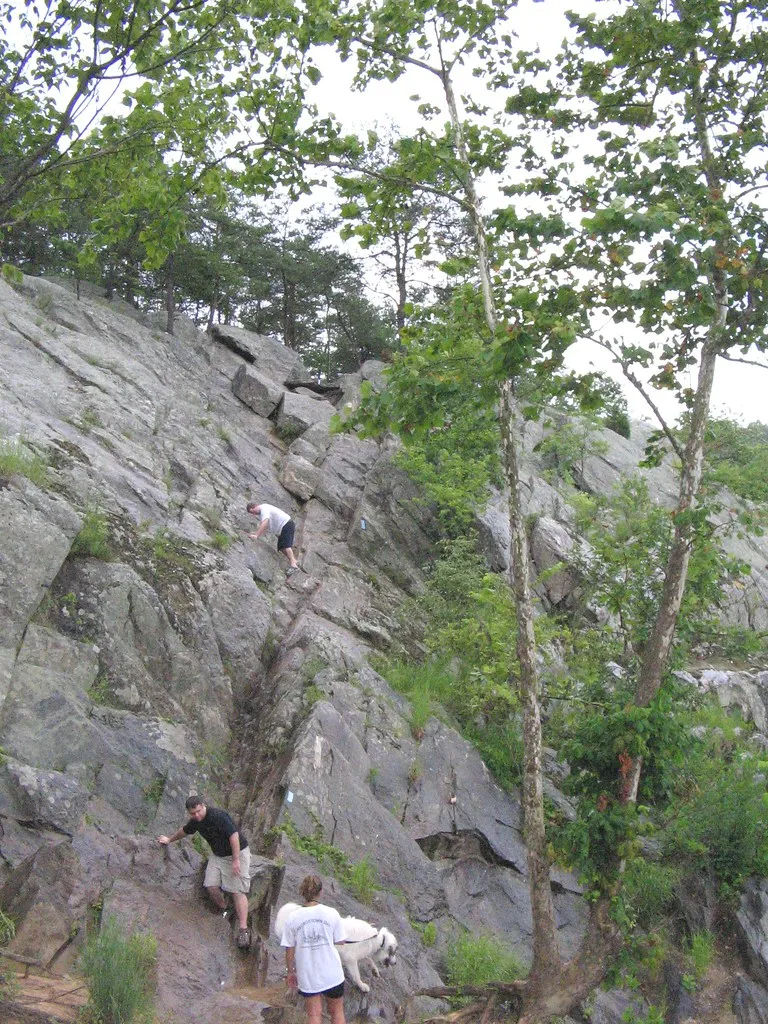
For hikers looking for a much more physical outing, Section A of the Billy Goat Trail travels over rocky ground on Bear Island. The park describes the section as technical and strenuous, with scrambling and climbing over angled rocks and boulders. Its trail segment is 1.75 miles one way; getting to and from it adds distance, so consult a map before deciding where to start and finish.
This is not a simple extension of the towpath. People uncomfortable with scrambling, hikers without suitable footwear, and parties with small children may prefer a different route. Bring drinking water, allow more time than a flat mileage estimate suggests, and turn back before the terrain or weather exceeds anyone's comfort. Pets are not permitted on Section A. The historical trail photograph here predates that current rule and does not indicate that dogs are allowed today.
5. Check conditions before choosing a trail
The river can change the plan. Section A often closes because of flooding, and the park says closures can occur at lower river levels under certain circumstances. Check the official current-conditions page shortly before setting out, follow posted instructions, and ask park staff if the status is uncertain. The conditions page listed all three Billy Goat sections open on November 12, 2026; that snapshot is not a guarantee for your visit.
The park lists other paths around the area, including the towpath and Gold Mine Loop. A shorter walk can still make a satisfying day, especially when rain makes exposed rock slippery or river levels are rising. The best itinerary is one that gives you a pleasant alternative before you need it.
6. Plan for the entrance and the parking
The Maryland Great Falls Tavern entrance collects a fee; check the park's current fees and pass information rather than assuming a price. The park also states that its Great Falls area pass is valid at Great Falls Park on the Virginia side, subject to its terms. The two destinations remain on opposite sides of the Potomac, however, and reaching one does not mean you can simply walk across to the other.
Arrive with a map saved or available offline, especially on a busy weekend. Note the entrance you used and leave room in the schedule for the walk back to the car. If your group wants different levels of activity, agree on a meeting place near the visitor center before splitting up.
7. Make a flexible half day of it
Start with the visitor center and canal locks, continue to the overlook if it is open, then decide how much walking suits the weather and the group. A picnic or a leisurely towpath stroll can round out a gentler visit. Experienced hikers with appropriate conditions can instead plan a longer route that includes Section A, accounting for the approach and return.
The contrast is the appeal: a carefully engineered canal on one side, an unruly river on the other. You don't need to do every trail to enjoy it. The most useful thing to bring, besides water and suitable shoes, is a plan that leaves room to change your mind.