Boston's Black Heritage Trail connects places associated with the free Black community that lived on the north slope of Beacon Hill in the nineteenth century. Its stories include education, worship, abolition, military service and the long struggle for equal rights. The roughly 1.4- to 1.5-mile walk is a valuable companion to the better-known Freedom Trail.
Many stops are private homes today. A respectful visit means learning from public sidewalks and interpretation without entering private property. These five steps can help you explore the trail and the Museum of African American History at its end.
1. Begin at the 54th Regiment Memorial
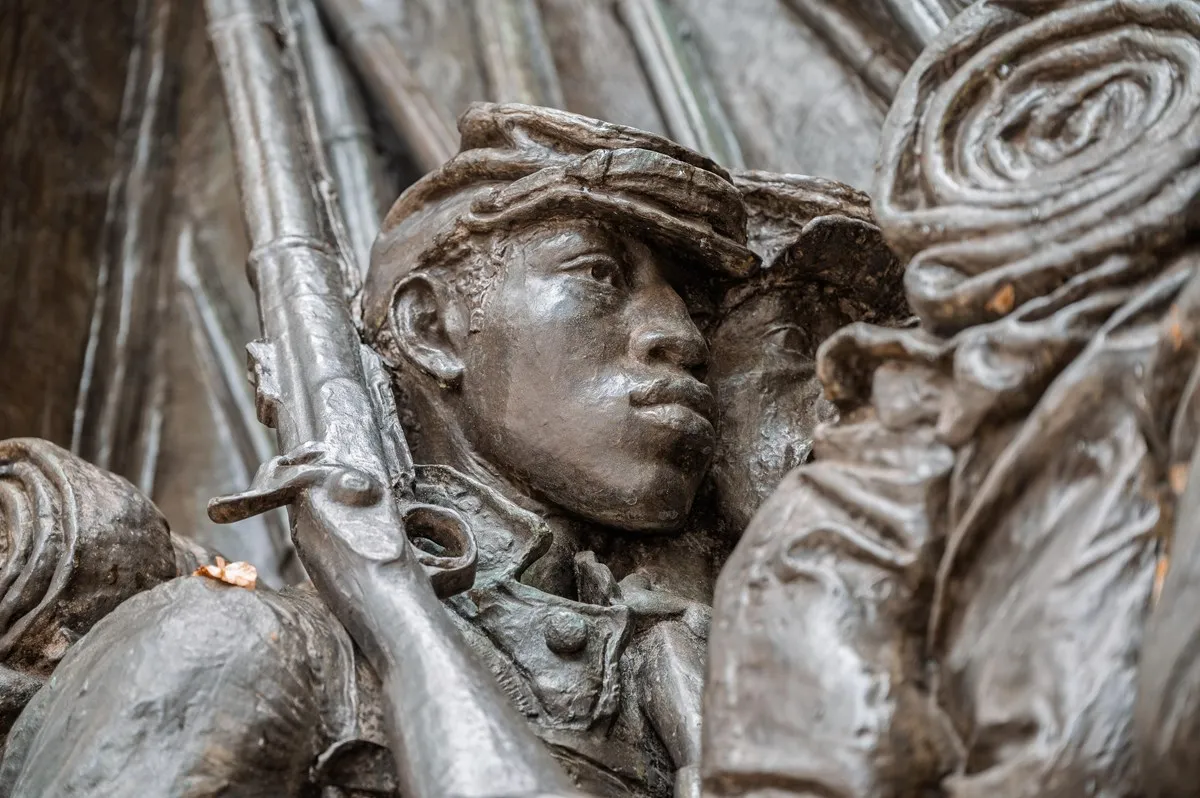
The Robert Gould Shaw and Massachusetts 54th Regiment Memorial stands across from the Massachusetts State House on the edge of Boston Common. It commemorates the Black soldiers of the 54th Massachusetts Volunteer Infantry and their colonel, who served during the Civil War. The relief was dedicated in 1897 and remains a powerful starting point for a walk about citizenship and freedom.
Take time to look at the individual figures and read the interpretive material. The memorial is outdoors and the self-guided trail is free. Bring a map or use the National Park Service's audio tour, and check local construction or access changes before setting out.
2. Walk Beacon Hill with a guide
The trail follows public streets through the historic neighborhood, linking sites associated with Black residents and institutions. The NPS offers a self-guided audio tour in its app. During the 2026 season, rangers also led free tours with advance registration; that scheduled season has ended, so check the park calendar for future dates.
The route includes steep hills, narrow and uneven sidewalks and street crossings. The NPS advises caution and notes that accessibility varies. Wear suitable shoes, allow extra time and consult the park's accessibility information. Many buildings are private residences and are not open to visitors; observe them from public space and respect residents' privacy.
3. Learn about the Underground Railroad
Beacon Hill's Black community organized against slavery and supported people escaping it. Lewis and Harriet Hayden's home is associated with that work and the abolitionist movement. Their story is one of many on the trail that shows freedom seekers and local residents acting together despite legal and personal danger.
Use the NPS interpretation to learn the people and circumstances behind each stop. Avoid treating private houses as open museums or assuming every detail of a clandestine network can be reconstructed with certainty. The trail is most meaningful when the homes are understood as part of a living community as well as historic landmarks.
4. Visit the African Meeting House
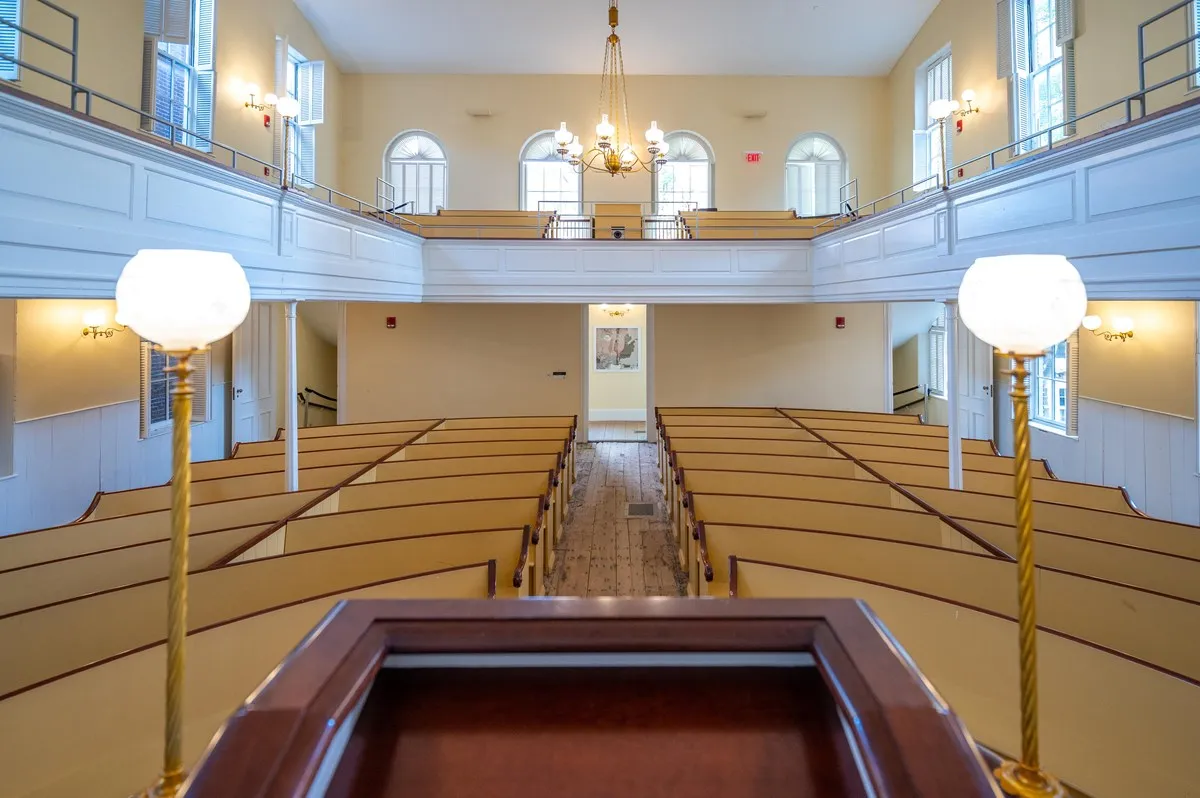
Built in 1806, the African Meeting House served as a church and a gathering place for education, politics and cultural life. The NPS identifies it as the oldest surviving Black church building in the United States. Black craftspeople contributed much of the labor, and the building hosted major voices in the abolition movement.
The Museum of African American History operates the meeting house in partnership with the NPS. Interior access is not included automatically in a walk on the public trail: check the museum's current tickets, talk schedule and reservation requirements. The NPS describes the meeting house as accessible by ramp and elevator, while the adjacent Abiel Smith School is currently inaccessible.
5. Continue at the Abiel Smith School museum
The Abiel Smith School opened in 1835 as a building erected specifically for a Black public school. Today it houses the Museum of African American History at 46 Joy Street. Its exhibits offer a chance to continue beyond the outdoor markers and learn about the people, institutions and campaigns for equal education represented on the trail.
The museum is an independent nonprofit partner, with its own hours and admission. Check directly for current prices, tours and access before visiting. If indoor sites are closed, the NPS app and public outdoor route still provide a starting point for learning. Allow 60 to 90 minutes for the walk, plus time for the museum, and approach the neighborhood and its history with care.