In Lowell, Massachusetts, brick mills and canals tell the story of a city built around textile manufacturing. Lowell National Historical Park preserves places where visitors can hear working looms, explore a reconstructed boardinghouse and learn about the people whose labor powered the Industrial Revolution.
The park is woven into a modern city rather than enclosed behind a single gate. Its museums, walkways and programs have different hours, so check the current National Park Service schedule before visiting. These five ideas make a useful first day.
1. Start with a map and the city's setting
The park visitor center at 246 Market Street offers orientation, maps and information about ranger programs. Ask which exhibits, trolley trips and canal routes are operating that day. The 2026 late-fall schedule lists the center open on weekends from October 18 through November 28; later hours may differ.
Lowell's canals carried water that drove mill machinery. A map helps explain why buildings and waterways are arranged as they are, and why a visit involves walking between separate sites. Parking is available in city garages; check the park's current parking instructions, rates and vehicle height limits before arriving.
2. Hear the looms at Boott Cotton Mills Museum
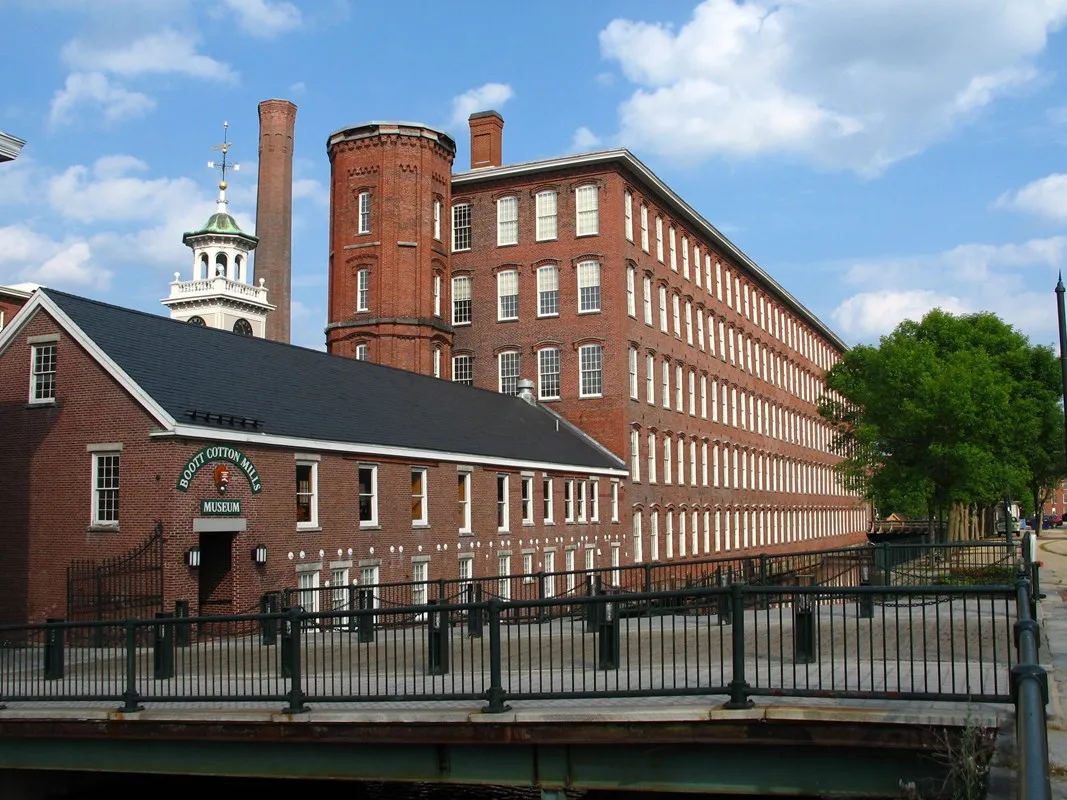
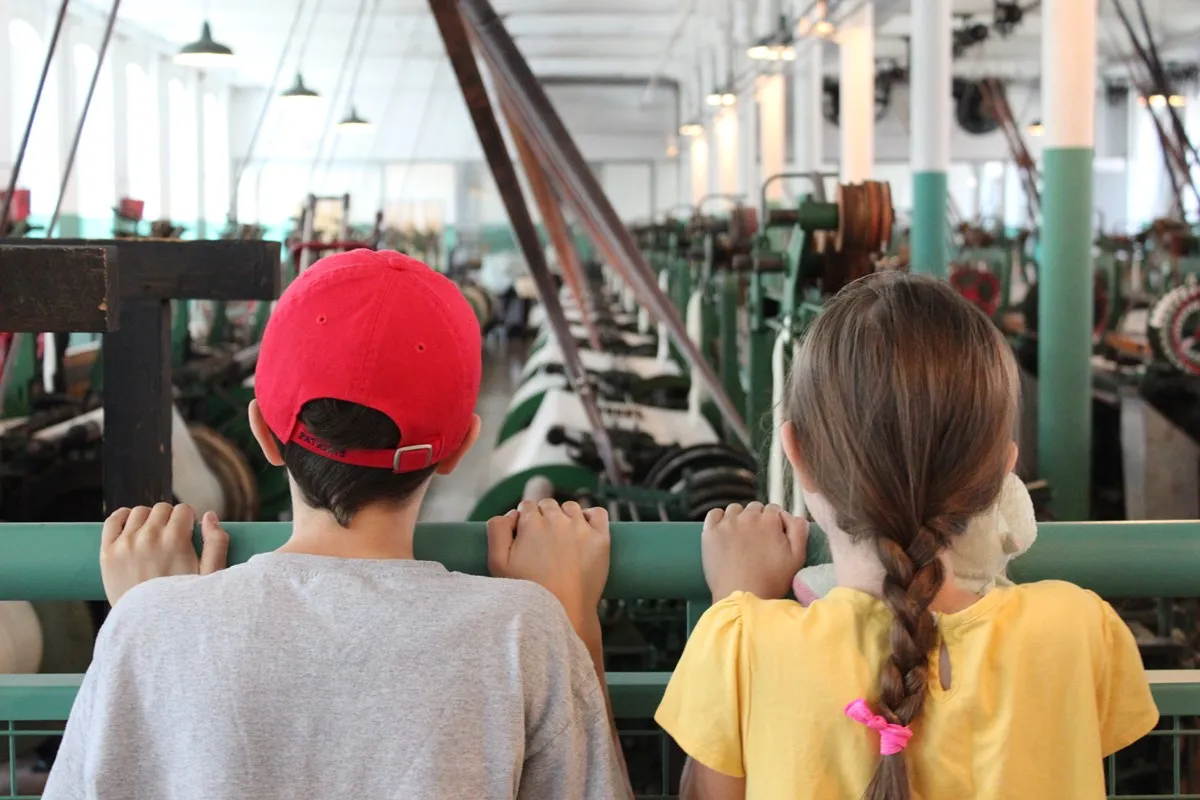
The Boott Cotton Mills Museum at 115 John Street includes a recreated early twentieth-century weave room with operating machinery, along with exhibits on workers, technology and the textile economy. Seeing and hearing the machinery offers a concrete sense of the factory environment; check the day's demonstration times when purchasing a ticket.
The museum requires admission even though the park itself has no general entrance fee. The NPS lists daily 9 a.m. to 4 p.m. hours through November 28, 2026, and a different winter schedule afterward. Confirm the current hours and holiday closures. The weave room can be loud, so ask staff about quieter options if your group is sensitive to noise.
3. Visit the boardinghouse exhibit
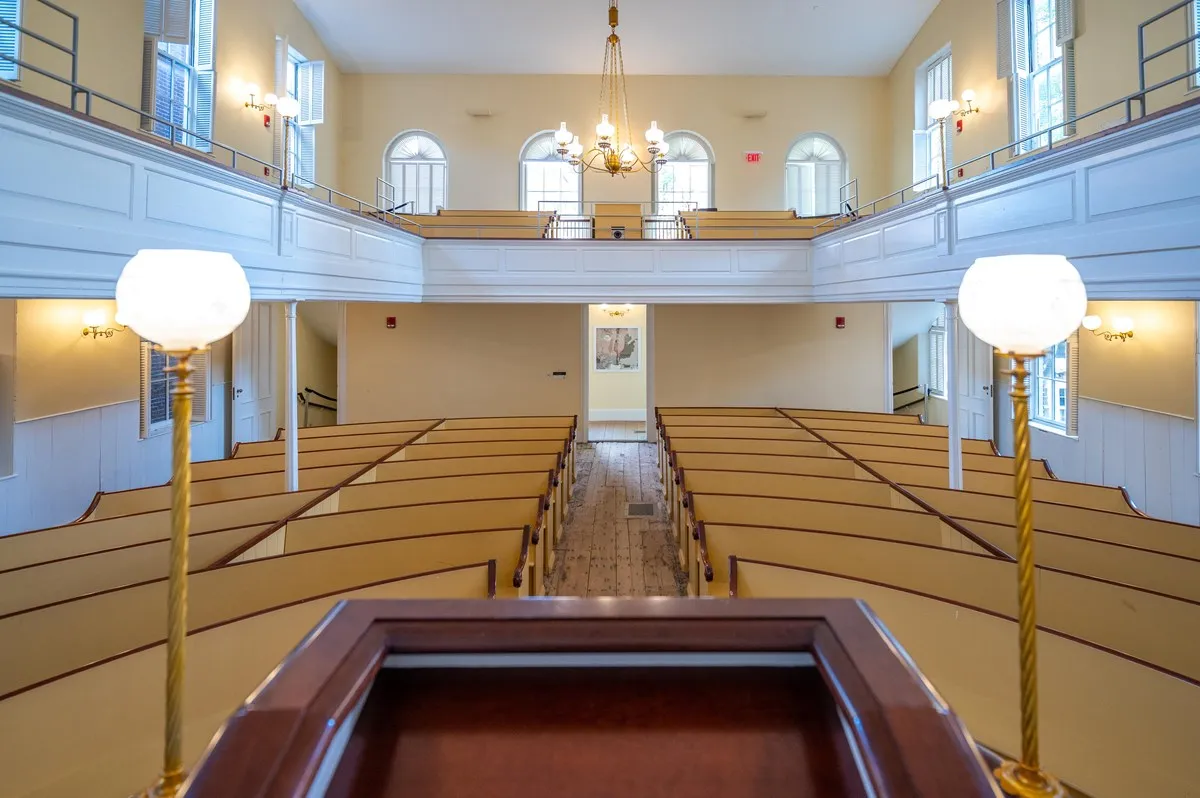
At the Mogan Cultural Center on French Street, the "Into an 1840s Boarding House" exhibit considers the domestic lives of women who came to work in Lowell's mills. A boardinghouse visit adds context to the factory floor: wages, work schedules, community, rules and the choices available to workers all shaped daily life.
The same center also presents "One City, Many Cultures," extending the story beyond the earliest mill workforce to the many communities that have made Lowell home. Check current hours and ranger-talk schedules. Leave time to read and listen rather than reducing the city to machinery alone.
4. Walk an open canalway
Canal walkways connect water, mill buildings and the contemporary city. The park's waterways guide can help you choose a short walk and identify historic structures along the way. Stay on open public paths and keep children away from unprotected water edges.
Access changes seasonally. The NPS announced the Northern Canal Walkway would close for the season beginning October 15, 2026; other routes and construction conditions can change too. Ask at the visitor center or museum for an open alternative. Weather, ice and uneven surfaces may affect comfort and accessibility.
5. Check for a trolley or ranger tour
Lowell's reproduction streetcars and ranger-led programs offer another way to understand the relationship between the mills and canals. The NPS listed an autumn 2026 Suffolk Mill tour that included a trolley ride between the Boott museum and the turbine exhibit. Schedules are seasonal and subject to staffing, so confirm the day's program and any ticket requirement before planning around it.
For a first visit, combine the Boott museum, the boardinghouse exhibit and an open canal walk; add a tour if timing permits. The sites are close enough to make a walk practical for many visitors, but allow extra time for exhibits and weather. Lowell's story is one of innovation and immigration as well as difficult working conditions, and each stop adds a different perspective.