Massachusetts rewards a traveler who looks beyond a single famous landmark. A coastal boardwalk can lead to migrating birds, an old mill city can reveal the sounds of textile machinery, and a short walk across a bridge can open a wider conversation about the American Revolution. These five destinations make varied day trips, whether you start in Boston or build a longer route around the state.
They are spread across different regions and are best enjoyed as separate outings or an unhurried itinerary. Check seasonal opening hours, current weather and any construction or wildlife closures before leaving. Each place has more to explore than fits in a single stop.
1. Cape Cod National Seashore: Beaches and marsh walks

Begin at Salt Pond Visitor Center in Eastham for maps and a view toward Nauset Marsh. The nearby Nauset Marsh and Buttonbush trails offer alternatives to a full day on the sand, while Coast Guard Beach and Nauset Light Beach introduce the Atlantic shoreline. Nauset Light's red-and-white tower was moved inland as erosion threatened its former location.
Beach fees, shuttles, restrooms and lifeguards vary by season. Check the NPS conditions page before traveling; the park has announced work near a Nauset Marsh Trail bridge beginning November 30, 2026. Follow shark and rip-current guidance, keep children close, and stay out of signed shorebird nesting areas. A short trail and one beach make a more comfortable first day than trying to cover the entire Outer Cape.
2. Minute Man National Historical Park: Concord and the Battle Road
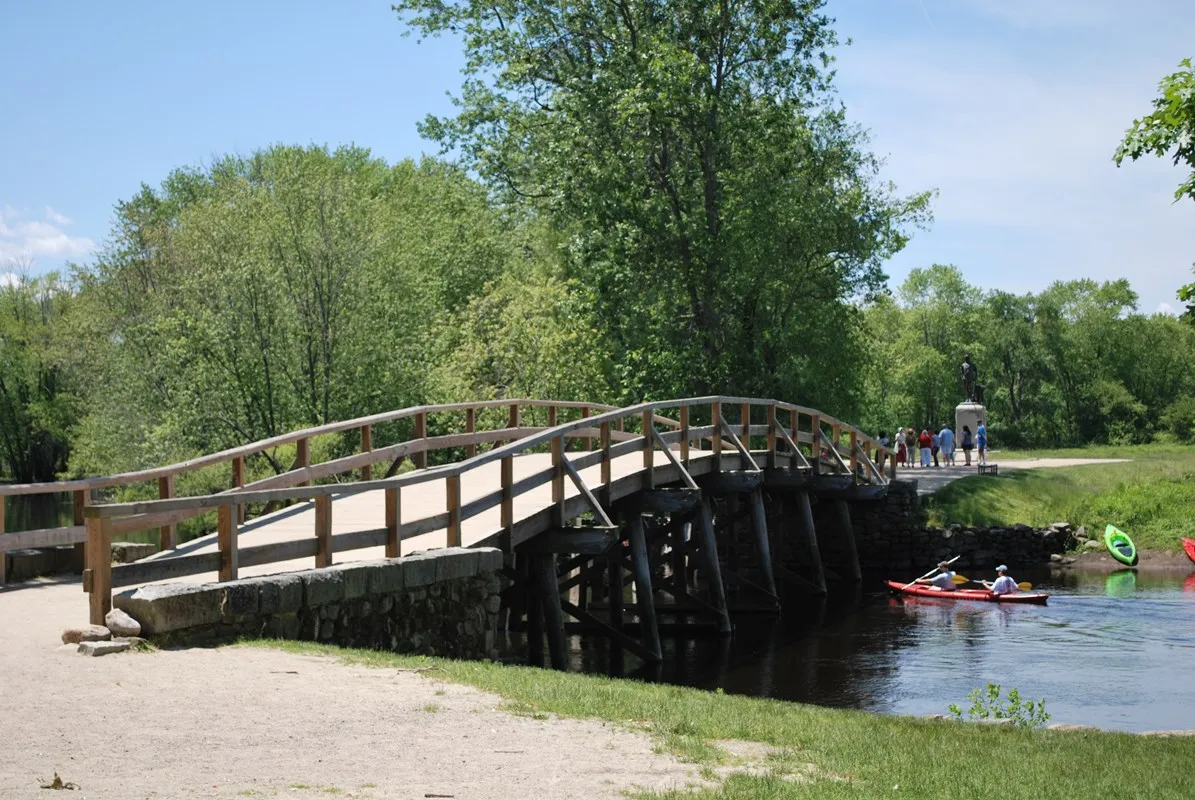
Concord's North Bridge and the Battle Road between Concord and Lexington connect visitors with the opening fighting of the American Revolutionary War on April 19, 1775. Start with a park map and the bridge interpretation, then choose a section of the approximately five-mile Battle Road Trail through fields, woods and historic landscapes.
The five-mile distance is along the corridor, so plan the return or pick an out-and-back walk. Visitor centers have seasonal schedules and may be closed when the grounds remain open. The park generally opens grounds and trails from sunrise to sunset. The MBTA commuter rail serves Concord, but the bridge area is a further walk from the station; verify current transit schedules if leaving the car behind.
3. Lowell National Historical Park: Mills, canals and workers' lives
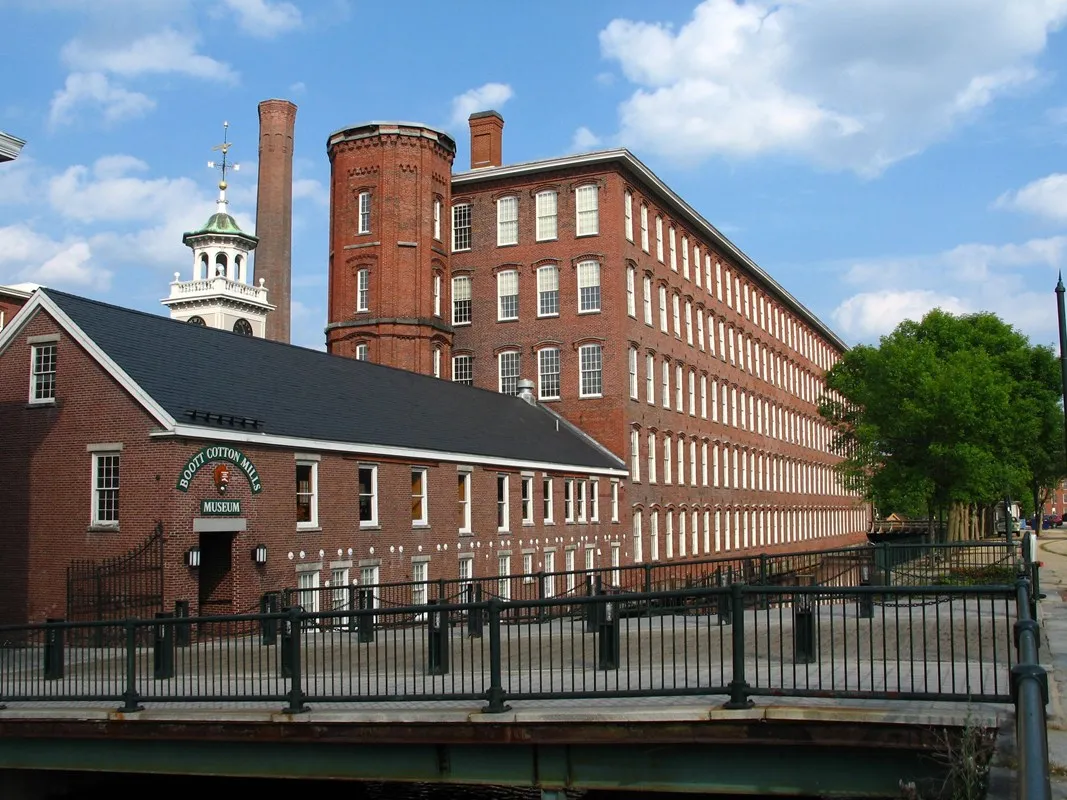
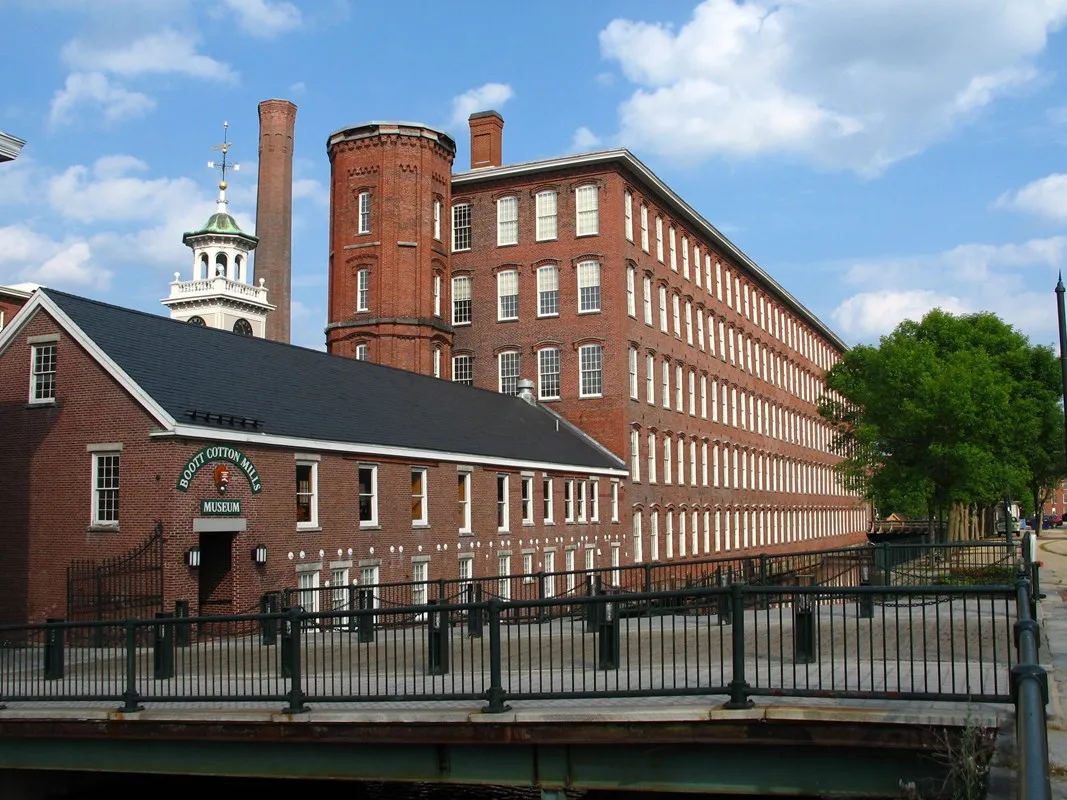
Lowell's brick mills and canals offer an urban day trip centered on the Industrial Revolution. At Boott Cotton Mills Museum, exhibits and a working weave room explain textile production. The boardinghouse exhibit at the Mogan Cultural Center adds the stories of women who lived and worked in the city, while canal walks show how water powered the mills.
The park itself has no general entrance fee, but the Boott museum and some tours require tickets. The NPS lists the Northern Canal Walkway closed for the season from October 15, 2026, so ask about open routes. Trolley and ranger programs change seasonally. Check the current schedule before traveling, and allow time to hear about workers and immigrant communities as well as machinery.
4. Salem Maritime: A working waterfront's global story
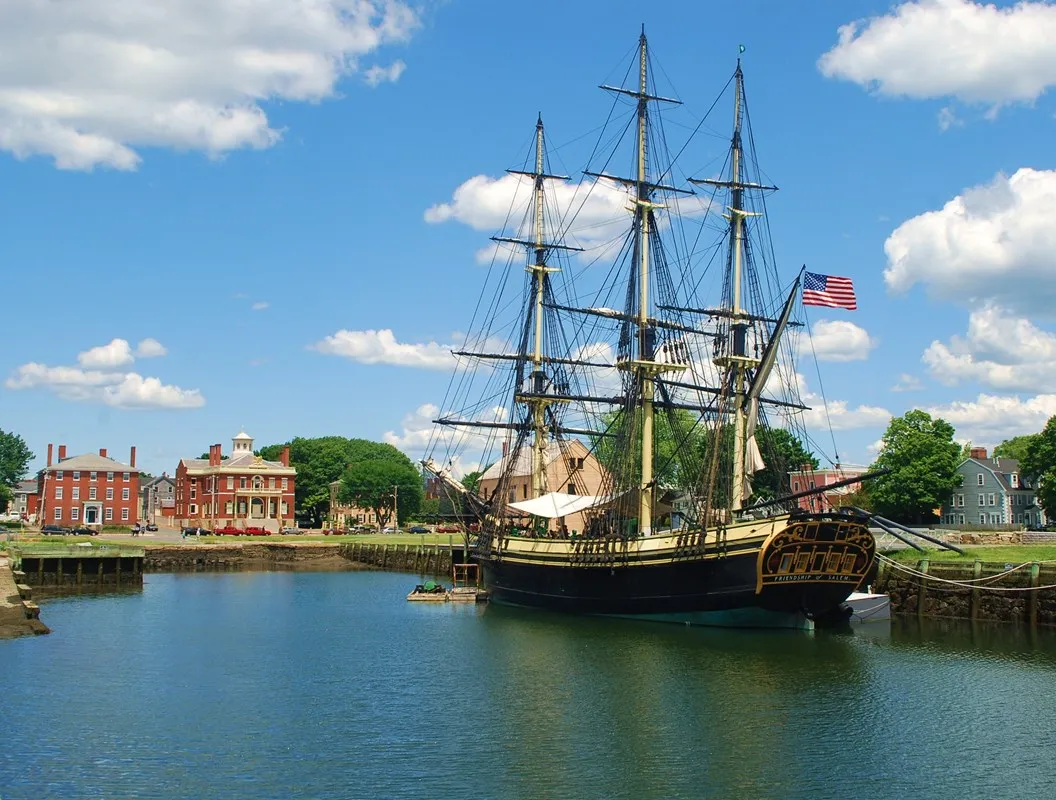
Salem Maritime National Historical Park connects historic wharves, buildings and the harbor to the city's international trade. Begin at the Salem Armory visitor center, then walk toward Derby Wharf and its lighthouse. The replica Friendship of Salem helps interpret the scale of sailing trade when available to view.
Indoor historic sites have separate seasonal hours, and the NPS has listed repair work on the wharf and ship. Confirm current access before planning an interior visit or a walk to the end of the wharf. The waterfront can be windy and uneven underfoot. Ask rangers about the diverse people who worked in and were affected by the port's trade, and leave time to explore the modern city around the historic district.
5. Parker River National Wildlife Refuge: Plum Island birding
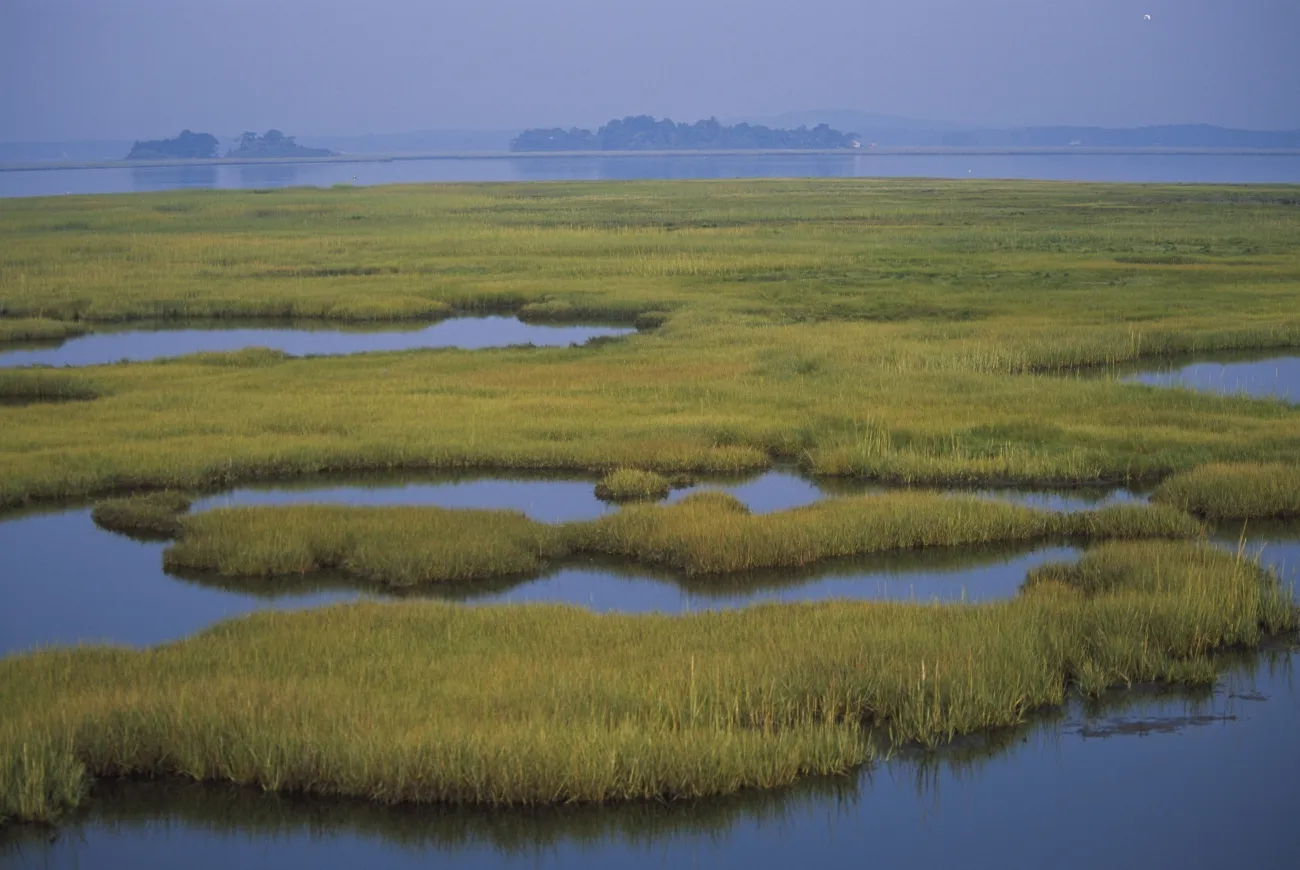
On Plum Island, Parker River protects beach, dunes, marsh and habitat for migratory birds. The refuge road links overlooks and boardwalks, including the accessible Hellcat Interpretive Trail. Bring binoculars and watch quietly from open paths; the birds and other wildlife need room to feed and rest.
Most of the refuge beach normally closes from April 1 into August for nesting shorebirds, with reopening dependent on conditions. Closed signs apply to all public entry, and dunes are protected year-round. Dogs are generally prohibited, and natural materials should be left in place. Parking can fill during busy periods, so check current notices and consider an off-peak visit.
These destinations share a reason to slow down: each protects a landscape and the stories connected to it. Follow posted rules, respect private property and cultural sites, and confirm the details for your date. A flexible plan makes room for a ranger program, a weather change or an unexpected sighting.