A freight elevator, a cliff above Lake Superior, a prairie outcrop, and a mine shaft do not sound like the beginnings of the same vacation. In Minnesota, each can be the doorway into a different part of the state's history. These are places where the surroundings help explain what happened, who did the work, and why the location mattered.
The six stops below reward different kinds of curiosity. Some make industrial processes easier to understand through machinery and demonstrations. Others ask visitors to listen carefully to stories that reach far beyond the building in front of them. Together, they offer alternatives to a trip built entirely around scenic overlooks or shopping streets.
Treat this as a menu of destinations, not a single-day driving route. The Twin Cities, southwestern prairie, North Shore, and Iron Range are separate travel areas. Pick a place that fits the trip you are already considering, then give it enough time. A guided experience can be the center of the day rather than something squeezed between lunch and another attraction.
1. Mill City Museum — Minneapolis
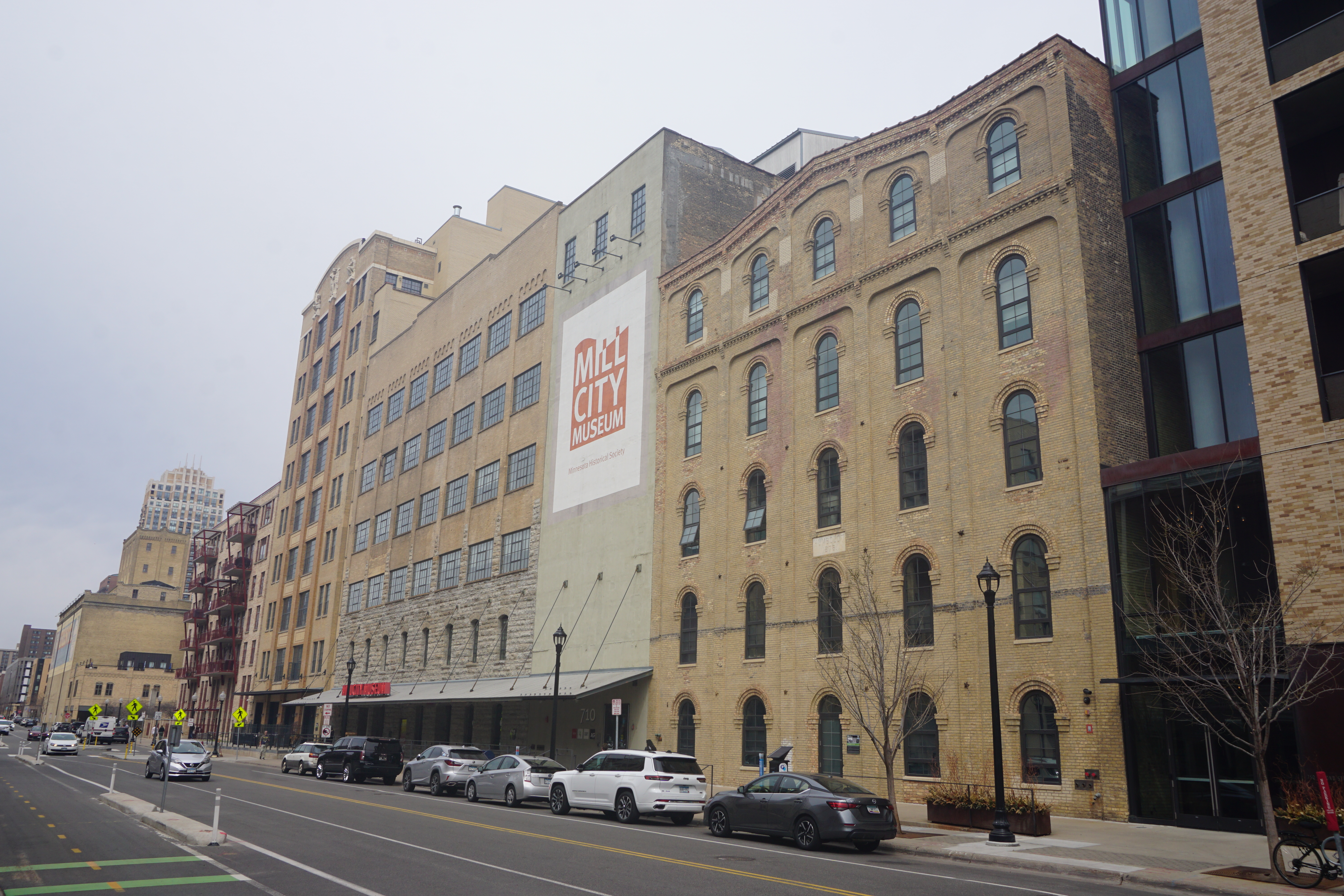
Flour is an ordinary kitchen ingredient. At Mill City Museum, it becomes a way to understand the machinery, labor, and river power that helped shape Minneapolis. The museum occupies the remains of the Washburn A Mill, so the building itself does some of the storytelling before you reach an exhibit.
The Flour Tower is the signature experience: visitors ride a large elevator through eight levels while recorded workers' voices, historic imagery, lighting, and sound recreate aspects of mill life. Obtain a timed reservation at the information desk rather than assuming you can join whenever you happen to walk past. The Water Lab connects milling with the power of St. Anthony Falls, while the Baking Lab explores the results of turning grain into flour.
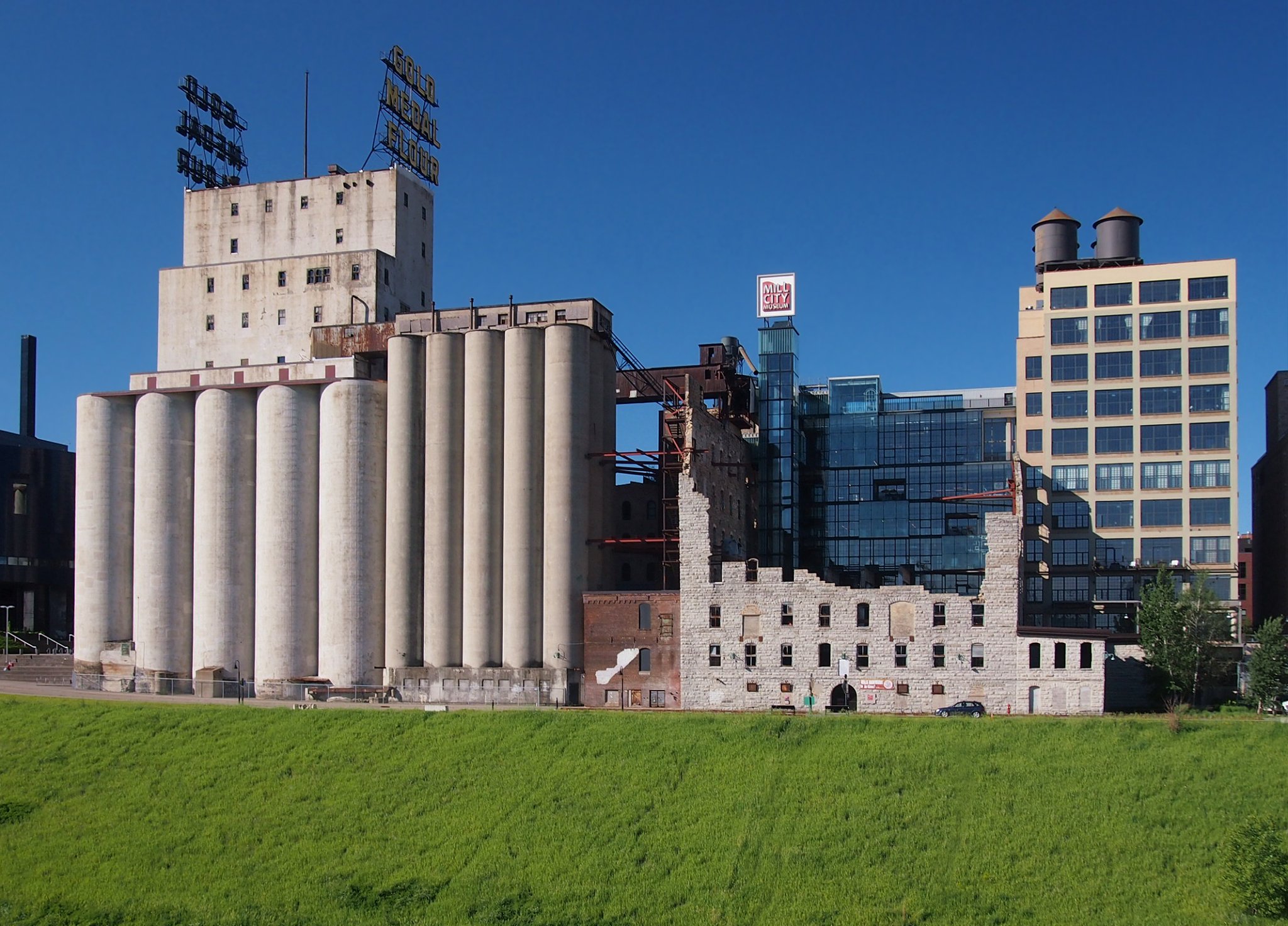
When conditions allow, the rooftop observation deck adds a broader view of the riverfront. That is a useful moment to connect the indoor displays with the landscape outside. Look at the river as a working resource as well as a scenic feature. Leave room for the courtyard, too: the preserved ruins give the museum a character that a purpose-built gallery could not duplicate. Choose your timed experience first, then fit the other spaces around it.
2. Split Rock Lighthouse — North Shore
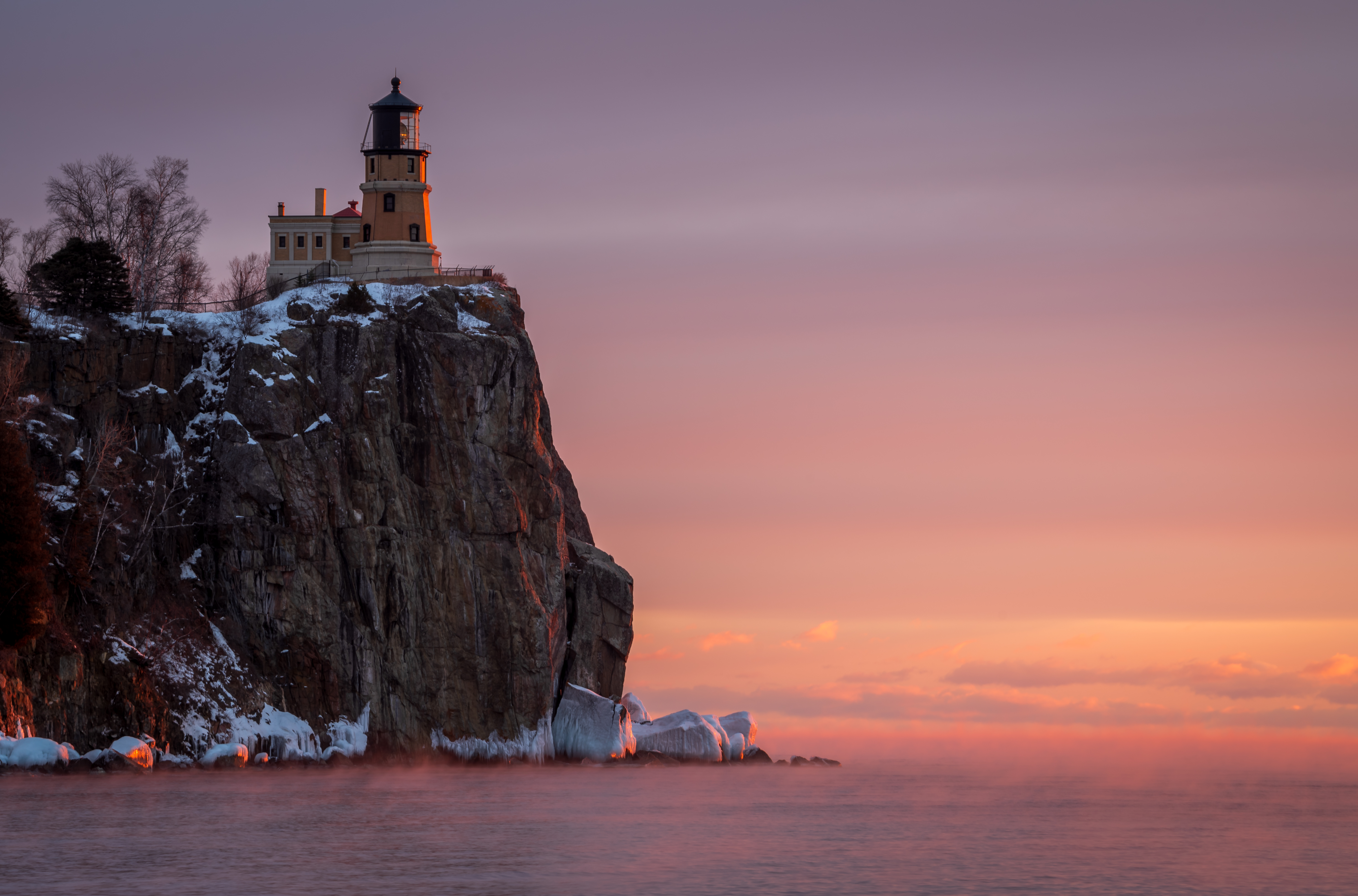
The lighthouse above Lake Superior is an obvious subject for a photograph, but a visit becomes more interesting when you consider the people who lived and worked at the light station. A beautiful cliffside setting could also mean difficult deliveries, isolation, and a household organized around keeping a navigational aid working.
Admission choices matter here. The Minnesota Historical Society distinguishes a grounds pass from general admission that includes building interiors during the applicable season. A grounds pass does not grant entry to the lighthouse or keeper's house. Guided offerings provide another way into the story, including tours focused on the challenges of building and supplying the station. Check the date-specific options before choosing a ticket.
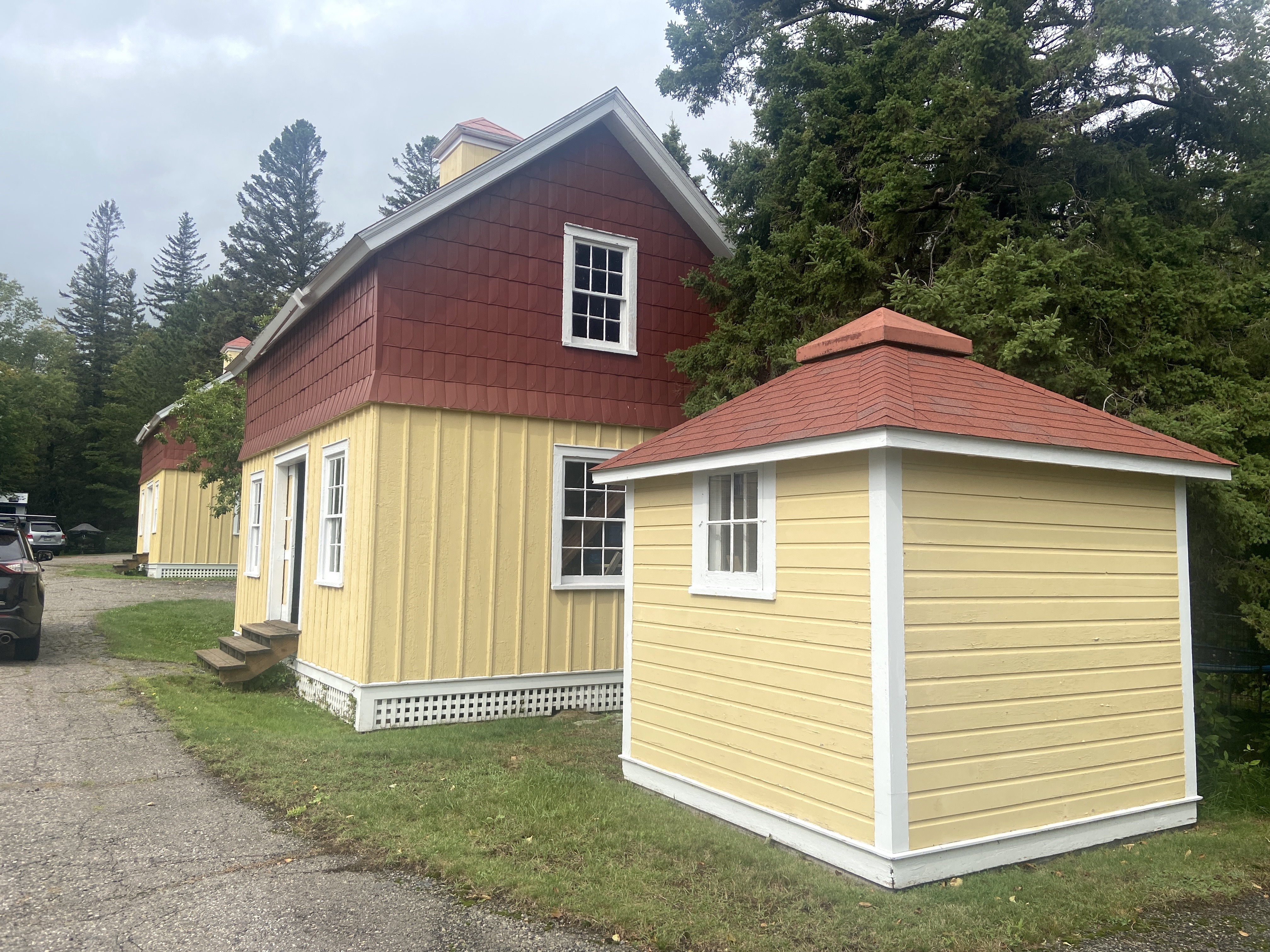
The surrounding state park and the lighthouse historic site also have different operators: Minnesota DNR manages the park, while MNHS manages the light station. Do not assume that paying for one experience covers the other. Decide whether your priority is the buildings, a guided history visit, or time on the shoreline, and plan accordingly. A photograph captures the location in an instant; understanding how people maintained a household and a working light there takes a little longer. That extra time is what makes this more than a roadside photo stop.
3. Soudan Underground Mine — Soudan
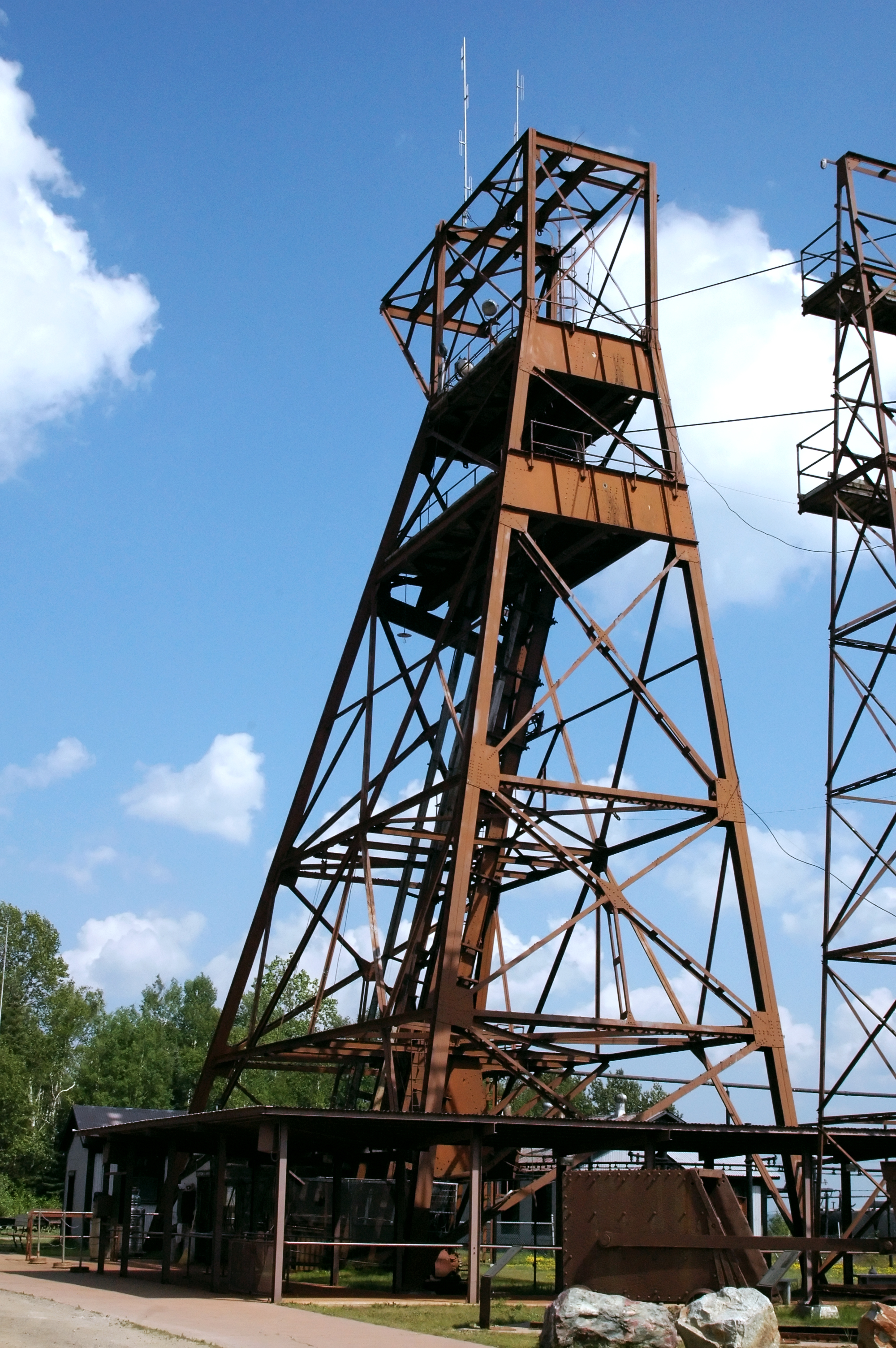
Soudan changes the scale of a history outing. The guided mine tour descends 2,341 feet to the 27th level, then uses an underground train to reach a former working area. Instead of looking at mining equipment from a gallery, you enter the environment in which miners used it.
Minnesota DNR describes a roughly 90-minute experience, with a confined cage ride at the beginning and a cool underground temperature of about 51 degrees Fahrenheit. Bring a warm layer and sturdy shoes. There are no underground restrooms, and bags, backpacks, purses, and strollers are not permitted below ground. Everyone needs a ticket, including young children. These are details to settle before arrival, especially with a family group.
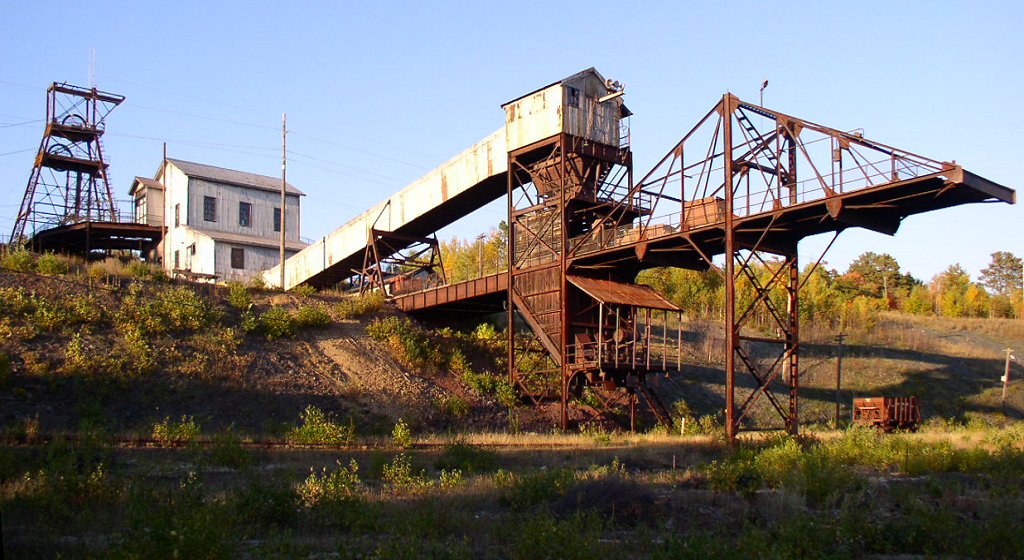
Regular public tours are seasonal; off-season educational and organized group visits require advance arrangements. Check the booking calendar before driving to the mine, and reserve ahead when a particular departure matters. The surface buildings offer another way to examine the operation, but they are not a substitute for a reserved underground tour if that is the experience you came for. Ask about the workers' routines as well as the engineering. The most memorable part may be understanding how people repeatedly made this journey as an ordinary working day.
4. Forest History Center — Grand Rapids
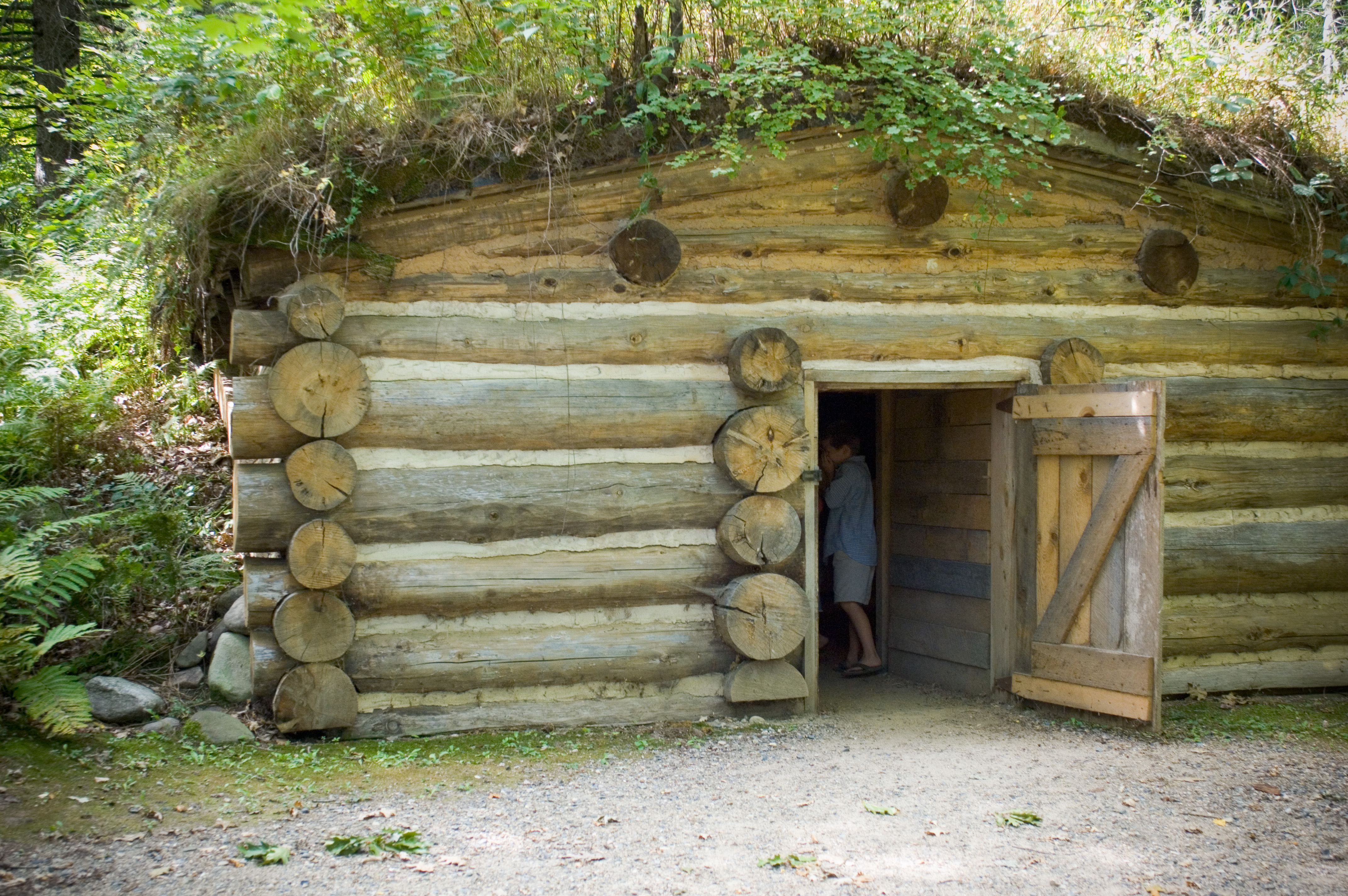
At the Forest History Center, the woods are both the setting and the subject. This Grand Rapids destination combines a recreated logging camp with exhibits and trails that connect human activity to the surrounding forest. It gives a familiar northern Minnesota landscape a different set of questions: who worked here, how did they live, and how did their work change the land?
The camp represents logging life around 1900. Another distinctive feature is the river wanigan, a floating structure that served as a cook shack and bunkhouse for workers moving logs along the river. Those practical details can make an industry feel more tangible than production totals alone. Food, shelter, transport, and daily routines were all part of getting timber from forest to market.
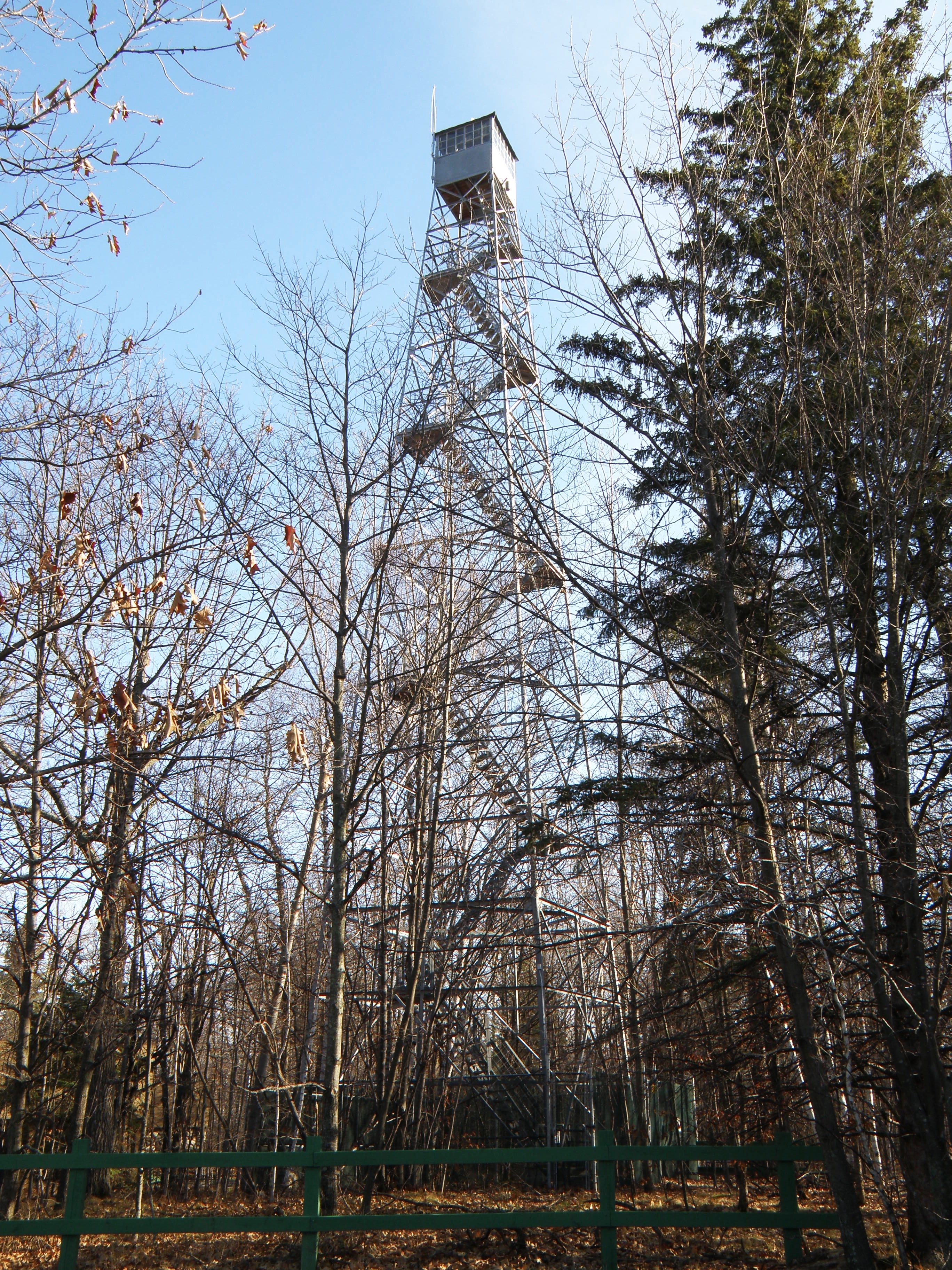
The site also advertises a fire tower and about five miles of trails, but availability and programming vary with the season. Check which buildings, demonstrations, and outdoor features will be accessible on your chosen date. There is no need to make every feature compulsory. A camp-focused visit and a longer outing that includes the trails are different plans, and either can work. Let the questions raised by the exhibits guide the outdoor portion: after learning about the use of the forest, you may notice the trees and river differently.
5. Jeffers Petroglyphs — Near Comfrey
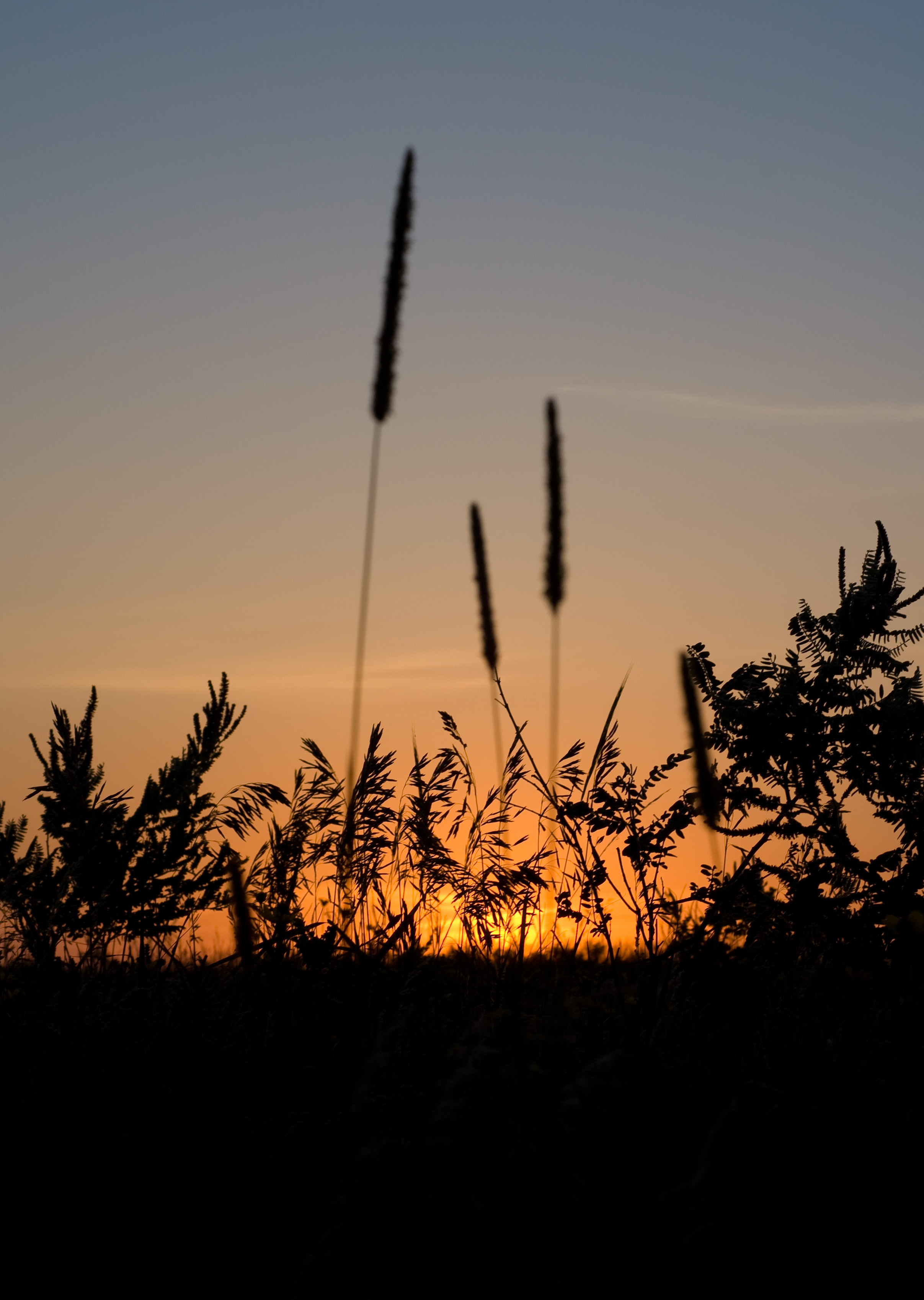
Jeffers asks visitors to slow down in a different way. The site preserves approximately 5,000 sacred rock carvings made by ancestors of present-day Native Americans. These are not decorations placed in a landscape for visitors to discover; they are part of a place with continuing cultural significance.
Begin with the visitor center and the guided opportunities offered by the site. Exhibits introduce Native American culture and prairie ecology, while tours provide context for the carvings and the land around them. A guide can help focus attention without turning the visit into a contest to find the most recognizable shape. Follow the site's directions for moving around and viewing the rock surface, and leave interpretation of particular symbols to the people and sources qualified to explain them.
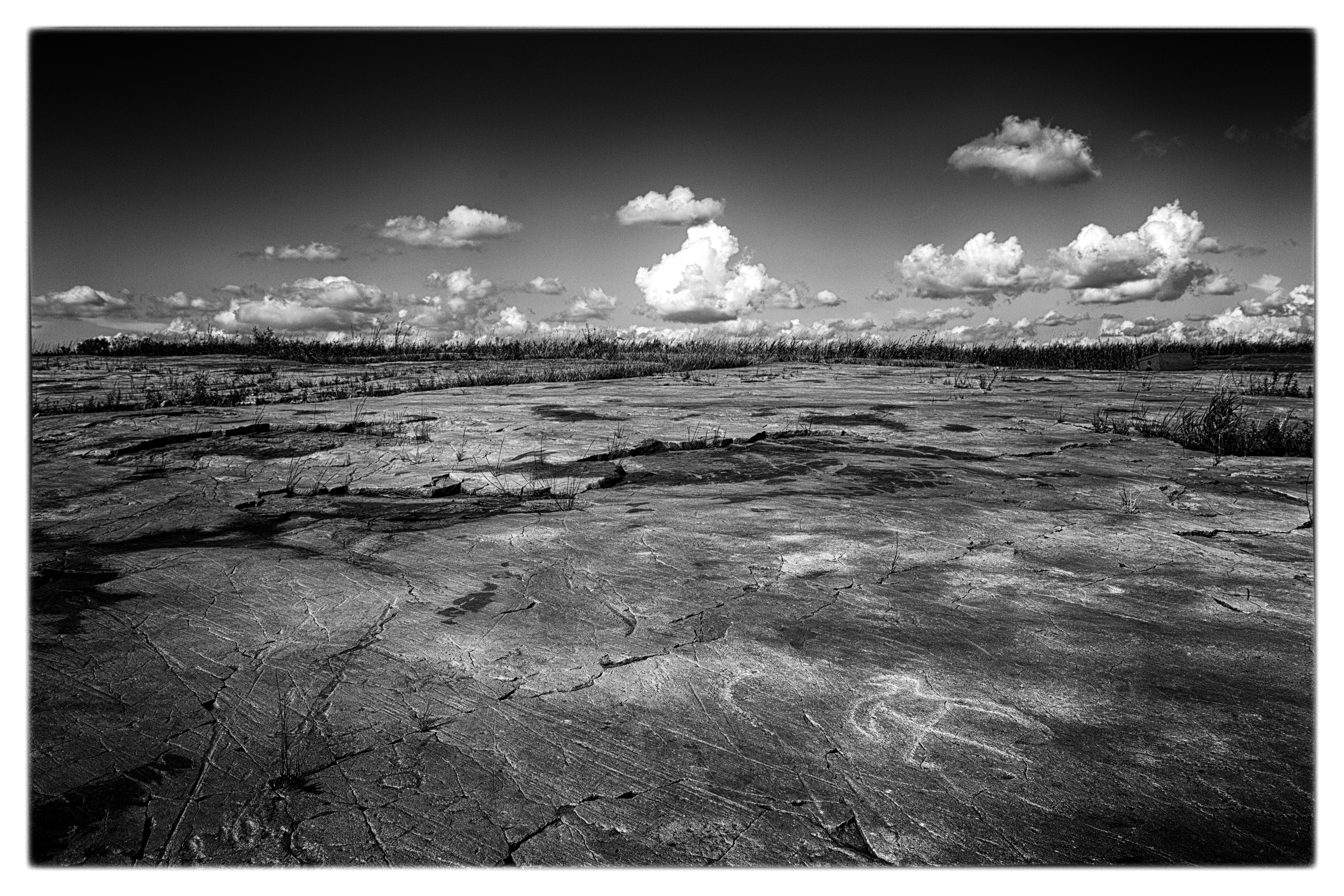
The prairie trails extend the experience beyond the carvings. MNHS describes a landscape supporting more than 250 kinds of grasses, wildflowers, and lichens. What you notice will change with the season, so a photograph of summer flowers should not set expectations for every visit. Check operating dates and tour availability before traveling. This is a place to arrive prepared to listen, with enough time for the introductory material and the outdoor setting to work together. Avoid approaching it as a quick stop for a photograph and a check mark.
6. Historic Fort Snelling at Bdote — Twin Cities
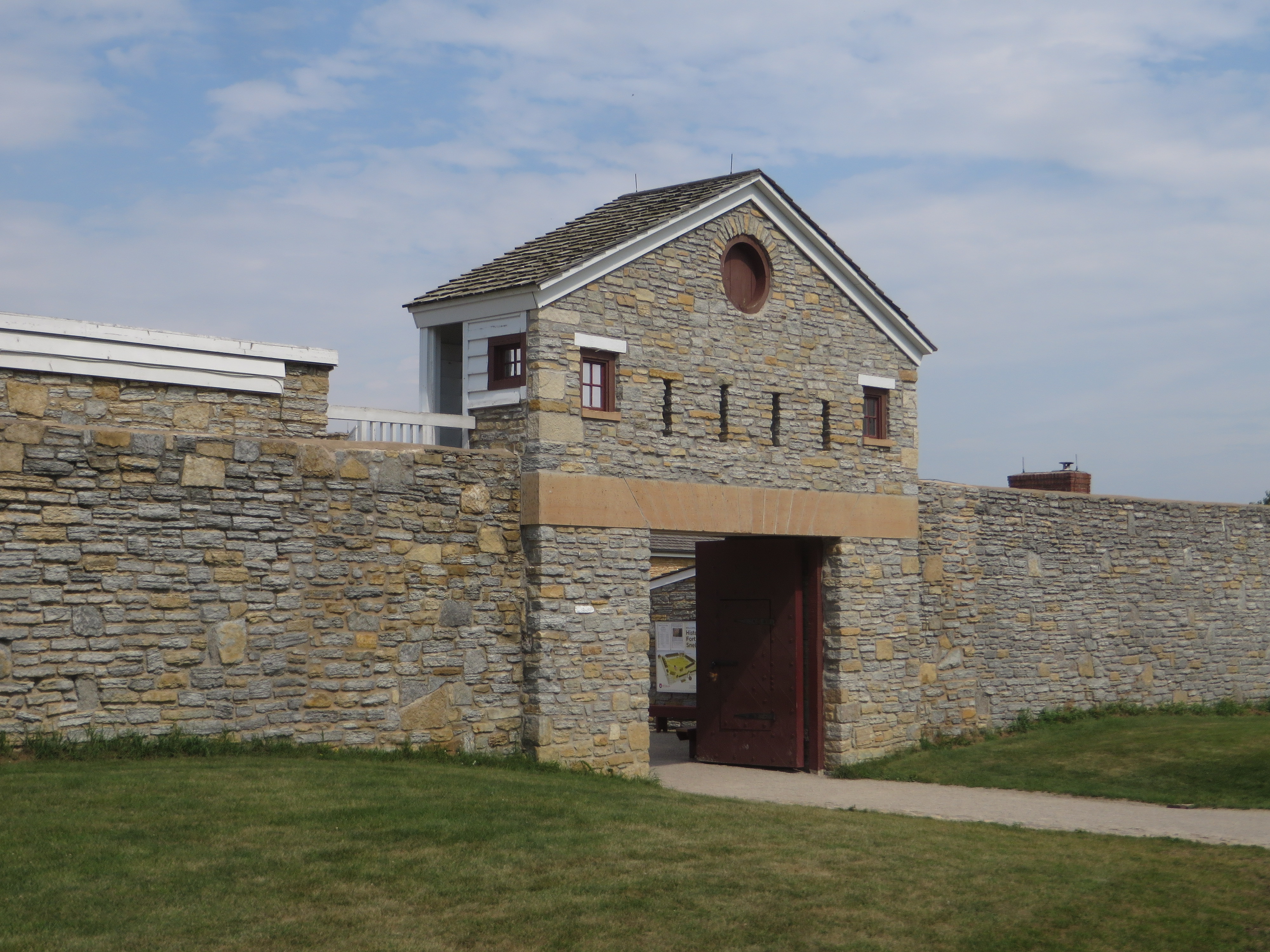
Begin this visit with the place, not just the fort. Bdote is the confluence of the Minnesota and Mississippi rivers, a landscape of enduring significance to Dakota people. Historic Fort Snelling stands above that meeting of waters, but its military buildings are only one part of the area's history.
The Plank Museum & Visitor Center is the practical starting point for admission and orientation. Its own building has changed uses: constructed as cavalry barracks in 1904, it later became a veterans' clinic and eventually was rehabilitated for visitors. Displays include the exhibition Many Voices, Many Stories, One Place. Starting here helps frame the outdoor structures as parts of a larger and more complicated story.
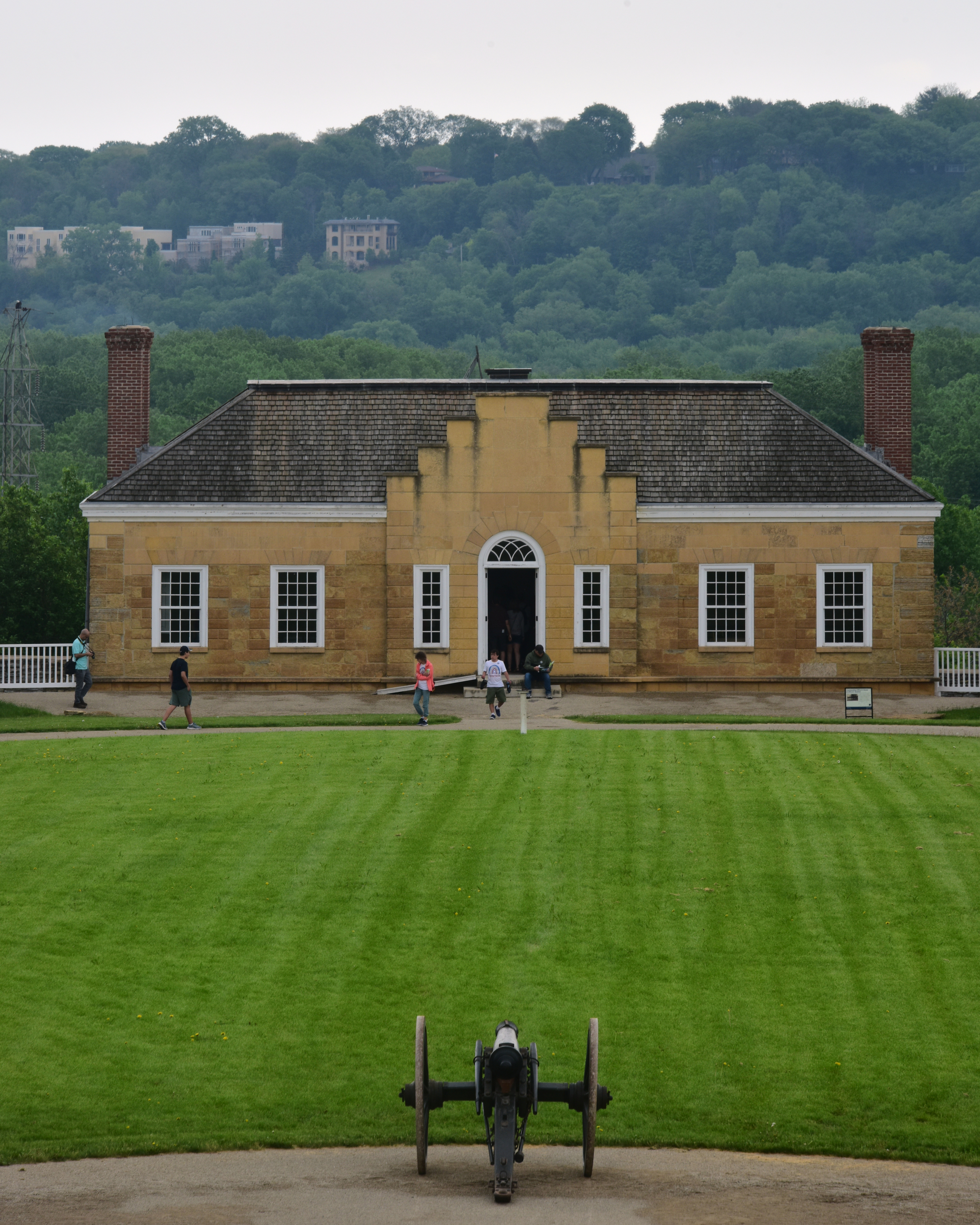
Leave time to consider whose experiences a building represents and what stories extend beyond its walls. The site's interpretation includes Dakota history as well as military history; neither is well served by rushing through solely to photograph the fort. Consult the current daily program and access information, particularly outside the main visitor season. With companions, it can help to compare what each person noticed after the visit. Different exhibits may draw different reactions, and that conversation can be as valuable as remembering a date or the name of a building.
Build the Trip Around the Experience You Want
For machinery and industrial history, start with Mill City Museum or Soudan. For a setting where domestic life and working conditions meet, consider Split Rock or the Forest History Center. Jeffers and Historic Fort Snelling invite careful attention to Native history and to the continuing significance of the land itself.
Before booking accommodations around any one stop, confirm the specific experience you want: interior access, a mine departure, a guided tour, or an outdoor trail. A destination may have open grounds while a building or program is unavailable. Save the official visitor page with your trip notes so it is easy to check again shortly before leaving.
These places are worth more than a hurried glance because they can change the way the surrounding landscape makes sense. A river becomes a source of power and a meeting place. A cliff becomes a difficult worksite. A forest becomes a record of labor and change. Choose one, give it time, and let the setting help tell the story.


