Natchez overlooks the Mississippi River, but its history is not contained in a single view. The places protected by Natchez National Historical Park tell overlapping stories of wealth and labor, freedom and enslavement, family and commerce. A visit that connects several sites can reveal more than a single house tour ever could.
The park's locations are separated around the city, and each has its own access rules. Plan a flexible route, check current hours and leave time to engage with the interpretation. These five stops and planning ideas offer a thoughtful way to begin.
1. Start with the people of Melrose
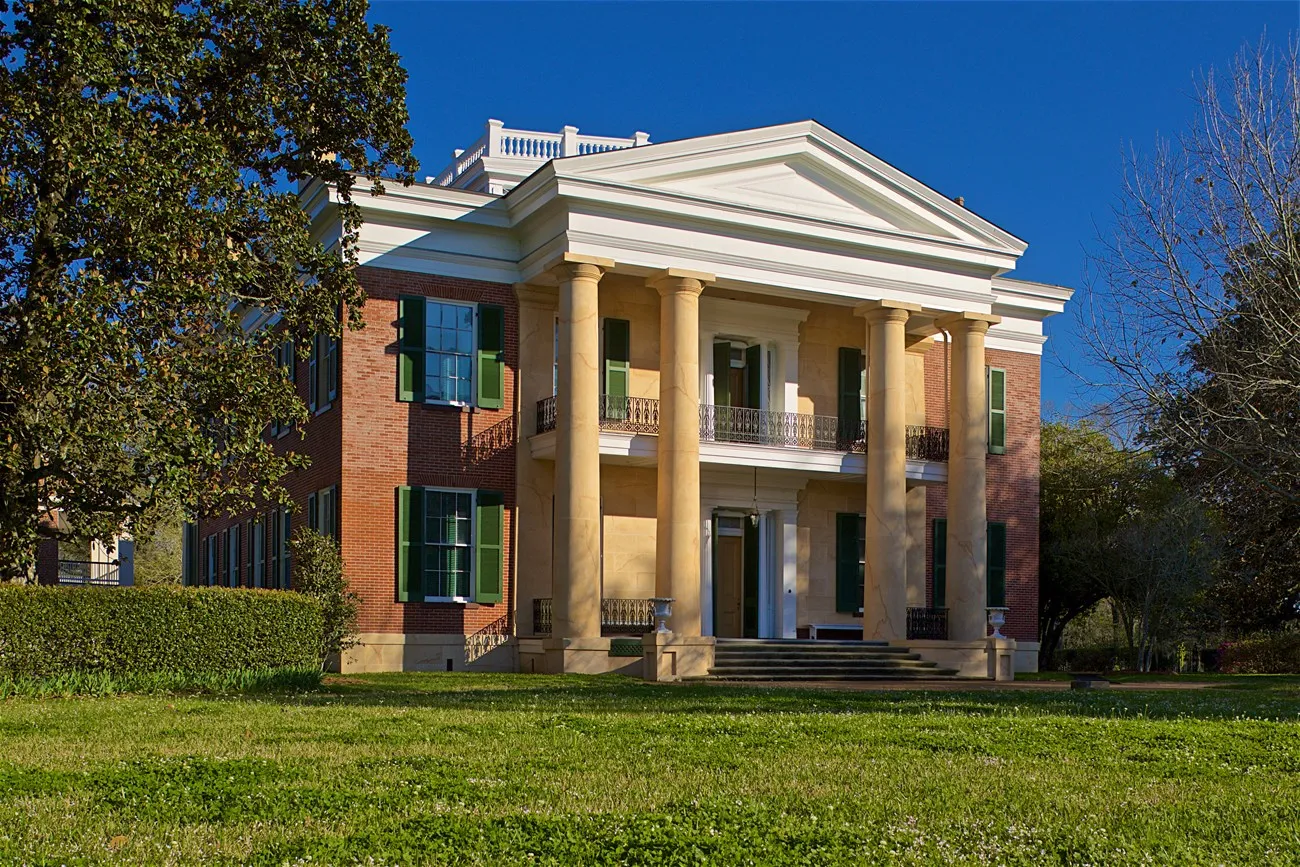
Melrose is a mid-nineteenth-century estate associated with lawyer and planter John T. McMurran and his family. Its main house and surviving outbuildings reveal architectural craftsmanship and the organization of the property. They also tell a story of enslaved people whose labor supported the household and the cotton economy that made its wealth possible.
The National Park Service describes Melrose as a suburban residence, not a working plantation. McMurran owned interests in cotton plantations elsewhere, while enslaved people lived and worked at Melrose itself. That distinction matters: the handsome rooms and grounds cannot be understood fully without the people whose labor sustained them.
Give yourself time to explore the grounds and read the interpretation. The park identifies surviving outbuildings and former quarters for enslaved people among the site's features. Stay on permitted paths and ask staff about current access to individual structures.
2. Plan a house tour separately
Melrose's grounds, formal gardens and outbuildings are generally free, while the guided mansion tour has a separate fee and reservation process. The park directs visitors to Recreation.gov for reservations. Check the latest schedule and price before traveling rather than assuming every tour time in an older listing still applies.
The park lists Melrose as closed on Thanksgiving, Christmas and New Year's Day. Weather and staffing can also affect the experience. If the house tour is full, the grounds and visitor contact area can still provide a useful introduction, subject to current access. Ask a ranger which exhibits are open and how much time to allow.
Accessibility needs are best discussed in advance with park staff, especially for a historic property with interior rooms and outdoor paths. A comfortable pace, water and appropriate shoes will help on a warm Mississippi day. This is a site that benefits from slowing down and listening to the stories connected to each space.
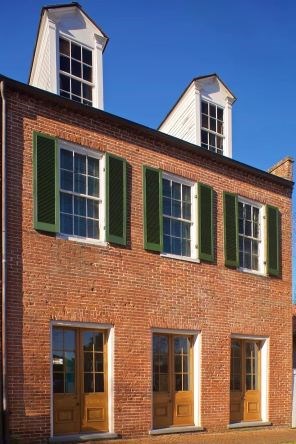
3. Visit the William Johnson House
Downtown, the William Johnson House introduces a different perspective on nineteenth-century Natchez. Johnson was born enslaved, became free as a child and later established himself as a barber and business owner. His surviving diary and papers give historians a detailed view of daily life and relationships in the city.
His life also complicates a simple account of freedom and slavery: the park notes that Johnson himself claimed ownership of enslaved people. Consider that fact alongside his own experience of enslavement and the constraints facing free Black residents. The house offers an opportunity to ask difficult questions about status, family, business and power.
The National Park Service currently says the first floor and exhibit area are open while the second-floor family living quarters remain closed. Check the current status before visiting; the historic photograph here should not be read as a promise that every room is accessible. The building is at 212 State Street according to the park's visitor information.
4. Make space for Forks of the Road
Forks of the Road was a major site of the domestic trade in enslaved people. Its interpretive exhibits invite visitors to confront the forced separation and sale of human beings that supported the region's economy. Give the site the attention it deserves, including time to read the panels and reflect on the people represented.
The park says the exhibit area is open during daylight, while its compendium closes other newly acquired tracts at the site to public access. Use the designated exhibit area, observe posted boundaries and consult current park notices. This is a place of conscience and remembrance, not merely another roadside attraction.
5. Connect the sites without rushing
The park also includes Fort Rosalie, which helps place Natchez in a longer history of Indigenous peoples and European settlement. The National Park Service notes that human history here extends thousands of years before the French trading post established in 1716. Use the park's interpretation to learn about the Natchez people and the changes that followed colonial settlement.
The Natchez Visitor Center is reported closed for repairs, so check current information before making it your starting point. Park pages direct visitors seeking local tourism information to Visit Natchez's downtown office while the center is closed. Because park sites are spread apart, allow driving time and check each location's schedule and fees separately.
A half day can provide an introduction; a longer visit offers space for questions and reflection. The value of this trip is in the connections between the sites: a grand residence, a free Black businessman's records and a slave-trading site illuminate different parts of the same city and the unequal world that shaped it.