Many visitors come to Tupelo to see where Elvis Presley was born. That small house is a compelling reason to stop, but the northeastern Mississippi city also offers a gateway to the Natchez Trace Parkway and a modest battlefield site with a very different story. Together they make a varied day trip with music, landscape and history.
These places are separate stops with separate schedules. Start with the experience that matters most to your group and leave room for a meal or an unexpected detour. Here's a practical way to plan the day.
Start where the Elvis story began
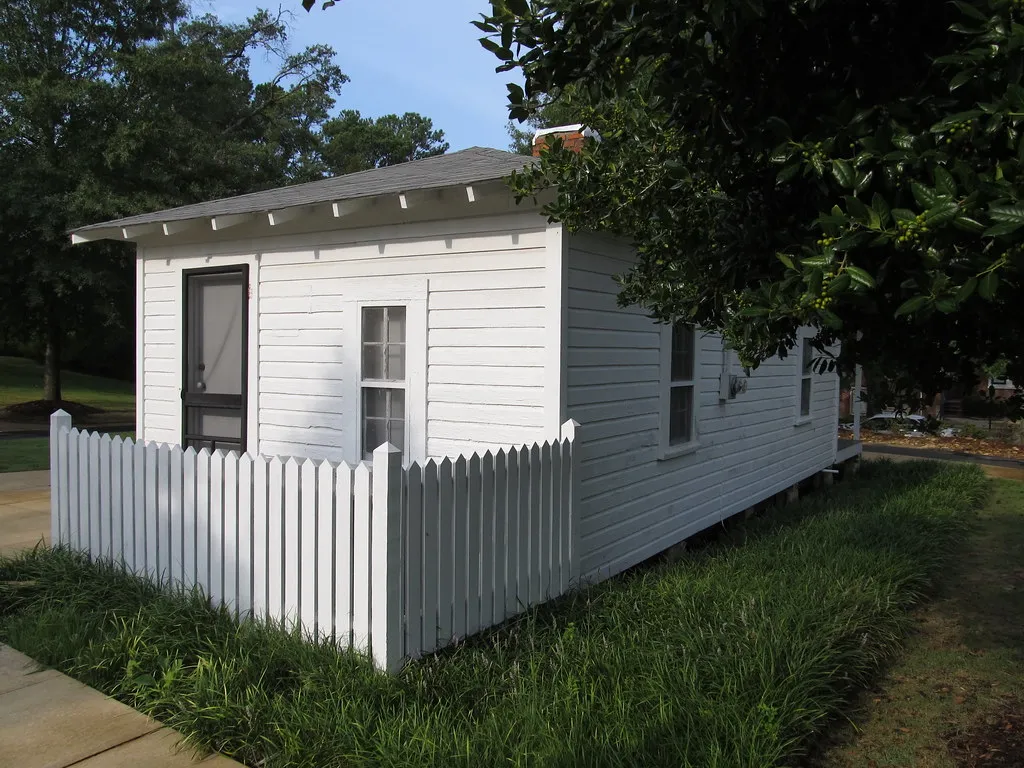
The Elvis Presley Birthplace at 306 Elvis Presley Drive preserves the two-room house where the singer was born in 1935. The site also includes a museum, chapel, church and park. Its exhibits focus on the Tupelo years, giving visitors a chance to think about the early community and influences behind a career that later reached around the world.
The birthplace operator sells tickets at the welcome center for combinations of the house, museum and church. Check the current hours, prices and ticket-office closing time before arriving; these are separate from access to the grounds. If you want to see all three attractions, leave enough time rather than approaching the desk just before ticket sales end.
The house is small, and its scale is part of the experience. Move through the exhibits at a comfortable pace and look for the ways the site tells the story of family and childhood, not just later fame. The visitor's photograph in this article shows the house on an earlier visit; exhibits and visitor arrangements may change.
Make room for the music's wider roots
Elvis's story is connected to a much broader Southern musical world. Gospel, country, blues and rhythm and blues traditions all form part of the context for the music he later recorded. Consider the contributions of the Black musicians and communities whose work shaped those traditions as you explore the region's music history.
The birthplace museum is a good starting point, and local visitor information can help you find additional music-related interpretation. Check individual venues and tour schedules in advance. A meaningful visit doesn't require a packed checklist; even a short conversation about what you heard and learned can connect the site to music you know.
Take a short drive on the Natchez Trace
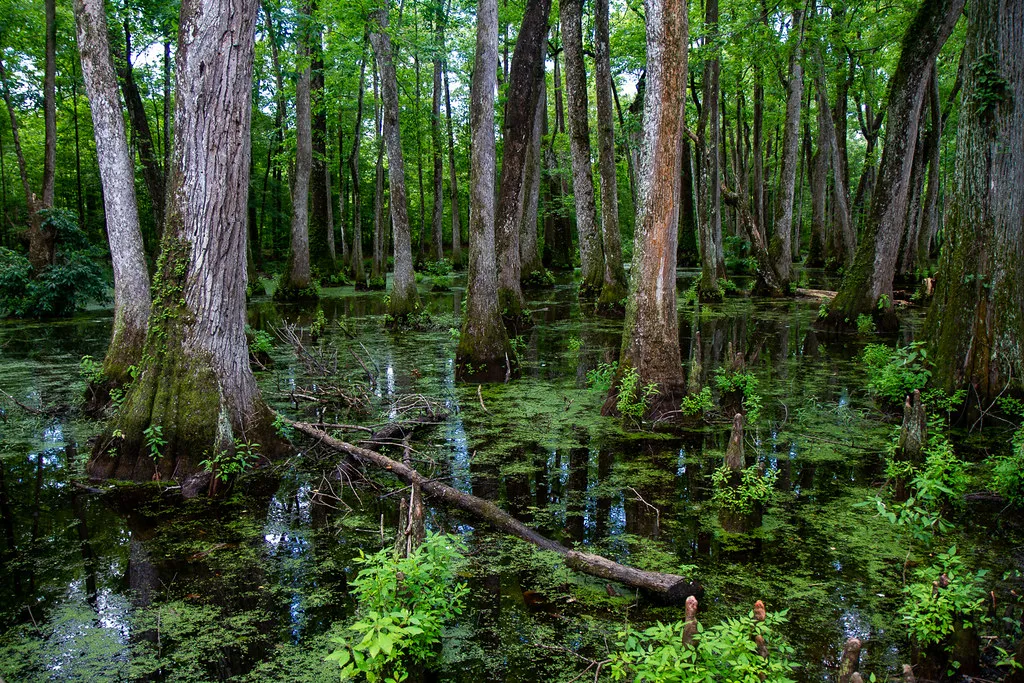
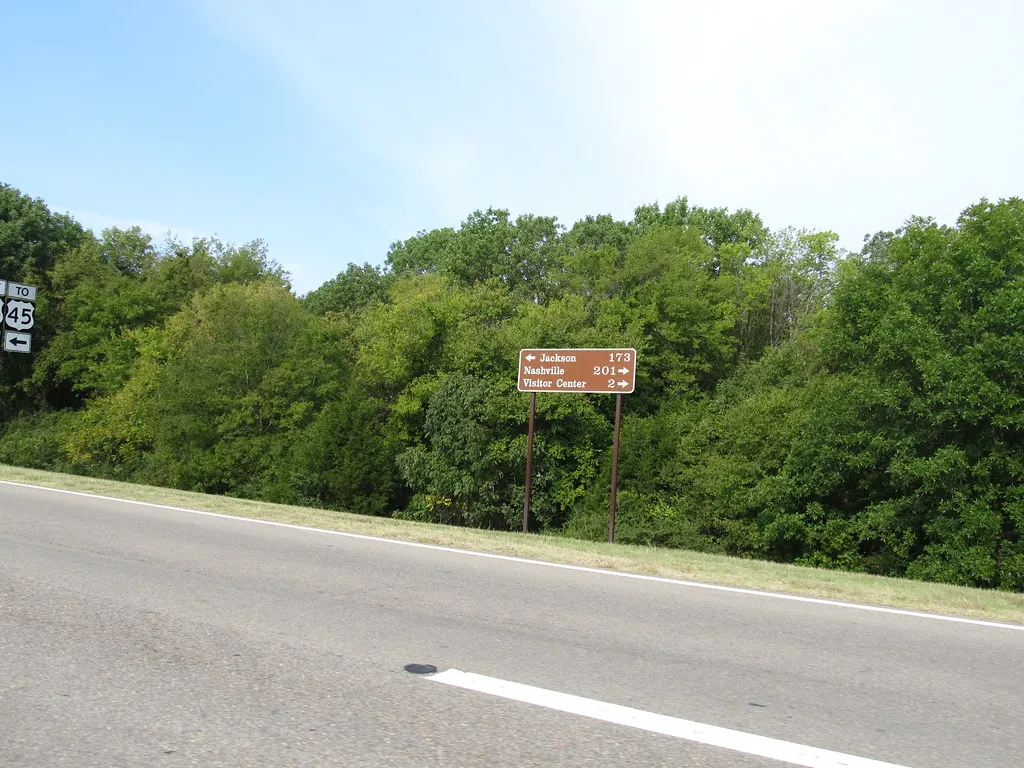
The Natchez Trace Parkway passes near Tupelo on its longer route between Natchez and the Nashville area. Its visitor center is at milepost 266 and offers park information and interpretation. A short out-and-back drive can add a change of pace after time indoors, with opportunities to learn about the older travel routes and communities commemorated by the modern parkway.
Check the National Park Service's road and site status before setting out. Roadwork in 2026 affected a section farther south in Mississippi, and conditions can change. Fuel and food are available in nearby towns rather than along the parkway itself, so plan accordingly. Use designated pullouts for photographs and watch for cyclists sharing the road.
At the visitor center, ask staff which nearby walks or exhibits fit the time and weather. Save a map before driving, particularly if a longer trip takes you beyond familiar roads. The old Trace and the modern parkway are related but distinct, a useful point to keep in mind as you read the signs.
Visit Tupelo National Battlefield
Tupelo National Battlefield is a one-acre commemorative site on West Main Street. It marks a Civil War battle and offers a compact stop, but it is not a large battlefield park with a visitor center on site. The National Park Service says the grounds are open from sunrise to sunset and that visitors can seek additional information at the Natchez Trace Parkway Visitor Center.
Allow time to read the monument and interpretation rather than treating the site as a quick photo opportunity. The surrounding city has changed considerably since the battle, so a map or park literature helps make sense of the setting. Respect the site and use safe parking and pedestrian routes.
Add a meal and a little flexibility
Between the birthplace, parkway and battlefield, build in a break for lunch or coffee. Tupelo's attractions are spread across town, so driving time matters even if each individual stop is compact. Check opening days for restaurants and any additional museums, especially around holidays.
For a family visit, let children choose one question to investigate at each stop: What did the birthplace house feel like? Who used the earlier routes through this region? Why does a battlefield site look different from the landscape around it today? Those questions can make a short stop more memorable without turning the day into a lesson plan.
Choose a pace that fits
One morning can introduce the birthplace; a full day leaves space for the parkway, battlefield and a relaxed meal. Travelers continuing along the Trace should check the latest detours and allow more time than a map's driving estimate. Those with only a few hours can enjoy a focused visit and save the rest for another trip.
Tupelo's appeal is the variety in a manageable area. A small house, a scenic road and a commemorative site tell very different stories, but together they encourage visitors to look beyond the first reason they stopped.