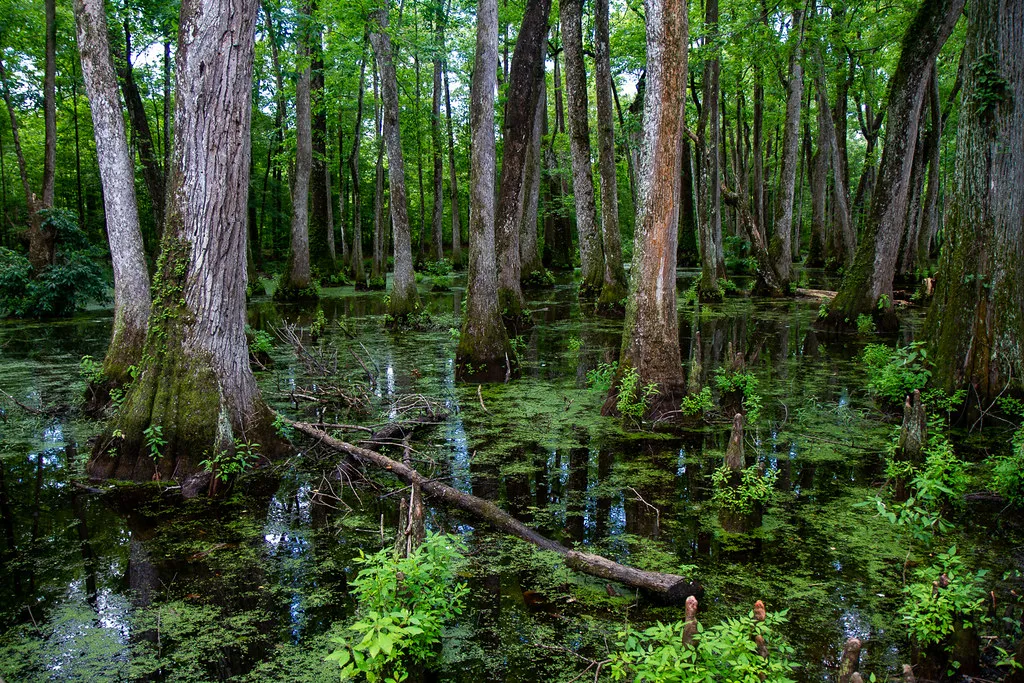
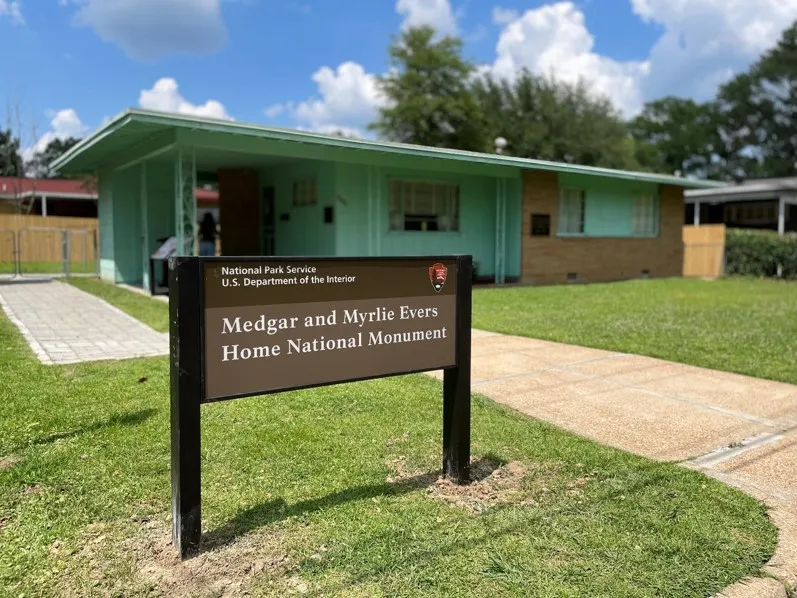
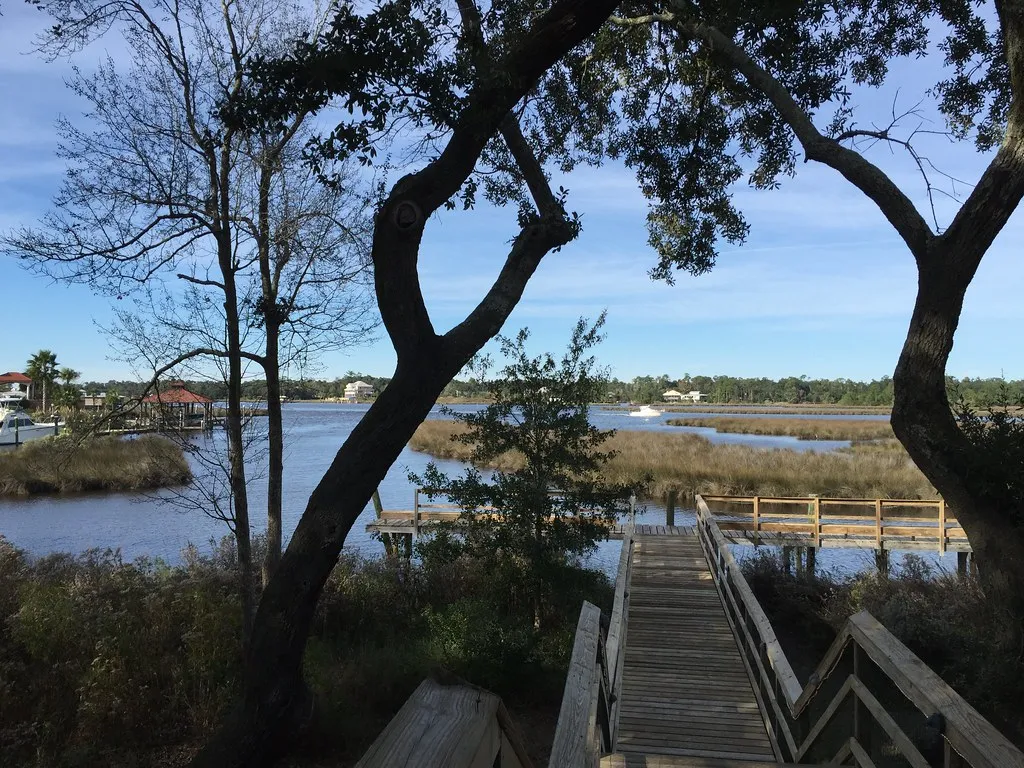
At Vicksburg National Military Park, a drive through green hills leads past earthworks, monuments and a recovered Civil War ironclad. The landscape is peaceful today, but the places along the tour road help explain a siege that changed the course of the war and the lives of the people who lived through it.
The park rewards visitors who do more than drive from marker to marker. Start with context, leave time for the USS Cairo and check current closures before arriving. These six suggestions can help you plan a thoughtful first visit.
1. Begin with the campaign, not just the monuments
Vicksburg's position along the Mississippi River made it strategically significant during the Civil War. Following a campaign and siege, Confederate forces under General John C. Pemberton surrendered to Union forces under General Ulysses S. Grant on July 4, 1863. The result helped the Union gain control of the Mississippi River.
The visitor center offers exhibits, an orientation film and rangers who can help visitors understand the park. Its building has different operating days from the tour road, so check the latest schedule before setting out. If you arrive when the center is closed, the park's online materials and maps can still help you prepare, subject to current access conditions.
Military decisions are only part of the story. The campaign affected soldiers, enslaved people, civilians and families in the city and surrounding region. Look for interpretation that considers those experiences, and give yourself time to read beyond the names on the largest memorials.
2. Use the tour road as an introduction
The driving route links battlefield features, markers and memorials across a large landscape. A map helps explain why the hills, approaches and defensive lines mattered. Choose a few stops where you can safely park and walk instead of attempting to read every marker in a single afternoon.
The park lists vehicle entry hours separately from pedestrian and bicycle access. Check the current closing time and last vehicle entry, especially around holidays. The route is shared, so drive slowly, use designated parking and watch for people walking or cycling. Bring water and comfortable shoes; Mississippi heat can make even short outdoor stops demanding.
3. Check restoration closures before selecting stops
Vicksburg is an actively maintained historic landscape. The National Park Service reports that the Illinois Memorial is closed for restoration, along with a short section of tour road serving tour stops 2 and 3. The park's project page last posted an update in August 2026; consult the current alerts and project page before visiting because access and the schedule may change.
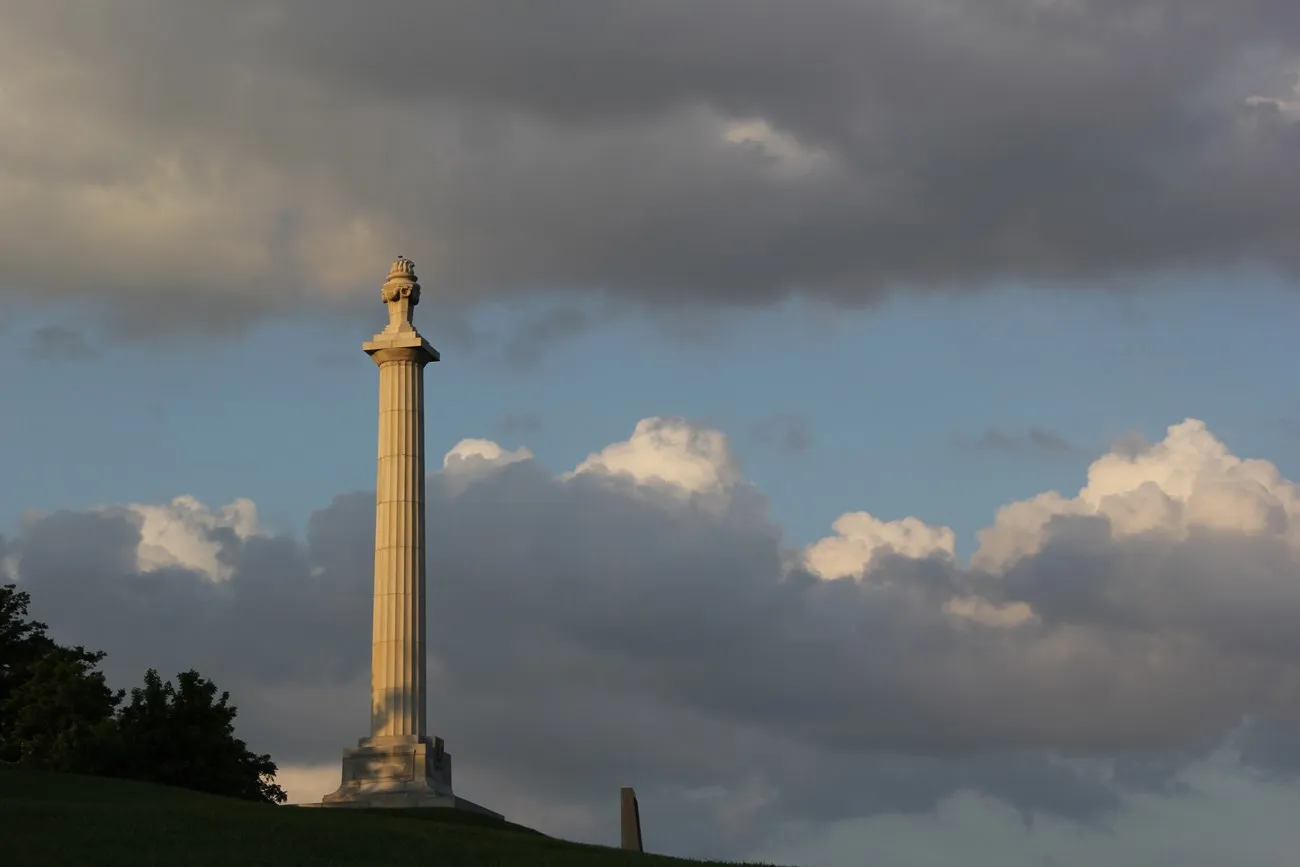
This is a useful reminder that an older itinerary or photograph may show access that is unavailable today. Follow signs and barriers, and ask staff about alternate routes. The Louisiana Memorial photograph in this article shows a different monument, not the closed Illinois Memorial. Don't assume every memorial has the same access arrangements.
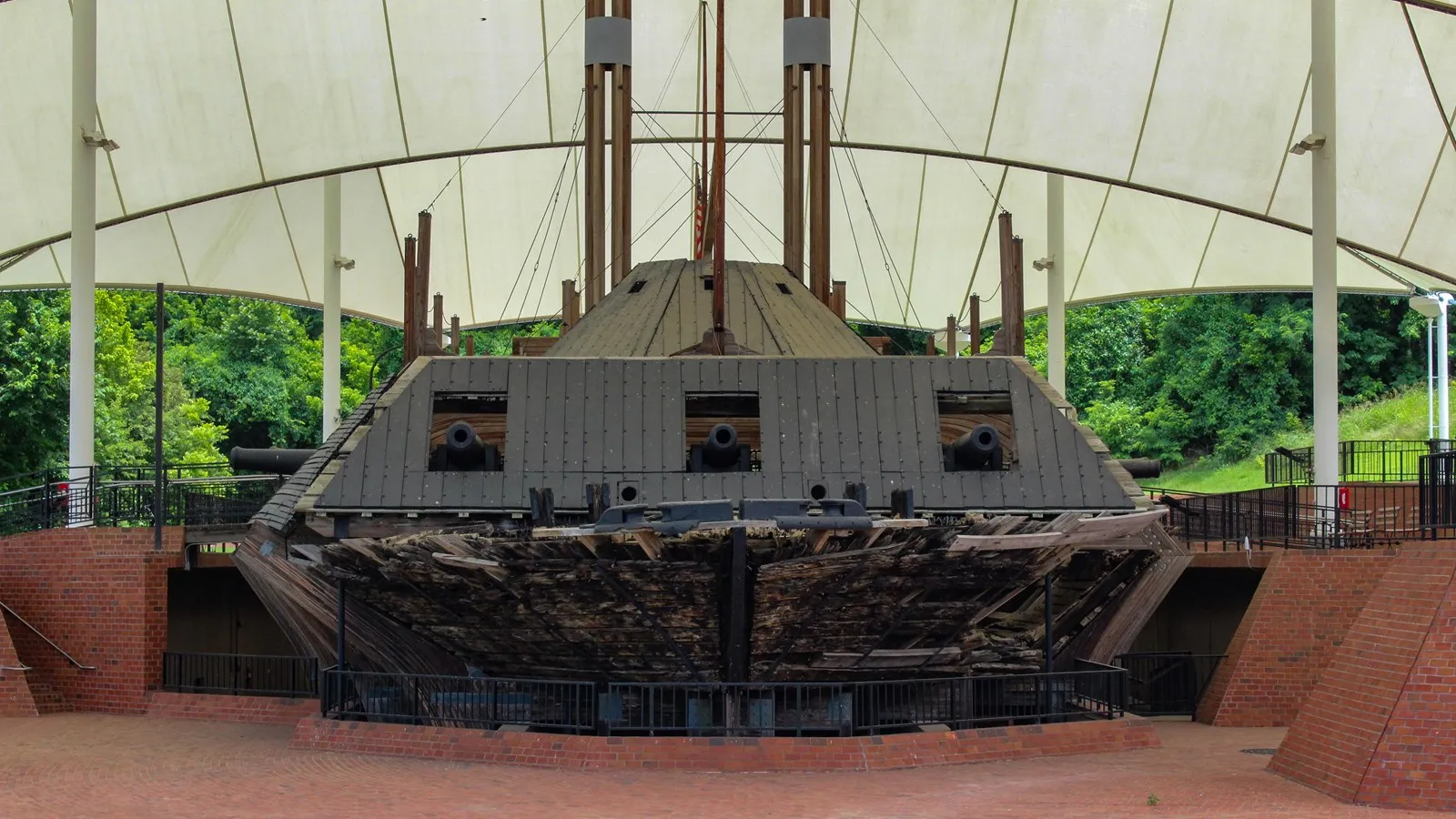
4. Spend time with the USS Cairo
The USS Cairo was a Union ironclad gunboat that sank in the Yazoo River in December 1862 after striking an underwater mine. Recovered from the river in the 1960s, it is now preserved at the park under a protective structure. Seeing the vessel's size and form in person adds a naval dimension to a visit otherwise focused on the land campaign.
The adjacent museum interprets the vessel and artifacts recovered from it. The park currently lists the outdoor exhibit and museum as open daily during posted hours, with holiday closures; check the official schedule on the day of your visit. Give yourself time for both the boat and the exhibits rather than treating the ironclad as a quick roadside photograph.
The Cairo's preservation story is also part of the visit. The recovered structure and objects represent years of archaeological and conservation work. Use designated paths, observe barriers and follow staff instructions so future visitors can continue to learn from the site.
5. Visit the national cemetery respectfully
Vicksburg National Cemetery is part of the park landscape and a place of remembrance. Walk quietly, stay on permitted routes and give other visitors space. A memorial landscape represents decisions made over many years about whom and what to commemorate; park interpretation can help explain those choices and their limits.
If your group includes children, this can be a meaningful place to talk about the personal cost of war. A short conversation about a name, an unknown grave or a soldier's community may be more memorable than trying to absorb every statistic on a marker. Follow current signs and ask park staff about accessible routes or any temporary restrictions.
6. Plan for a second layer of learning
Before you leave, pick one question to explore further: how did the river affect the campaign, what did civilians experience during the siege, or how did emancipation and military service intersect in the region? The park's exhibits, ranger programs and website provide starting points. Check program schedules rather than assuming a ranger talk runs every day.
Vicksburg can be visited in a few hours, but allowing a half day makes room for the battlefield drive and the Cairo without rushing. Check fees, hours, weather and current conditions in advance. A well-planned visit leaves space to understand both the broad campaign and the individual lives behind the landscape.