At Ha Ha Tonka State Park, the ruins of a stone mansion stand above a landscape of springs, sinkholes and wooded Ozark hills. The castle catches the eye first, but the story becomes more interesting as you follow the water downhill and discover the natural bridge and rugged trails below.
Near Camdenton on the Lake of the Ozarks, this is a place to plan a visit around your own pace. You can concentrate on a short overlook, follow a spring-side path, or choose a demanding loop through rocky terrain. These six stops offer different ways to appreciate the park without assuming that every trail suits every visitor.
1. Look for the castle above the lake
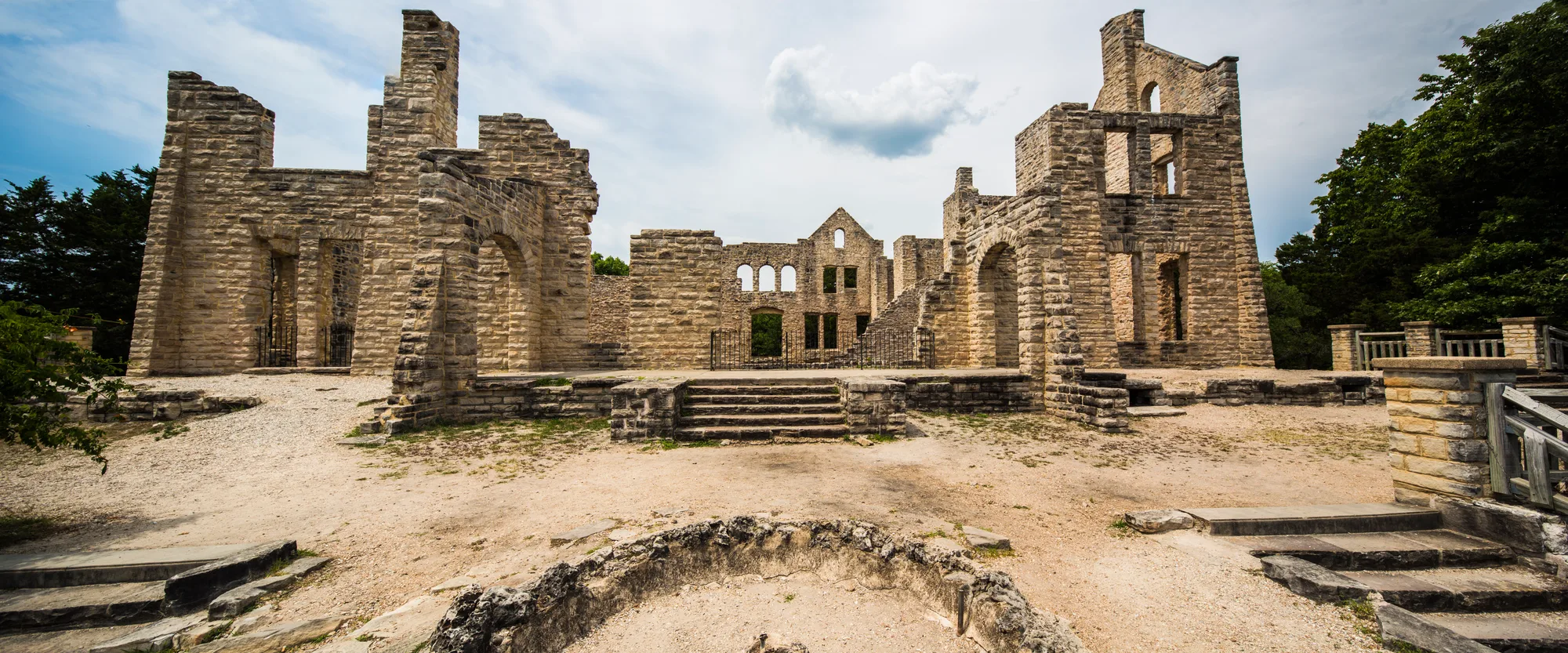
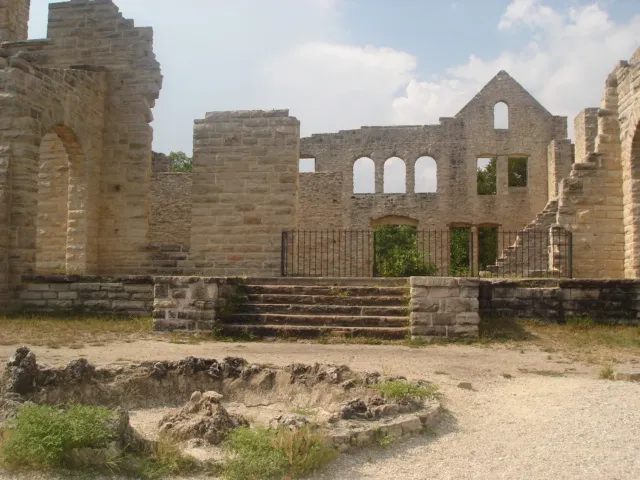
From the castle area, sandstone walls and empty windows frame views toward the Lake of the Ozarks. The structure began as the private retreat of Kansas City businessman Robert M. Snyder, who started buying land after seeing the area in 1903. His plans called for a European-style home, built with stone quarried locally and moved by wagon and a small railroad.
Snyder died in 1906, before his vision was completed. His sons finished the building in 1922, although on a less elaborate scale than their father had imagined. Later leased as a hotel, it was gutted by a fire in 1942. The walls that remain are a reminder of both the ambition of the estate and how much the surrounding landscape has changed.
Take time to read the park's interpretation and appreciate the ruins from designated visitor areas. Do not climb walls or cross barriers for a better photograph. These are historic remains, not a fully restored building, and access can change when preservation work is necessary.
2. Follow the water to Ha Ha Tonka Spring
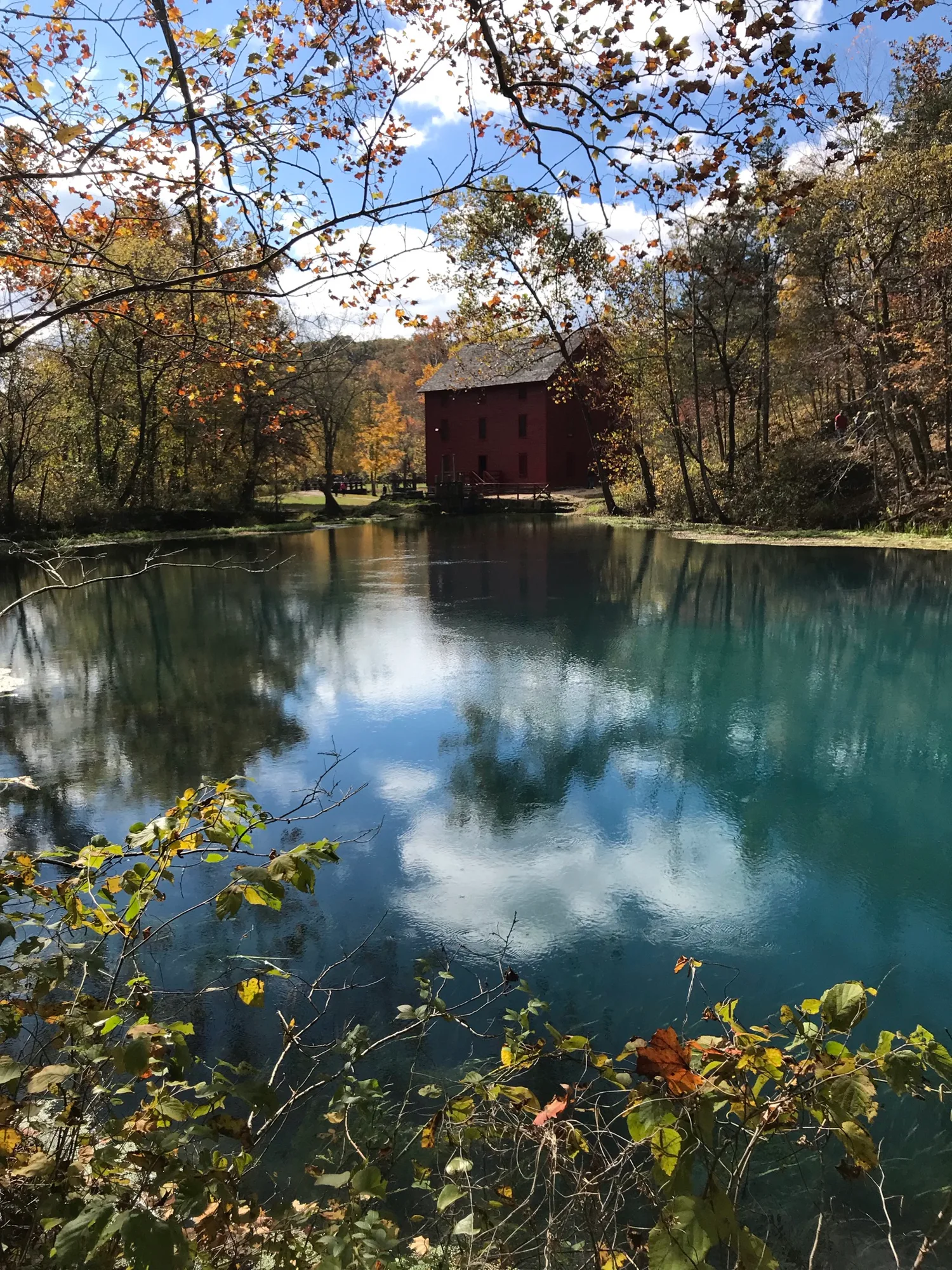
The castle is only half the attraction. Below it, Ha Ha Tonka Spring emerges from the karst landscape and feeds the water connected to the lake. Missouri State Parks identifies it among the state's largest springs. Its clear water, rock setting and surrounding woodland make a quieter counterpoint to the exposed ruins above.
Spring Trail begins near the lower parking area, and its first 0.4 mile is paved and described by the park as accessible to visitors with physical limitations. Along this section, look for the old mill site, where remnants including a grinding stone and raceway help explain how earlier residents used the water.
Beyond the easier section, the trail and connected routes can involve boardwalks, stairs or uneven ground. Check the current park map and select the portion that works for your group. The spring and its shoreline are delicate habitats, so stay on the designated route rather than stepping into the water for a photograph.
3. Stand beneath a natural bridge
Ha Ha Tonka's natural bridge reveals a different part of the same geological story. Water has gradually dissolved and reshaped the region's carbonate rock, producing a landscape known as karst. Sinkholes, springs and cave openings are related features of that process, even though they look very different at the surface.
Missouri State Parks describes the bridge as approximately 70 feet wide, spanning 60 feet and rising more than 100 feet. The Colosseum Trail passes beneath it and through a large sinkhole. Before heading out, check the park's trail information for the route, surface and current conditions; the formations are impressive precisely because the landscape is steep and irregular.
4. Choose a route through Devil's Kitchen
For visitors looking for a more challenging walk, Devil's Kitchen Trail crosses woodland and glade before descending into a sinkhole with a small cave shelter. The route continues near a concave bluff and reaches an overlook where the castle can be seen across the spring chasm.
The park rates this 1.3-mile loop rugged. Expect natural surfaces, rocks, steps, steep grades and road crossings; the park also notes a small gap in the bedrock along the route. Wear shoes with good traction and allow extra time after rain, when exposed stone and leaf litter can be slippery. If anyone in your group is uncomfortable with that terrain, select a shorter route instead.
5. Connect the castle and spring at your own pace
The relationship between the castle on the bluff and the spring below becomes clearer on the connected trail system. The Dell Rim and Spring trails link viewpoints across different elevations, with a long series of wooden steps in the spring chasm. The view changes as the route moves between woodland, overlooks and water.
Those stairs also make this a substantially different outing from a short level stroll. If climbing hundreds of steps does not sound appealing, use the park map to plan separate visits to the upper and lower areas. Park accessibility information describes which overlooks and trail segments provide easier access; not every segment of a connected trail is wheelchair accessible.
6. Give the woodland and picnic areas time, too
It is tempting to see the castle, take a picture and leave. A slower visit makes room for the oak woodlands and open glades that surround the park's best-known features. The Oak Woodland Interpretive Trail is among the routes listed by the park, while picnic areas offer a place to pause between walks.
Bring water, pack out what you carry in and use the park's map rather than following an unmarked shortcut. During warmer months, sun on the open rock can make a modest hike feel longer; in colder weather, icy steps or changing road conditions may affect the day. Keep wildlife wild and leave plants and rocks where you find them.
Planning your visit
Ha Ha Tonka State Park is at 1491 State Road D, Camdenton, Missouri. The park publishes seasonal hours and cautions that gates close at sunset. Visitor-center staffing varies by season, so check the official hours and park status map before you leave, particularly around holidays or after severe weather.
For a relaxed first trip, pair the castle overlook with the easier beginning of Spring Trail, then decide whether the natural bridge or a longer hike fits your time and energy. The reward is not a checklist: it is seeing how Missouri's Ozark geology, spring water and human history meet in one remarkable landscape.