In southeastern Missouri, Mingo National Wildlife Refuge protects a landscape of bottomland hardwood forest, marsh and cypress-tupelo swamp. A raised boardwalk, quiet roads and short trails give visitors a chance to experience a place that can feel a world away from the surrounding highway.
The refuge is managed for wildlife as well as visitors, so the best trip begins with current access information and a willingness to move slowly. These five ideas offer a starting point for seeing Mingo without expecting every road, trail or facility to be open in every season.
1. Walk the Swampwalk Nature Trail
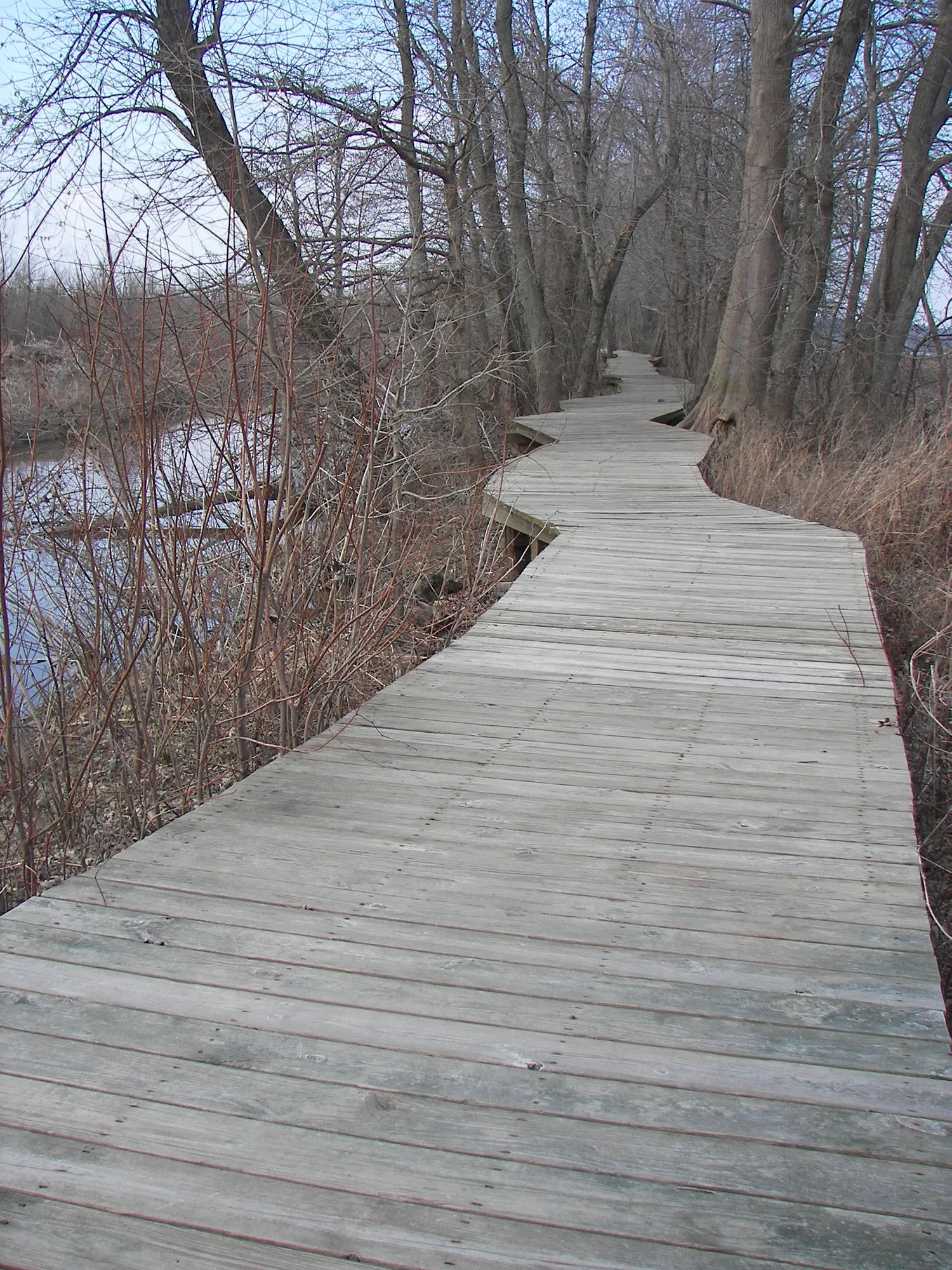
The Swampwalk Nature Trail follows an approximately 0.8-mile route through bottomland hardwood forest. The U.S. Fish and Wildlife Service describes the raised boardwalk and asphalt route as accessible for wheelchairs and strollers. It is a useful introduction to a wet landscape without requiring visitors to walk through the wet ground itself.
Slow down and look at more than the end of the path. Notice tree trunks rising from low areas, changes in water level, reflections and the small movements that reveal birds or other wildlife. A quiet approach gives you a better chance of observing animals without disturbing them.
Weather and water conditions can affect surfaces, and accessibility depends on individual needs. Contact the refuge for current conditions if your visit requires a particular clearance or surface. Keep children close, stay on the boardwalk and give other visitors space to pass.
2. Take a wildlife drive
Mingo's roads provide another way to see changing habitats. The refuge identifies Bluff Road and Red Mill Drive as open year-round, while the Ozark Highlands Auto Tour Route generally operates from March through November when weather and road conditions allow.
Drive slowly, watch for animals on the road and pull over only in safe, designated places. A car can be a useful observation spot, but sudden stops or blocking a narrow road can make the experience less safe for everyone. Turn off the engine when parked where permitted and listen as well as look.
Before relying on a route, check the refuge's current information or ask staff. Flooding, seasonal management and maintenance may alter access. A map is useful because the refuge covers a large area and a short-looking loop can take longer when road conditions require a slower pace.
3. Explore a short trail near the visitor center
The refuge lists several walks with different surfaces and difficulty. Hartz Pond Trail is a short gravel loop near the visitor-center parking area. The Bluff Trail connects the visitor-center area with the Swampwalk, but the refuge describes it as short and steep, with packed dirt and gravel.
Those details matter when choosing a route. A short distance does not automatically mean an easy surface, and a damp day can change footing. Pick the trail that fits your group's abilities, bring water and allow time to turn around if conditions are uncomfortable.
When the visitor center is open, ask for a map and current recommendations. Its hours can differ from those of the refuge lands and may change around holidays or staffing needs. A quick check before leaving home can help you plan where to obtain information and permits.
4. Watch for wildlife without disturbing it
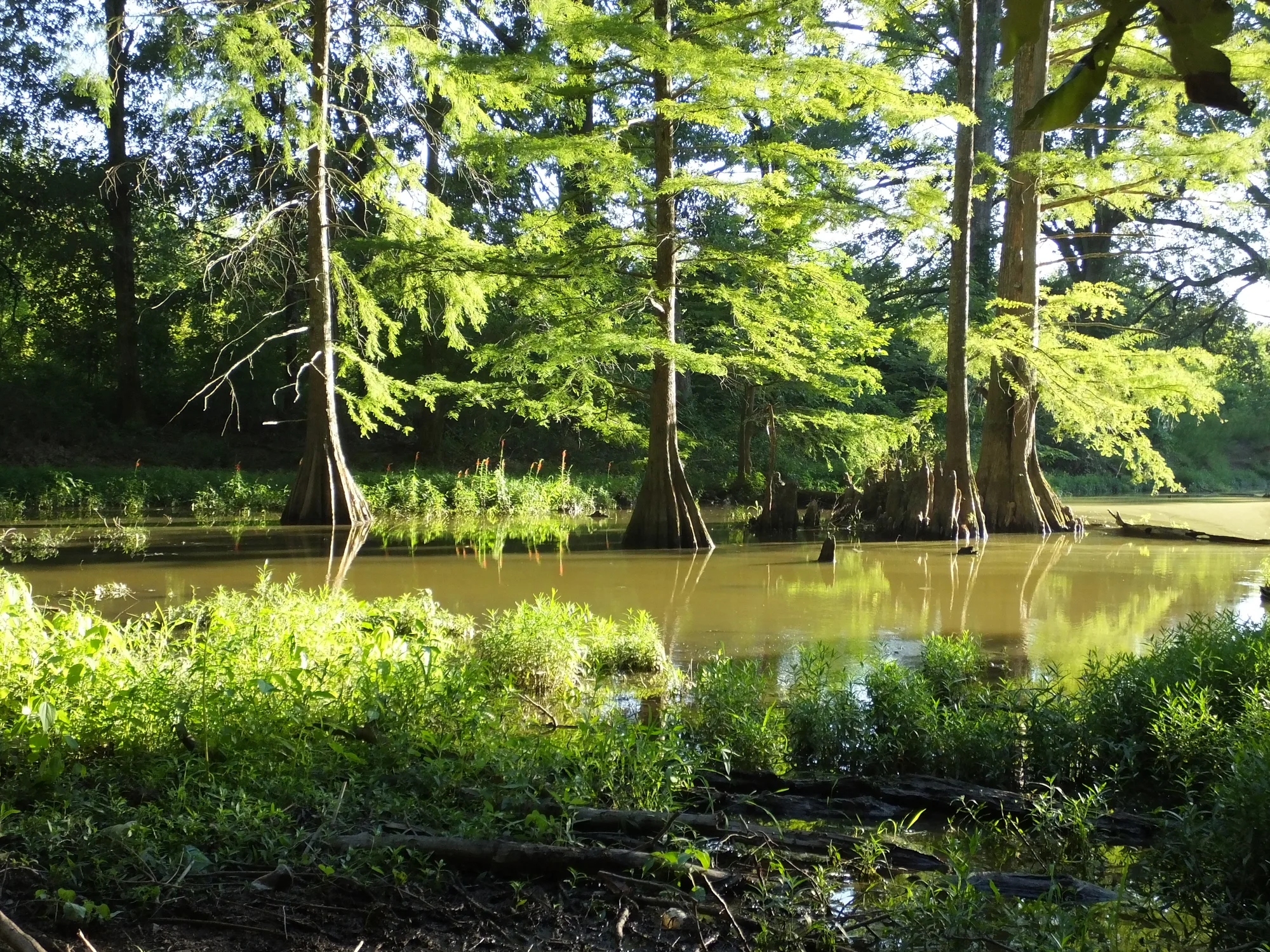
Mingo's wetlands and forests support birds and many other animals, but sightings are never guaranteed. Bring binoculars, watch quietly from a respectful distance and let wildlife decide whether to remain in view. Early or late daylight can be rewarding, provided you observe refuge hours and posted restrictions.
The habitat itself is worth studying. Cypress trees, wet soil and standing water show how plants adapt to a landscape that changes with the seasons. From a safe viewpoint, notice the difference between open water, marsh edges and the shaded forest floor.
Do not feed animals, collect plants or leave the boardwalk for a closer photograph. Keep food and trash secured, and follow refuge rules for pets. A longer lens or binoculars are more useful than approaching wildlife, particularly when birds are nesting or resting.
5. Plan around permits, seasons and refuge rules
The Fish and Wildlife Service says entrance permits are required year-round. It lists permits at the visitor center and daily permits at entrance kiosks; verify current prices, accepted payment and pass rules before the trip. Keep your permit available as directed by refuge staff.
Refuge lands generally open from half an hour before sunrise until half an hour after sunset unless otherwise posted. Some areas have seasonal closures or restrictions connected with habitat management and hunting. Read the current map, heed signs and contact the refuge if you are uncertain whether a road, trail or waterway is open.
Bring insect protection, sun protection and drinking water. Mud, standing water and changing weather are part of a wetland environment. If you plan to paddle, fish or visit during a hunting season, consult the refuge's specific rules and current conditions rather than assuming every waterway or trail is available for every activity.
A slower day in southeast Missouri
Mingo is near Puxico in Stoddard and Wayne counties. The refuge provides a street address for navigation and cautions that searching only for the refuge name may not bring a driver to the visitor center. Download a map before traveling and check the official directions for the entrance you intend to use.
For a first visit, pair the Swampwalk with a short drive and leave enough time to stop quietly along the way. The reward is not a guaranteed sighting; it is the chance to experience a protected remnant of southeast Missouri's wetland landscape and understand why it matters.