Missouri's national park sites tell stories that do not fit neatly into one era. A scientist's childhood landscape, a president's family home, a battlefield and a French colonial town each offer a different way to understand the people and choices that shaped the state.
These five places are spread across Missouri, so they work best as separate day trips or stops on a longer journey. Each has its own hours and tour arrangements. Start with the National Park Service's current visitor information, then give yourself enough time to look beyond the headline name.
1. Walk George Washington Carver's childhood landscape near Diamond
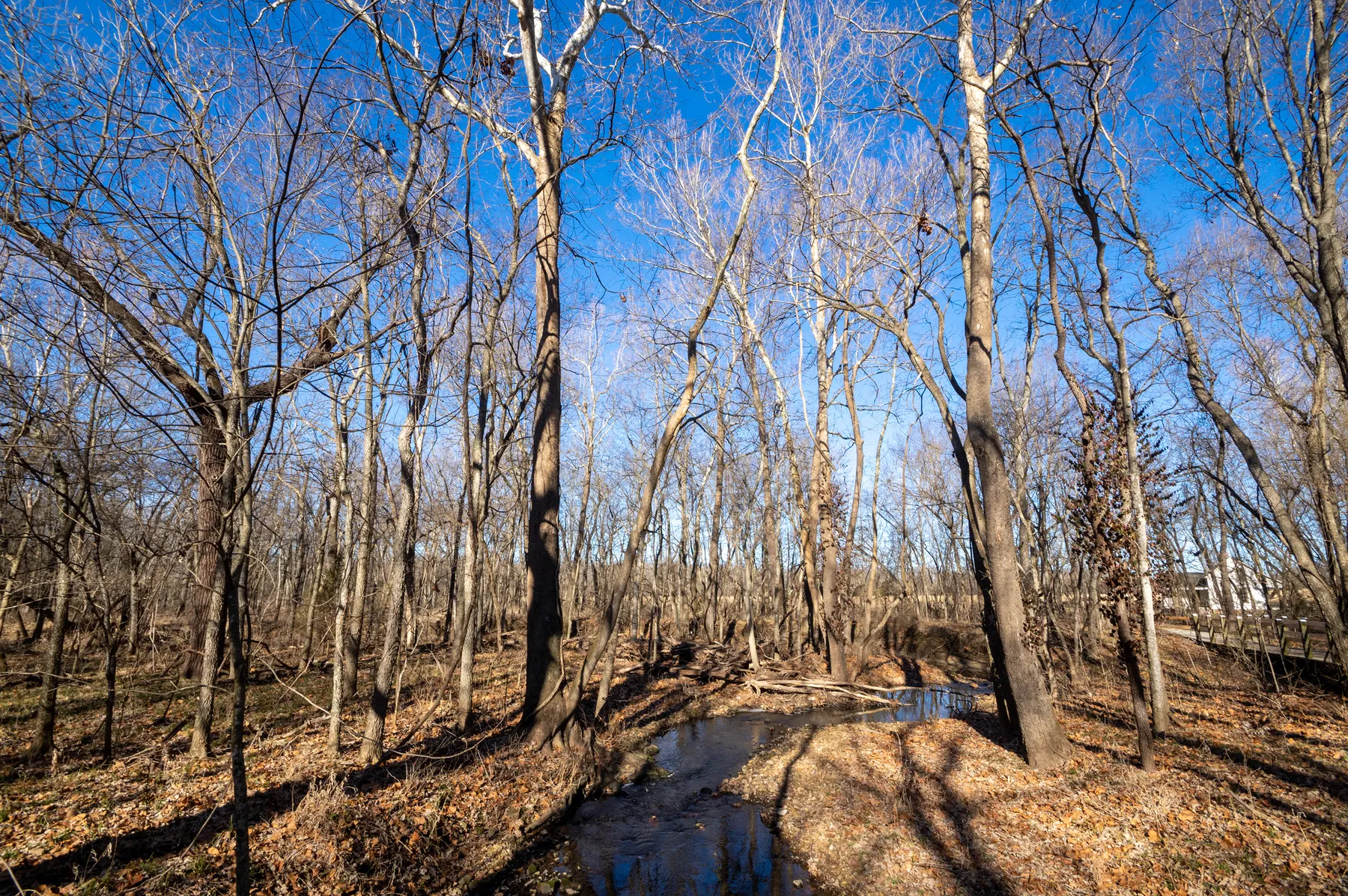
George Washington Carver National Monument preserves the place where the scientist and educator was born and spent his early years. Established in 1943, it was the first National Park Service unit dedicated to an African American. The visitor center introduces Carver's life through exhibits, science activities and a film.
The one-mile Carver Trail loops through woodland, across streams and past restored prairie. Along the way are the site associated with Carver's birth, the Boy Carver statue, the 1881 Moses Carver house and the graves of Moses and Susan Carver. George Washington Carver is buried at Tuskegee University in Alabama.
Consider joining a ranger-led walk if one fits your schedule; the park recommends allowing more than an hour for the guided experience. Check the current schedule before leaving. On a self-guided visit, pause at the exhibits and observe the plants and landscape that help connect the place to Carver's lifelong interest in the natural world.
2. Explore Ulysses S. Grant's White Haven near St. Louis
Ulysses S. Grant National Historic Site preserves White Haven, the home associated with Grant and his wife, Julia Dent Grant. It offers a more complicated view of the future president than a list of military and political achievements can provide.
The site's interpretation also addresses the lives of people enslaved by the Dent family at White Haven. Their labor supported the household and farm, while family separation, harsh working conditions and legal restrictions shaped their lives. The National Park Service's research makes these experiences central to understanding the property.
Start at the visitor center and ask about the current schedule for the grounds and guided house experiences. A photo of the green house may draw you in, but allow time for the exhibits and for the stories of people whose names and experiences have not always been preserved equally in the historical record.
3. Visit Harry and Bess Truman's Independence home
The Truman Home in Independence provides a different perspective on presidential history: a lived-in family residence associated with Harry and Bess Truman before, during and after his presidency. Its domestic scale gives visitors a contrast to the institutions and decisions normally associated with the office.
Interior access is by guided tour, and the National Park Service requires a ticket for every visitor, including children. Tickets are issued at the visitor center, not at the house, on a same-day, first-come basis. Tours are small and depend on staffing, so check current schedules before making the drive and arrive early if a house tour is important to you.
If tickets are unavailable, ask rangers what other current exhibits or self-guided opportunities are open. Respect the residential neighborhood and the park's preservation rules. The visit is strongest when it connects the ordinary details of home life with the extraordinary demands placed on the family.
4. Follow the story of Wilson's Creek
Near Republic, Wilson's Creek National Battlefield interprets the August 10, 1861 battle and its place in the Civil War west of the Mississippi River. Begin at the visitor center, where exhibits and orientation media provide context before you head onto the landscape.
The park has a tour road with interpretive stops and opportunities to explore outdoors. Look beyond the quiet fields and wooded slopes to consider the consequences of the battle for soldiers, civilians and the contested state of Missouri. The landscape is preserved for reflection as well as recreation.
Check the park's current operating schedule before visiting: hours for the grounds, motorized road access and visitor center differ. Allow time to stop at the exhibits rather than rushing from marker to marker, and stay on designated routes around historic resources.
5. Discover Ste. Geneviève's historic buildings
Ste. Geneviève National Historical Park is woven into a larger historic district along the Mississippi River. Its preserved buildings introduce visitors to a community shaped by French colonial history and to the people who lived and worked there over generations.
Start at the park's welcome center for orientation and information about available house tours. The National Park Service says tours can depend on weather and staff availability, and buildings may have different schedules. An exterior walk still gives a sense of the district, but confirm tour times if seeing interiors is a priority.
Leave time to explore carefully rather than trying to treat every historic building as a single museum. Notice the relationship between homes, streets and the river landscape, and use park interpretation to understand the community in its full historical context.
Plan by region
Carver and Wilson's Creek are in southwest Missouri; Independence is near Kansas City; White Haven is in the St. Louis area; and Ste. Geneviève is farther south along the Mississippi. They are not a practical single-day loop. Choose a region, check current hours and any ticket rules, and build a realistic itinerary around one or two stops.
Many historic buildings have limited space, stairs or uneven ground. Contact the individual park for current accessibility information and available alternatives. With a little planning, each visit can offer a richer picture of Missouri than the name on its entrance sign suggests.