Missouri's river towns were shaped by water, trade and the people who built communities along the bluffs. Today, their historic streets invite a slower kind of travel: a walk past old storefronts, a visit to a museum or a few miles on a trail before finding lunch.
These four communities each tell a different story. Two sit near the Missouri River, one preserves a Santa Fe Trail community and one traces its roots to French settlement near the Mississippi. They are spread across the state, so choose a region for a day trip or build a longer itinerary instead of trying to see them all at once.
1. Hermann: German heritage among the bluffs
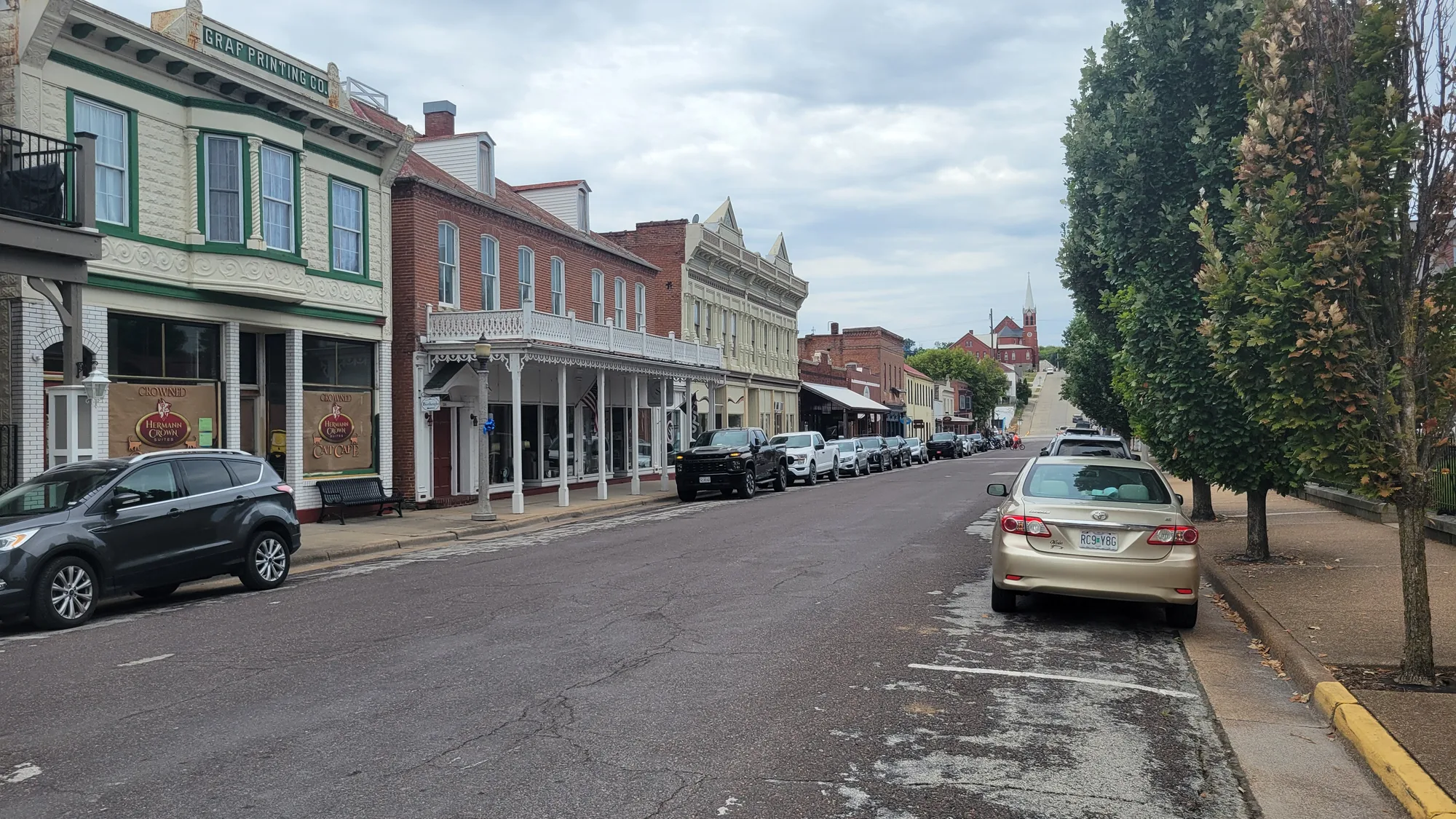
Hermann's brick buildings, sloping streets and river setting reflect a community established by German settlers in the nineteenth century. According to the local visitor organization, the German Settlement Society of Philadelphia chose land along the Missouri River for a new town in the 1830s. The hills proved much steeper than the planners' flat map suggested.
Begin with a walk through the historic downtown and notice the mix of storefronts and houses close to the sidewalk. The local tourism office publishes walking tours that connect the riverfront with the town's architecture and history. A paper or downloaded map lets you decide how much ground to cover without rushing.
Hermann is also known for its wine heritage. If tastings are part of your plan, check opening hours, make reservations where needed and arrange a safe ride. Travelers who do not drink can still enjoy the architecture, river scenery, local shops and the story of the settlers who built the community.
The visitor information center is at the Hermann Amtrak station. Rail schedules can change, so confirm the timetable and connections before planning a train-based visit. A weekend gives you more flexibility than trying to fit every museum and meal into one afternoon.
2. Rocheport: A rail trail and a river-town pause
Rocheport began as a trading and steamboat community along the Missouri River. Its location now makes it a popular entry point to Katy Trail State Park, the former railroad corridor that runs across much of Missouri.
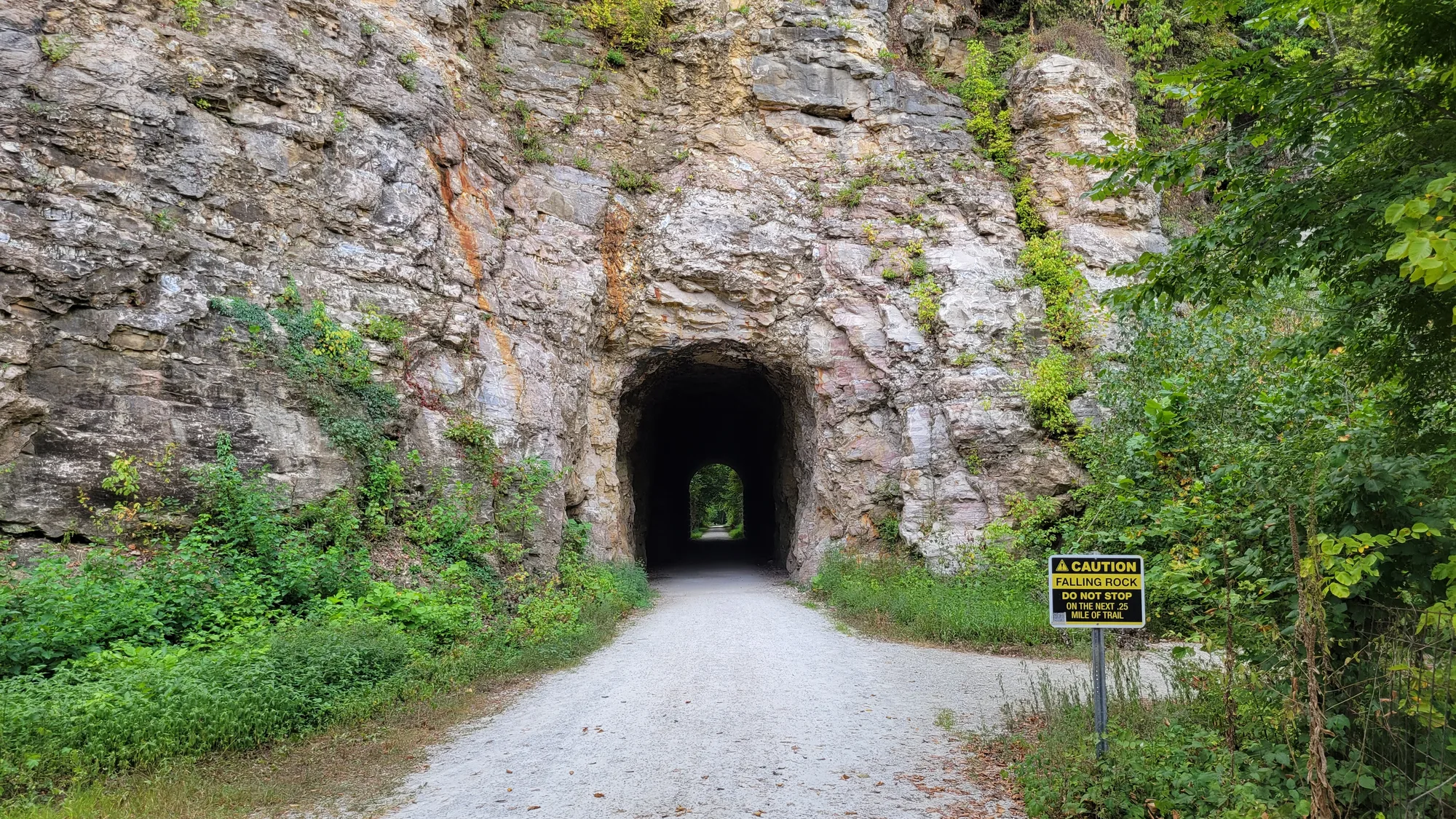
Walk or cycle a section of the trail and look for the historic Rocheport tunnel. Missouri State Parks dates the tunnel to around 1893 and identifies it as the only tunnel on the former MKT line. Slow down through the tunnel, give other trail users room and follow posted warnings near the rock face.
Back in town, allow time to explore the historic streets and check local dining or lodging options. Businesses can have limited or seasonal schedules; confirm hours in advance, especially if you are visiting midweek. Carry drinking water and consult current Katy Trail advisories before setting off, since weather and flooding can affect trail conditions.
The beauty of Rocheport is that the outing can be as short as a walk from the trailhead or as long as a ride planned around several communities. Choose a comfortable turnaround point and remember that an out-and-back trip is twice the distance in one direction.
3. Arrow Rock: A village on the Santa Fe Trail
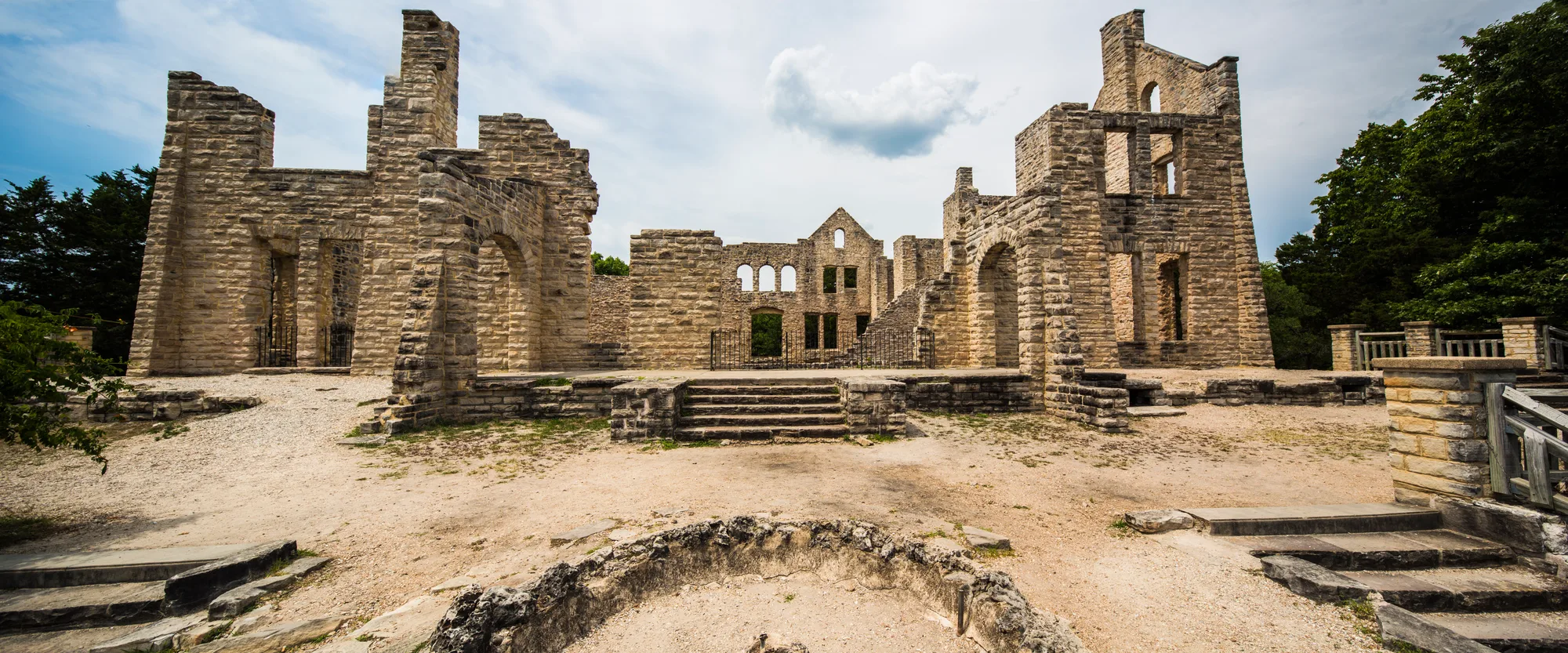
Arrow Rock invites visitors to think about an earlier era of travel. The community is associated with the Santa Fe Trail and sits near a historic Missouri River crossing. Arrow Rock State Historic Site interprets the village's role in westward trade and the lives of people connected with the place.
Start with current visitor-center information, then explore the historic district at a walking pace. The state historic site includes places associated with artist George Caleb Bingham, while the wider village offers historic streetscapes and local businesses. Hours for individual buildings and programs may differ, so verify what is open before building your day around an interior tour.
Look beyond the romantic image of a frontier route. The Santa Fe Trail connected many communities and economies and crossed lands with long Indigenous histories. Interpretation at the historic site is a useful starting point for understanding the many people who traveled and lived in the region.
Arrow Rock is small enough to reward a relaxed visit, but comfortable shoes and a little planning help. Consider combining it with Boonville and other Boone's Lick area stops if you have more time, leaving room for the drive between them.
4. Ste. Geneviève: French colonial history near the Mississippi
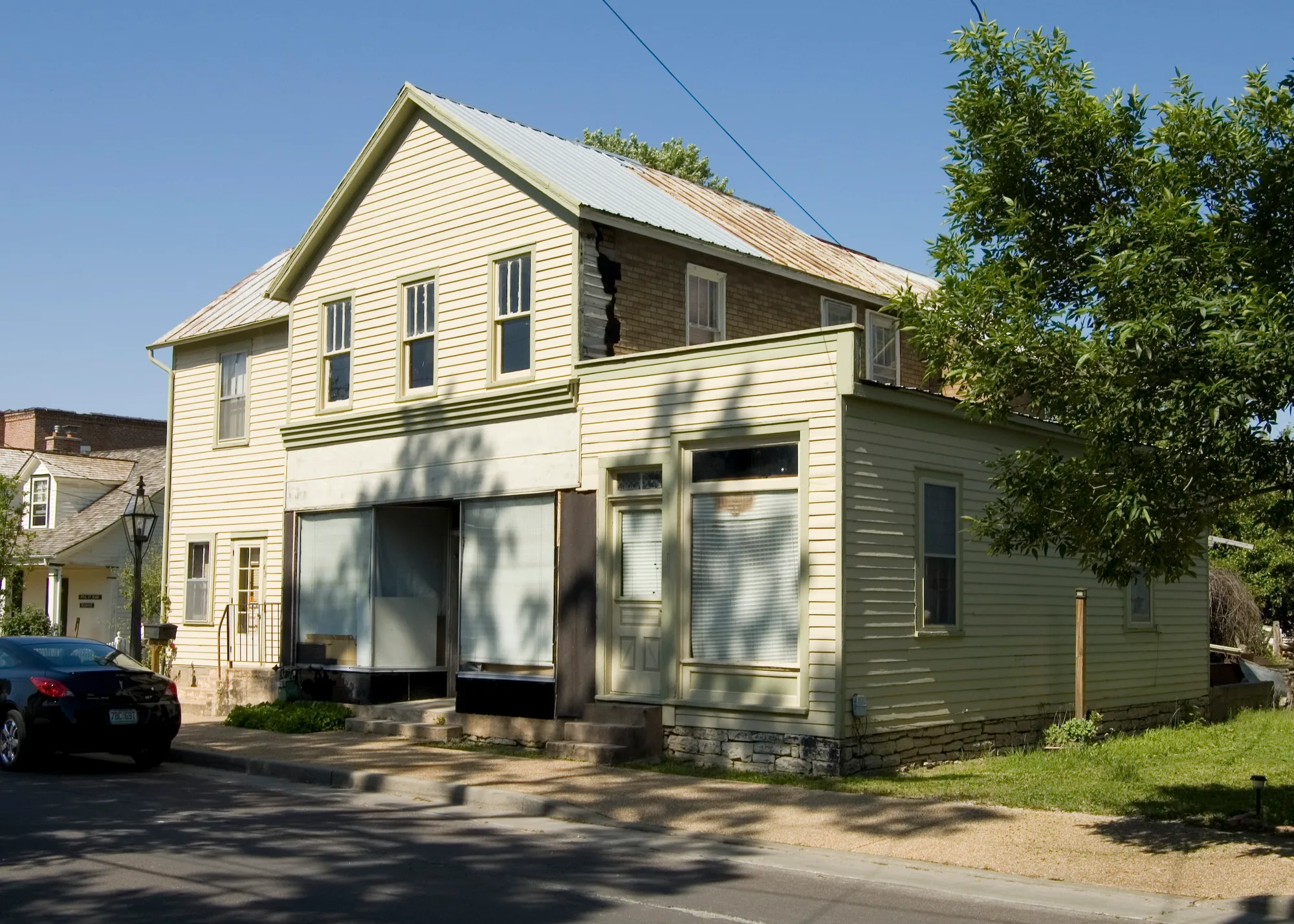
Ste. Geneviève is associated with Missouri's earliest permanent European settlement and a distinctive French colonial heritage. The original settlement was closer to the Mississippi than today's town; its historic district preserves buildings and streets that help tell the story of the community's movement and growth.
Begin at the Ste. Geneviève National Historical Park welcome center. Rangers can explain which historic homes are open and how tours work that day. The National Park Service notes that tours can depend on staff and weather, so the schedule should be checked before travel.
As you walk, look for the district's varied building styles and the way houses relate to streets, gardens and neighboring structures. Interpretive materials can help explain French colonial construction and the many people whose labor and lives shaped the town. The community is an active place to live as well as a historic destination, so respect private property and any posted access limits.
Leave time for a meal or local shop, but confirm current hours rather than assuming every stop is open. Nearby attractions and river views can extend a visit; they work best as additions after you have checked the schedule for the historic sites you most want to see.
Make the trip fit the town
Hermann, Rocheport and Arrow Rock can anchor different Missouri River region trips, while Ste. Geneviève lies along the Mississippi in the eastern part of the state. Driving distances are significant, and rural roads deserve more time than a map's straight lines suggest.
Check official visitor pages for current tour hours, trail conditions and accessibility details. Bring water and good walking shoes, and leave a little space in the schedule: the pleasure of these towns is often the unplanned stop between the places you came to see.