At Agate Fossil Beds National Monument, a quiet prairie walk can lead to a fossilized corkscrew left by an ancient burrowing mammal. Another trail crosses wetlands toward hills that preserve evidence of animals that lived here millions of years ago. Inside the visitor center, a collection of gifts opens a different chapter in the human history of the northern Plains.
This western Nebraska monument is rewarding for travelers who like places that reveal themselves gradually. Start with the exhibits, choose a trail and leave enough time to take in the landscape. These five stops and experiences make a practical introduction.
1. Begin with the fossil exhibits
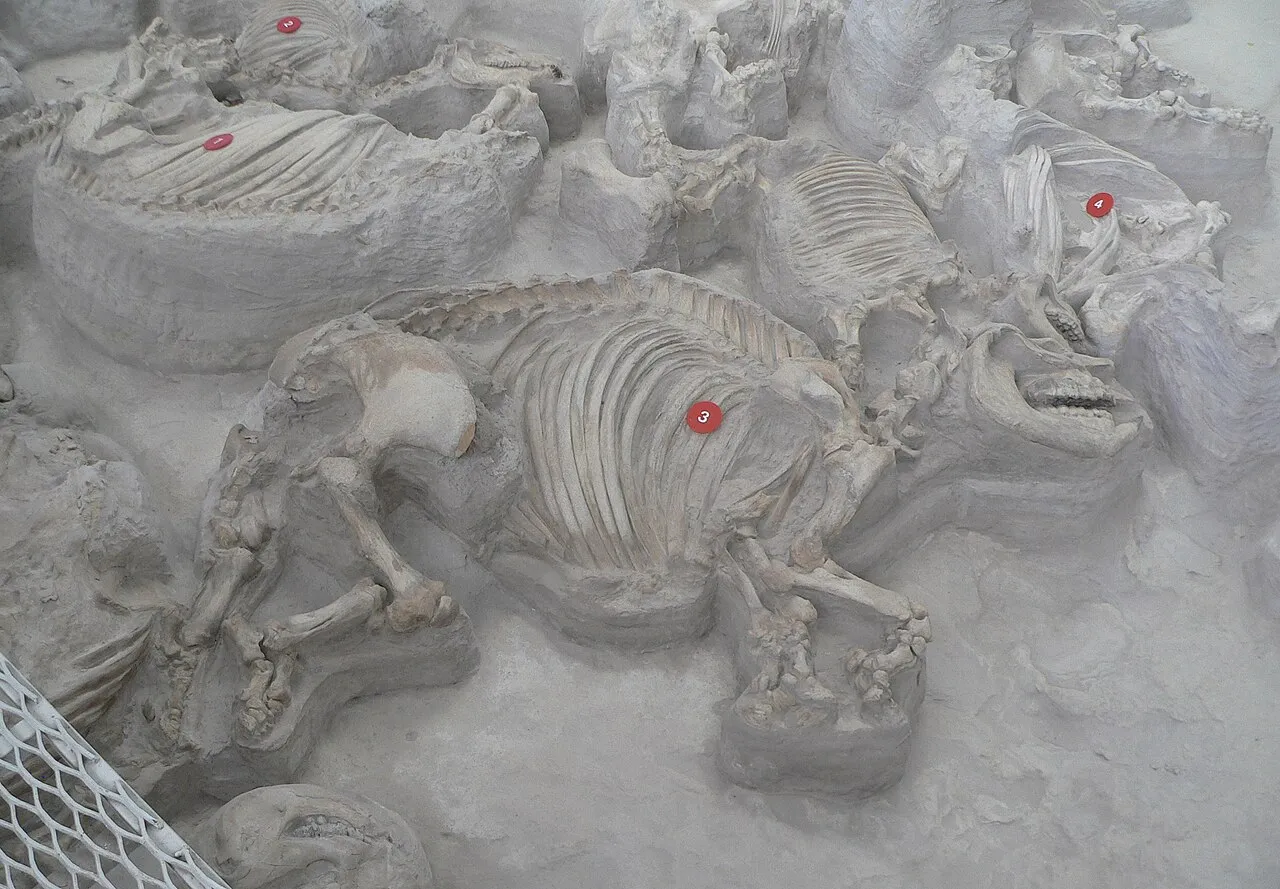
The visitor center introduces the Miocene mammals found in the fossil beds and offers context before you head outside. The park service describes a landscape that once supported a very different community of animals, preserved in rocks and bone beds that scientists have studied for generations.
Ask a ranger for a trail guide and current conditions. The museum and trails tell connected stories, but they offer different experiences: the fossils in the exhibits help visitors picture life that is not immediately visible across today’s grassy hills.
2. Follow the Daemonelix Trail
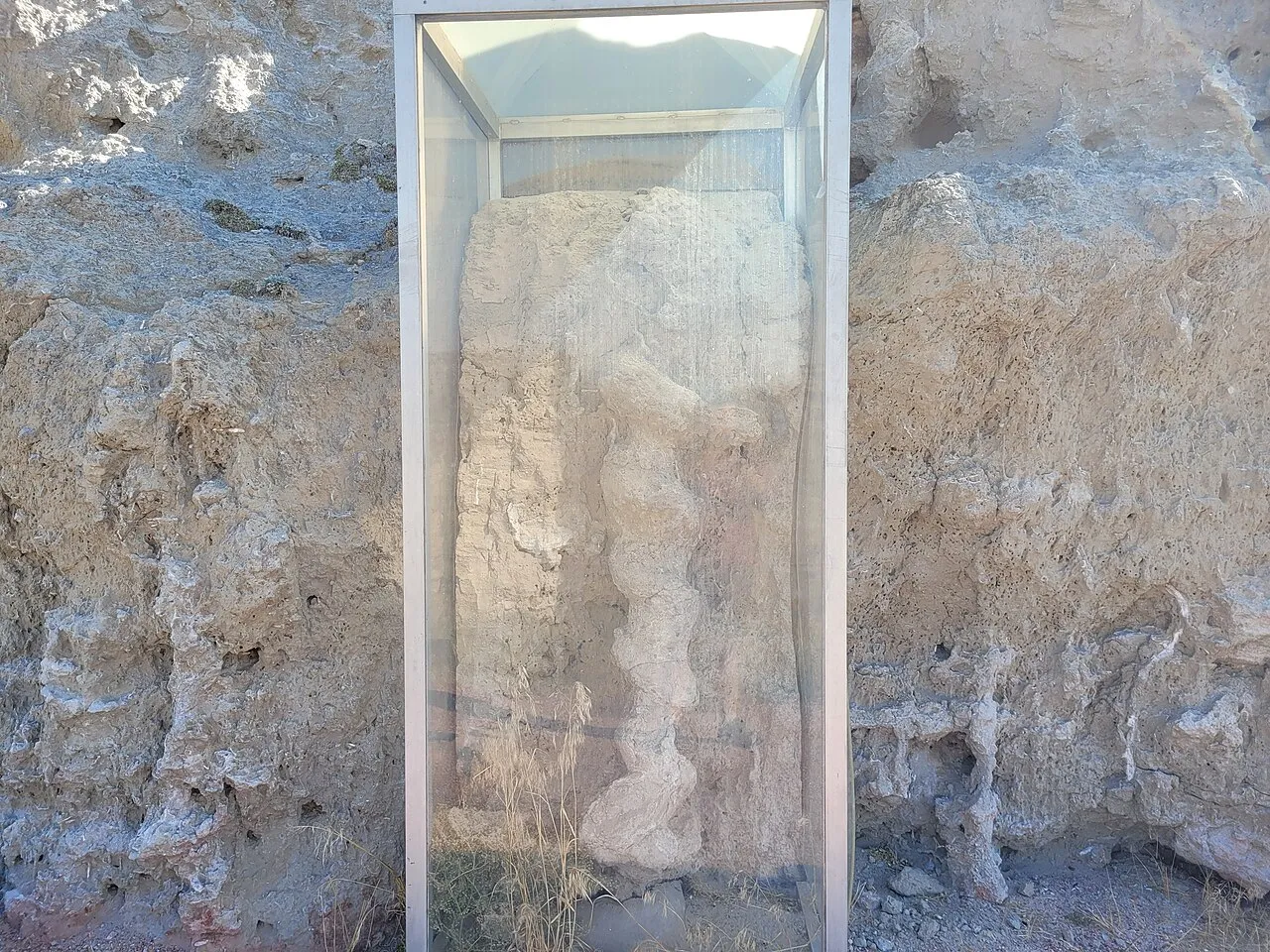
The one-mile Daemonelix Trail is the place to look for the monument’s unusual spiral fossils. These corkscrew forms record burrows made by Paleocastor, an ancient land beaver. The park service notes that the trail includes fossil exhibits in place, as well as evidence of old sand dunes and fossil soils.
Take your time at the exhibits. Their shape is easier to understand when you imagine an animal digging down through layers of earth. The trail is exposed in places, so bring water and sun protection and check the forecast before setting out.
3. Walk toward the Fossil Hills
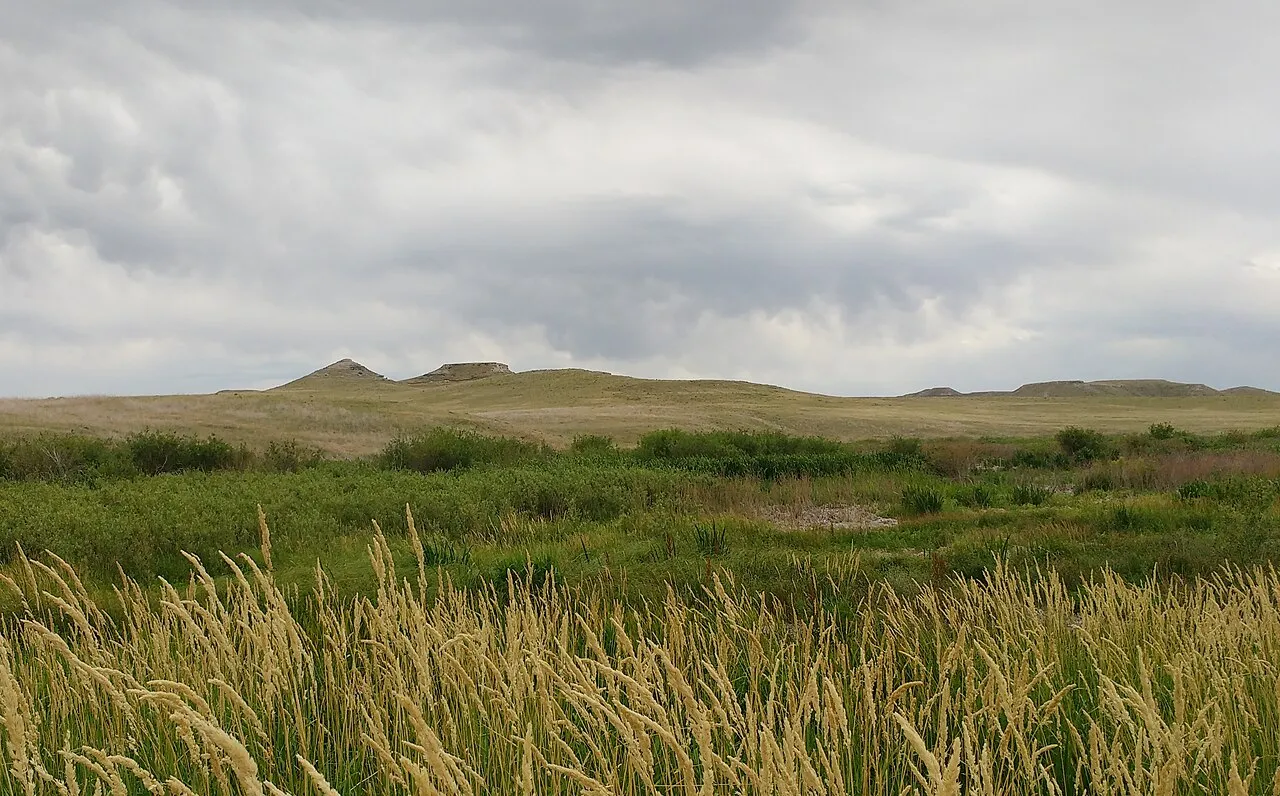
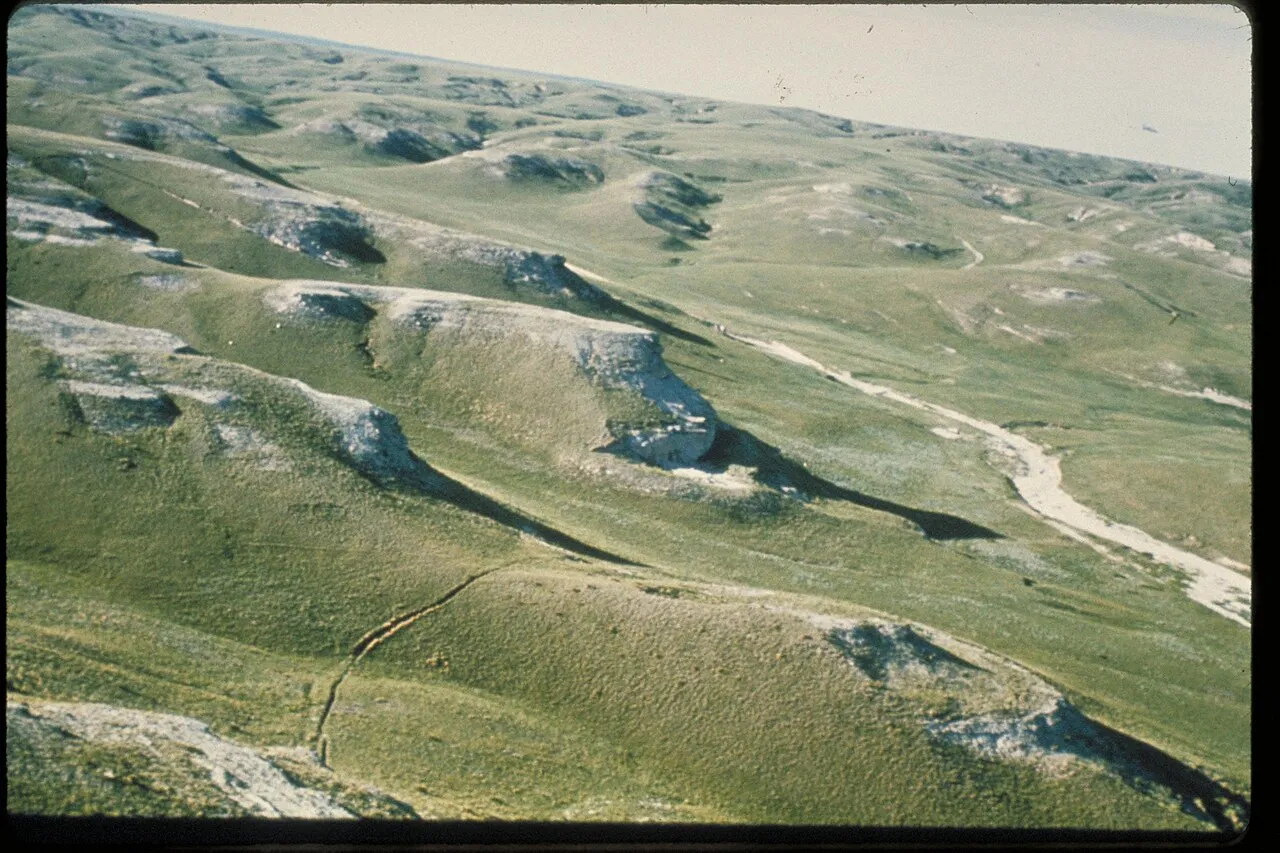
The 2.8-mile Fossil Hills Trail leads from the visitor-center area toward historic fossil quarry sites. On the way, a boardwalk crosses natural wetlands and the Niobrara River, adding a close-up look at the present-day environment to the story of the ancient one.
There are interpretive signs along the route, but the park service says there are currently no fossil displays on this trail. That distinction matters when planning with children: visit the museum or Daemonelix exhibits for fossils you can see, and choose Fossil Hills for the landscape and the historic quarry story.
Check trail conditions, wear comfortable shoes and allow more time than the distance alone suggests. Wind, sun or rapidly changing weather can make an exposed prairie walk feel different from a shaded neighborhood path.
4. Learn about the Cook Collection
The visitor center also displays the James H. Cook Collection, which includes gifts received by the Cook family from Oglala Lakota leader Red Cloud and his family, as well as Northern Cheyenne and other people. The park service describes a relationship that developed through visits to the Cook family’s ranch over many years.
Spend time with the interpretation accompanying these objects and photographs. They represent relationships, individual makers and living cultures, not merely a colorful addition to a fossil museum. Ranger programs may offer opportunities to learn more; ask what is available during your visit.
5. Give the prairie some attention
Agate is not a place where every interesting sight announces itself from the parking lot. Pause to listen for birds, notice the contrast between wetter areas and open grassland, and look at how the hills rise above the Niobrara valley. The monument’s quiet is part of the experience.
Observe wildlife from a distance, stay on established trails and leave fossils, plants and other natural and cultural objects where you find them. The protected landscape is valuable to researchers and future visitors as well as to the people connected to its history.
Plan your visit
The National Park Service lists the trails as open from sunrise to sunset year-round, while visitor-center hours change with the season and the center closes on Thanksgiving, Christmas and New Year’s Day. The monument is in the Mountain Time Zone. Check the official hours and alerts before leaving, and download directions or park information ahead of time because cell service can be unreliable in western Nebraska.
A few hours allow time for the museum and one trail; a longer visit makes it possible to explore both walks without rushing. Bring water, appropriate layers and a willingness to look closely. The reward is a Nebraska landscape with stories that stretch from ancient burrows to more recent human relationships.