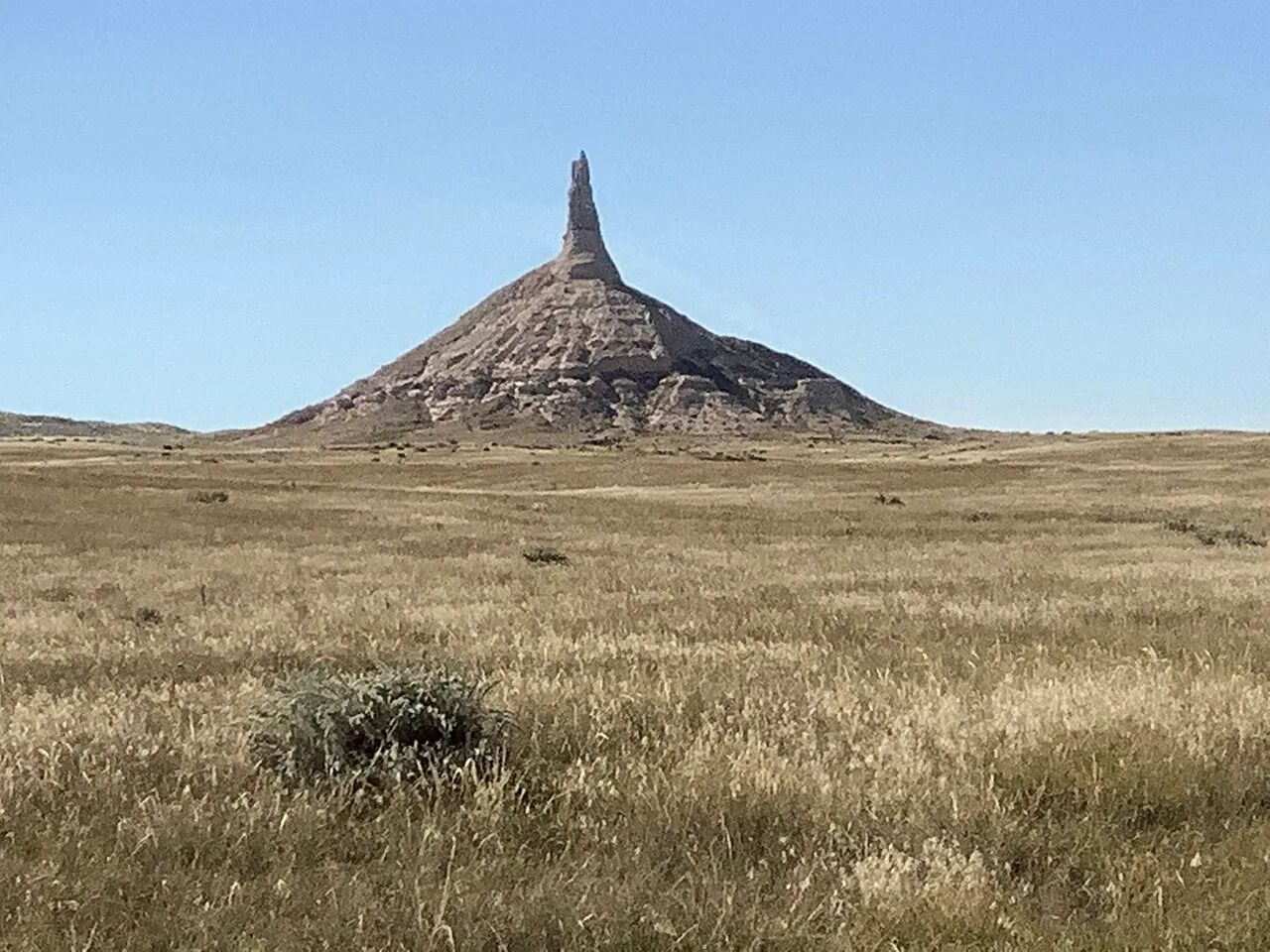
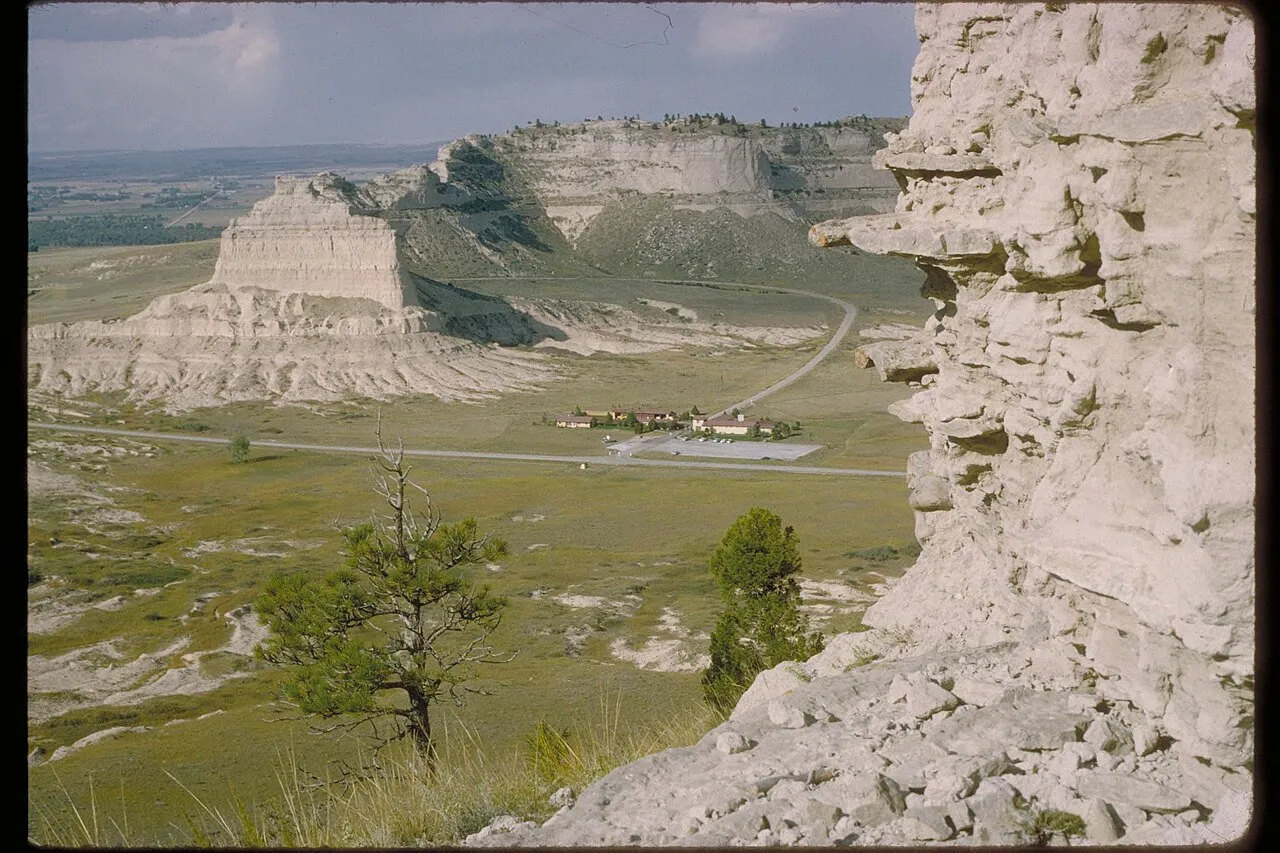
In western Nebraska, a pale wall of rock rises above the North Platte Valley, changing the scale of the prairie around it. Scotts Bluff National Monument is a place where a short drive can lead to a sweeping view—and where a closer look reveals layers of Indigenous history, geology and overland travel.
Near Gering, the monument can fit into a road trip as a brief stop, but it deserves enough time for more than a photograph. Here are five ways to explore, along with the practical details that can make your first visit smoother.
1. Get oriented at the visitor center
Begin at the visitor center for exhibits about the landscape and the people connected to it. Ask a ranger about current trail conditions, the Summit Road and weather before deciding how to reach the overlooks. A map is especially useful if you plan to combine a summit visit with a walk near the base.
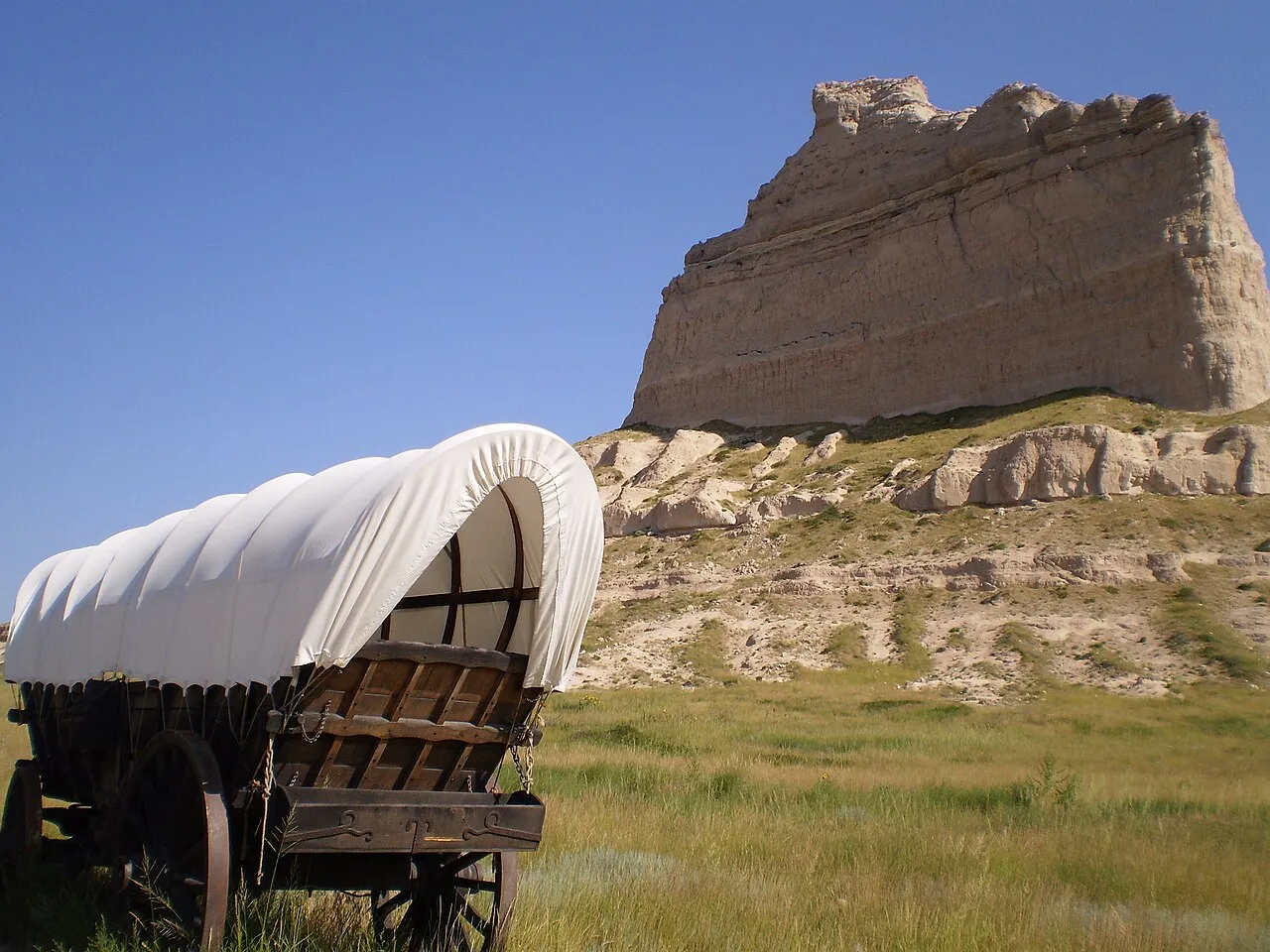
The park service interprets geological and human history here, including the Oregon Trail and its travelers. Leave enough time to read beyond the familiar wagon imagery: this landscape has a much longer history than the nineteenth-century migration routes.
2. Drive the winding Summit Road
When open, the 1.6-mile Summit Road climbs through three tunnels to a parking area on the bluff. Built in the 1930s, it is narrow and curving, so give yourself time, drive cautiously and enjoy the changing perspective rather than treating the ascent as a race to the top.
There are important size restrictions: the National Park Service prohibits vehicles longer than 25 feet or higher than 11 feet 7 inches, and all trailers are prohibited. The road may close because of weather or rockfall, so check the latest conditions before you arrive. Hiking and bicycling on the road are permitted only during daylight when it is closed to motor vehicles.
3. Take in the summit overlooks
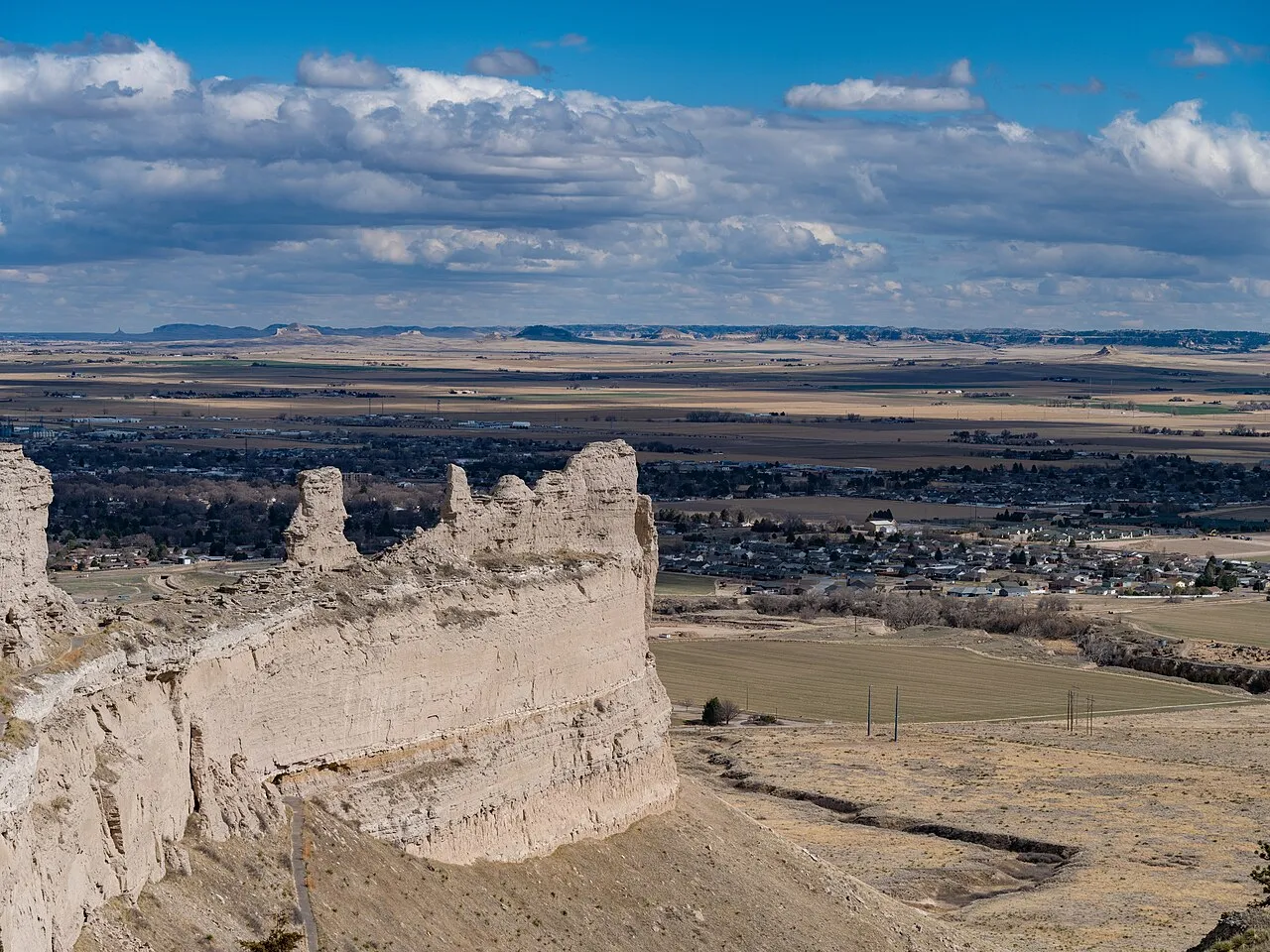
From the summit parking area, paved paths lead toward north and south overlooks with views over the North Platte Valley. The park service describes the South Overlook as approximately 300 yards from the parking lot. The route to the North Overlook begins with a steep uphill section, and another section has a steep descent with drop-offs.
Check the park’s accessibility details and choose the distance that suits your group. Wind and sun can be stronger than expected on exposed ground; bring water, a layer for changing weather and sturdy footwear. Stay on designated paths and give the edges plenty of space.
4. Consider the Saddle Rock Trail
If you prefer to earn the view on foot, ask about the Saddle Rock Trail. The park service describes a 1.6-mile one-way route from the visitor center to the summit with about 435 feet of elevation gain. That is one way, so a return hike makes for a longer outing unless you have arranged a permitted alternative.
Check with the visitor center about closures and trail conditions. Carry water and allow time for the climb and descent; turn around if heat, storms or the footing make the outing unsuitable. A shorter walk near the visitor center can be a better choice for families or anyone short on time.
5. Look beyond a single chapter of history
The bluff is often associated with the Oregon and California Trails, and interpretive displays help visitors imagine the difficulties of nineteenth-century overland travel. That story is only one part of the place. The National Park Service identifies historical and continuing connections between the Scotts Bluff area and many Indigenous peoples, including Cheyenne, Arapaho, Lakota, Pawnee, Omaha and Ponca communities.
Read the monument’s information on associated tribes and consider how migration and U.S. expansion affected Native communities. The trail landscape is not simply a story of people passing through; it is also part of a much older and continuing homeland.
Before you go
Check the monument’s current hours and alerts before traveling, particularly in winter or after severe weather. If you are driving an oversized vehicle, plan around the Summit Road limits. Bring water and sun protection even for a short visit, and ask staff about accessible routes and current conditions.
A visitor-center stop and summit drive can make a rewarding introduction; adding a hike and time with the exhibits turns it into a fuller half-day. Either way, leave a few quiet minutes for the view and the many histories held by the valley below.