Ash Meadows National Wildlife Refuge is a desert landscape shaped by water. Springs feed clear pools and wetlands where rare fish and plants persist among dry uplands. Boardwalks make it possible to look closely while protecting sensitive habitat, and the refuge makes an unusual day trip in Nevada's Amargosa Valley.
1. Start at the visitor center
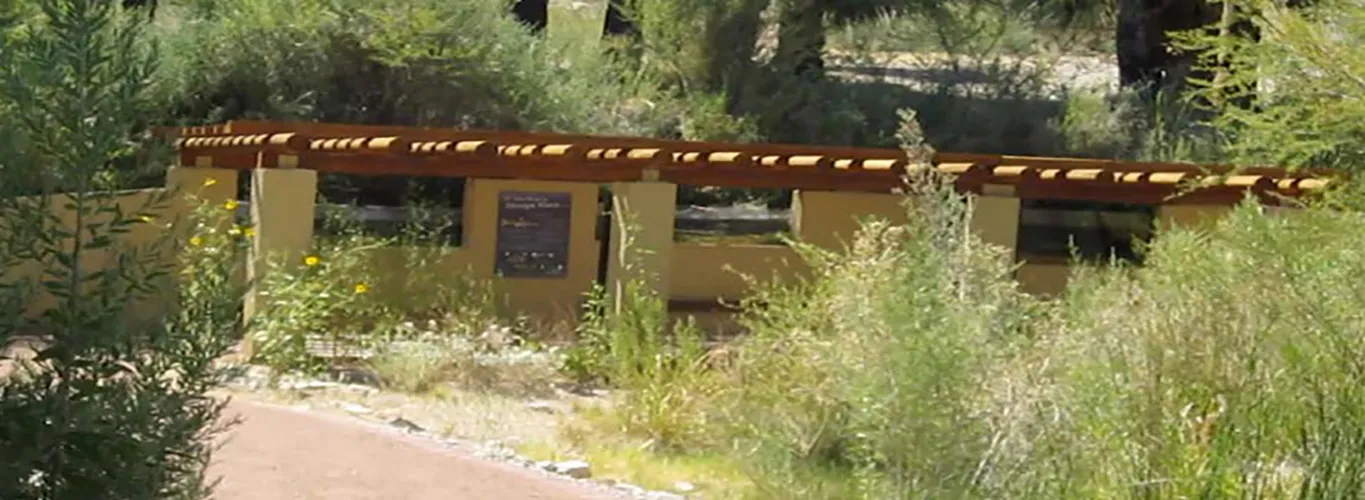
The visitor center is a practical introduction to the refuge's springs, wildlife and conservation story. Exhibits and a film help explain why the water and the species it supports matter. Ask staff about current closures, road conditions and which boardwalks suit your time and mobility needs.
The refuge is free to visit. Its visitor center and trails have different hours, so check the current schedule before leaving. Bring drinking water, sun protection and a map; this is a remote desert setting, and services are limited outside developed areas.
2. Walk to Crystal Spring
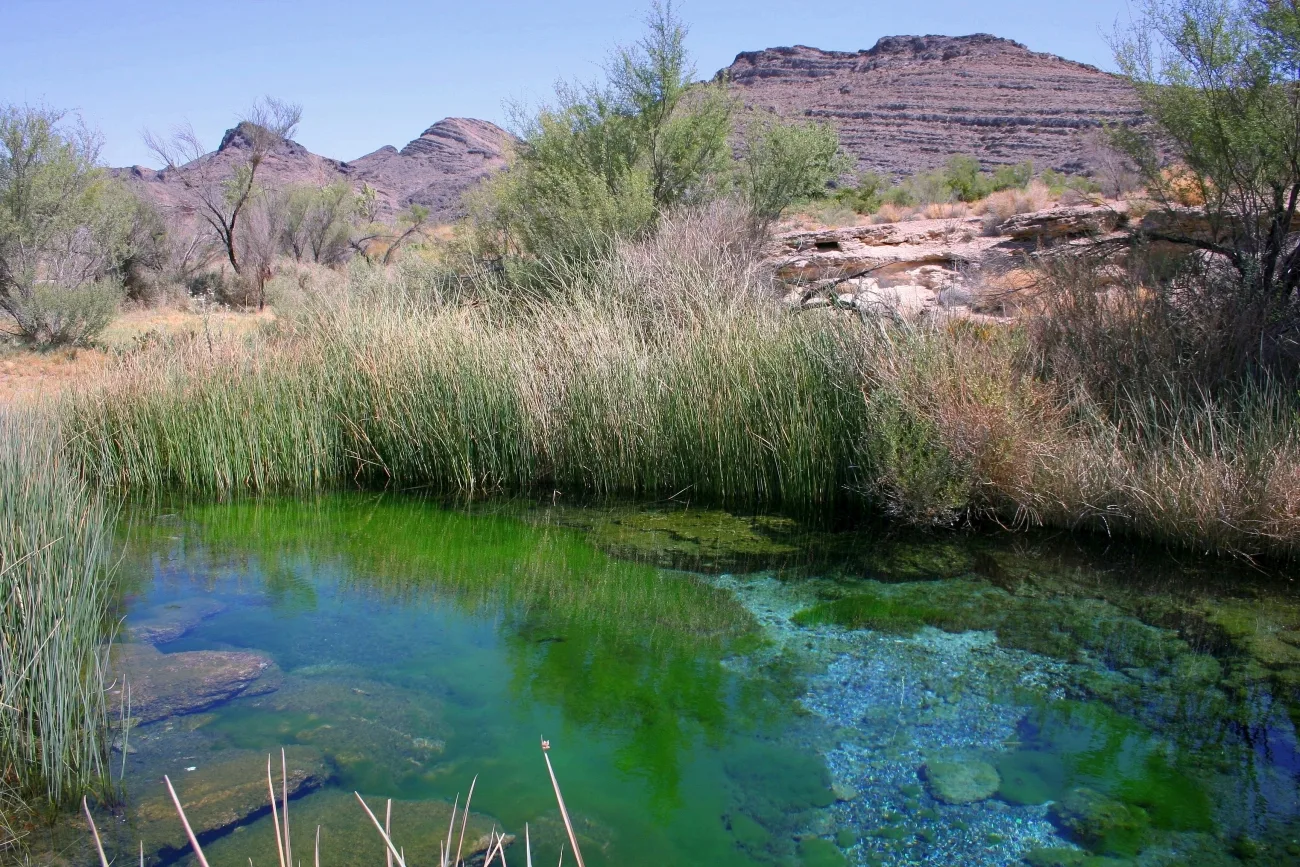
The Crystal Spring Boardwalk begins behind the visitor center and leads toward a clear blue spring pool. The U.S. Fish and Wildlife Service describes the boardwalk as approximately 0.9 mile round trip, with benches and interpretive signs along the way. The refuge lists it as wheelchair accessible and does not allow bicycles on the boardwalk.
Give yourself time to look for fish and notice the plants along the water. Stay on the boardwalk, do not enter the spring and leave wildlife undisturbed. The water supports a delicate ecosystem; the best close view is one that does not damage the habitat.
3. Learn about the refuge's rare species
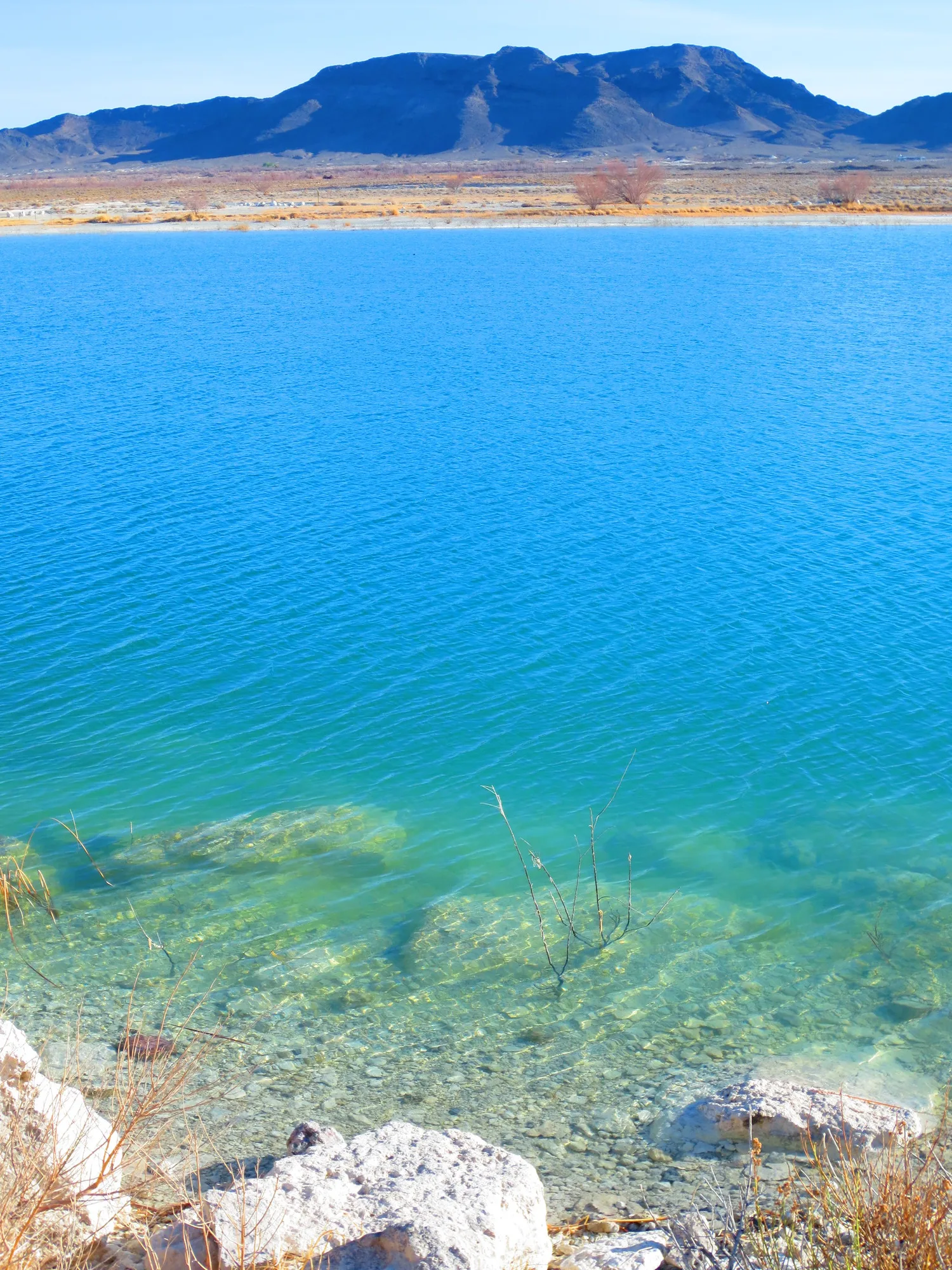
Ash Meadows protects spring-fed wetlands and alkaline desert uplands that support plants and animals found in a limited area. Interpretive signs introduce visitors to pupfish and the relationship between springs and life in the desert. Bring binoculars if you enjoy watching small wildlife, and keep a respectful distance.
The refuge's conservation work is part of the experience. Avoid feeding animals, collecting plants or leaving the designated route. Photographs and notes are good ways to remember a visit while keeping the springs and surrounding habitat intact for wildlife and future visitors.
4. Check Point of Rocks before making plans
Point of Rocks has a boardwalk and views of spring habitat, but access can be affected by construction. In its November 2026 visitor information, the Fish and Wildlife Service listed Point of Rocks Road and Boardwalk closed for rebuilding, with the closure scheduled through November 20. Check the current refuge notice for the actual reopening; schedules can change.
The same notice said Crystal Spring and Longstreet boardwalks remained open during the work. Treat that as a dated update and verify conditions before traveling. Longstreet Spring and Cabin offer another way to see the relationship between water and the area's human history when the route is open.
5. Prepare for the approach
The refuge recommends its west entrance from Highway 373 for passenger vehicles and RVs. Some alternative routes require high-clearance vehicles. Use official directions, check current road conditions and avoid assuming a navigation app's shortest route is the best choice for your vehicle.
Weather can change dirt-road conditions, and heat makes an unplanned delay more serious. Carry water, check your fuel and tires, and let someone know your plans if traveling through remote areas. Stay on roads and parking areas open to public use.
6. Leave time to notice the details
A first visit can center on the visitor center and Crystal Spring, adding another open boardwalk or viewpoint after checking conditions. The refuge's trails and boardwalks are generally open from sunrise to sunset, while the visitor center keeps separate hours. Confirm both before setting off.
The bright water is only the beginning of the story. Watch quietly, read the signs and consider how much life depends on these isolated springs. A slower visit is both more informative and gentler on a place protected for its remarkable habitat.