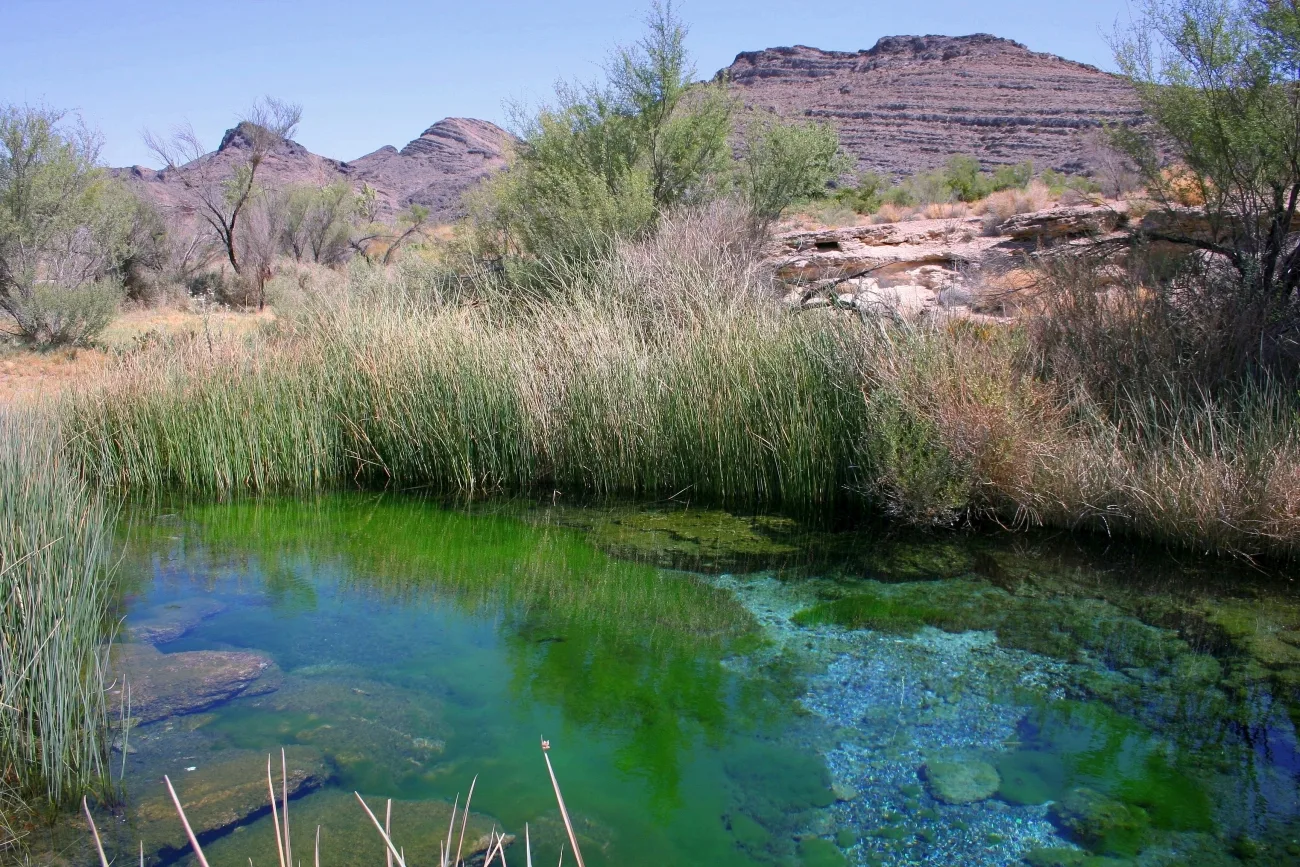
At Moapa Valley National Wildlife Refuge, a stream-viewing window offers a rare chance to look into a desert oasis rather than simply across it. Small native fish live in warm spring-fed water, while the surrounding trails introduce visitors to the plants and wildlife of southern Nevada. This compact refuge rewards a slow visit and advance planning.
1. Check the limited opening schedule
Moapa Valley National Wildlife Refuge is generally open Friday through Sunday, 8 a.m. to 4 p.m., from September through May. The refuge closes in June, July and August because of its small size, sensitive habitat and ongoing restoration. The Fish and Wildlife Service reported reopening for the 2026 season on September 4.
These hours can change for management or other reasons. Check the refuge's current visitor information before driving, especially around holidays or seasonal transitions. The refuge is about 60 miles northeast of Las Vegas near the Warm Springs area, with directions available from the agency.
2. Look through the stream-viewing window
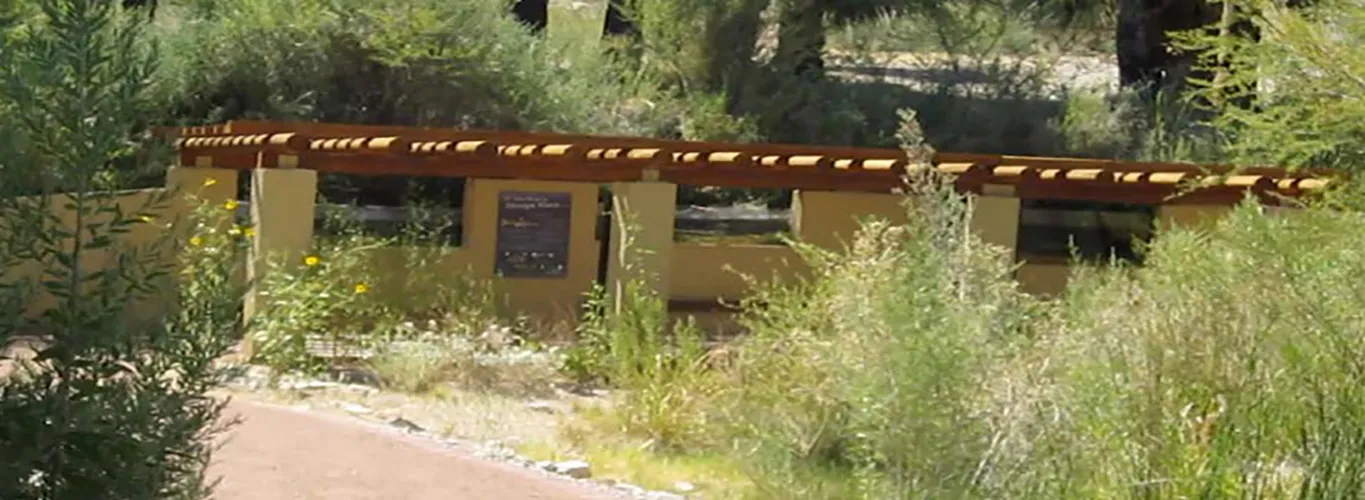
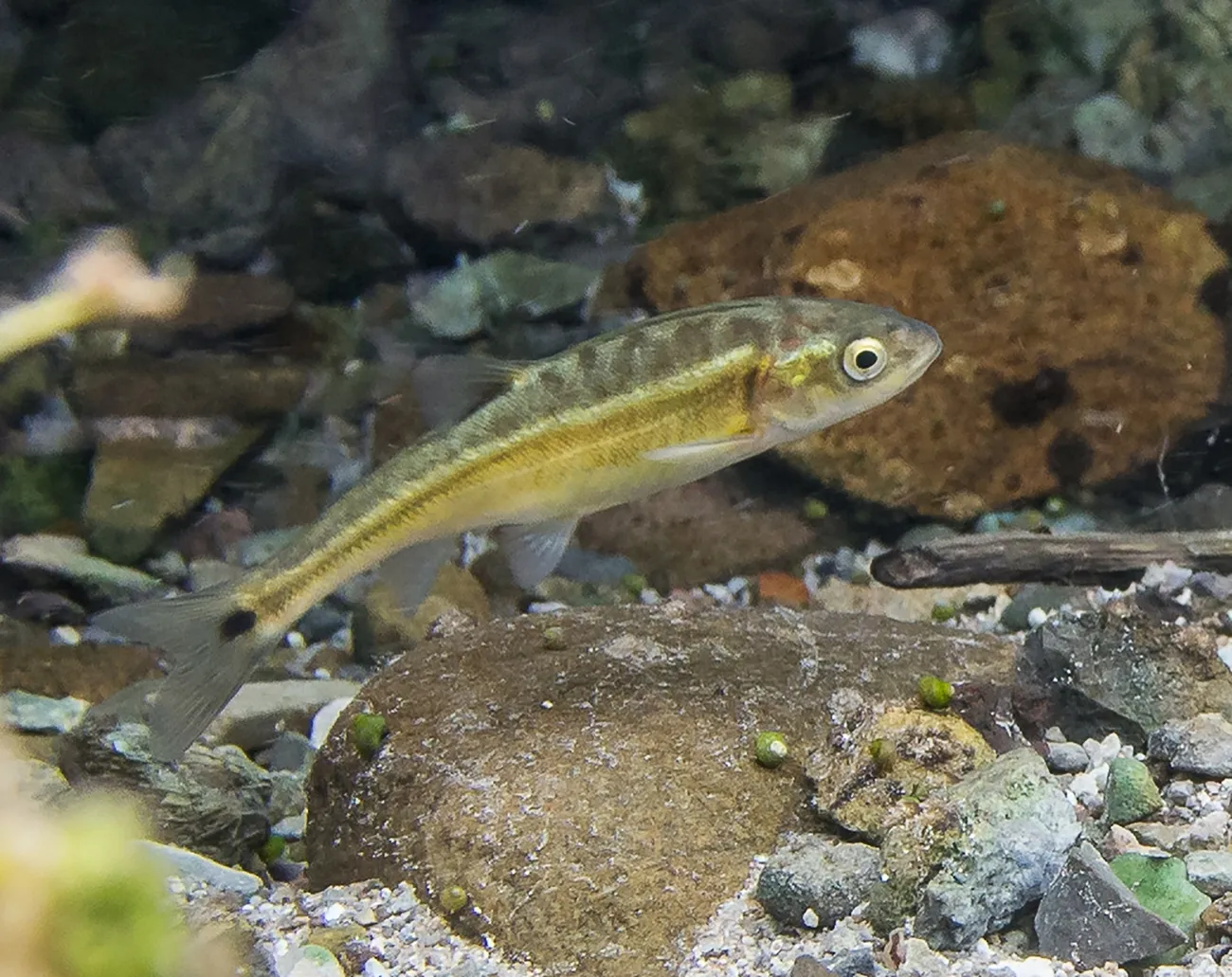
The viewing window provides a glimpse below the water surface, where visitors may see endangered Moapa dace, Moapa White River springfish and other aquatic life in their habitat. Take a moment to let your eyes adjust and watch quietly rather than expecting a particular fish to appear immediately.
The fish are part of a spring system that supports species found only in this region. Interpretive displays explain why these waters matter and how the refuge protects them. Keep hands and objects out of the water and follow all signs; the viewing experience depends on maintaining a healthy habitat.
3. Stroll through the oasis
The refuge recommends a streamside walk as a way to look for dragonflies, hummingbirds and other wildlife. The contrast between water-loving plants and the surrounding desert is part of what makes this small place distinctive. Bring binoculars for a closer look without approaching or disturbing animals.
Stay on designated trails, leave plants and wildlife undisturbed and carry out trash. Sightings vary by season and time of day, so the walk is best treated as an opportunity to observe rather than a promise of a particular encounter. A camera and a little patience can be more useful than a long checklist.
4. Take the Overlook Trail
The Overlook Trail leads to a higher perspective on the green valley oasis and surrounding mountains. The refuge provides interpretive information along the way. Ask staff about the trail surface and current conditions before setting out, and choose the route only if it fits your group's abilities and the weather.
Even a short desert walk requires water, sun protection and suitable shoes. Temperatures can rise quickly, and shade is limited away from developed areas. Check the forecast, allow time to return before closing and turn back if conditions become uncomfortable.
5. Make a relaxed visit of it
The refuge suggests bringing lunch for the pavilion, where picnic tables and shade make a useful break. Combine the viewing window, a streamside stroll and the overlook if time allows. Because the refuge is small, a leisurely visit can leave room to read the signs and appreciate the conservation work rather than rushing through.
Before departure, verify the opening schedule and directions on the official refuge page. Respect closures and private property around the refuge, and leave the spring habitat as you found it. Moapa Valley's attraction is its intimacy: a small protected place where a careful look reveals a surprisingly rich desert ecosystem.