Hoover Dam is a working piece of infrastructure and a major historic attraction on the Nevada-Arizona border. Visitors can see the dam from above, learn about the powerplant and explore the story of its construction. A little preparation helps you choose the right tour and understand how security, parking and the desert climate affect the day.
1. Understand what you are seeing
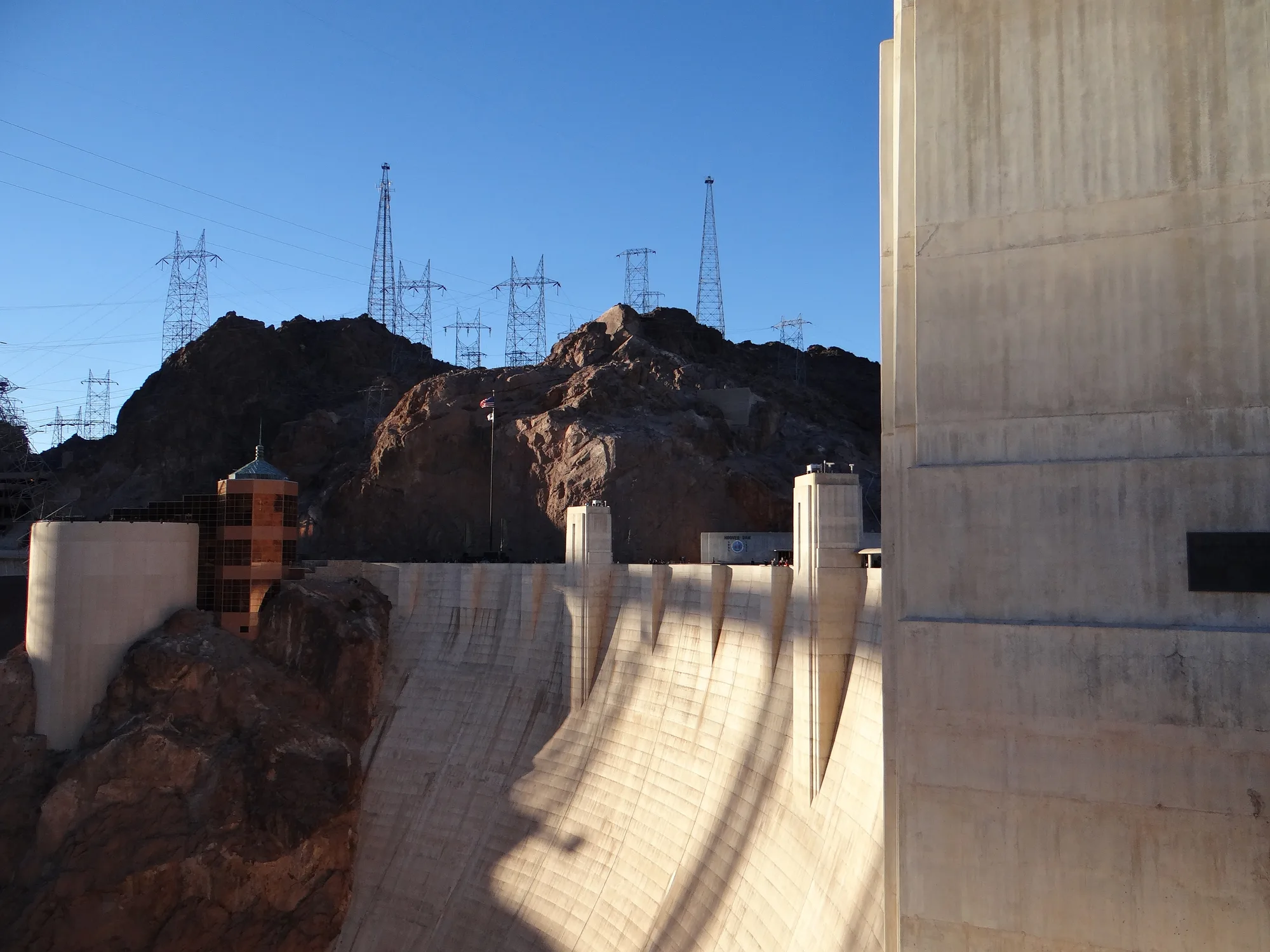
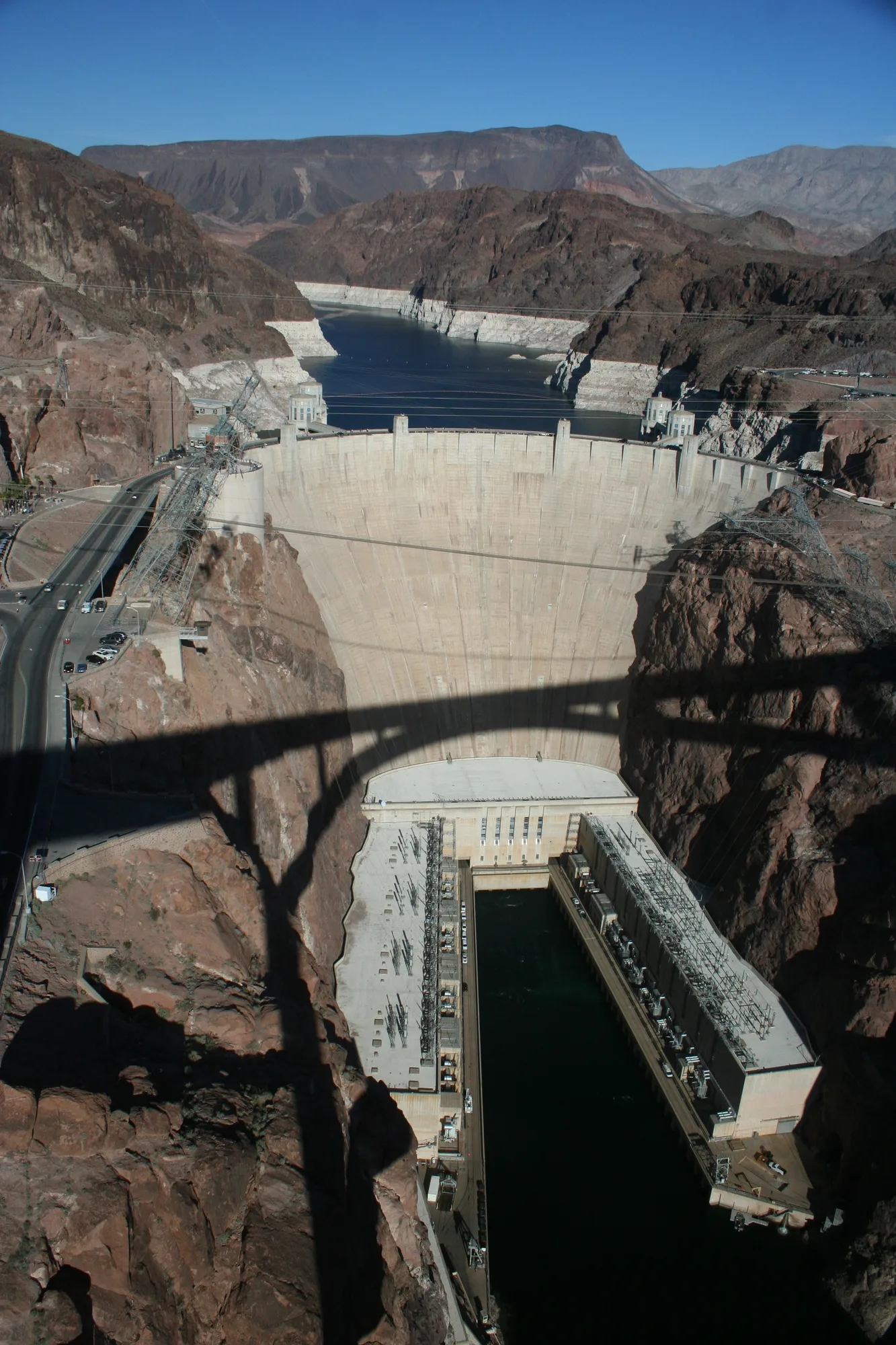
Built in the 1930s across the Colorado River, Hoover Dam impounds Lake Mead and generates hydroelectric power. The scale is easiest to appreciate when you notice the relationship between the concrete structure, the canyon and the water behind it. The dam and its reservoir also have lasting consequences for communities and ecosystems throughout the Colorado River Basin.
The Bureau of Reclamation operates the facility and its visitor program. Begin with official information about current hours and access, because maintenance and security needs can change. The dam and powerplant remain working facilities, so follow staff directions throughout your visit.
2. Choose a tour before you arrive
Reclamation offers several experiences, including a self-guided visitor center option, a guided powerplant tour and a longer guided dam tour. The powerplant tour includes a view of generators in the Nevada powerhouse; the longer tour adds historic tunnels and other areas. Each option has different access, timing and fees.
The agency says guided dam tour tickets must be purchased on site. Check the official tour page for current prices, availability, age restrictions and accessibility before traveling. A tour may sell out, and a party that needs step-free access should review the exact route rather than assuming all options have the same facilities.
3. Plan the drive and parking
Hoover Dam is about 30 miles southeast of Las Vegas. Reclamation directs Nevada visitors through Boulder City and onto the dam access road from I-11/US 93. The Nevada-side parking garage is near the visitor center; oversized vehicles and vehicles with trailers have different parking arrangements. Confirm current fees and rules before departure.
Allow time for vehicle inspection and visitor center security screening, especially on busy days. Visitors continuing into Arizona by highway must return to the bypass route rather than assuming the road across the dam is a through route. Check official directions and traffic conditions, and allow extra time around holidays.
4. Notice the history behind the view
Construction took place between 1931 and 1936, during the Great Depression. The dam's size reflects an immense engineering effort, but its history also includes the workers, families and communities whose labor and lives were connected to the project. Visitor center exhibits provide a useful place to explore that context.
Look for the contrast between the older dam and the newer Mike O'Callaghan–Pat Tillman Memorial Bridge downstream. The bypass carries highway traffic over the canyon. A view from the bridge and a view from the dam reveal different parts of the landscape; check current pedestrian access and parking information before adding the bridge to your itinerary.
5. Prepare for heat and changing access
Southern Nevada heat can be intense, and even a visit focused on buildings involves walking outdoors between parking, security and viewpoints. Carry water, wear sun protection and choose comfortable shoes. Wind and cooler temperatures can also make layers useful in other seasons.
The dam temporarily closed to visitors in July 2026 for cableway repairs and reopened July 31, according to Reclamation. That episode illustrates why an older travel guide cannot guarantee today's access. Check the operator's latest notices immediately before your trip and leave flexibility in your schedule.
6. Pair the dam with a thoughtful nearby stop
Boulder City and Lake Mead National Recreation Area offer ways to extend the day. Lake Mead's Historic Railroad Trail follows a route connected to dam construction, although the exposed desert trail requires careful attention to heat and water. The full out-and-back walk is substantially longer than a quick tunnel photo stop.
Whether you choose a tour or a shorter visit to the exhibits, allow time for security and travel rather than trying to fit everything into one rushed hour. Official Reclamation information is the best source for the tour schedule, current restrictions and operating conditions on the day you go.