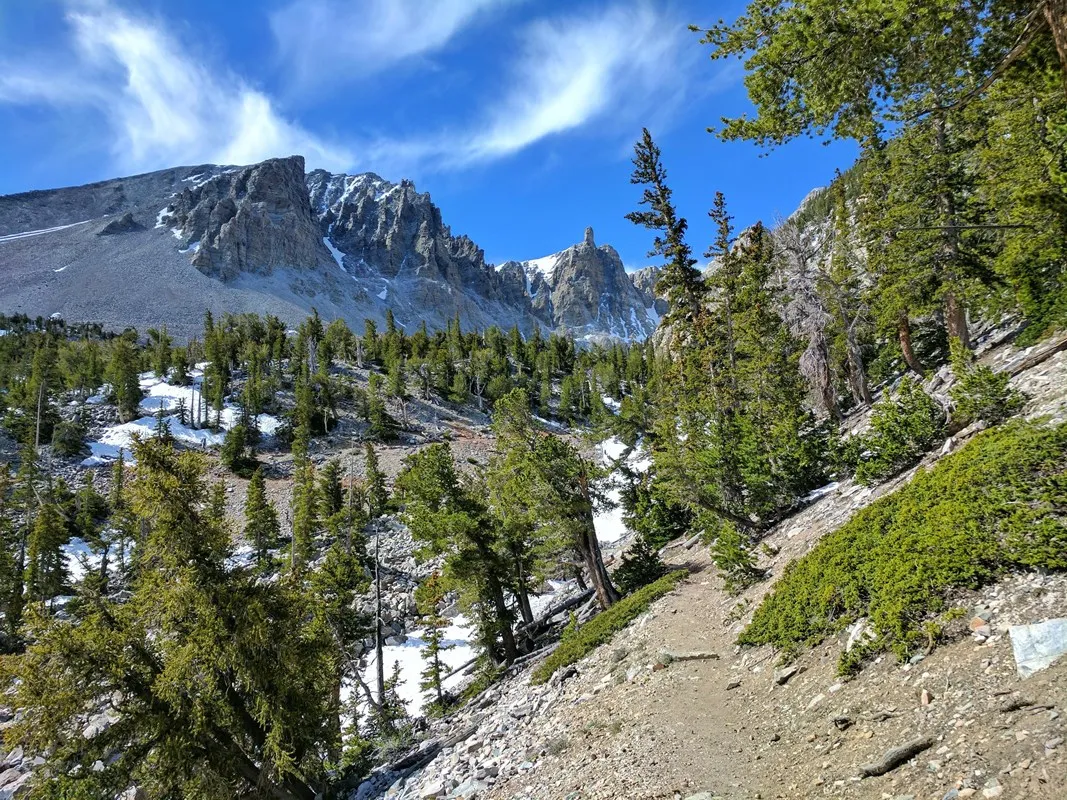
North of Las Vegas, Desert National Wildlife Refuge protects a surprisingly varied landscape of springs, desert basins and mountain ranges. The easiest introduction begins at Corn Creek, where a visitor center and trails offer a glimpse of life in the Mojave. Farther into the refuge, the roads become remote and require much more preparation.
1. Begin at the Corn Creek Visitor Center
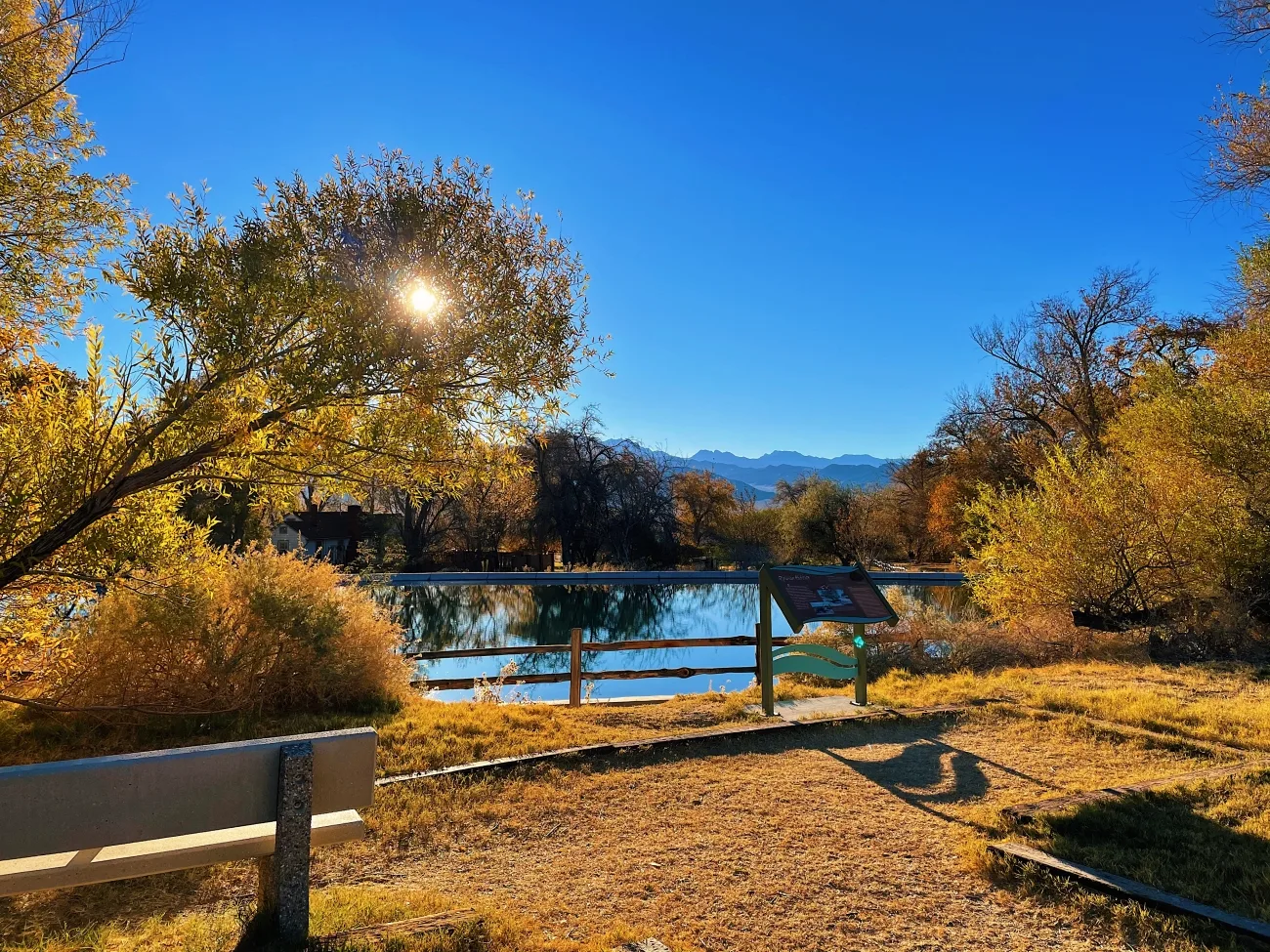
The Corn Creek Visitor Center is the best starting point for a first visit. Exhibits introduce the refuge's wildlife and human history, and staff or volunteers can help with maps, current road conditions and suitable activities. The U.S. Fish and Wildlife Service lists a nature store and a short orientation video among the visitor center's features.
Check the current hours before leaving; the refuge lists Thursday through Monday hours, but schedules can change. Corn Creek Road is reached from US 95, and the paved approach continues to the visitor center. Use the official directions and make sure your map points to Corn Creek rather than the refuge's administrative headquarters.
2. Walk the Corn Creek trails
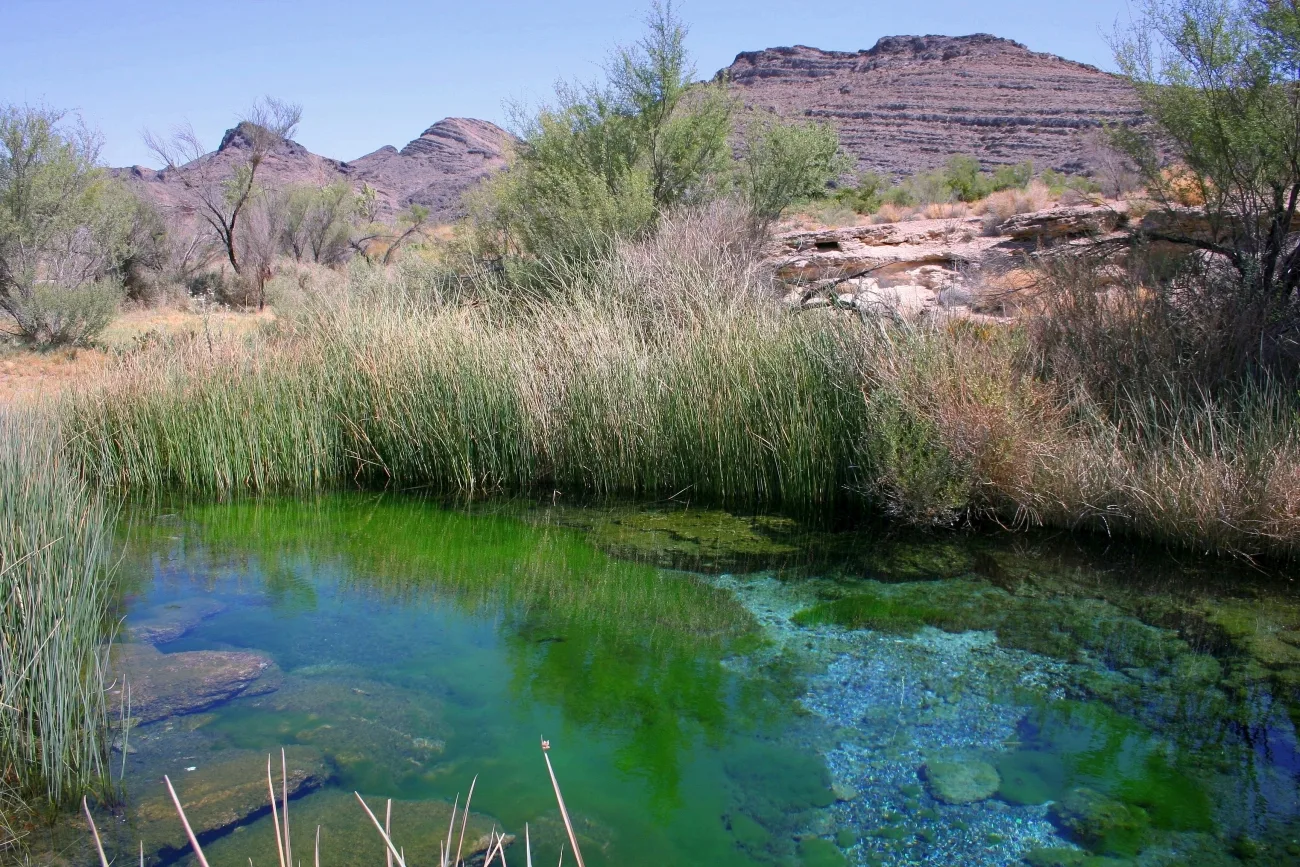
About 1.5 miles of trails wind through habitats behind the visitor center. Springs support vegetation that contrasts with the surrounding desert, making the area a rewarding place to slow down, look for birds and notice the role water plays in the landscape.
Along the trail system, visitors can learn about endangered Pahrump poolfish in the refugium and see a historic cabin built with railroad ties. Ask at the center about the most suitable route and accessibility for your group. Follow posted signs, remain on designated paths and leave plants, rocks and cultural objects in place.
3. Look for wildlife without approaching
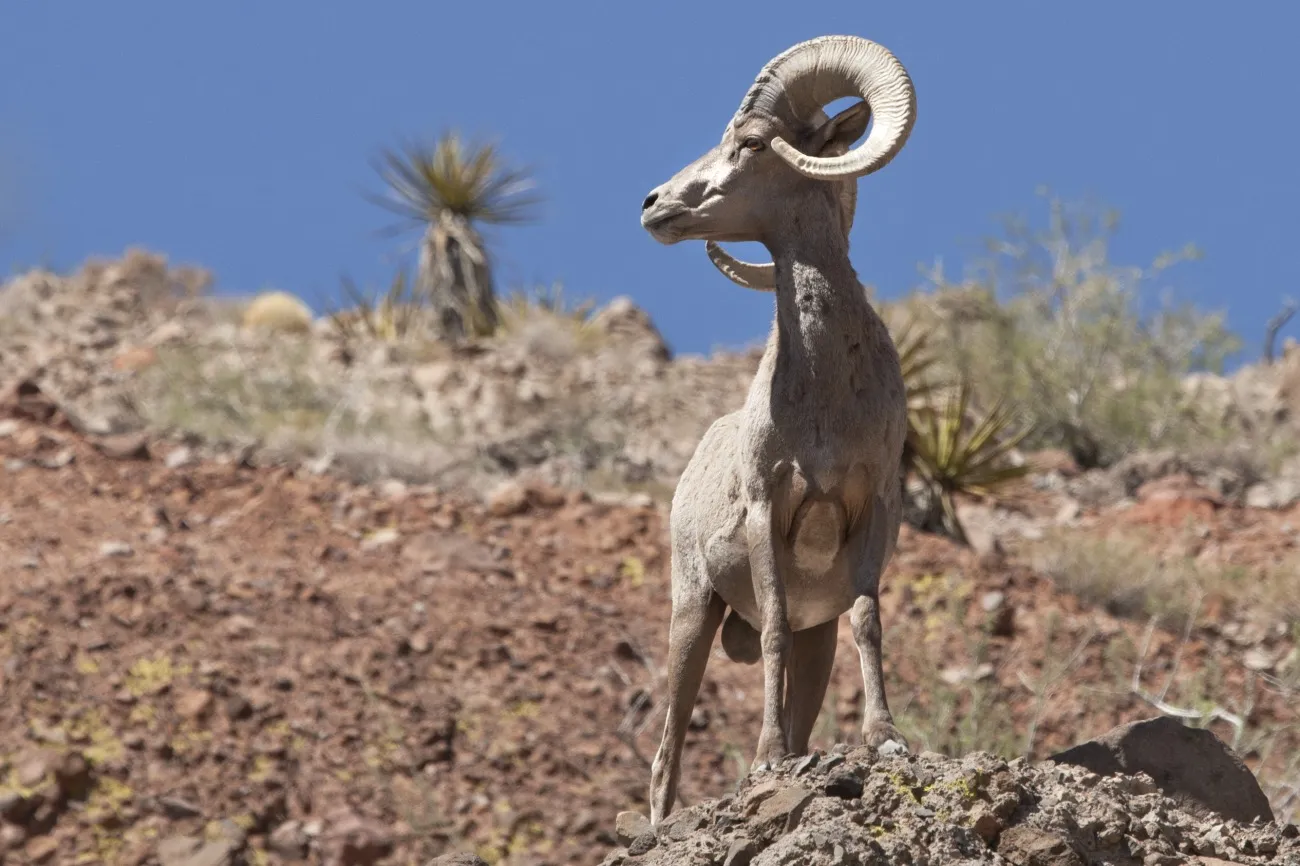
The refuge was established to protect desert bighorn sheep and provides habitat for many other animals. Sightings are never guaranteed, and binoculars help you observe without disturbing wildlife. Watch quietly from a distance, never feed animals and give them room to move away.
Birdwatching around Corn Creek can be a rewarding alternative if larger animals remain out of sight. The best wildlife encounter may be a brief glimpse rather than a close photograph. Ask refuge staff about seasonal opportunities and current rules before bringing pets or entering sensitive areas.
4. Take backcountry roads seriously
The refuge's scale can be deceptive. Alamo Road stretches more than 70 miles toward the Alamo area, and sections can become impassable or close because of hazardous conditions. Alternate entrances do not always connect through to the visitor center. Check current conditions directly with the refuge before assuming a road is open.
Beyond Corn Creek, the Fish and Wildlife Service calls for a high-clearance vehicle and suggests four-wheel drive. Carry a usable spare tire, water, fuel and appropriate emergency supplies; flat tires are a common problem, and cell service is extremely limited. Tell someone where you are going and when you expect to return. A relaxed Corn Creek visit is a worthwhile choice if your vehicle or experience is not suited to remote roads.
5. Plan around the gate and the desert
The Corn Creek entrance gate generally opens around 4 a.m. and closes at sunset. The refuge says vehicles can exit after sunset using the gate sensor, but late arrivals should not assume they can enter after it closes. Corn Creek trails are listed as open from sunrise to sunset; verify current hours and any temporary closures before traveling.
Bring water, sun protection and layers, and consider an early or cooler-season walk when temperatures are high. Check forecasts, allow time to return and leave the refuge as you found it. From an accessible walk near the visitor center to a carefully planned backcountry excursion, Desert National Wildlife Refuge offers a quieter way to experience southern Nevada's wildlife and mountains.