At Great Basin National Park, the experience does not have to end when the sun drops behind the mountains. Far from many large cities, the park is known for dark skies and seasonal ranger astronomy programs. A little preparation can turn an evening outside into one of the most memorable parts of a Nevada trip.
1. Choose a clear night and check the moon
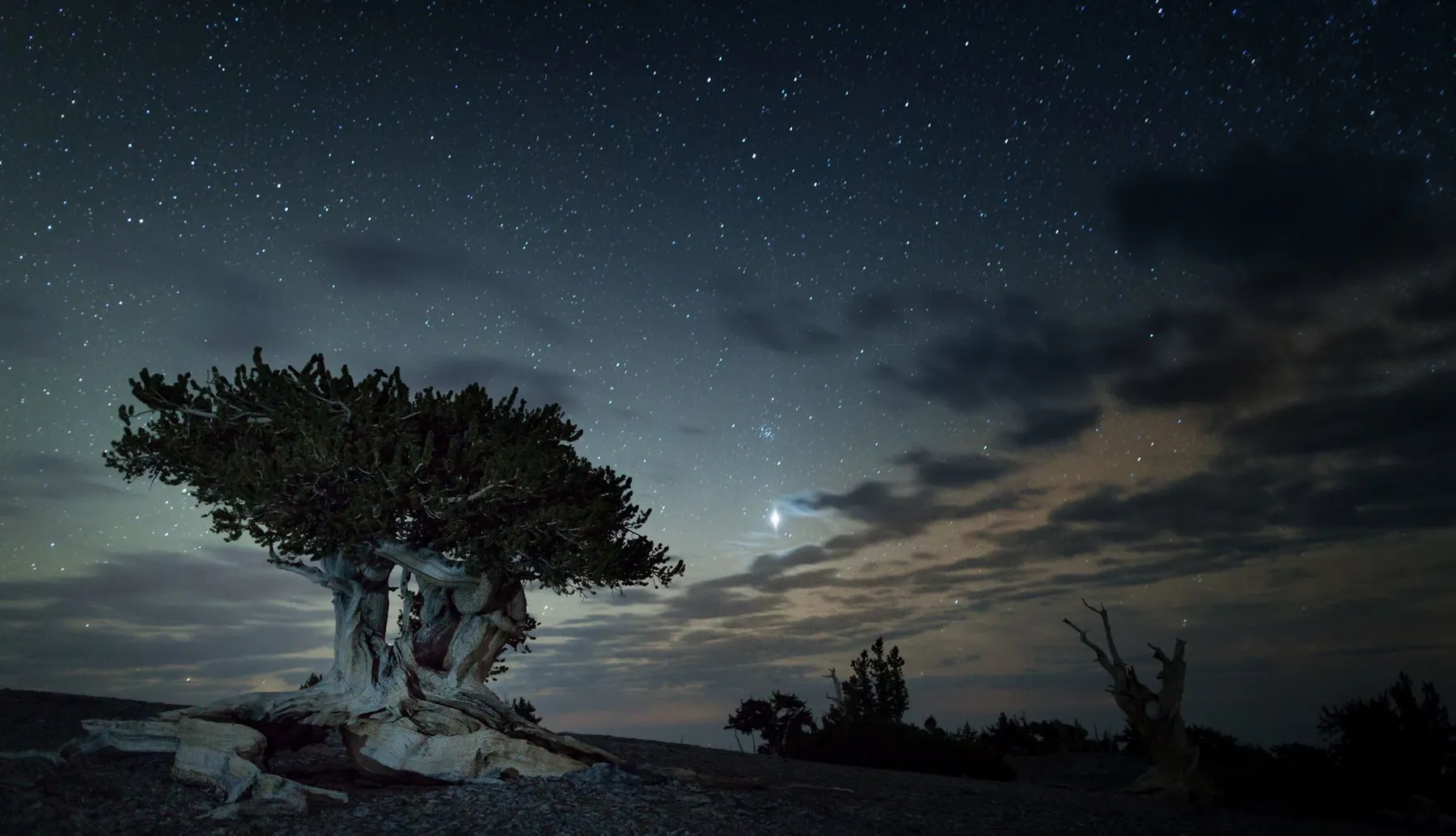
Clouds, smoke and the moon's brightness all influence what you can see. The National Park Service recommends checking the forecast and moon phase: a bright full moon can make faint objects harder to distinguish, while a darker, clear night offers better conditions for spotting subtle features.
Do not worry if your trip does not coincide with a new moon. The moon itself, bright planets and familiar constellations can still make a rewarding evening. Give the sky time and let your eyes adjust gradually to darkness. A comfortable chair or blanket encourages a slower, more patient look.
2. Look for a ranger-led astronomy program
Great Basin's astronomy rangers offer seasonal programs, including events at the Astronomy Amphitheater. The park describes regular summer programs roughly between Memorial Day and Labor Day, but the schedule changes. Check the current NPS calendar and arrive with time to park; programs have capacity limits.
The park asks visitors to avoid white flashlights and phone lights in the amphitheater after sundown. Follow the current program rules and staff directions, keep paths clear and watch for trip hazards. A red light can help preserve night vision, but use the minimum light needed to move safely.
3. Find your way around the sky
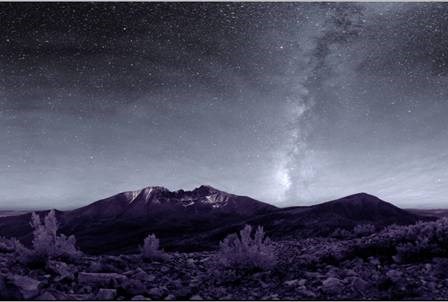
A simple star chart can help identify constellations and prominent objects visible in the season of your visit. The Milky Way may appear as a diffuse band rather than the vivid colors often seen in long-exposure photographs. In summer, the direction toward the galaxy's center can make the band more conspicuous on a clear, dark night.
You do not need a telescope to begin. Start by looking for patterns, noticing how the sky changes and allowing your eyes time to adapt. Binoculars can reveal additional detail, while a ranger program offers an opportunity to learn from someone familiar with the local sky. Meteor showers happen at particular times of year, but sightings are never guaranteed.
4. Dress for the mountain, not the afternoon
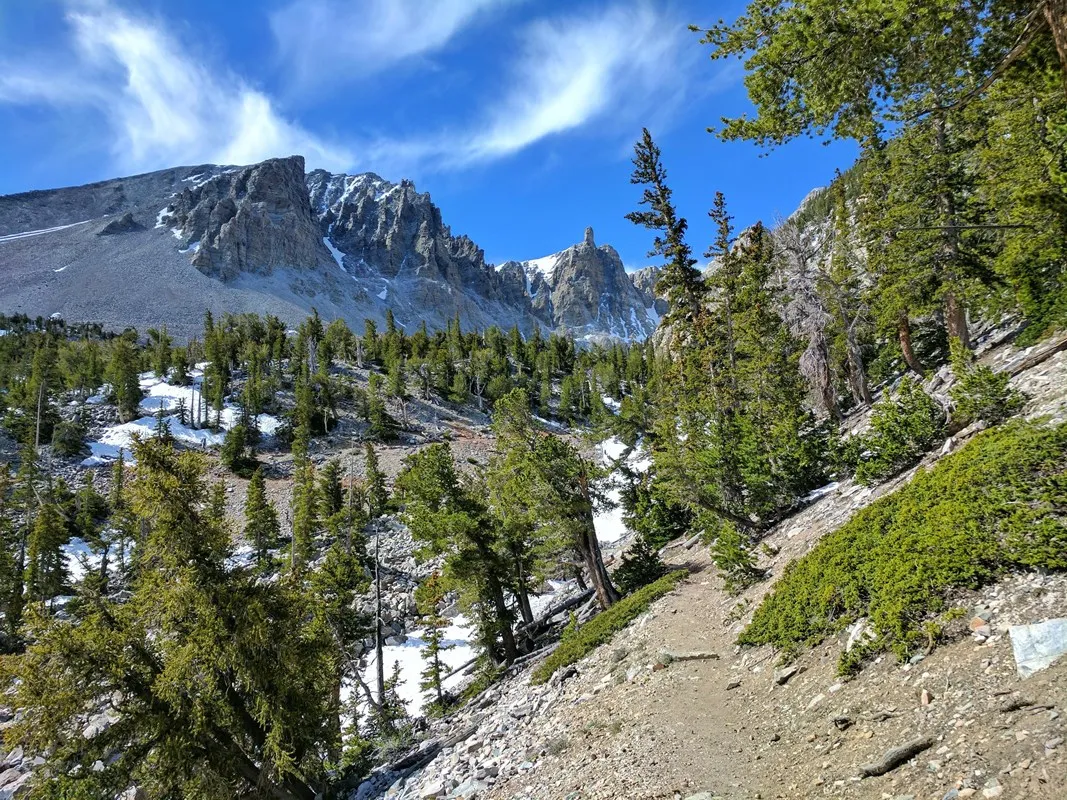
Great Basin spans a wide range of elevations, and temperatures can fall sharply after sunset. Bring warm layers, sturdy shoes, water and a safe light even if the day was pleasant. Check the park's road and weather reports before choosing a location; the high Wheeler Peak Scenic Drive closes seasonally and after snowfall.
Choose a legal parking area, keep roads and emergency access clear, and avoid wandering near steep drop-offs in darkness. Cell service can be unreliable, so download directions and tell someone your plans. If camping, check the park's reservation requirements and current campground conditions in advance.
5. Help protect the darkness
Great Basin was recognized as an International Dark Sky Park in 2016. Dark skies are part of the park's environment as well as a visitor attraction; artificial light can affect nocturnal wildlife. Shield lights, point them downward and switch them off when they are not needed.
Be considerate of other visitors and wildlife, pack out trash and follow posted rules. If weather prevents stargazing, use the time to explore the park's caves, mountain scenery or visitor center during the day and try another night when conditions improve. Check the current program calendar and alerts before leaving so your plans fit the season.