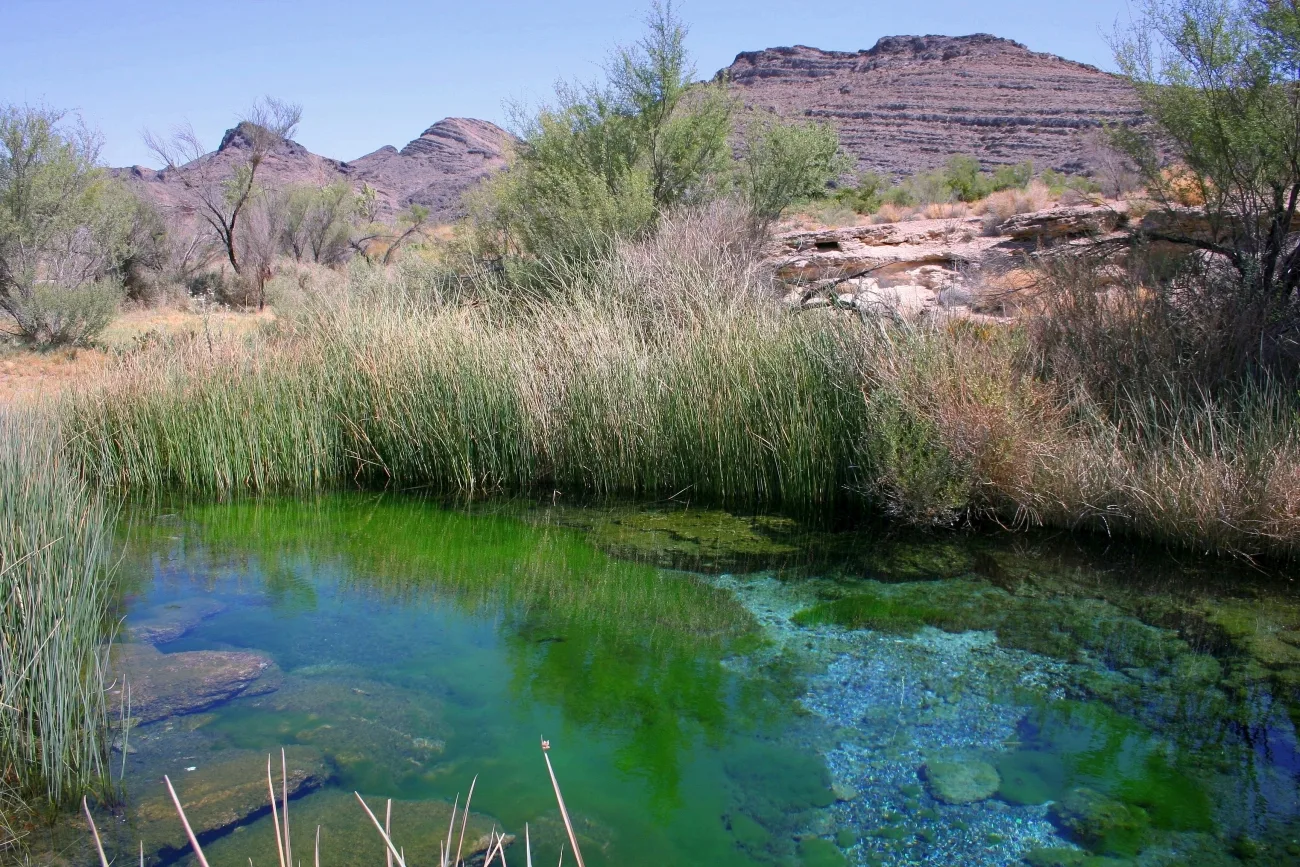
In a dry stretch of southern Nevada, Pahranagat National Wildlife Refuge offers lakes, marshes and cottonwoods along a major route for migrating birds. It is a place to slow down on a drive along US 93, whether you have a few minutes for a lakeside view or enough time to explore on foot.
1. Start with the story of the water
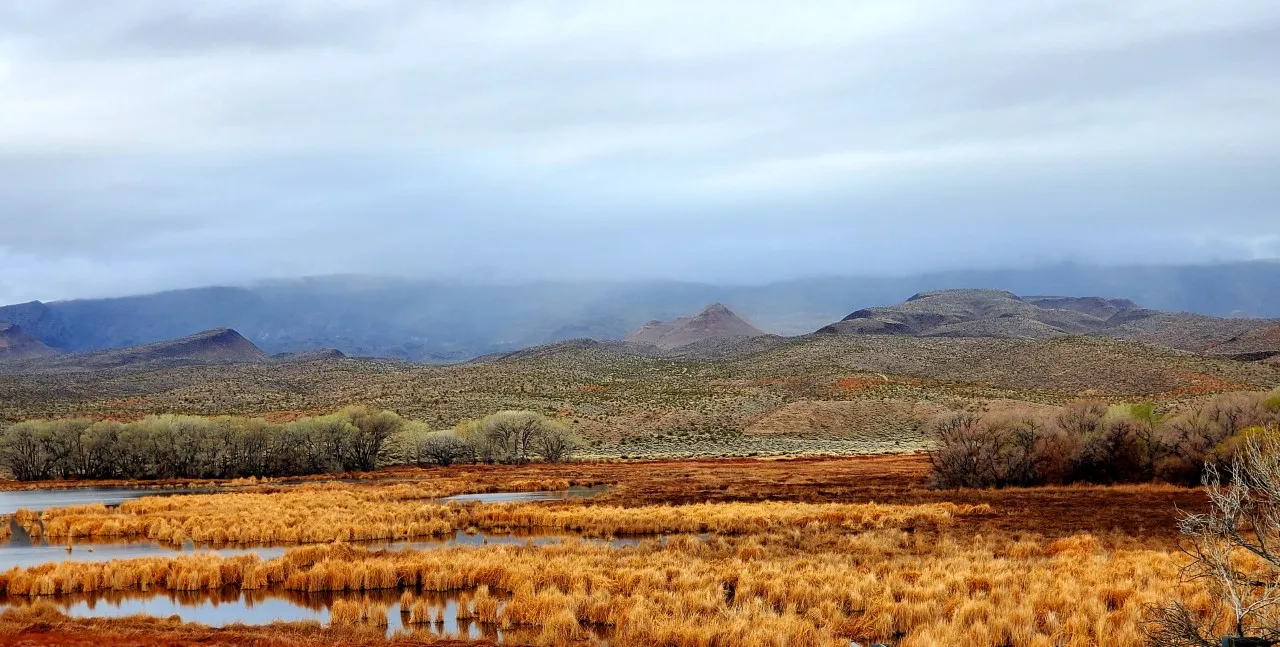
Pahranagat's wetlands are fed by water from Crystal and Ash Springs. The U.S. Fish and Wildlife Service describes lakes, marshes and wet meadows surrounded by desert uplands—a striking combination in a region that receives relatively little rain. The refuge is near Alamo, along US 93.
Stop at the visitor center when open for exhibits, maps and local advice. The refuge lists different winter and summer center schedules, so confirm current hours before making it a fixed part of your day. Trail access and visitor center hours are different; bring a map and supplies even if the building will be closed.
2. Look for birds at Upper Pahranagat Lake
The refuge is a stopover for waterfowl and songbirds migrating along the Pacific Flyway. The mix of birds changes with the season, weather and water conditions. Bring binoculars, take your time and watch quietly from designated areas. A field guide or birding app can add to the visit without requiring you to approach wildlife.
Upper Pahranagat Lake is a useful starting point, with a day-use and picnic area nearby. Early morning and late evening can be good wildlife-watching times, but sightings are never guaranteed. Keep a respectful distance, do not feed animals and avoid disturbing nesting or resting birds.
3. Choose a walk for your available time
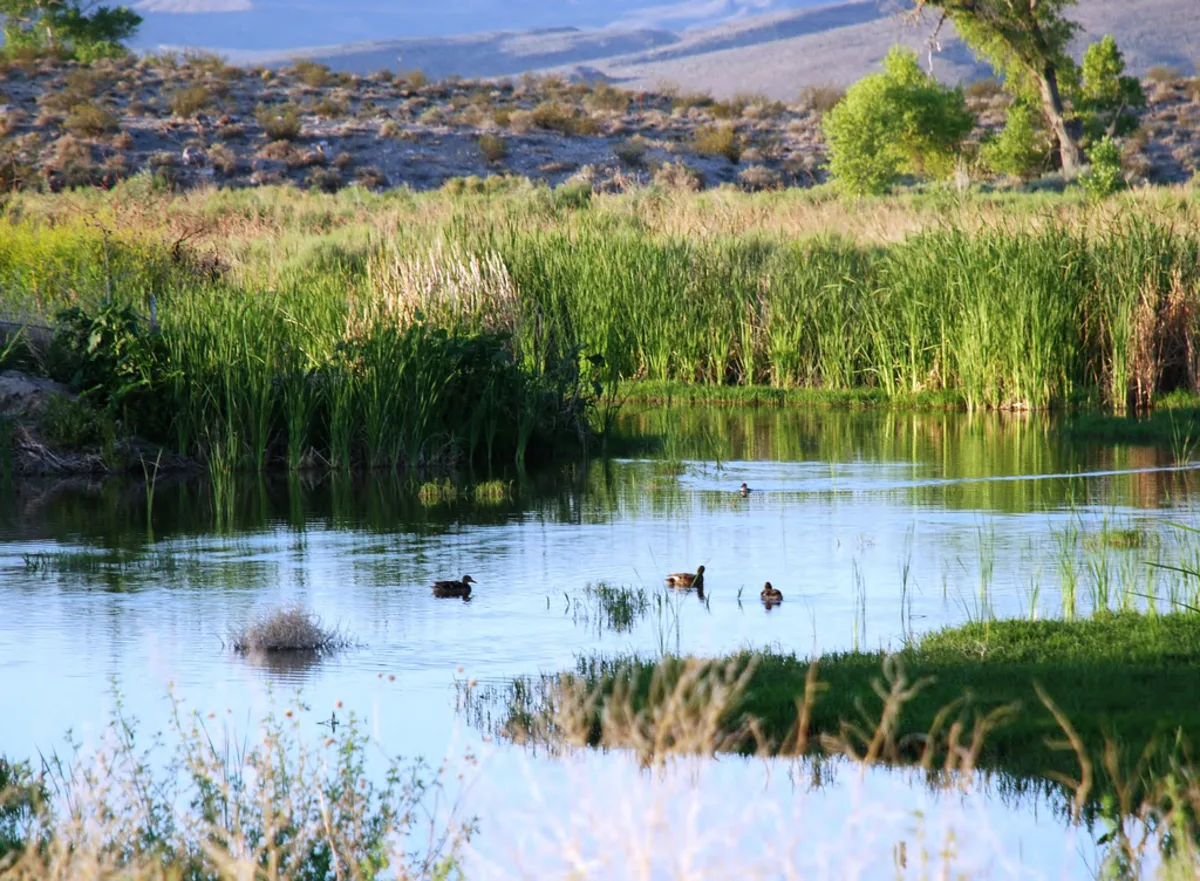
The refuge offers several routes with different lengths and views. A short walk near the visitor center can fit a road-trip break, while the Upper Lake and Davenport trails provide a longer outing. The Fish and Wildlife Service describes Davenport as a moderately challenging route that climbs into drier upland habitat with views toward the lake.
Check the current trail map, surface and distance before starting. Most trails are packed gravel or dirt, so comfortable walking shoes help. Carry water and sun protection, and be prepared for insects near the wetlands. Turn back if heat, weather or the condition of the path makes the outing unsuitable.
4. Understand seasonal access
Wildlife protection and recreation share this refuge. Some parts of Middle Marsh and Lower Lake have different access during hunting season; consult the current refuge rules and maps before going. Boating, fishing and camping also have specific restrictions and may require separate planning or licenses.
The refuge lists nonmotorized boats and boats with electric motors on Upper Lake during a designated season, but rules and conditions can change. Verify current dates, access and water conditions directly with the refuge. Use only permitted areas and carry out everything you bring.
5. Make the most of a quiet stop
With a short window, visit the center if it is open, take a brief trail and pause at Upper Lake. With half a day, add a longer walk and time for birdwatching rather than rushing between stops. Bring water, sunscreen and a camera, and allow room in the schedule for changing weather.
The refuge's trails are generally open from sunrise to sunset, while visitor center hours vary by season. Check the Fish and Wildlife Service's current information before departure. Pahranagat is most rewarding when you give the wetlands time to reveal themselves and leave the habitat undisturbed for the wildlife that depends on it.