Las Vegas is a useful base for exploring southern Nevada's desert, but the best day trips do not all look alike. Within reach are Ice Age fossil beds, a wildlife refuge, a historic railroad trail, one of the country's best-known dams and a spring-fed oasis. These five ideas are best treated as separate outings or combined carefully, with enough time for the drive and the weather.
1. Tule Springs Fossil Beds: An Ice Age landscape at the city's edge
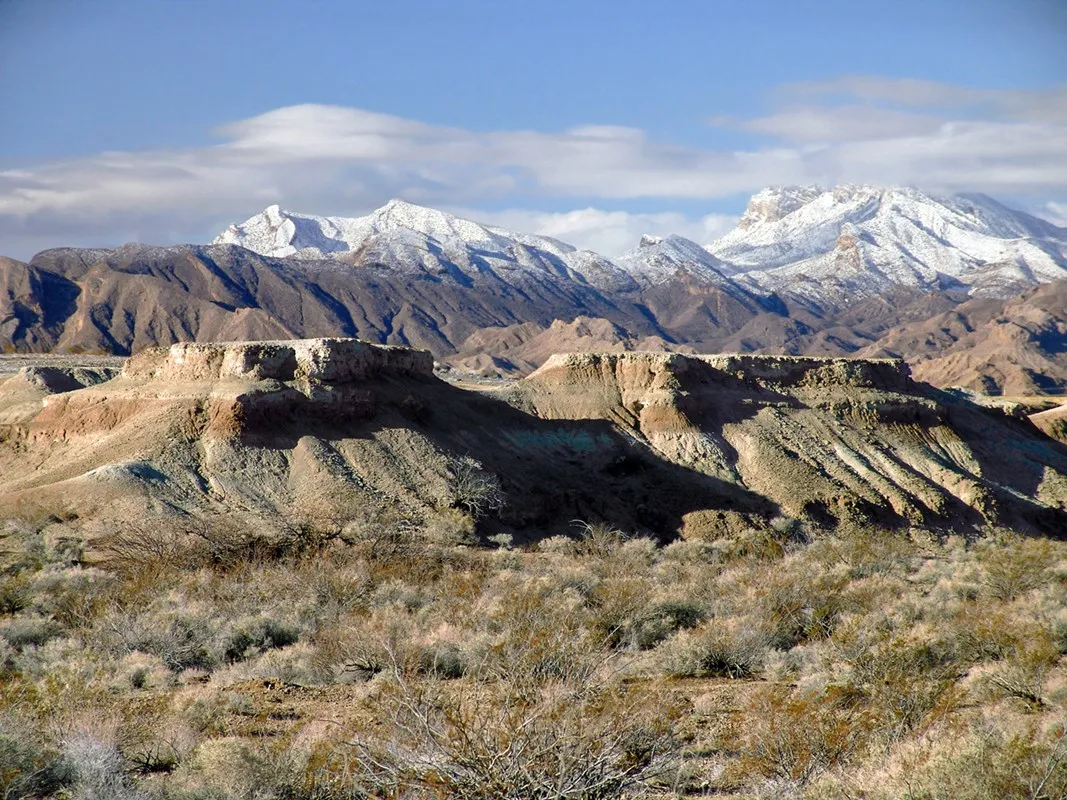
Tule Springs Fossil Beds National Monument preserves evidence of a wetter past in what is now the northern Las Vegas Valley. Fossils found in the area's sediments include remains of mammoths, ancient camels and other animals. The present-day landscape is open Mojave Desert, so bring water and sun protection and explore in conditions appropriate for your group.
The monument has no on-site visitor center, restrooms, water stations or shade structures. Use the NPS trail map and cross-street directions for the Durango or Aliante entrances rather than the monument's mailing address. If you think you find a fossil, leave it in place, photograph it and inform park staff; collecting or digging requires an approved scientific permit.
For identified fossils and more context, check the hours and fees at the nearby Ice Age Fossils State Park visitor center. The two sites are separate and make a useful pairing for a family interested in prehistoric Nevada.
2. Desert National Wildlife Refuge: Springs, birds and mountains
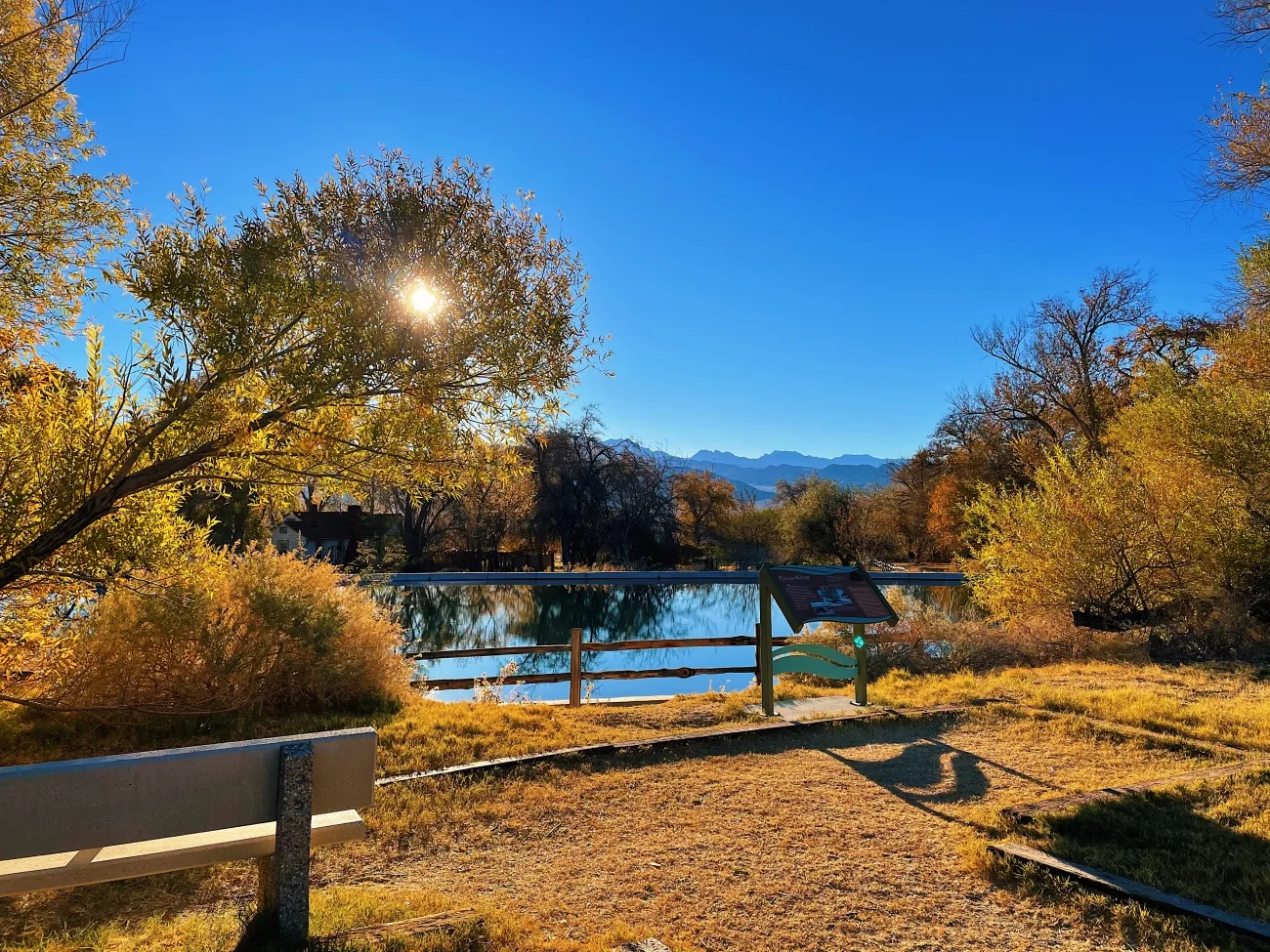
Corn Creek is the logical first stop at Desert National Wildlife Refuge. A visitor center and approximately 1.5 miles of trails introduce the spring-fed habitat and the wildlife that depends on it. Look for birds, visit the exhibits and learn about the endangered Pahrump poolfish. Bighorn sheep live in the refuge, but a sighting should never be assumed.
The refuge is much larger than the area around the visitor center. Roads beyond Corn Creek can be remote and rough; the Fish and Wildlife Service calls for high clearance and suggests four-wheel drive. Check conditions, carry a spare tire and supplies, and do not assume alternate entrances connect through. For a relaxed first trip, the Corn Creek area offers plenty to see without a backcountry drive.
Check visitor center hours and the entrance gate schedule. Bring binoculars, stay on designated trails and give wildlife room. A quiet morning here can be a refreshing contrast to a busy city itinerary.
3. Lake Mead: A trail through the story of a dam
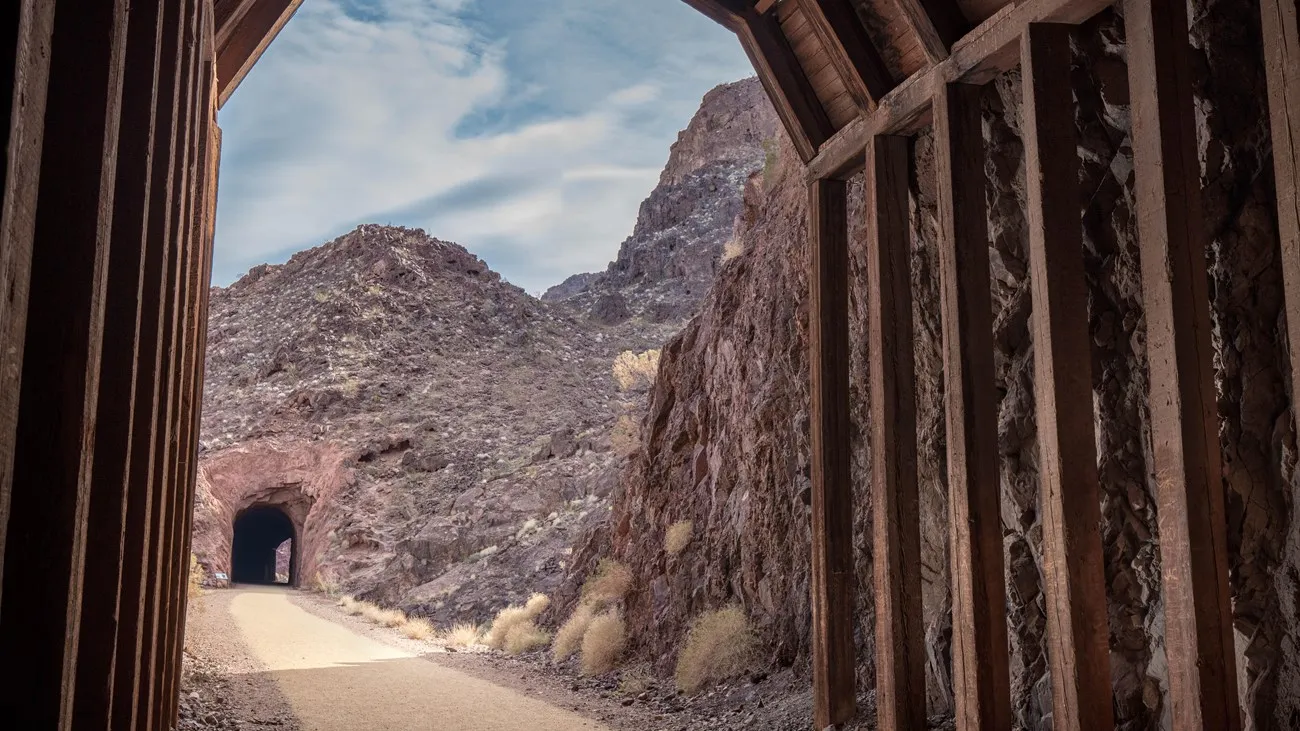
Lake Mead National Recreation Area combines reservoir views, desert roads and history. The Historic Railroad Trail follows a former route used to transport materials for Hoover Dam construction. Five tunnels and views of Boulder Basin make it distinctive, but the complete out-and-back route is approximately 7.5 miles.
The National Park Service does not recommend the exposed trail in summer because of extreme heat. Visit in cooler conditions, carry water and turn around whenever needed; you do not have to complete the full route. Lakeshore and Northshore roads offer a different way to see the landscape, with designated pullouts and picnic areas.
Entrance fees apply, and storms can affect roads and water activities. Check current alerts and, if boating, the status of your specific launch. The recreation area is extensive, so choose a few stops rather than expecting to cover it all in one day.
4. Hoover Dam: An engineering landmark with working machinery
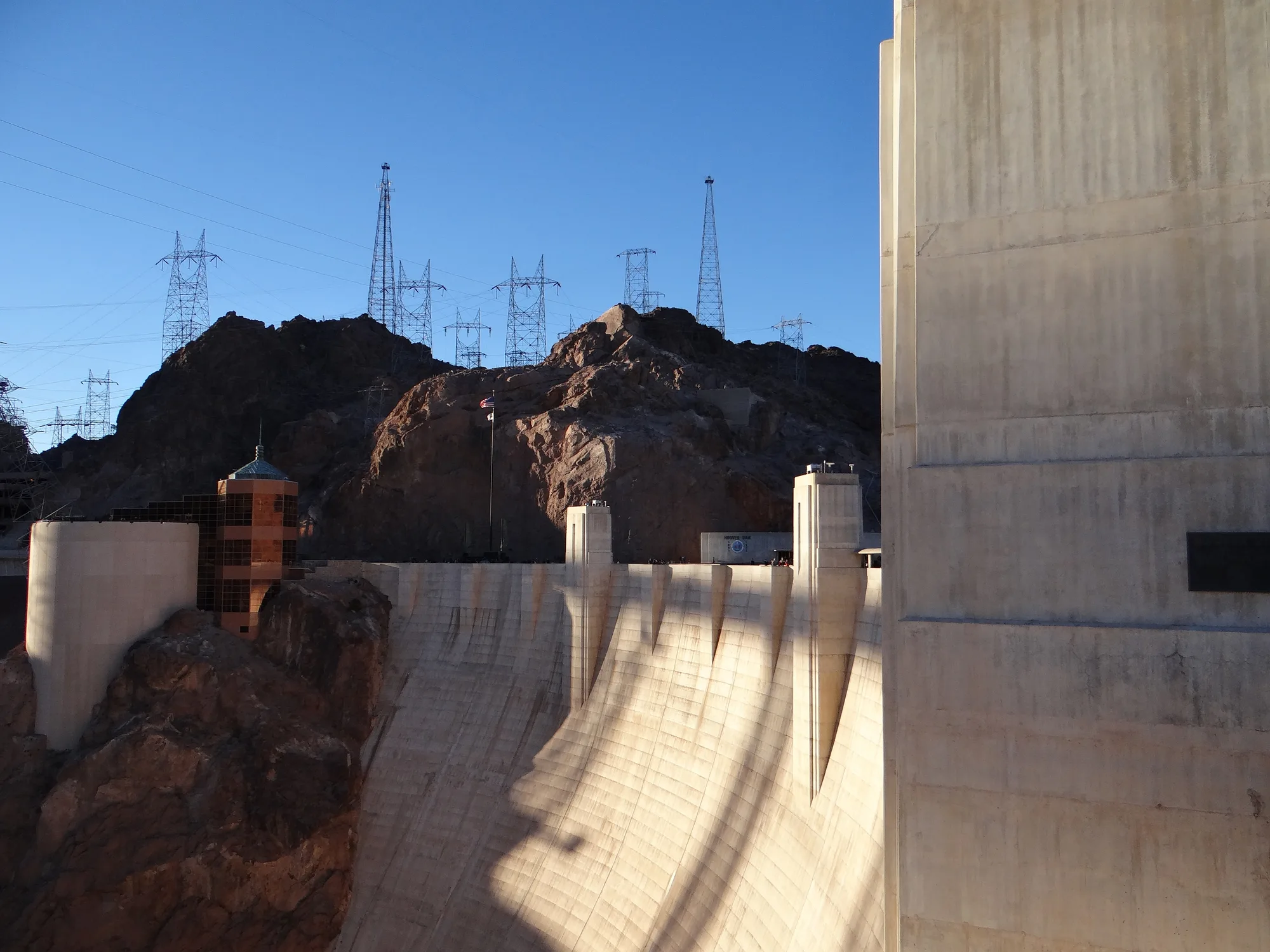
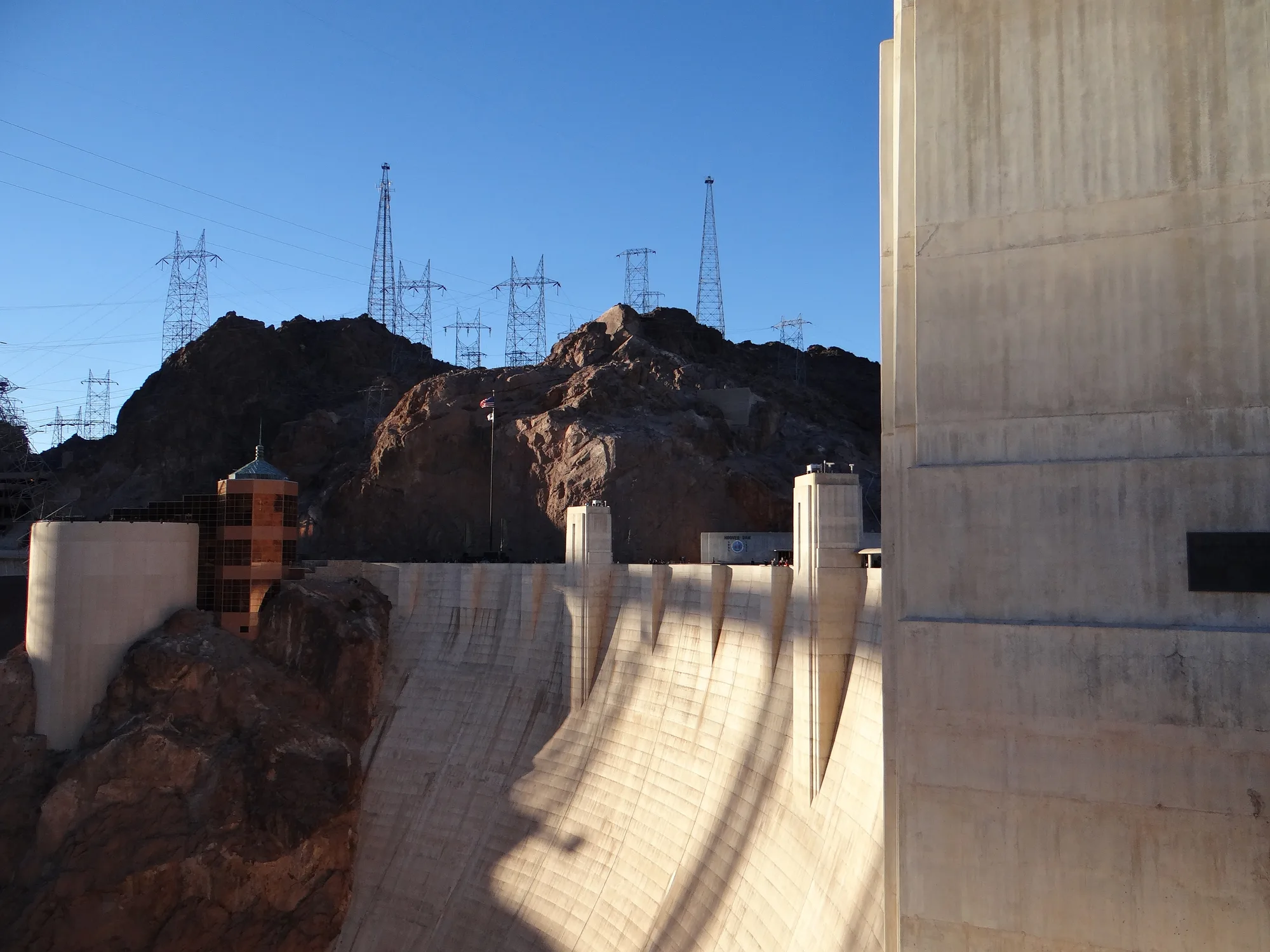
Hoover Dam stands on the Nevada-Arizona border southeast of Las Vegas. A visit can range from a self-guided visitor center experience to a guided powerplant or dam tour. Each has different fees, accessibility and ticket rules; the Bureau of Reclamation says the longer dam tour must be purchased on site.
Allow time for parking and security screening and verify the operator's current schedule before leaving. The dam is a working facility, and access can change for maintenance. The nearby bypass bridge gives another perspective on the canyon, but check current pedestrian access and parking before adding it.
Combining the dam with a short section of Lake Mead's railroad trail can connect the engineering landmark to the infrastructure that helped build it. In hot weather, prioritize indoor exhibits and keep any outdoor walk short and well supplied.
5. Moapa Valley: Watch a desert stream from below the surface
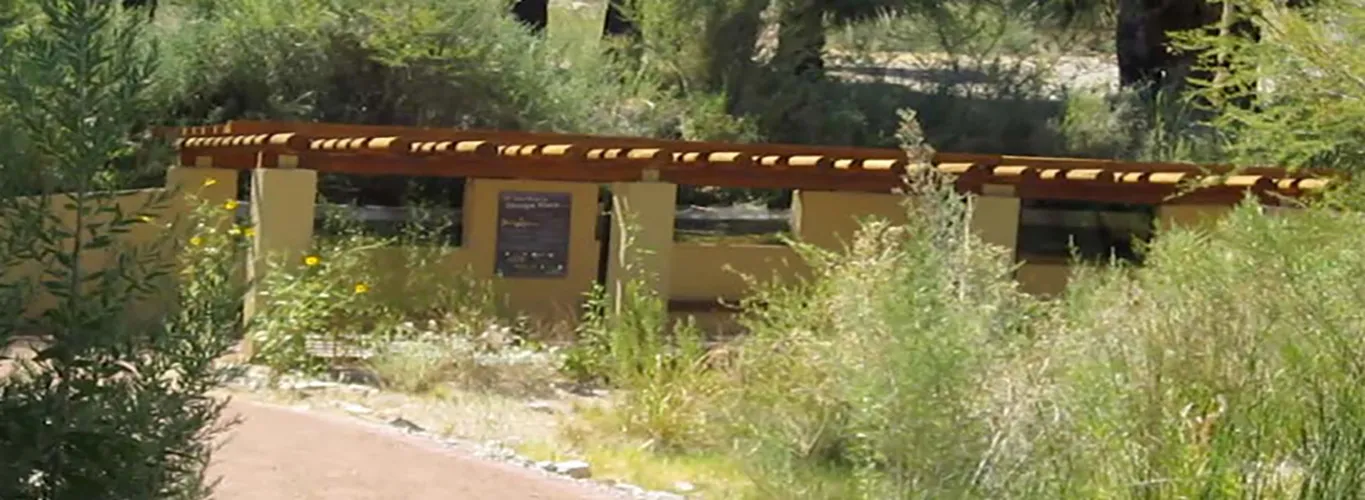
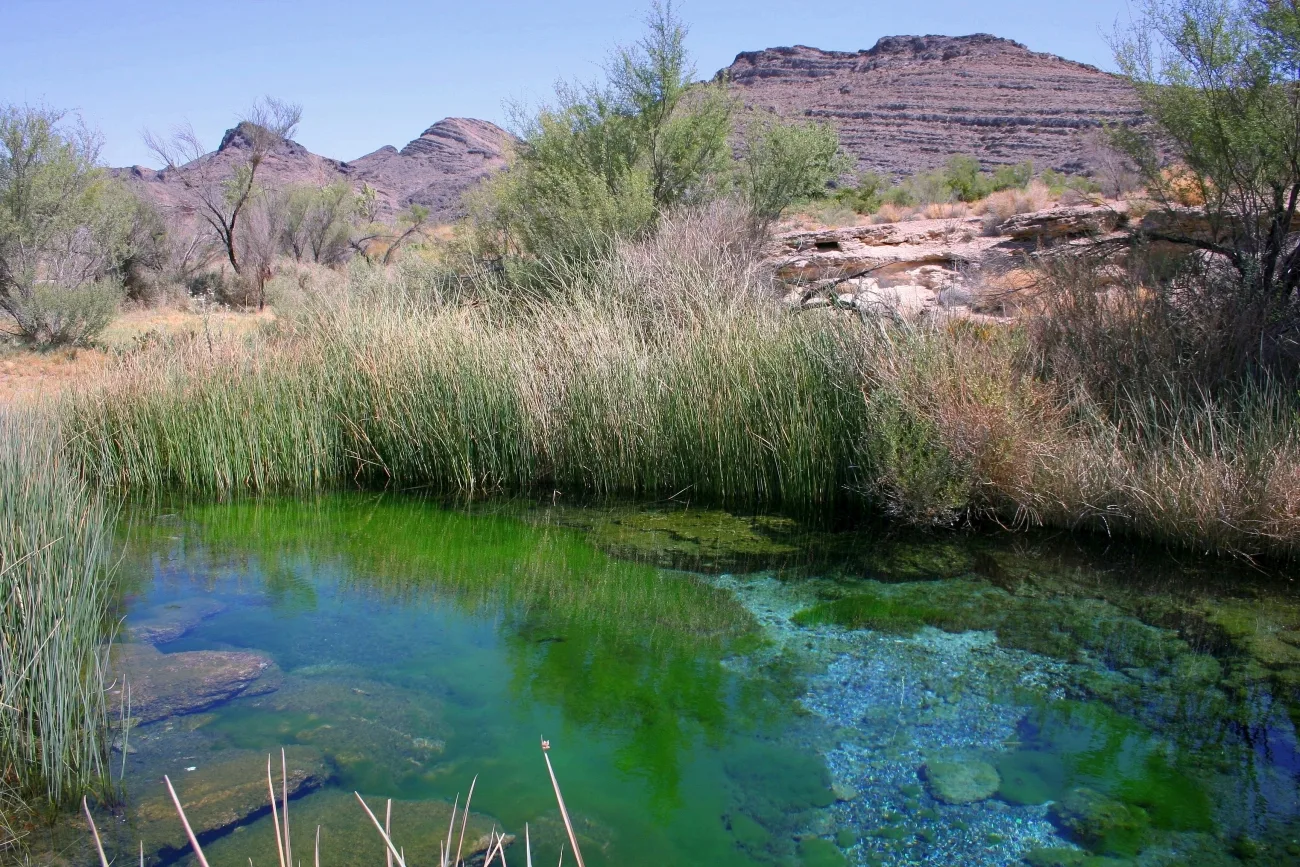
Moapa Valley National Wildlife Refuge is a compact oasis northeast of Las Vegas. A stream-viewing window offers a chance to see native fish such as the endangered Moapa dace in their habitat, while a short walk and overlook introduce the valley's spring-fed landscape.
The refuge generally opens Friday through Sunday from September through May and closes during summer. Confirm the current schedule before driving. Bring water, read the interpretive signs and leave time to look quietly; wildlife sightings depend on conditions and patience.
The refuge protects sensitive habitat surrounded in part by private property. Follow signs, stay on public routes and keep hands and objects out of the water. Its appeal is in the detail: a small fish, a spring, and a landscape sustained by water in the desert.
Plan for distance, weather and access
Choose one or two compatible stops for a day rather than trying to rush through all five. Check each operator's current hours, road conditions and closures; a refuge, national monument and working dam do not follow the same schedule. Fuel up, download maps, carry drinking water and adjust outdoor plans to the forecast.
These destinations offer different ways to understand southern Nevada—from ancient life and desert wildlife to the history of the Colorado River. The best route leaves enough time to enjoy each place and to travel safely between them.