At the northern edge of the Las Vegas Valley, Tule Springs Fossil Beds National Monument protects evidence of a much wetter and older landscape. What is now Mojave Desert once included wetlands visited by mammoths, camels and other animals. The monument is a compelling stop for curious travelers, but its undeveloped setting calls for preparation before leaving town.
1. Find the right entrance
Tule Springs is an urban national monument, but it does not have an on-site visitor center or a conventional street address for navigation. The National Park Service identifies two main entrances: Durango Drive at Moccasin Road in Las Vegas, and Aliante Parkway at Moonlight Falls Avenue in North Las Vegas. Check the official map and current access guidance before driving.
Do not navigate to the monument's mailing address; the NPS says it is not for that purpose. There is no entrance fee, but the lack of a fee booth also means you should arrive with your own information and supplies. Download the map in advance and check the forecast.
2. Imagine an Ice Age wetland
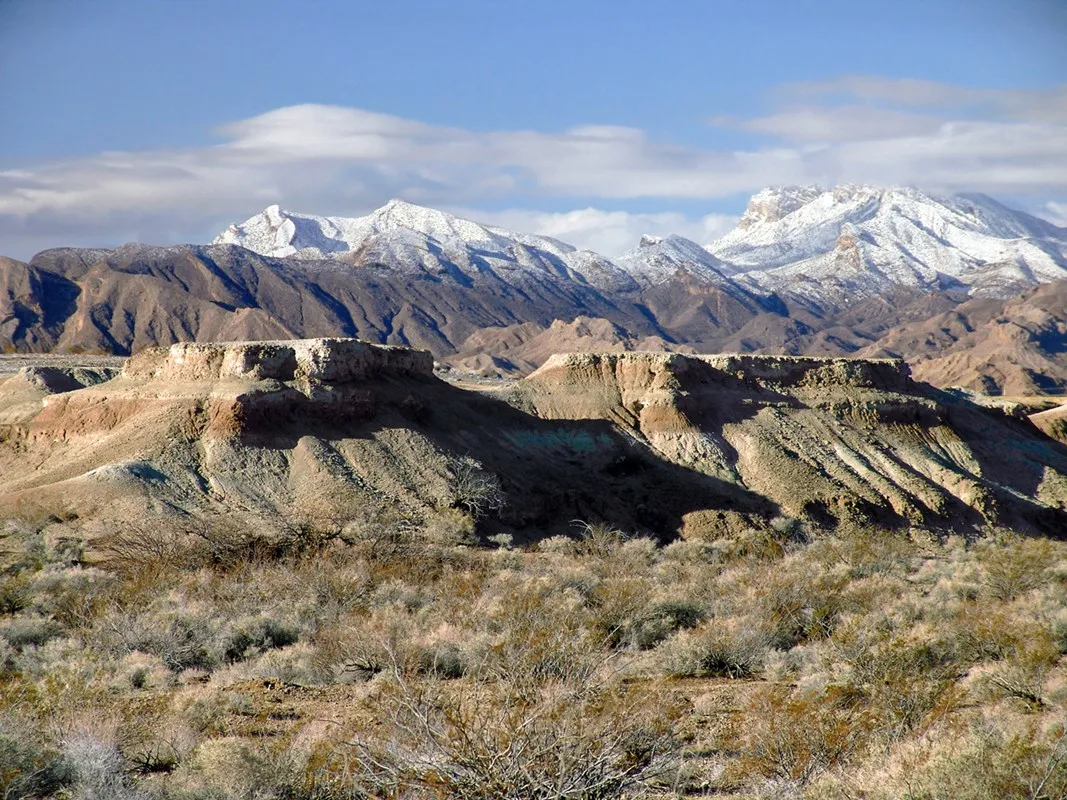
The modern scrub and badlands do not look like a wetland, which is part of the fascination. The park's geologic record extends back more than 570,000 years, and the NPS says fossils here are found in sediments roughly 100,000 to 12,500 years old. Those remains help researchers understand changing environments and the animals that lived in them.
The fossil record includes Columbian mammoths, ancient camels and horses, bison, ground sloths and other species. Much smaller fossils, including snails, are also useful clues. The landscape cannot be read like an exhibit label at every step; let the park's interpretation help connect the ground underfoot to the research.
3. Choose a trail suited to the weather
The Durango and Aliante loop routes offer ways to explore the landscape. The Durango route has views of surrounding mountain ranges and passes through badlands; the Aliante route provides another perspective on the desert habitat. Use the NPS trail descriptions and map for distances and surface details before choosing.
Stay on designated routes and be considerate of other users. The park permits hikers, cyclists, equestrians and leashed pets on its trails; dogs must be on a leash no longer than six feet. Carry out trash and pet waste, keep your distance from wildlife and follow posted signs.
4. Bring everything you need
There are no established on-site restrooms, water refill stations, shade structures or visitor center. Bring enough drinking water, sun protection and suitable footwear, and do not rely on finding shelter along the route. Let someone know your plans and keep the outing within the abilities of everyone in your group.
Heat can become dangerous quickly. The park recommends planning summer visits before the hottest part of the day and exercising caution. Even in cooler months, wind and changing weather matter in an exposed landscape. Check conditions and turn back if the walk is no longer safe.
5. Leave fossils where you find them
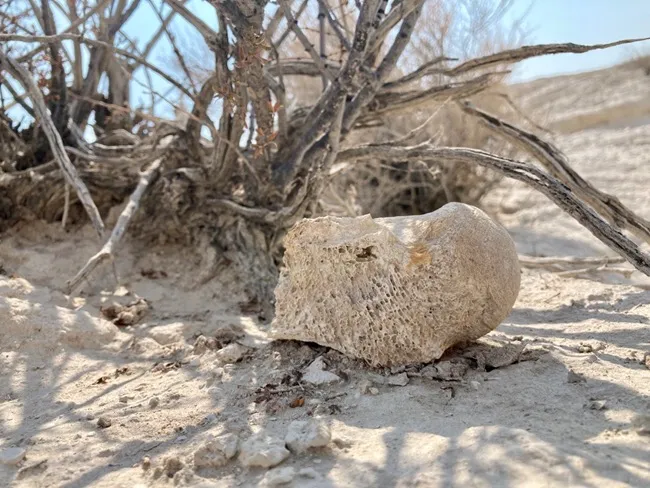
Fossils may be difficult to identify because they can blend into the surrounding sediment. If you think you have found one, leave it in place, take a photograph and share the discovery with park staff. The NPS says digging or collecting requires an approved scientific permit; removing a fossil also removes information about the place where it was found.
The same care applies to rocks, soil, plants and cultural resources. Photographs and observations make better souvenirs than anything taken from the ground. Respect the landscape's connections to the Nuwu/Nuwuvi people and its value for continuing research.
6. Add a nearby fossil exhibit
For a better chance to see identified specimens, the NPS points visitors to the nearby Ice Age Fossils State Park visitor center, where fossils collected from Tule Springs are displayed. The state park is a separate destination with its own hours and fees, so verify those details before traveling.
Ranger-led programs and partner visitor centers can add context to a self-guided walk. Look for current schedules rather than assuming a program is offered every day. A thoughtful visit pairs a prepared desert outing with the stories of the plants and animals preserved beneath the valley.